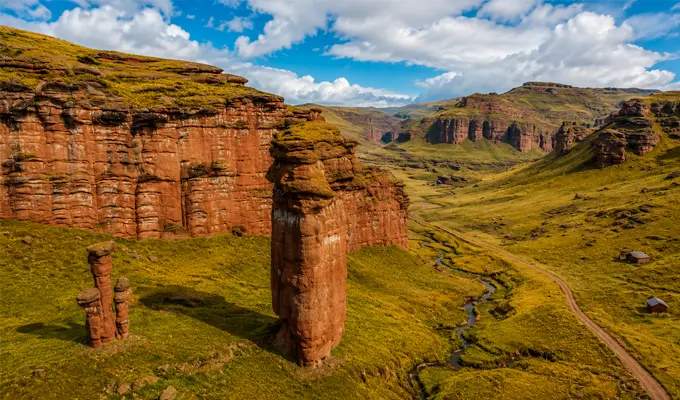
Hidden in the heart of the Melgar Province in Puno lies one of Peru’s most breathtaking natural wonders: Tinajani Canyon. This spectacular landscape is famous for its colossal reddish rock towers and walls, patiently sculpted by wind and water over millions of years into an extraordinary "stone forest" that looks as if it belongs to another planet.
But Tinajani is much more than an impressive landscape. Walking along its trails means stepping into a land wrapped in ancient legends, dotted with archaeological remains, and enriched by a vibrant cultural heritage. It is the perfect destination for travelers seeking untouched nature, adventure, and the enduring mysteries of the Andean Altiplano.
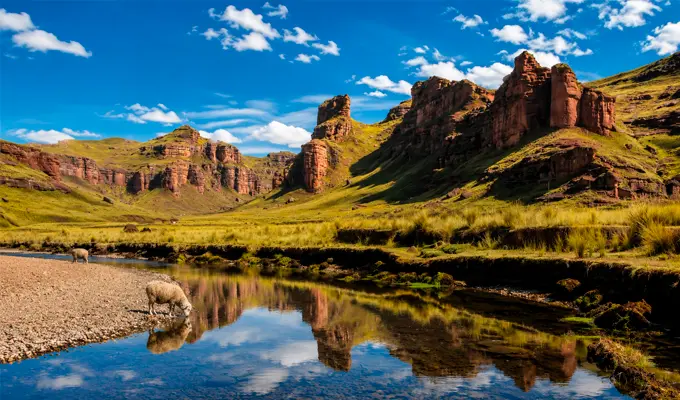
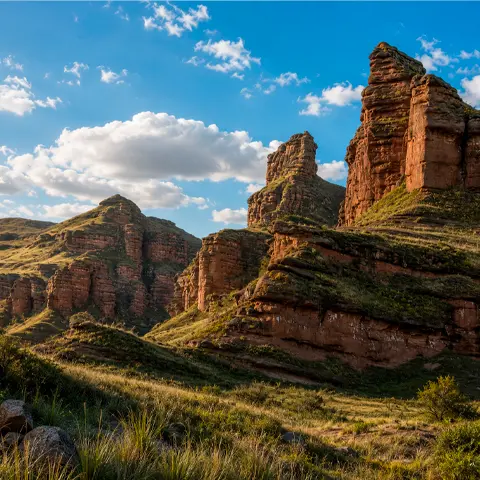
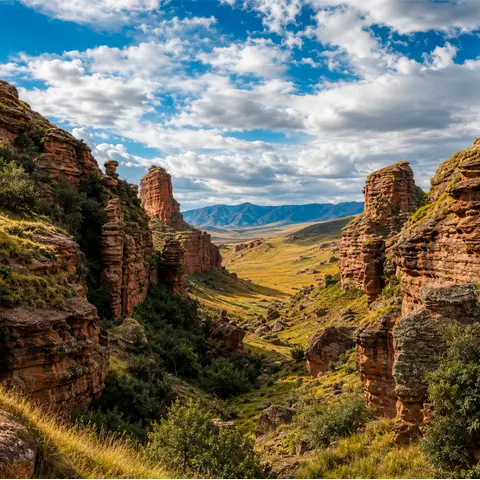
Tinajani Canyon covers approximately 250 hectares of breathtaking natural scenery at an altitude of 3,953 meters (12,969 feet) above sea level. Here, massive reddish sandstone formations rise dramatically, creating labyrinths, narrow gorges, and towering stone walls. Over countless centuries, wind, water, and time have carved the rock into shapes that resemble people, animals, castles, and monumental sculptures.
This unique combination of wild beauty and mysterious atmosphere makes Tinajani far more than just a scenic destination it is one of the most remarkable and unforgettable natural attractions in the Puno region.
The canyon is located in the peaceful community of Tinajani, within the Ayaviri District in the Melgar Province of Puno. It lies only 14 kilometers (8.7 miles) from downtown Ayaviri and approximately two and a half hours from the city of Puno by road. To reach the site, simply follow the Interoceanic Highway South and take the clearly marked turnoff leading directly to this spectacular natural viewpoint.
Quick destination facts:
Geological studies reveal that millions of years ago this remarkable landscape formed part of the ancient Lake Ballivián, the enormous prehistoric lake that existed before today's Lake Titicaca. As the waters gradually receded, tectonic activity combined with the relentless forces of wind and rain carved the monumental reddish sandstone columns and cliffs that define the canyon today.
However, Tinajani's history extends beyond geology. Hidden among its towering rock formations are small archaeological remains, including ancient chullpas (funerary towers), silent evidence that this sacred landscape was inhabited and revered by Andean civilizations long before the arrival of the Incas.
| Fact | Information |
| Location | Ayaviri, Puno |
| Elevation | 3,953 m (12,969 ft) |
| Area | 250 hectares |
| Main Attraction | Stone Forest |
| Rock Formations | Over 50 meters high |
| Best Time to Visit | April to October |
Exploring Tinajani is a unique experience where breathtaking natural scenery blends seamlessly with Andean mysticism. Some of its highlights include:
Despite the harsh highland environment, life thrives in Tinajani in a remarkable way. The reddish landscape is complemented by the golden hues of ichu grass and the resilience of small Polylepis (queñua) forests, ancient trees that flourish despite the high altitude.
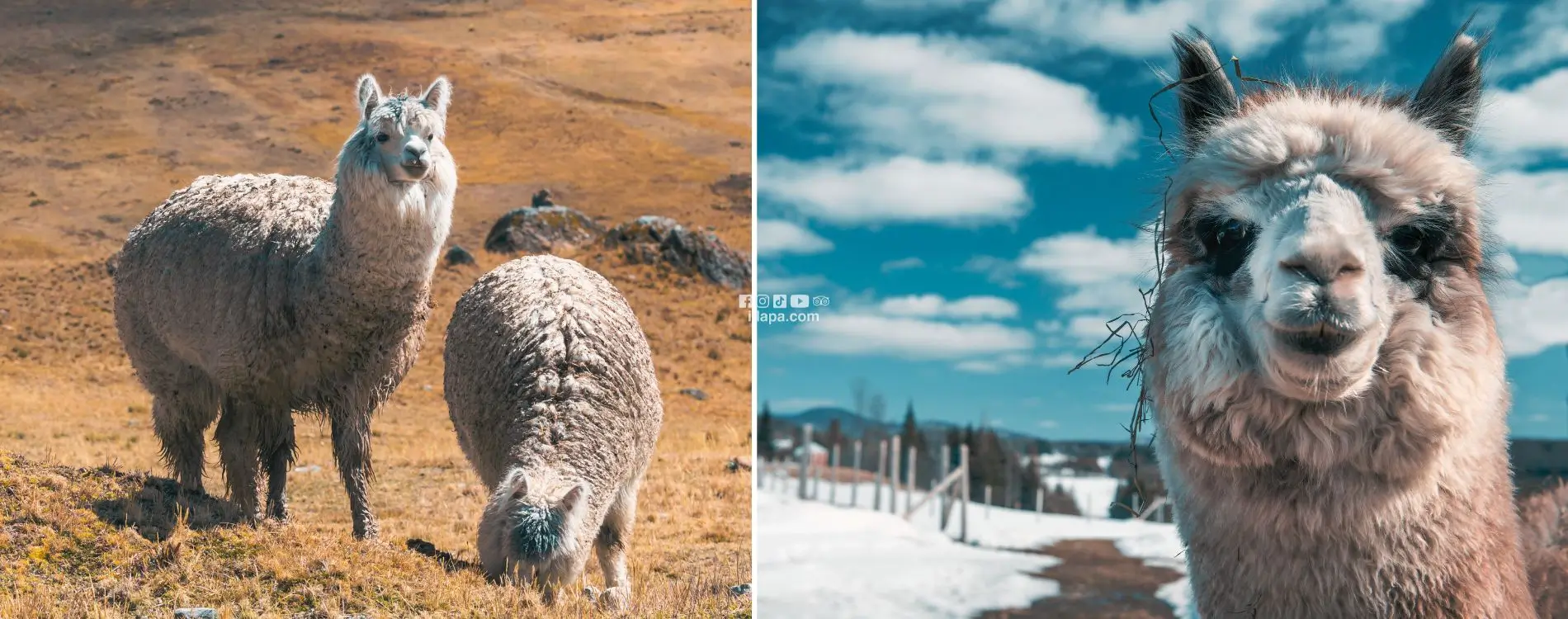
If you walk quietly, you'll likely encounter herds of llamas and alpacas grazing peacefully, or even spot graceful wild vicuñas. Overhead, Andean birds soar across the canyon, bringing movement and life to its vast landscapes.
Tinajani's towering rock formations are steeped in ancient legends that have been shared around the fire for generations:
Stories like these reveal that Tinajani is much more than a geological wonder. It is a sacred place where imagination, mythology, and the Andean worldview give every corner of the landscape its own unique spirit.
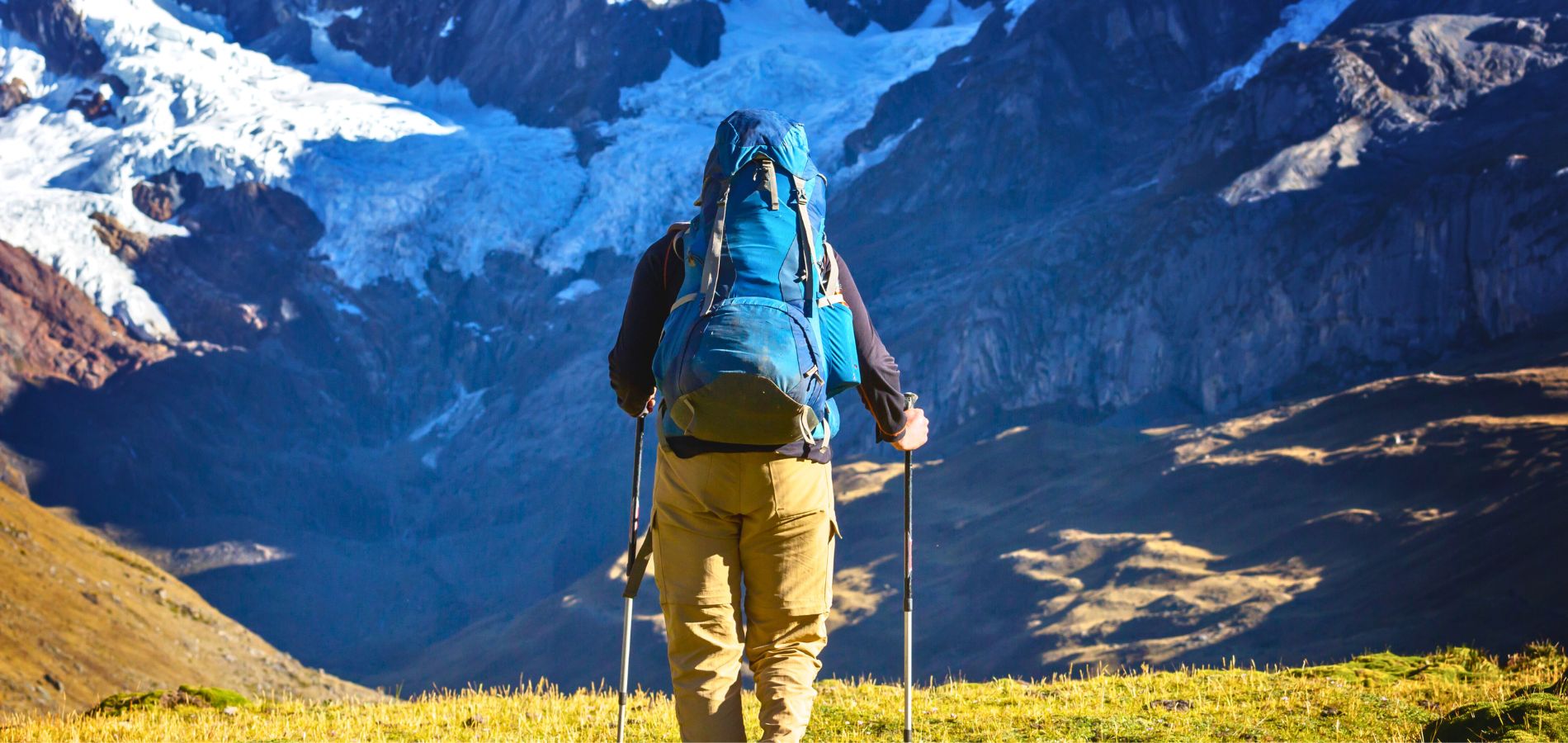
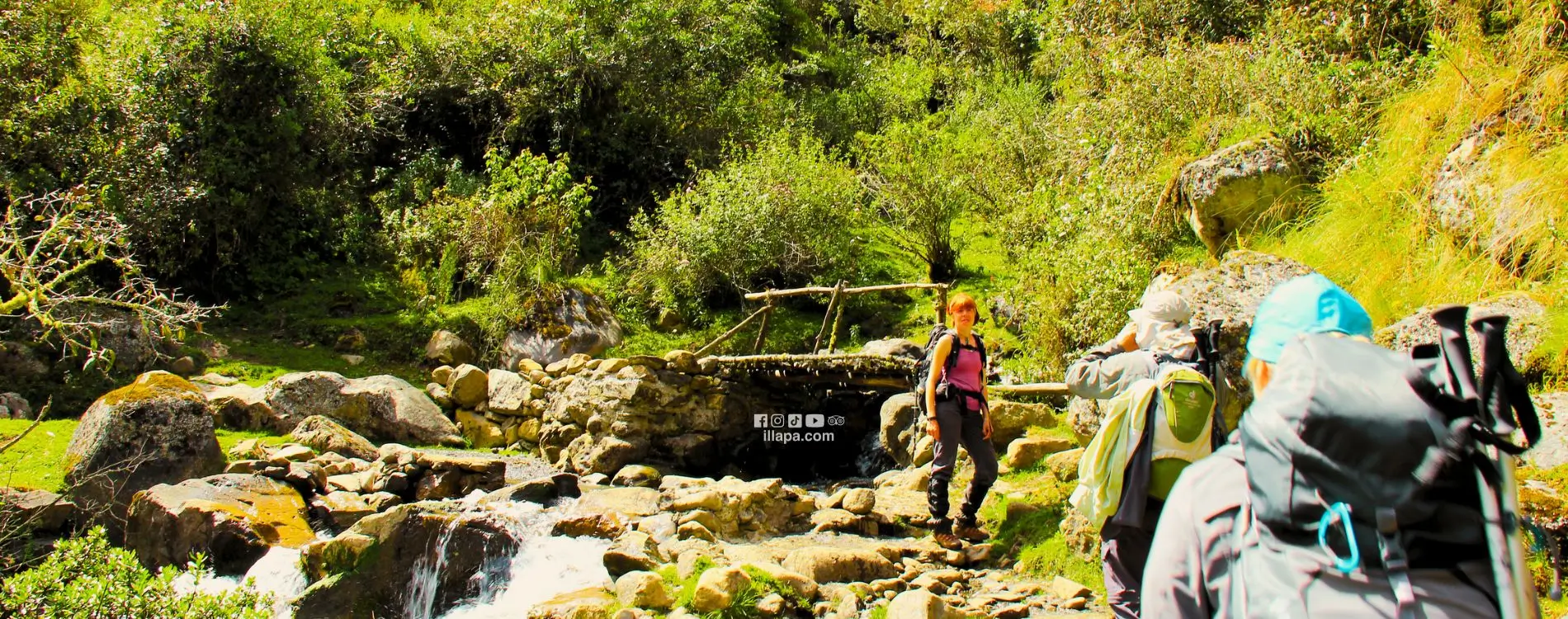
Tinajani Canyon offers a wide range of activities for travelers looking to immerse themselves in nature and adventure:
From Puno:
Take the Southern Interoceanic Highway toward the town of Ayaviri. Once there, you can hire a taxi or take a local shared vehicle from the main square or bus terminal to reach the canyon in about 20 minutes (approximately 14 kilometers away). You can also join a full-day tour from Puno that includes transportation and a professional guide.
If you are traveling from Cusco:
Take the paved highway connecting Cusco and Puno (part of the Southern Interoceanic Highway). Travel south through Sicuani until you reach Ayaviri, then follow the signposted detour leading to the canyon. The journey takes approximately 5 hours, but it is a scenic drive that passes through some of the Altiplano's most iconic landscapes, including La Raya Pass and the vast plains of Puno.
The best time to explore Tinajani Canyon is during the dry season, from April to October. During these months, the Altiplano enjoys clear blue skies and bright sunshine that enhance the striking reddish tones of the canyon's sandstone formations.
This is the ideal season for hiking without worrying about sudden rain showers, capturing spectacular photographs, and enjoying the canyon's scenic trails and breathtaking panoramic views under excellent weather conditions.
To make the most of your adventure in Tinajani Canyon and stay comfortable in the high Andes, keep these recommendations in mind:
Why is Tinajani Canyon famous?
It is renowned for its colossal reddish sandstone formations sculpted by millions of years of erosion, its dramatic and almost mystical landscapes, the fascinating local legends surrounding the site, and the ancient archaeological remains and burial structures scattered throughout the canyon.
How long does the visit take?
A typical visit lasts between 2 and 3 hours, allowing plenty of time to hike through the ravines, take photographs, and explore the canyon's most remarkable landmarks at a relaxed pace.
Is it necessary to hire a guide?
Hiring a guide is not mandatory, but it is highly recommended. A knowledgeable local guide will help you navigate the trails while bringing the landscape to life through stories about its geology, history, and traditional Andean legends.
Can Tinajani Canyon be visited year-round?
Yes. The canyon is accessible throughout the year. However, the dry season (April to October) offers the best conditions, with clear skies, dry trails, and more comfortable weather for hiking and enjoying the spectacular scenery of the Altiplano.