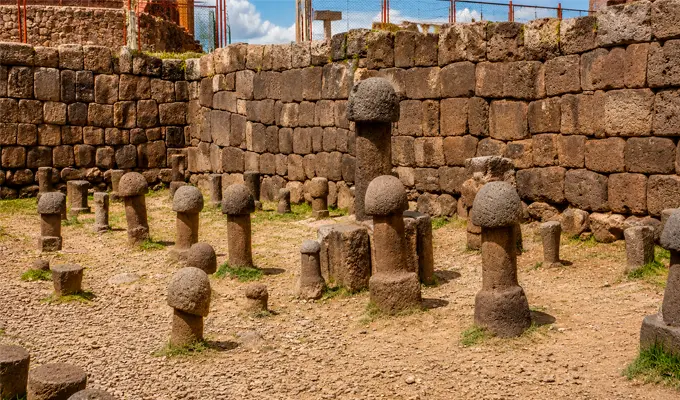
On the shores of Lake Titicaca, in the picturesque town of Chucuito, lies one of the most fascinating places in the Peruvian Altiplano: the Temple of Fertility, popularly known as Inca Uyo. This archaeological complex immediately catches the eye with its dozens of phallic-shaped stone sculptures, a unique feature that has fueled the curiosity of travelers, researchers, and archaeologists for decades.
Beyond its striking appearance, Inca Uyo is a remarkable reflection of the Andean worldview. For the ancient cultures of the Altiplano, fertility was never a taboo but rather the sacred force that sustained life itself, deeply connected to the worship of Pachamama, abundant harvests, and harmony with nature.
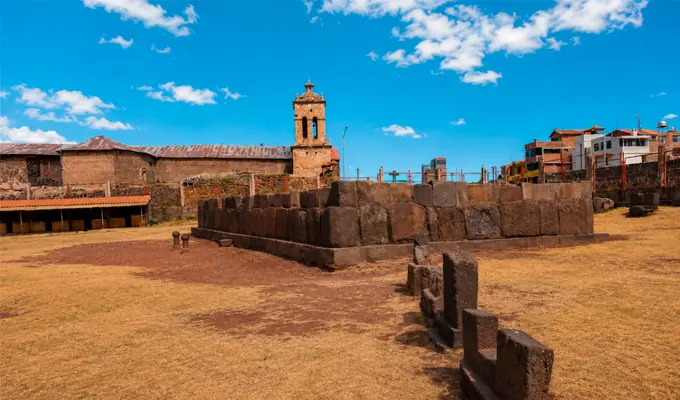
The Temple of Fertility is an archaeological site covering approximately 200 square meters, enclosed by carefully carved stone walls. Inside stand around 80 phallic stone sculptures, believed to have been ancient symbols dedicated to human fertility and agricultural abundance.
Although popularly known as the "Temple of Fertility," historians and archaeologists generally refer to the site as Inca Uyo. Rather than being an unusual attraction, it was a sacred sanctuary where rituals honoring Pachamama were performed to maintain harmony with the natural cycles and forces of the earth.
The temple is located in the charming district of Chucuito, just 18 kilometers (11 miles) south of Puno and only a short distance from the shores of Lake Titicaca. Thanks to its convenient location and easy access, it is one of the region's favorite day trips.
Quick Destination Facts:
The exact origin of Inca Uyo remains something of a mystery. However, archaeological research suggests that it functioned as an ushnu, or ceremonial altar, dedicated to agricultural rituals intended to ensure the fertility of the land. Over time, this devotion to agricultural abundance naturally became associated with human fertility, giving rise to the traditions and stories that the local community still preserves today.
Today, the site is considered one of the most unique and fascinating archaeological attractions in the Altiplano, preserving an important part of the region's cultural heritage.
| Fact | Information |
| Location | Chucuito, Puno |
| Elevation | 3,875 m (12,713 ft) |
| Original Name | Inca Uyo |
| Main Attraction | More than 80 stone sculptures |
| Distance from Puno | 18 km (11 miles) |
| Best Time to Visit | May to October |
The name Inca Uyo comes from the Aymara language and is commonly translated as "the Inca's virile member." This name directly reflects the site's distinctive stone sculptures and the profound symbolic importance that fertility held in the Andean world.
For the civilizations of the Altiplano, fertility extended far beyond human reproduction. It represented the vital force that ensured plentiful harvests, thriving livestock, and the continuous cycle of life sustained by Pachamama, or Mother Earth.
The heart of Inca Uyo lies in its collection of more than 80 stone sculptures scattered throughout the site. Although they vary in size and shape, they all share the same sacred symbolism related to life, fertility, and the deep connection between the Andean people and nature.
Far from being simple decorative carvings, these stones played a central role in ancient ceremonies. Community members gathered here to pray for abundant harvests, pay tribute, and express gratitude to Pachamama for the food and prosperity she provided.
Numerous legends have been passed down through generations about Inca Uyo. One of the most popular tells of women who wished to become mothers visiting the sanctuary to perform small fertility rituals, offering coca leaves and corn chicha while praying to be blessed with children.
Although these stories add a mystical atmosphere to the site and remain an important part of Chucuito's rich folklore, they should be understood as traditional beliefs rather than historical facts. Archaeological research has found no conclusive evidence supporting these legends, but they continue to be a valuable part of the Altiplano's oral heritage.
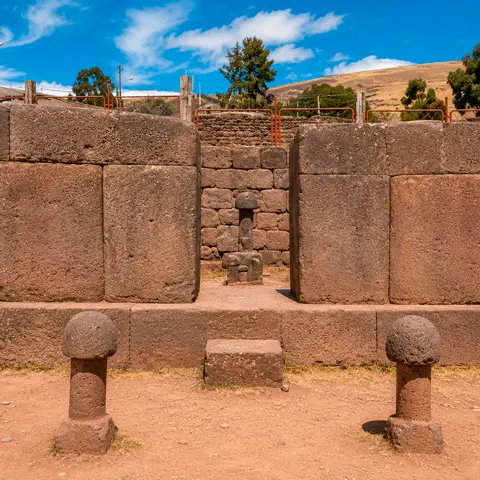
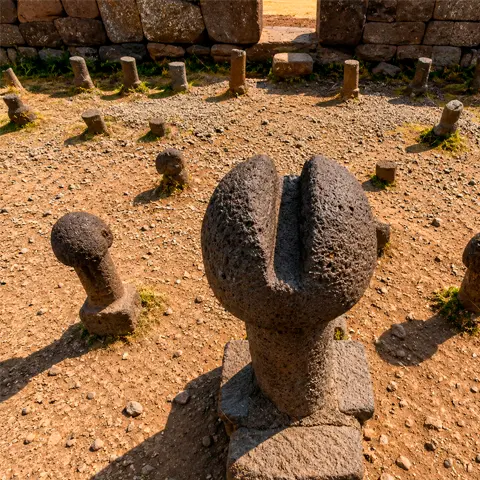
Although it may seem like a modest archaeological site at first glance, the architecture of Inca Uyo is both simple and deeply symbolic. The entire complex is enclosed by carefully carved stone walls that surround a central courtyard, the heart of the temple where the famous stone sculptures are arranged.
This layout was far from accidental. It reflects the remarkable engineering skills of the ancient peoples of the Altiplano while emphasizing the site's ceremonial importance. Some researchers also believe that the orientation of its walls and architectural elements was aligned with astronomical observations, serving as a guide for marking the seasons and the agricultural calendar.
Chucuito is a destination full of surprises. While the Temple of Fertility (Inca Uyo) and its famous stone sculptures are the main attraction, the town also offers several charming places worth exploring:
Getting there from Puno is quick and easy, making it an excellent half-day excursion. You can choose from several transportation options depending on your travel style:
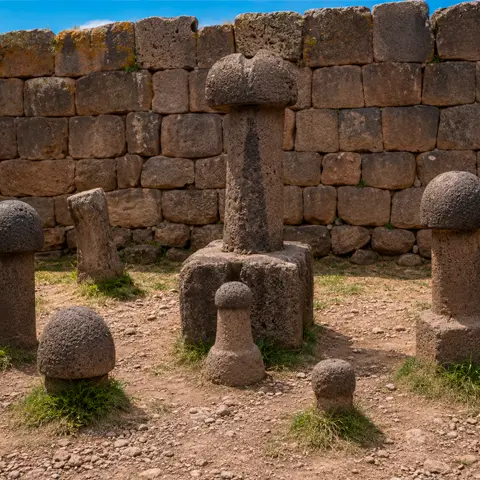
The site is open to visitors throughout the year, but the dry season (May to October) offers the best experience. During these months, you'll enjoy sunny days, clear blue skies, and ideal weather for appreciating the stunning landscapes of the Altiplano.
For the most pleasant visit, plan to arrive in the morning or early afternoon. These hours offer cooler temperatures, excellent lighting for photography, and generally calmer conditions before the chilly evening winds arrive.
To make the most of your visit while helping preserve this important archaeological site, keep these practical recommendations in mind:
Why is it called the Temple of Fertility?
Its stone sculptures have traditionally been associated with rituals dedicated to the fertility of the land and human reproduction, both of which were fundamental elements of the Andean worldview.
What does Inca Uyo mean?
The name comes from the Aymara language and is commonly translated as "the Inca's virile member", a direct reference to the symbolic meaning of the carved stone sculptures found within the site.
How long does the visit take?
A visit to the archaeological site usually takes between 30 and 60 minutes. However, you'll get much more out of the experience by spending a couple of hours exploring the charming town of Chucuito and enjoying its scenic viewpoints.
Is Inca Uyo worth visiting?
Absolutely. It is one of the most unique archaeological attractions in Puno, offering fascinating insights into the rituals, spirituality, and close relationship that the ancient peoples of the Altiplano maintained with nature.