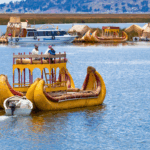
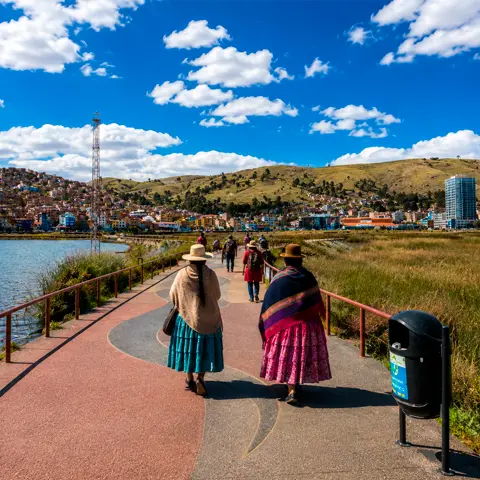
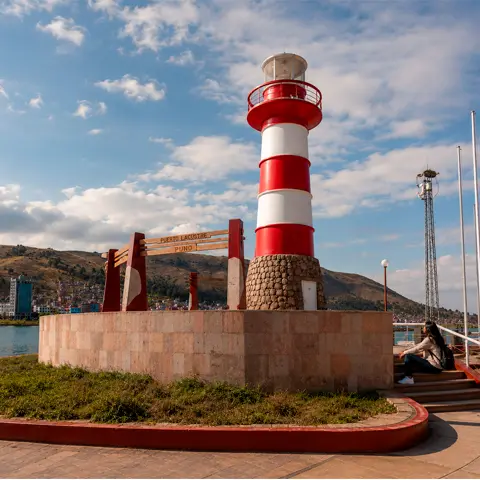
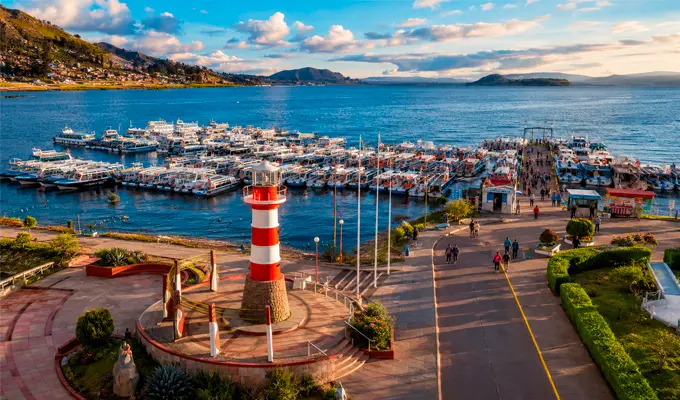
The Inca Bay Ecotourism Boardwalk is one of Puno’s most charming places. This beautiful lakeside promenade sits along the shores of Lake Titicaca, where nature, the fresh Andean air, and local life come together in perfect harmony. It is the ideal place to slow down, enjoy a leisurely stroll, and admire the vastness of the highest navigable lake in the world.
Best of all, it is located just a few minutes from the Main Square (Plaza de Armas), making it the perfect escape from the city's busy streets. It is an excellent spot to relax by the bay, observe the Andean birds that inhabit the lake, and capture some of the most breathtaking panoramic photographs of your trip.
The Inca Bay Ecotourism Boardwalk was created with a special purpose: to restore and revitalize this section of Lake Titicaca’s shoreline, transforming it into a green recreational area for both locals and visitors. The area was completely renovated with walking paths, cycling lanes, lighting, and comfortable resting areas that encourage visitors to spend time enjoying the scenery.
Today, it is one of Puno’s favorite places to unwind. Whether you prefer jogging, taking a peaceful walk, or simply sitting by the lake while watching the colors of the Andean sky reflect on the water, the boardwalk offers the perfect opportunity to relax while admiring the spectacular landscapes of the Altiplano.
The boardwalk is located in the city of Puno, stretching along the inner bay of Lake Titicaca. It lies within the Puno Region and Province at an altitude of 3,815 m (12,516 ft) above sea level. Thanks to its central location, approximately eight blocks from the Main Square (Plaza de Armas), it can easily be reached on foot from the historic center in about 10 minutes.
| Fact | Information |
| Location | Puno |
| Altitude | 3,815 m (12,516 ft) above sea level |
| Main Attraction | Lake Titicaca |
| Trail | Pedestrian boardwalk and cycling path |
| Distance | 10-minute walk from the Main Square |
| Best Time to Visit | May to October |
The boardwalk was developed through a major initiative led by Plan Copesco and several public institutions, aiming to restore this section of Lake Titicaca from both an environmental and tourism perspective. Its construction completely transformed the inner bay by adding pedestrian walkways, cycling lanes, green areas, and recreational spaces designed for visitors. More importantly, the project helped reduce the impact of wastewater that had affected the bay for years, restoring its natural beauty and improving the environmental health of this unique landscape.
Over the years, this effort has paid off. Today, the boardwalk has become one of Puno’s liveliest public spaces and a favorite gathering place where locals and visitors come together to enjoy everyday life along the shores of Lake Titicaca.
This scenic promenade offers something for everyone, regardless of age. Here are some of the best experiences you can enjoy during your visit:
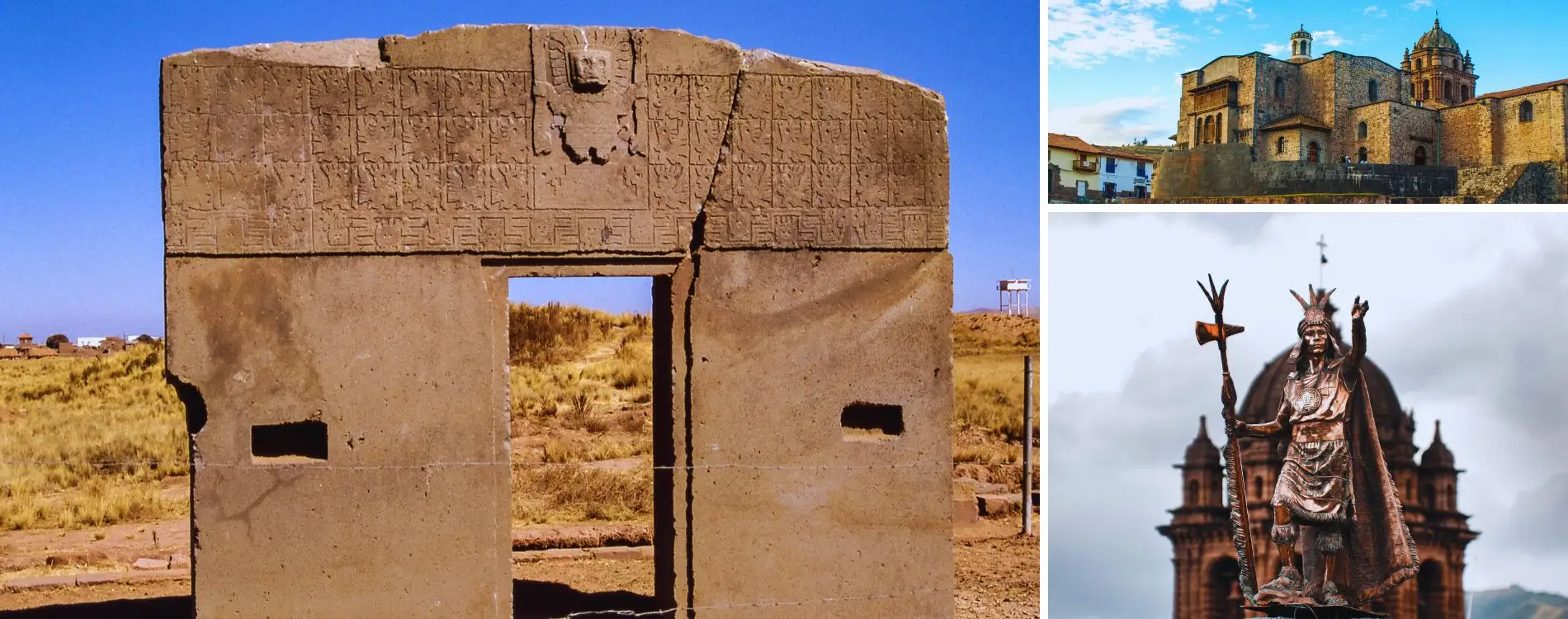
One of the boardwalk's most fascinating features is the Sukankas (better known by many as Intihuatanas). These pre-Hispanic stone pillars were much more than simple monuments they functioned as sophisticated solar calendars.
Ancient Andean astronomers used them to carefully track the movement of the sun. By observing the shadows cast by these stone structures, they could accurately determine the changing of the seasons, allowing them to plan agricultural activities such as planting and harvesting, as well as important ceremonial events. These monuments also served a practical purpose by marking territorial boundaries between communities across the Altiplano.
Seeing these ancient structures standing beside Lake Titicaca is a remarkable reminder of the advanced astronomical knowledge developed in the Andes centuries ago.
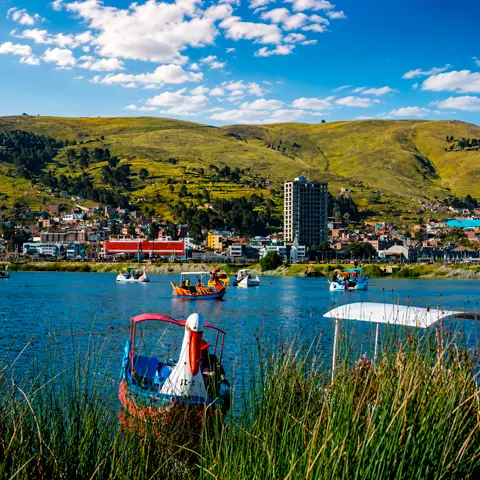

Despite being located close to the city, the boardwalk is a vibrant natural sanctuary that preserves the essence of Lake Titicaca. As you walk along the shore, you'll likely encounter the true residents of the bay: Andean ducks and gulls flying overhead, skilled grebes diving beneath the water, lively coots, and, depending on the season, beautiful migratory birds that use the bay as a resting stop during their journeys.
This remarkable birdlife thrives thanks to the extensive totora reed beds and wetland vegetation surrounding the bay. These native plants not only add vibrant greenery to the landscape but also play a crucial ecological role by naturally filtering the water while providing shelter, nesting areas, and food for numerous species. It is a delicate ecosystem that highlights the importance of protecting the natural environment of Lake Titicaca.
One of the best things about the boardwalk is its convenient location near downtown Puno. There are three easy ways to get there:
The boardwalk can be visited throughout the year, but if you're hoping for the clearest skies and the best panoramic views, plan your trip between May and October. This is the dry season in the Peruvian Altiplano, when bright blue skies create spectacular scenery around Lake Titicaca.
No matter when you visit, the best times of day are early morning and sunset. During these hours, the soft Andean light reflects beautifully across the lake, painting the surrounding mountains in brilliant shades of gold, orange, and red—perfect for photography or simply enjoying the peaceful atmosphere.
To make the most of your walk along the boardwalk while staying comfortable in the Altiplano climate, keep these practical tips in mind:
Is there an entrance fee to visit the Inca Bay Boardwalk?
No. Admission is completely free throughout the year, so you can visit whenever you like.
How long does it take to explore the boardwalk?
Most visitors spend between 30 minutes and one hour, depending on their pace, the number of photo stops, or simply how long they choose to relax by the lake.
Is the boardwalk suitable for families?
Absolutely. It is a safe and spacious recreational area with accessible walking paths, making it ideal for visitors of all ages, from young children to older adults.
What is the best time of day to visit?
The best moments are early in the morning and at sunset, when the lake is at its most peaceful and the light creates spectacular reflections across the waters of Lake Titicaca.