On the shores of the majestic Lake Titicaca, the Capachica Peninsula stands out as one of the best-kept and most authentic treasures of Puno. This remarkable destination blends postcard-worthy landscapes, crystal clear beaches, and small communities that still live according to their ancestral traditions, welcoming visitors through community-based tourism to share the true essence of the Altiplano.
Unlike the more frequently visited routes around Lake Titicaca, Capachica offers a peaceful, authentic experience in perfect harmony with nature. It is the ideal place to disconnect from the rush of everyday life, embrace the warmth of its people, and admire some of the most breathtaking sunsets in southern Peru.
The Capachica Peninsula extends gracefully into the waters of Lake Titicaca, northwest of the city of Puno. Located just 62 kilometers (39 miles) from downtown Puno and at an altitude of approximately 3,880 meters (12,730 feet), this peninsula is home to several rural communities that have preserved their traditional way of life. Here, everyday life unfolds at a slower pace among farmland, artisanal fishing, handwoven textiles rich in history, and welcoming community-based tourism experiences.
| Fact | Information |
| Location | Puno, Peru |
| Altitude | 3,880 m (12,730 ft) |
| Distance | 62 km (39 mi) from Puno |
| Main Attraction | Community-Based Tourism |
| Notable Communities | Llachón, Ccotos, Chifrón |
| Best Time to Visit | May to October |
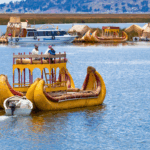
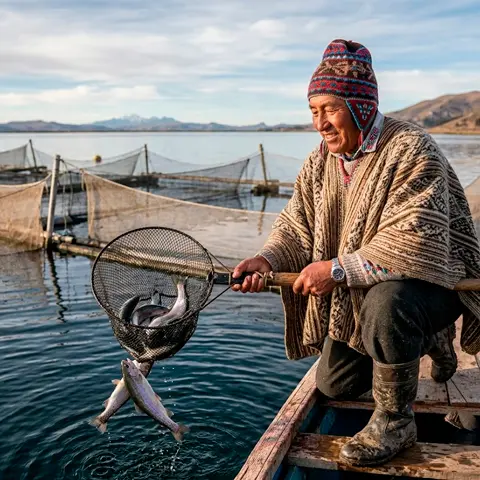
Since pre-Hispanic times, the Capachica Peninsula has been home to communities deeply connected to the cultures that flourished along the shores of Lake Titicaca. Century after century, its inhabitants have carefully preserved their most cherished traditions: respectful farming practices, fishing in traditional boats, handwoven textile craftsmanship, and ceremonies honoring the Pachamama, or Mother Earth.
Today, Capachica does not preserve its heritage behind museum walls it lives it every day. Through community-based tourism, local families warmly open their homes to visitors, inviting them to experience their daily routines, enjoy homemade meals, and discover the hospitality of an Andean culture that continues to thrive.
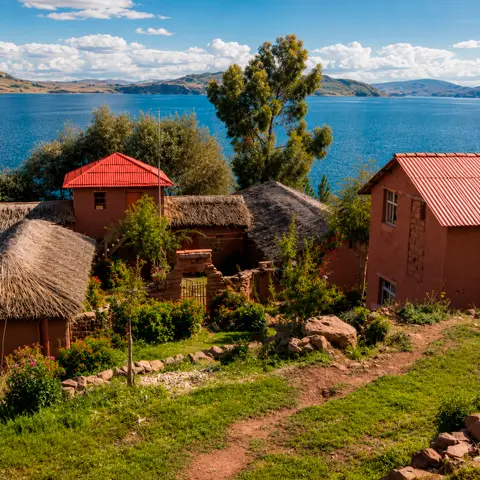
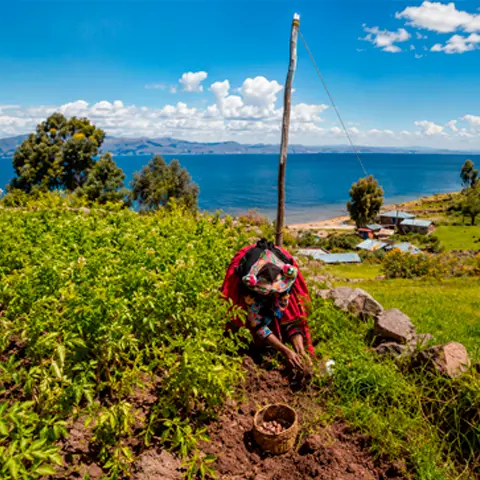
The true charm of Capachica lies in the natural way its stunning landscapes blend with the daily lives of its people. Visiting the peninsula means stepping into a world where time moves more slowly. You'll see local residents sailing traditional boats, cultivating the land using ancestral farming techniques, and weaving colorful textiles rich in symbolism and cultural heritage.
The tranquility of its lakeshore, combined with the warmth and hospitality of the families who welcome visitors into their homes, makes the peninsula a perfect retreat. It is the ideal destination for travelers seeking an authentic experience away from mass tourism and looking to connect deeply with the spirit of the Peruvian Altiplano.
The Capachica Peninsula has become one of the leading destinations for community-based rural tourism on Lake Titicaca. The concept is simple yet meaningful: local families welcome travelers into their homes, inviting them to become part of everyday life in the Altiplano.
During your stay, you can immerse yourself in local traditions through experiences such as:
More than just a trip, it is a genuine cultural exchange where every visit directly supports the local economy and contributes to the sustainable development of community families.
The peninsula is home to several communities, each with its own unique character and charm:
Although most travelers associate Lake Titicaca with its famous floating islands, the Capachica Peninsula is home to some of the most beautiful and surprising beaches in the entire Altiplano.
Among the most outstanding are:
The calm waters and breathtaking scenery make these hidden gems the perfect place to unwind, capture stunning photographs, or simply admire the spectacular landscape.
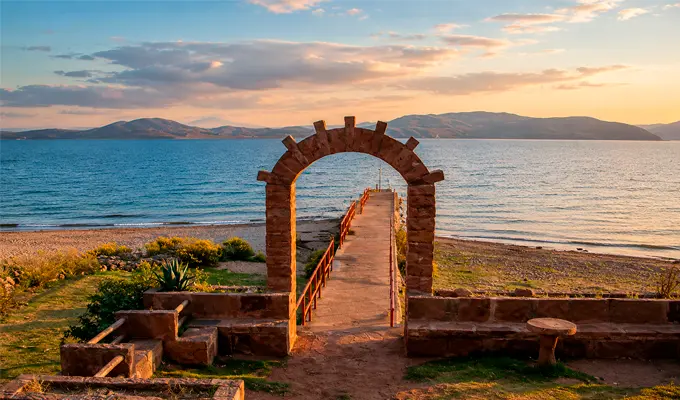
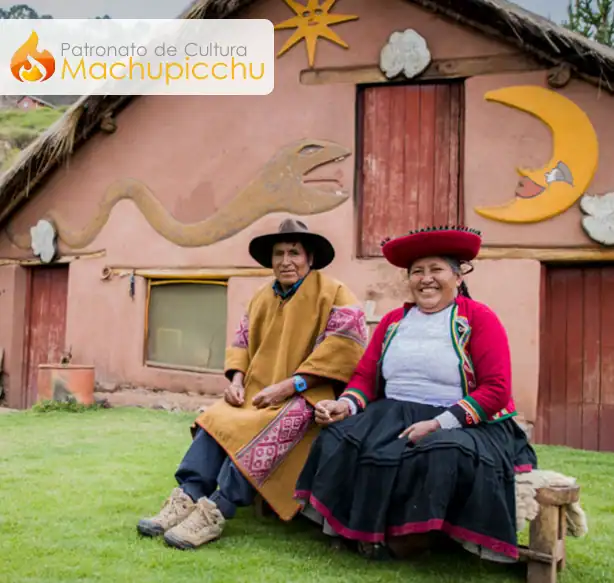
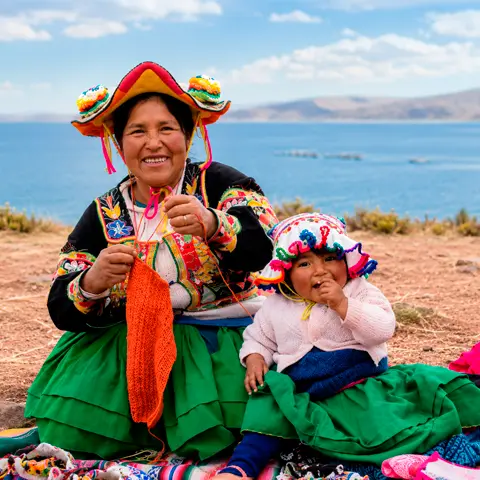
Textile art on the Capachica Peninsula goes far beyond handicrafts it is one of the region's most vibrant cultural expressions and a vital source of income for local families. Using ancestral techniques passed down through generations, artisans work on traditional looms to create remarkable handmade garments. Every woven belt, poncho, chullo (Andean knitted hat), and blanket features geometric patterns and symbolic designs whose colors reflect nature, the Andean worldview, and the rich history of the peoples of Lake Titicaca.
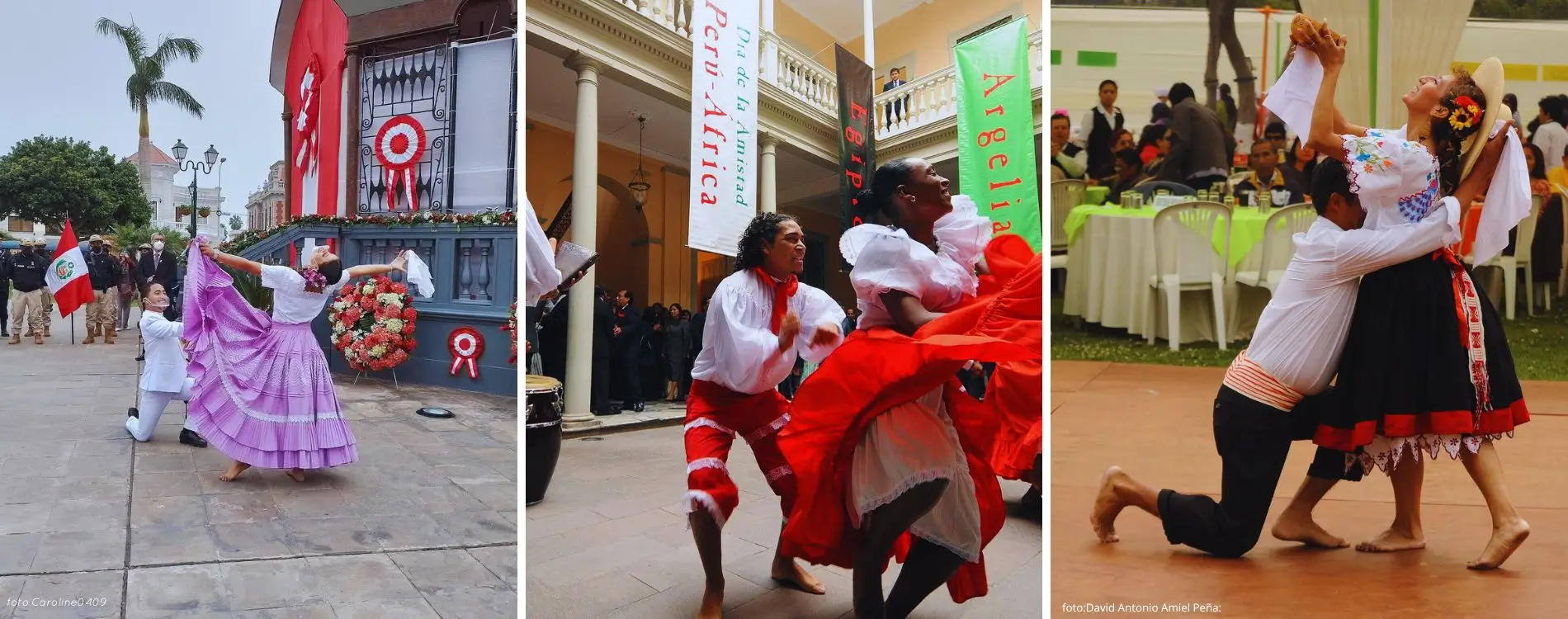
However, the peninsula's cultural richness extends well beyond its textiles. Throughout the year, its communities keep their collective heritage alive through traditional festivals, mystical folk dances, and ceremonies honoring Pachamama (Mother Earth) and Mamacocha (the Sacred Lake). These living traditions offer travelers an authentic and immersive experience of the true identity of Peru's Altiplano.
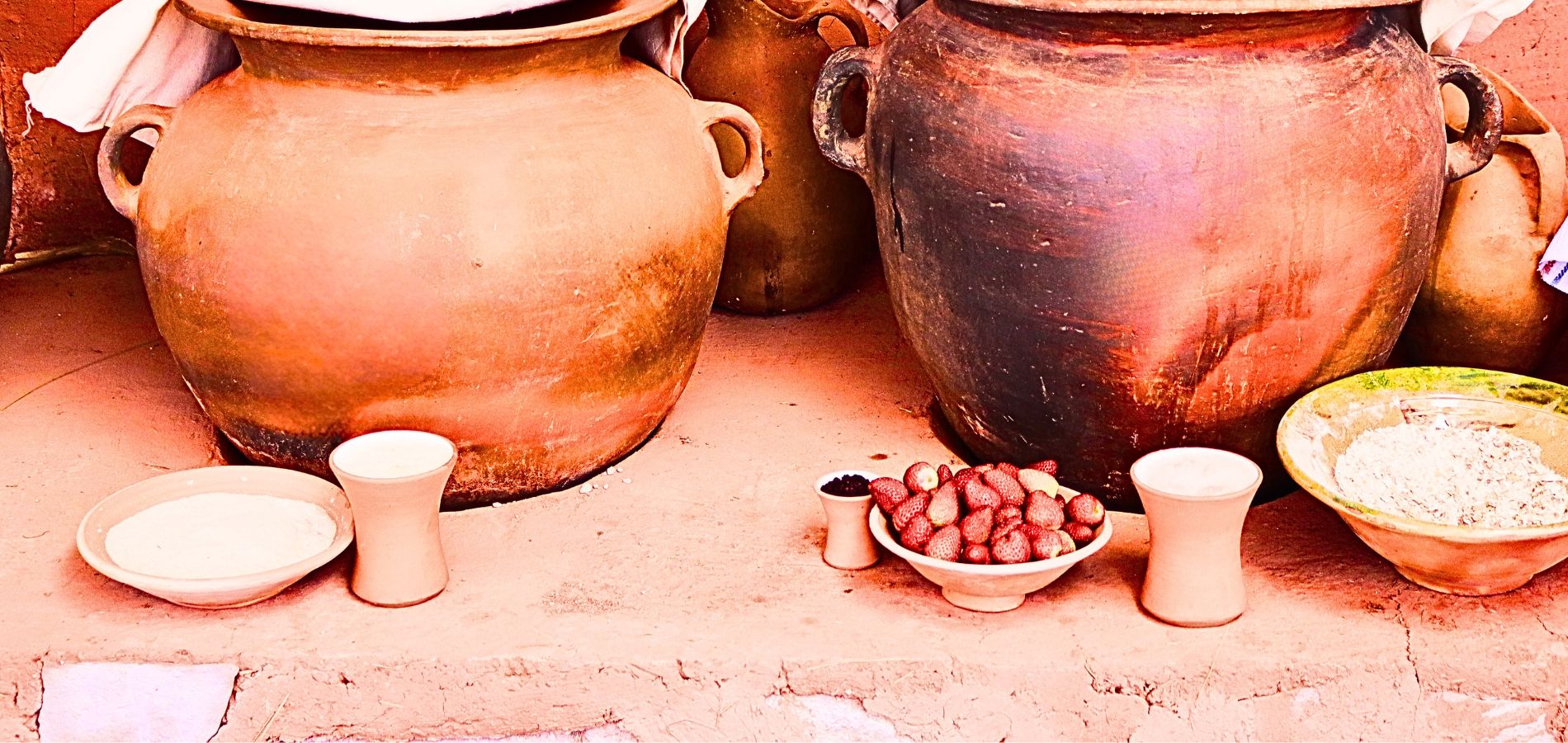
The cuisine of Capachica reflects both the generosity of its fertile land and the richness of Lake Titicaca. Local dishes are prepared with fresh, locally sourced ingredients cultivated using traditional farming methods, resulting in honest, flavorful, and comforting cuisine.
Some of its most representative specialties include:
The most special part of this culinary experience is that most rural lodges prepare their meals using freshly harvested vegetables from their own gardens and fish caught the very same day, ensuring every dish is fresh, natural, and homemade.
During your stay on the peninsula, each day offers a different way to connect with the natural surroundings and the local communities. Some of the most memorable experiences include:
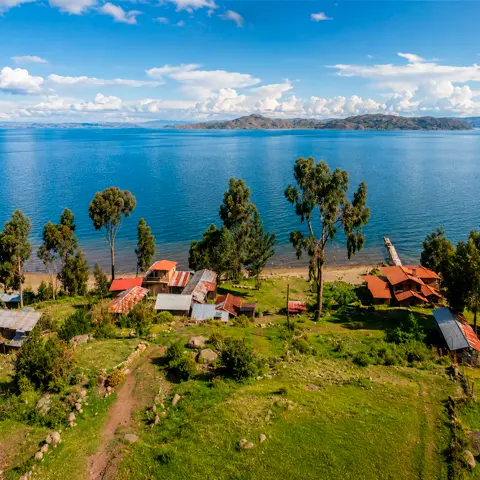
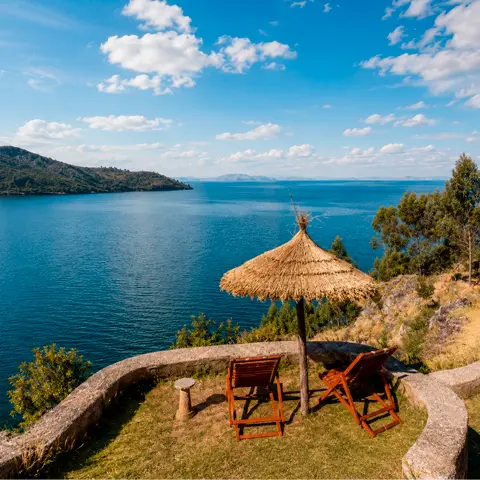
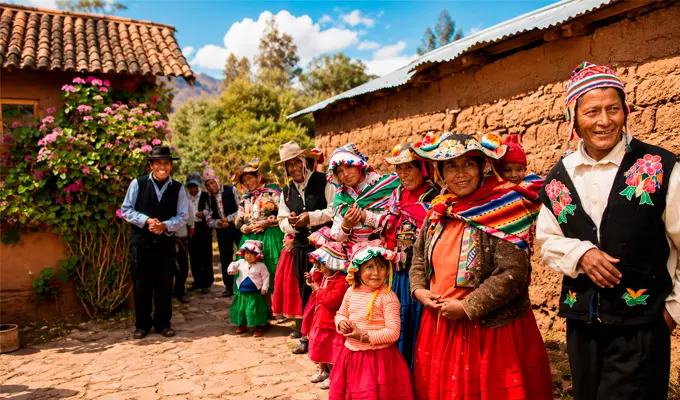
There are a couple of ways to reach and enjoy the peninsula, depending on your travel style:
The ideal time to discover the beauty and tranquility of the Capachica Peninsula is between May and October, during the Altiplano's dry season. Throughout these months, visitors enjoy pleasant weather with sunny days, warm sunshine, and crystal-clear blue skies that seem to merge seamlessly with the waters of Lake Titicaca.
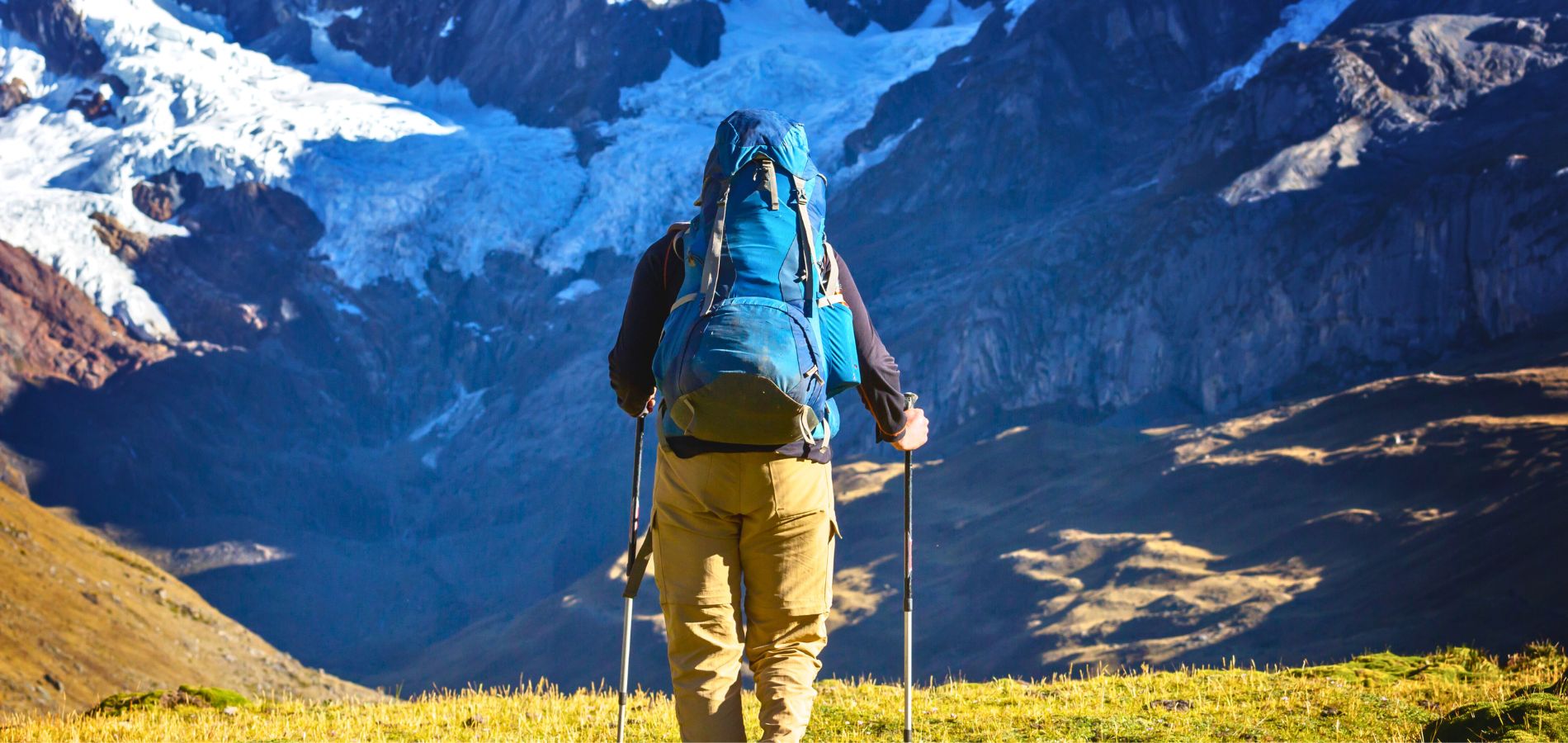
These conditions are perfect for making the most of your visit. They allow you to hike the lakeside trails comfortably, enjoy boat excursions without worrying about rainfall, and capture unforgettable photographs under exceptional natural light. Although nighttime temperatures can drop significantly due to the high altitude, the clear days and the peaceful atmosphere of the lake make the experience truly worthwhile.
To make the most of your visit while respecting both yourself and the destination, keep these recommendations in mind:
Why should I visit Capachica?
To enjoy an authentic community-based tourism experience, sharing traditions and everyday life with local families in a unique natural setting.
How long should I stay?
Although it can be visited on a day trip, it is highly recommended to stay at least one night to fully experience the destination and enjoy the spectacular sunsets over Lake Titicaca.
Which community is the most visited?
Llachón, as it pioneered community-based accommodations and offers spectacular hiking trails and viewpoints overlooking Lake Titicaca.
Can I visit all year round?
Yes. However, the dry season (May to October) is considered the best time to visit thanks to its sunny days and clear skies.