Imagine walking through the streets of Puno as the sound of drums, Andean panpipes, and brass bands signals the beginning of a grand celebration. All around you, dancers dressed in beautifully embroidered costumes fill the squares with color, families come together, and the entire city celebrates its roots.
This is what the Puno anniversary celebrations are like—one of the most significant events on the cultural calendar of the Peruvian Altiplano.
Every November 4, the city commemorates its anniversary, recalling the colonial events of 1668 while celebrating a much older history shaped by Quechua and Aymara communities, the legends of Lake Titicaca, and an extraordinary cultural heritage.
But what exactly is being celebrated? Which traditional dances can you see? And why is November such a special time to visit Puno?
Here is everything you need to know to enjoy this celebration and make the most of your visit to one of Peru's most fascinating cultural destinations.
| Detail | Information |
|---|---|
| Celebration | Anniversary of the City of Puno |
| Main date | November 4 |
| Colonial foundation | November 4, 1668 |
| 2026 anniversary | 358th anniversary |
| Location | Puno, Peru |
| Elevation | Approximately 3,827 meters (12,556 feet) above sea level |
| Main venues | Historic Center and Lake Titicaca |
| Traditional activities | Parades, dances, ceremonies, and cultural events |
| Iconic performance | Reenactment of Manco Cápac and Mama Ocllo |
| Local cuisine | Trout, chairo, cancacho, and other Andean specialties |
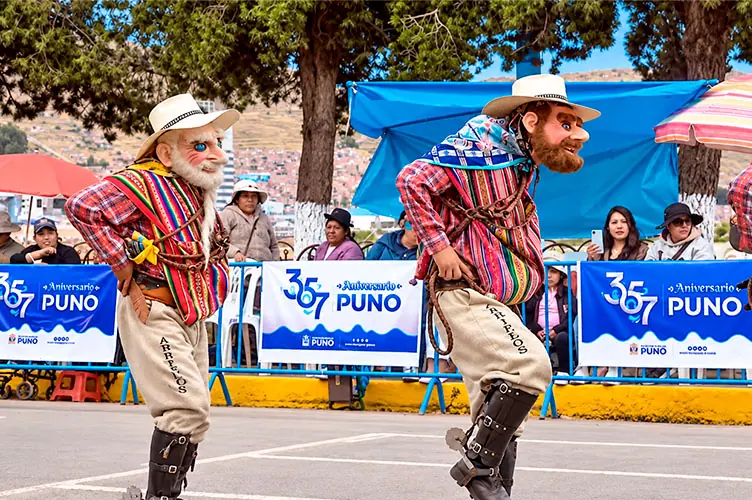
Puno's anniversary is celebrated every November 4. The date traditionally commemorates the city's Spanish foundation in 1668, associated with the Viceroy Count of Lemos, and marks the beginning of a series of cultural, civic, and artistic events.
Although November 4 is the main celebration day, festivities may continue for several days, featuring traditional parades, folkloric performances, fairs, and public events.
In 2026, Puno celebrates its 358th anniversary, offering a special opportunity to discover how local communities preserve and share the traditions of this remarkable Andean region.
Long before becoming a colonial city, the territory surrounding Puno was home to important Andean cultures.
The Colla and Lupaca peoples developed complex forms of social organization, agricultural and livestock practices, and traditions closely connected to Lake Titicaca. Their heritage remains alive in communities throughout the region.
During the colonial period, Viceroy Count of Lemos established Puno as the capital of the province of Paucarcolla on November 4, 1668. The city became known as San Carlos de Puno.
It is worth noting that historians have debated the exact date and circumstances of its Spanish foundation. Nevertheless, November 4 remains the city's traditional anniversary date.
Today, this celebration represents much more than a colonial event. It is also an opportunity to honor Puno's Andean roots and appreciate the cultural expressions that continue to be passed down from generation to generation.
During the anniversary festivities, Puno takes on a different rhythm. Downtown streets become lively gathering places where music brings together performers, families, and visitors.
Some of the most representative activities include folkloric parades, traditional dances, commemorative ceremonies, and artistic performances.
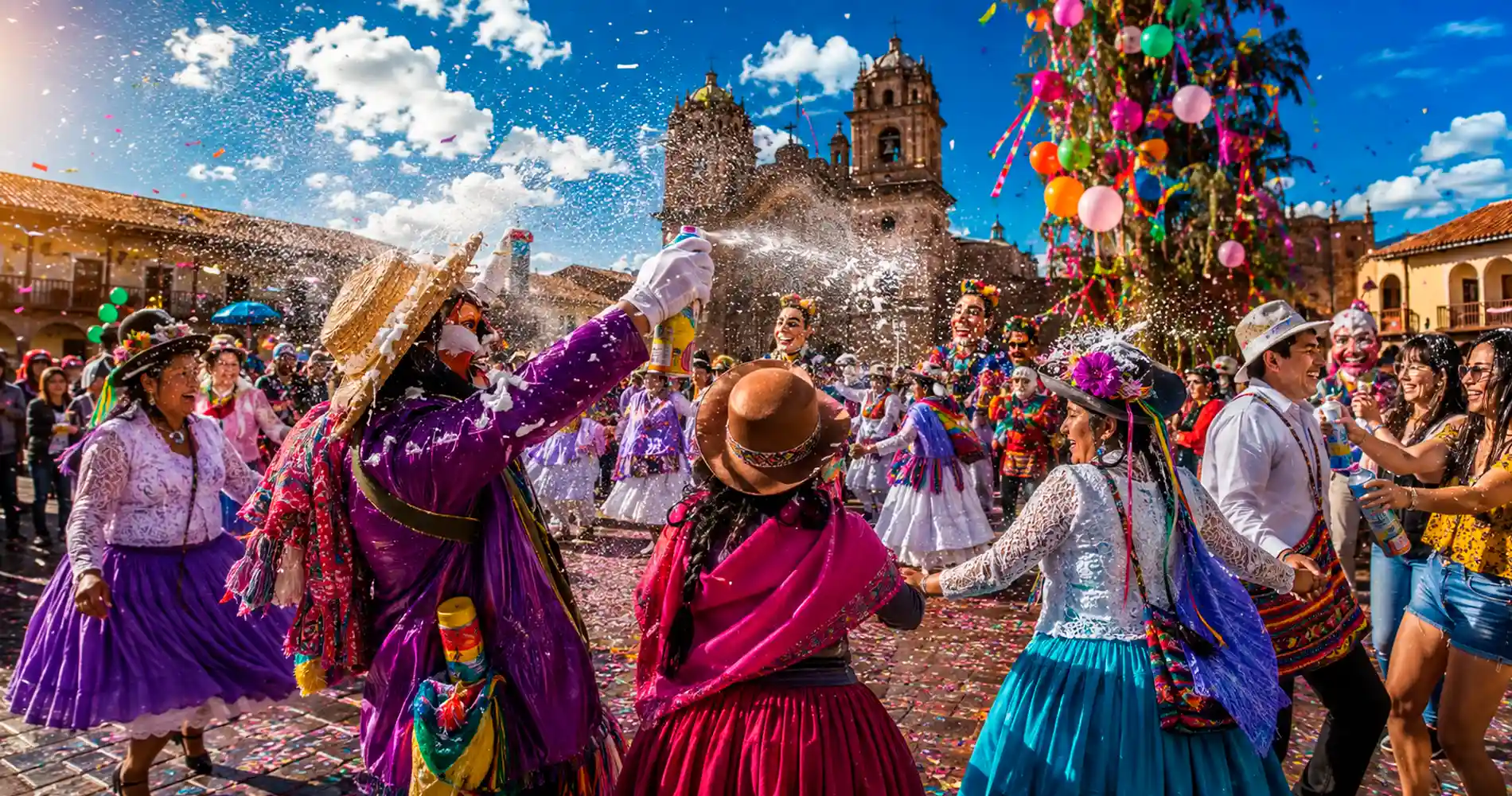
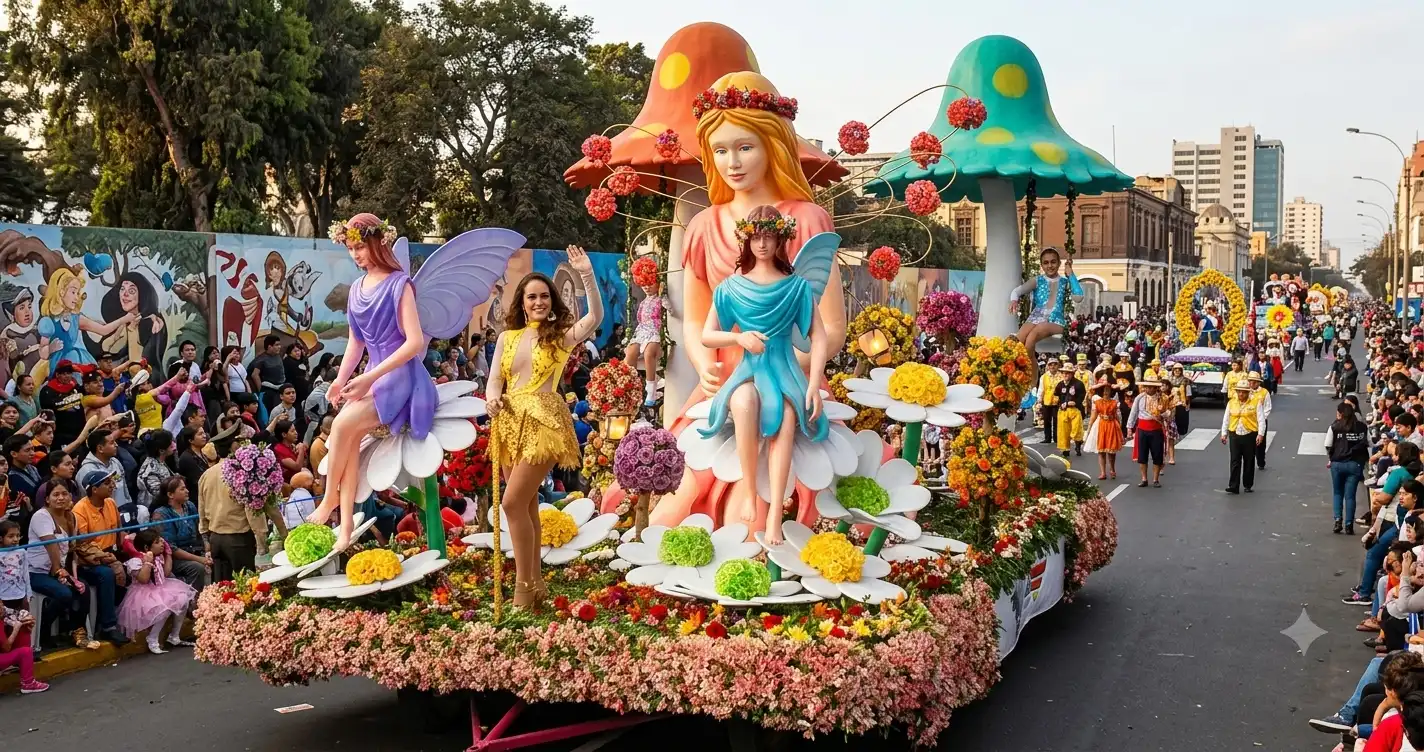
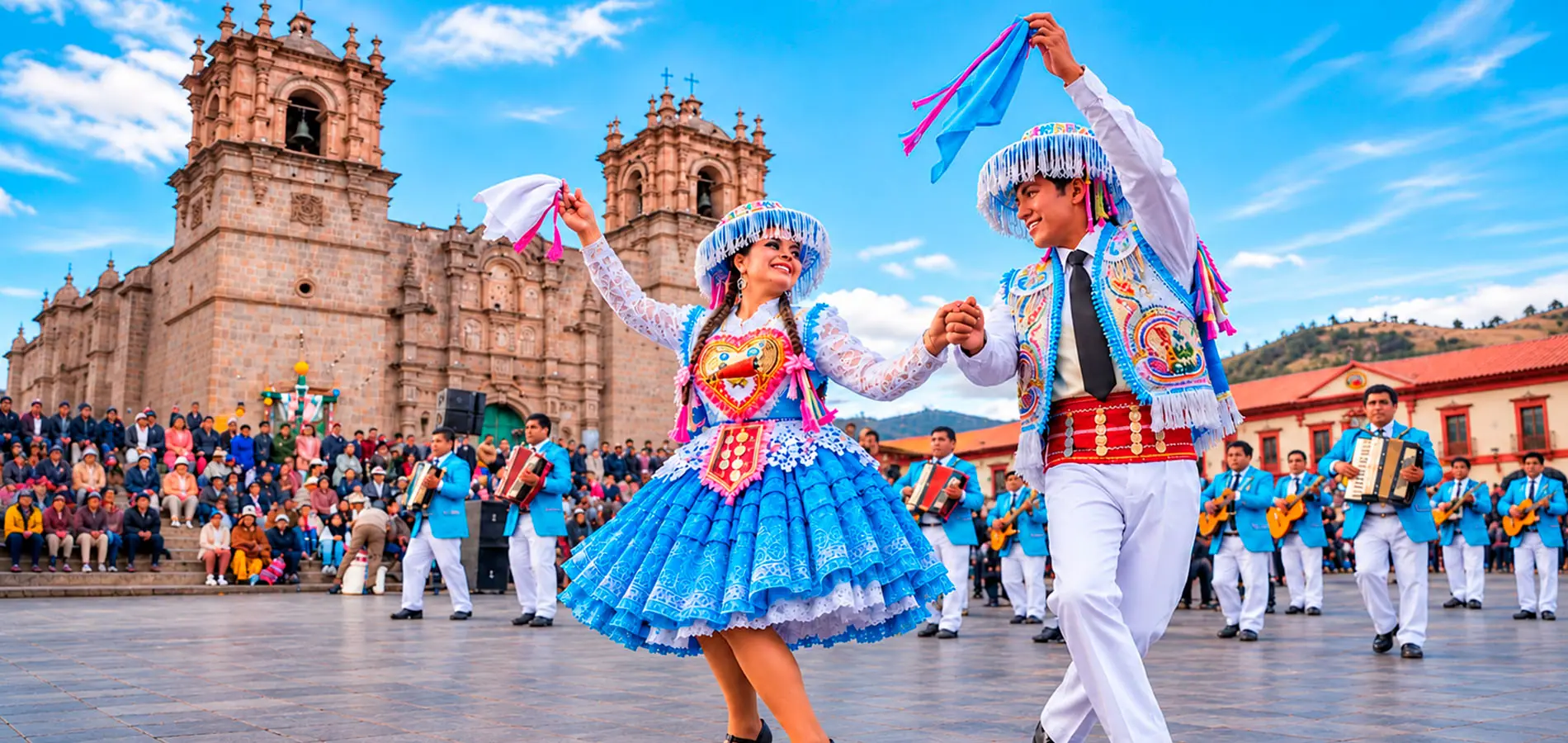
Traditional parades, locally known as pasacalles, are among the most spectacular highlights of the celebrations.
Various groups take part with choreographed performances, traditional musical instruments, and colorful clothing that reflects the identity of their communities.
For visitors, watching a pasacalle is an opportunity to admire the creativity of local embroiderers, experience the music of the Andean highlands, and appreciate the collective effort behind each performance.
La Diablada Puneña: Known for its expressive masks, elaborate costumes, and symbolically rich characters, this is one of the most famous expressions of Puno's folklore.
La Morenada: Its rhythmic movements and intricately designed costumes create a striking visual performance connected to the cultural memory and festive traditions of the Andes.
La Pandilla Puneña: An elegant traditional couples' dance characterized by graceful movements, handkerchiefs, and distinctive musical accompaniment.
Los Sikuris: Musical groups perform traditional melodies using Andean wind and percussion instruments. Their music reflects the importance of community participation in Andean culture.
These performances are part of the region's rich folkloric heritage, although their participation in the parades may vary depending on each year's official program.
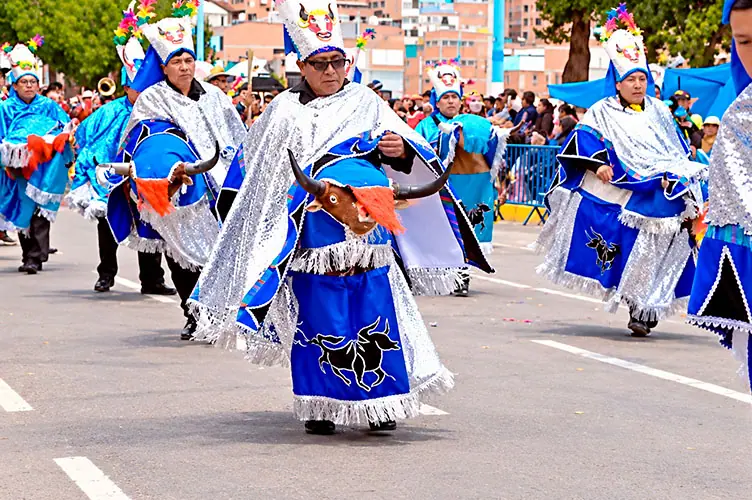
The Serenata a Puno takes place every November 3, on the eve of the city's anniversary.
Artists and folkloric groups gather to pay tribute to Puno, widely known as the Folklore Capital of Peru, during an evening filled with music, joy, culture, and Andean identity.
One of the most symbolic cultural events associated with Puno's anniversary is the reenactment of Manco Cápac and Mama Ocllo emerging from Lake Titicaca.
According to a well-known Inca legend, the Sun God sent this couple to establish a new civilization and share knowledge about agriculture, harmonious living, and social organization.
The performance brings this story to life through characters dressed in ceremonial clothing, traditional music, dances, and representations of ancient Andean customs.
More than just a performance, it offers visitors the chance to discover a legend that holds an important place in the cultural memory of the Altiplano.
The reenactment of Manco Cápac and Mama Ocllo in Puno takes place every November 5.
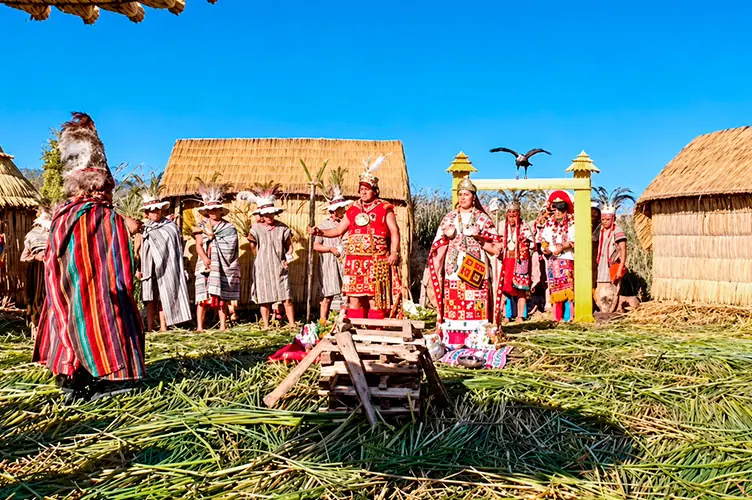
The festivities also typically include civic ceremonies, musical performances, official commemorations, and gatherings organized by local institutions.
The Plaza de Armas and nearby streets are among the main celebration venues, making them ideal places to experience the city's festive atmosphere and discover its different cultural traditions.
Puno is known as the Folklore Capital of Peru because of the extraordinary diversity of dances, rhythms, traditional clothing, and artistic expressions found among its communities.
Here, music is not limited to the stage. It also accompanies family celebrations, religious festivals, community traditions, and important moments in everyday life.
One of its most internationally recognized celebrations is the Festival of the Virgin of Candelaria, inscribed on UNESCO's Representative List of the Intangible Cultural Heritage of Humanity.
Although the Candelaria Festival takes place in February, Puno's anniversary celebrations in November offer another opportunity to experience the region's folkloric richness and understand its importance to local communities.
It is impossible to talk about Puno's identity without mentioning Lake Titicaca.
Its waters have been the setting for ancestral legends, community activities, and traditions that continue to shape the lives of Andean peoples.
For the communities living along its shores and on its islands, the lake is much more than a tourist attraction. It is an essential part of their history, economy, and relationship with nature.
During Puno's anniversary, this connection takes on special meaning through cultural performances that evoke the mythical origins of the Incas.
For travelers, Lake Titicaca also offers the opportunity to meet local communities, discover ancestral techniques, and enjoy the unique landscapes of the Andean highlands.
Traveling to Puno also means discovering its traditional cuisine, deeply connected to Andean ingredients, the high-altitude climate, and culinary knowledge passed down through generations.
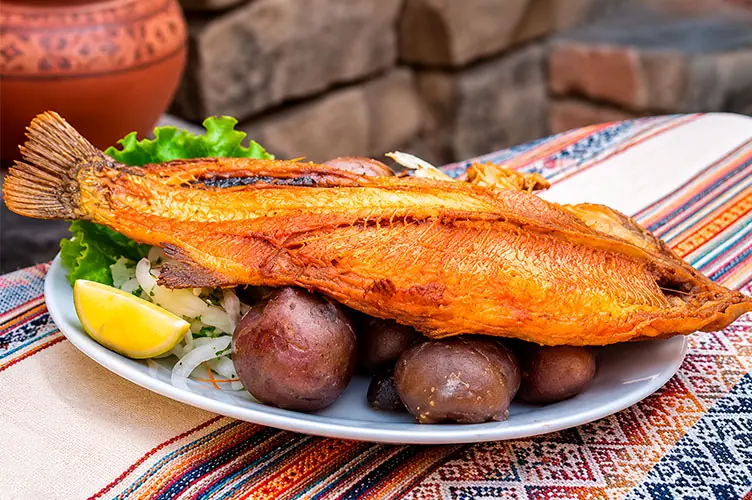
Lake Titicaca Trout: One of the region's best-known dishes, served fried, grilled, or prepared in different styles, usually accompanied by potatoes, rice, or other Andean ingredients.
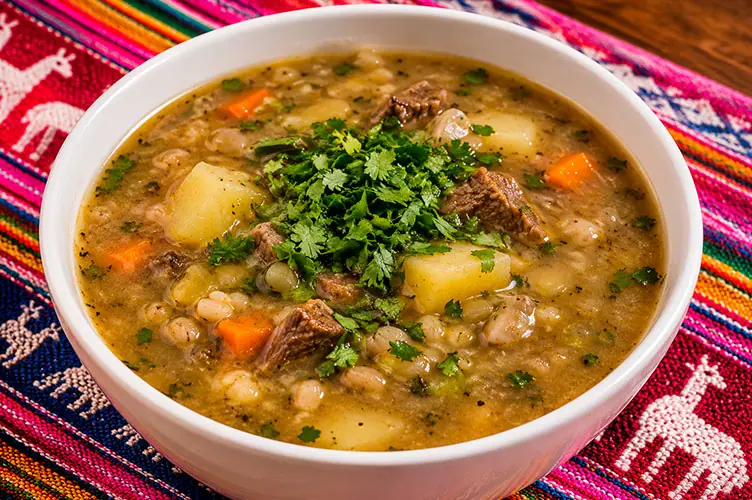
Chairo Puneño: A traditional soup made with ingredients such as chuño (freeze-dried potatoes), fresh potatoes, meat, and vegetables. It is particularly comforting during cold days in the Altiplano.
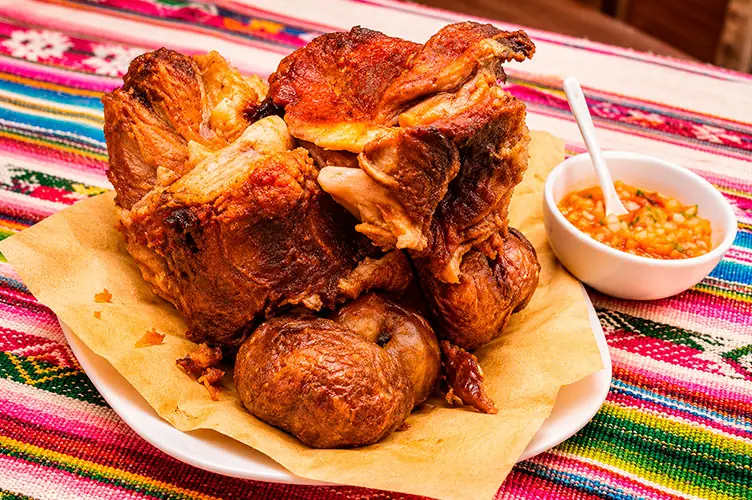
Cancacho: A typical dish made with seasoned, oven-roasted lamb, especially popular in several towns throughout the region.
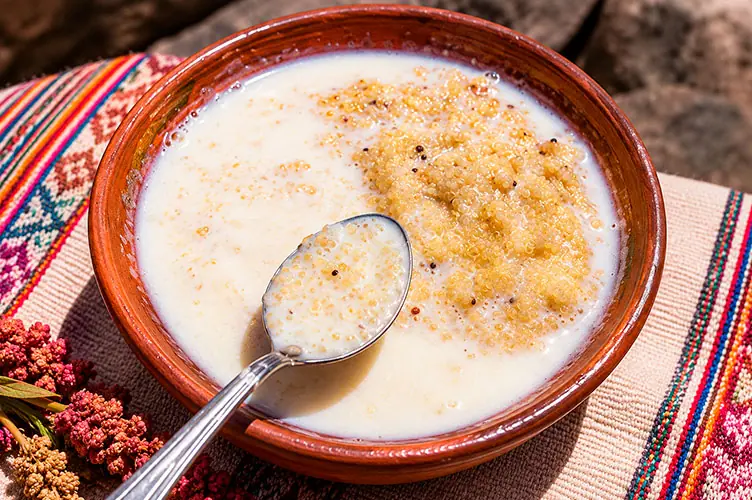
Pesque de Quinua: A traditional dish prepared with cooked quinoa, sometimes served with milk, cheese, or other ingredients depending on local customs.
Quispiño: A traditional quinoa-based food that reflects the ancestral culinary knowledge preserved by Andean communities.
Exploring Puno's gastronomy is also a way to connect with its local ingredients, customs, and culinary traditions.
If you are planning a trip for the anniversary celebrations, you can enrich your experience by visiting some of the region's most important attractions.
Discover the floating islands built from totora reeds and learn how local families preserve traditional construction techniques, navigation practices, and community lifestyles.
Famous for its traditional textile art, recognized by UNESCO as intangible cultural heritage, Taquile is an excellent destination for discovering local craftsmanship and community organization.
Enjoy an authentic community-based tourism experience through family homestays, traditional meals, and walks to the island's scenic viewpoints.
An archaeological site known for its ancient funerary towers, called chullpas, located beside Lake Umayo. It combines pre-Hispanic history with beautiful Andean landscapes.
Explore the Plaza de Armas, admire the Cathedral, and stroll through the streets where many of the anniversary celebrations take place.
Puno's anniversary can be an excellent opportunity to discover the region, but it is worth planning a few details in advance.
Practice responsible tourism. Respect local ceremonies, ask permission before photographing people, and appreciate the work of local communities.
Book your accommodation early. Demand for hotels and guesthouses may increase during the festivities.
Acclimatize to the altitude. Puno is located approximately 3,827 meters (12,556 feet) above sea level. Take time to rest when you arrive and avoid strenuous physical activity during your first few hours.
Pack warm and waterproof clothing. Mornings and evenings can be cold, and November may bring rainfall.
Use sun protection. Bring sunscreen, sunglasses, and a hat.
Check the official event schedule. Parade routes, performances, and event times may change.
Travel responsibly. Respect cultural ceremonies, ask permission before taking photographs, and support the traditions and livelihoods of local communities.
Absolutely, especially if you are interested in experiencing the living culture of the Andes.
Puno's anniversary offers the chance to discover the city during one of its most culturally vibrant periods. Music, traditional dances, historical reenactments, and local cuisine provide a deeper understanding of the Altiplano beyond its spectacular landscapes.
You can also take advantage of your visit to explore Lake Titicaca, meet the communities living on its islands, and discover fascinating archaeological sites.
The experience brings together history, tradition, and meaningful encounters with people who continue to keep Puno's cultural identity alive.
Puno's anniversary is celebrated every November 4, a date that traditionally commemorates the city's founding events in 1668.
Puno commemorates its 358th anniversary on November 4, 2026.
The celebrations usually include traditional parades, folkloric dances, civic ceremonies, musical performances, and cultural events. The exact schedule varies each year.
It represents an Inca legend associated with the mythical origins of the Incas at Lake Titicaca.
Yes. It is generally possible to visit the Uros Floating Islands, Taquile Island, and Amantaní Island, provided weather conditions and tourist services allow it.
Pack warm clothing, layers, comfortable walking shoes, a waterproof jacket, and sun protection.