Creole Song Day: History, Tradition, and Pride in Peruvian Music
14 de August de 2026
Music has that almost magical ability to preserve a country's memory. In Peru, where every region has its own voice, few rhythms can awaken the pride and nostalgia of the coast as powerfully as Peruvian criollo music.
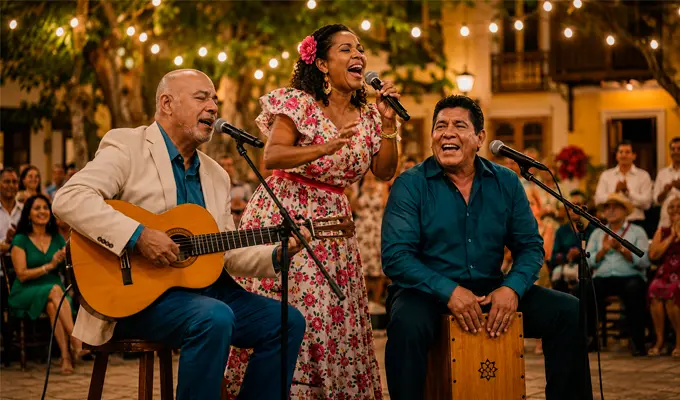
Every October 31, homes, neighborhoods, and peñas come alive with the sound of the cajón and the sweet cry of the guitar to celebrate Creole Song Day. It is a living tribute to the soundtrack that has shaped our lives: Sunday family lunches, endless gatherings, heartfelt embraces, and the joy of sharing a good meal together.
Talking about criollismo means talking about a unique cultural embrace. It is the feeling of the Peruvian waltz, the playfulness of the festejo, the rhythmic interplay of the callejón, the elegance of the marinera, and the lively rhythm of the polka. These styles emerged from a blend of Spanish, African, and Indigenous influences that, over time and in the hands of our people, shaped an identity with a character of its own.
But how did this feeling really come about? Why do we mark October 31 on the calendar? Who are the great masters who gave voice to our people, and which corners of Lima still preserve that authentic jarana today? Take a seat and join us as we discover the history of the tradition that makes us sing with our hearts on our sleeves.
Important Facts About Creole Song Day
Fact
Information
Date
October 31
Country
Peru
Origin of the celebration
1944
Genres
Waltz, festejo, marinera, polka, and landó
Instruments
Peruvian cajón and guitar
Featured locations
Lima and Callao
Notable representatives
Felipe Pinglo, Chabuca Granda, Lucha Reyes, and others
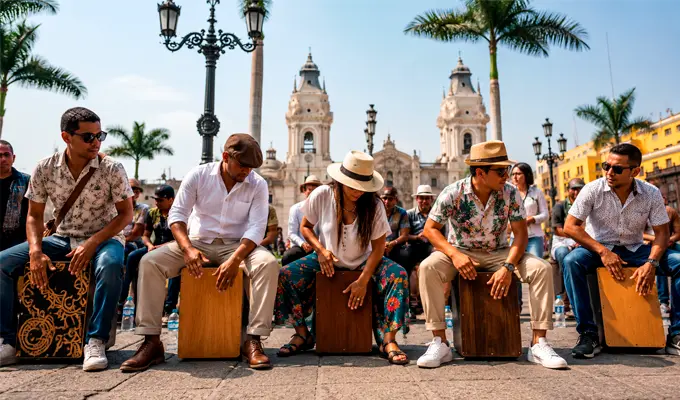
People playing the cajón
What Is Peruvian Criollo Music?
Peruvian criollo music is much more than a collection of rhythms: it is the living expression of the coast, born from a fascinating intersection of histories and cultures. Over time, Indigenous traditions, the elegance of European influences, and the vibrant pulse of African heritage came together in streets, alleyways, and plazas, blending to create an unmistakable musical identity.
This deeply emotional cultural fusion gave rise to a rich and diverse musical universe featuring iconic rhythms such as:
Peruvian Waltz: The elegance, romanticism, and touch of nostalgia that is sung straight from the heart.
Marinera: The ultimate expression of gallantry, playfulness, and skill in partner dancing.
Festejo:Pure energy, rhythm, and joy, where the beat of the cajón sets the pace and keeps everyone on their feet.
Peruvian Polka:Lively, cheerful, and dynamic, perfect for bringing any gathering to life.
Landó: With a smooth, elegant, and profound cadence, deeply infused with Afro-Peruvian heritage and memory.
Zamacueca: The passionate historical predecessor that laid the foundations for courtship dances along the coast.
Each one has its own nuances, personality, and history, but they all share the same heartbeat: the soul of the criollo tradition.
Why Is Creole Song Day Celebrated?
Every October 31, Peru dresses up its guitars and cajones to celebrate Creole Song Day, one of the most heartfelt dates on the country's cultural calendar.
Its origins date back to 1944, when President Manuel Prado Ugarteche officially established the celebration with a clear purpose: to give official recognition to a musical tradition that emerged from working-class neighborhoods, alleyways, and jaranas, giving it the place it deserved as a pillar of national identity.
What began as a formal tribute quickly became a celebration of the people. Since then, every last day of October has become the perfect occasion to remember the golden voices and gifted writers who shaped our musical history, singing aloud those lyrics we all know by heart and keeping alive a tradition proudly passed down from generation to generation.
History of Peruvian Criollo Music
The history of criollo music cannot be understood without the pulse of its cities, especially Callao and the traditional neighborhoods of Lima.
Throughout the 19th and 20th centuries, the magic happened in everyday life: in narrow alleyways, the balconies of old mansions, neighborhood celebrations, and musical clubs. It was within this coexistence that European influences, Afro-Peruvian rhythms, and Andean sensibilities came together to create a completely new musical language.
Amid this cultural melting pot, the criollo waltz found its golden place. It went from being performed at intimate gatherings in Rímac and Barrios Altos to becoming the poetic and sentimental voice of the entire capital.
Little by little, inspired composers and gifted singers shaped an immortal repertoire, allowing music that was born in the intimacy of the neighborhood to make its way onto the radio, into major theaters, and eventually into the hearts of people throughout the country.
The Peruvian Waltz: A Symbol of Criollo Culture
Within this festive universe, the Peruvian waltz deserves special recognition. It was born under the influence of the European waltz, but Peruvians made it their own, giving it neighborhood spirit, emotion, and rhythm until it became the musical reflection of Lima and the Peruvian coast.
Unlike its courtly origins, the lyrics of the Peruvian waltz focus on everyday life and experiences we all share:
Love and heartbreak:Passionate stories, undelivered letters, and unforgettable romances.
Nostalgia and neighborhood life:Memories of childhood, old-time street corners, historic mansions, and streets that have changed over the years.
Family and sharing a meal:The importance of grandparents, mothers, sincere friends, and the warmth of home.
Pride in one's homeland:A deep love for Peru, its traditions, and its people.
And when it comes to giving these songs their soul, there is an unbeatable duo: the guitar and the Peruvian cajón.
The Peruvian Cajón: The Heartbeat of Our Tradition
It is impossible to talk about a criollo gathering without hearing the resounding beat of the Peruvian cajón. This percussion instrument, born from the ingenuity, resilience, and talent of the Afro-Peruvian community, is the true rhythmic heart of criollo music.
With its dry, deep, and distinctive sound, the cajón sets the pulse of celebrations, supports the rhythm of marineras, and gives waltzes their unmistakable "flavor." Today, this treasure of Peruvian identity has transcended borders: its versatility has captivated musicians around the world, and it is proudly played on international stages, carrying the sounds and history of Peru to every corner of the planet.
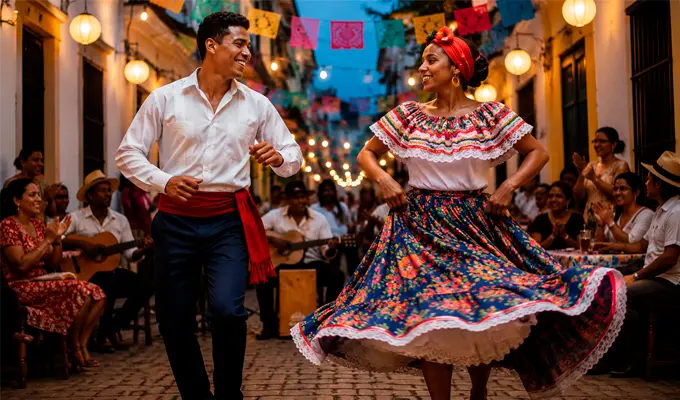
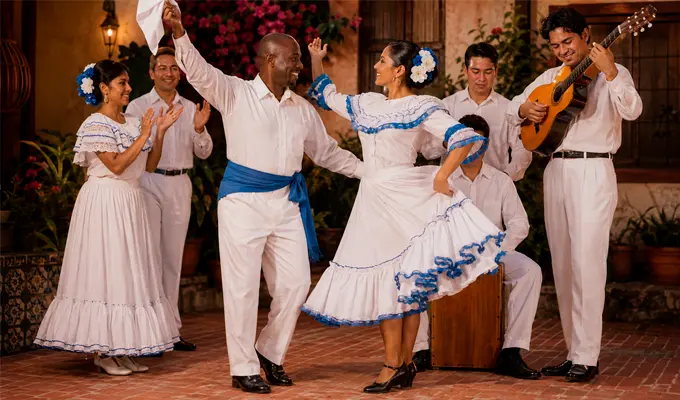
FestejoPeruvian Waltz
Main Genres of Criollo Music
Peruvian waltz: The backbone of criollo music. It stands out for its elegant rhythm and profound lyrics that celebrate love, nostalgia, neighborhood life, and longing for times gone by.
Festejo:A true celebration of Afro-Peruvian heritage. Its vibrant and contagious rhythm, driven by the beat of the cajón and the donkey jawbone, invites everyone to dance with playfulness, energy, and freedom.
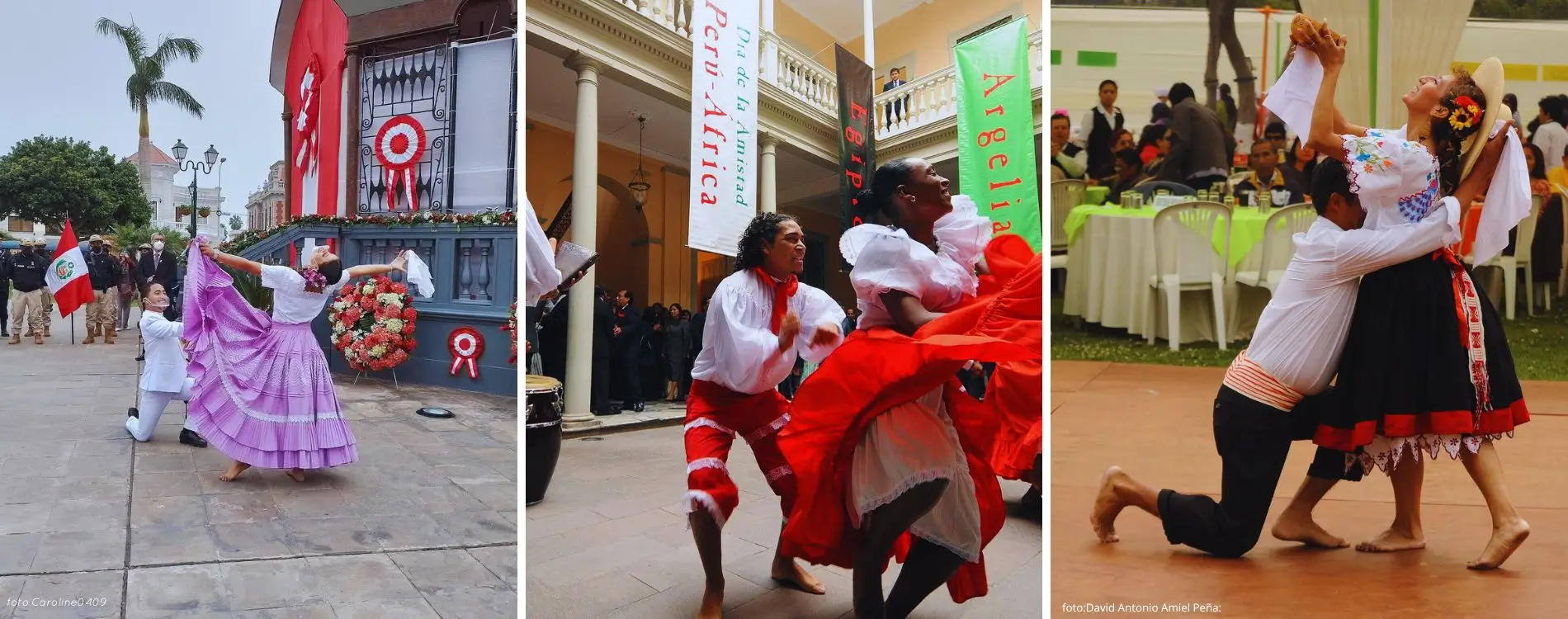
Lima Marinera:Grace and elegance transformed into dance. It represents a playful exchange between partners, where waving handkerchiefs, graceful movements, and the interplay of guitars showcase the skill of criollo culture.
Peruvian Polka:Inherited from 19th-century Europe, the polka took root in Lima's neighborhoods and developed a unique criollo character: dynamic, cheerful, and highly festive.
Landó: One of the most beautiful and melancholic treasures of Afro-Peruvian heritage. With its slow and flowing rhythm, its chords preserve the memory, history, and profound sensuality of Peru's coastal culture.
Great Representatives of Criollo Music
Felipe Pinglo Alva: The "Immortal Bard" of Barrios Altos. He revolutionized the waltz by giving a voice to the people and portraying everyday life with profound sensitivity. His masterpiece, “El Plebeyo”, is an enduring anthem of our history.
Chabuca Granda: Elegance transformed into poetry. She renewed criollo music with a unique sophistication, singing about the Lima of bygone days. “La flor de la canela” is her most celebrated legacy and Peru's musical introduction to the world.
Immortal Legends
Criollo music also preserves the powerful voice of Lucha Reyes, the masterful guitar playing of Don Óscar Avilés, the heartfelt performances of Arturo “Zambo” Cavero, the majestic voice of Jesús Vásquez, and the strength of Eva Ayllón voices that taught an entire country how to sing.
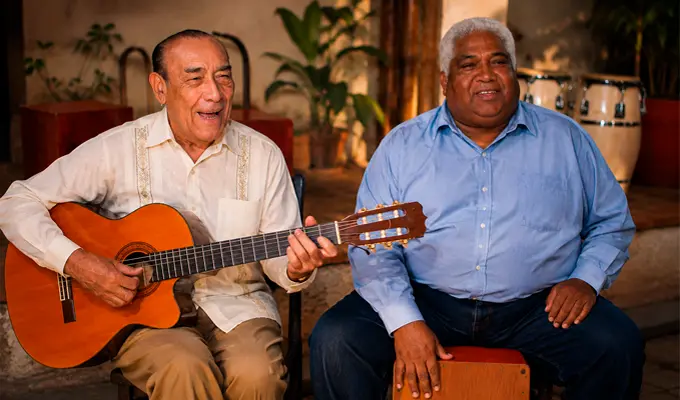
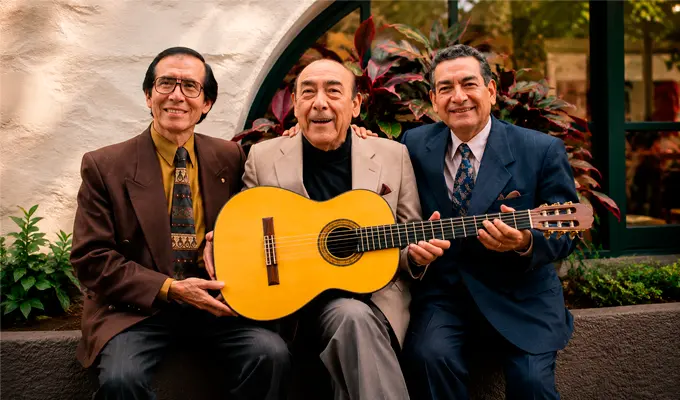
Zambo Cavero and his friend
How Is Criollo Music Day Celebrated?
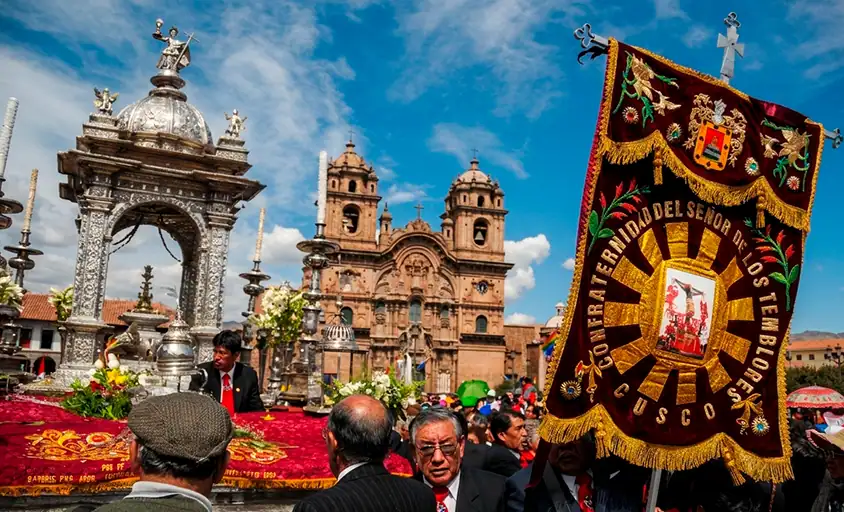
When October 31 arrives, the entire city transforms. Whether it takes place in the grand dining room of a renowned restaurant, the warmth of a family courtyard, or the cozy atmosphere of a neighborhood peña, Peru comes together to make its music ring out.
On this festive night, it is impossible not to be swept up by the energy that fills every corner:
Jaranas and intimate peñas: Places where the distance between musicians and audience disappears, allowing everyone to sing at the top of their lungs, shoulder to shoulder, to the rhythm of the guitar.
A rhythmic dialogue between cajóns and guitars: That magical moment when old-fashioned waltzes send chills down your spine and invite you to remember those who are no longer with us.
The footwork of the festejo and the grace of the marinera:Colorful performances filled with flair, elegance, and skill that get everyone out of their seats.
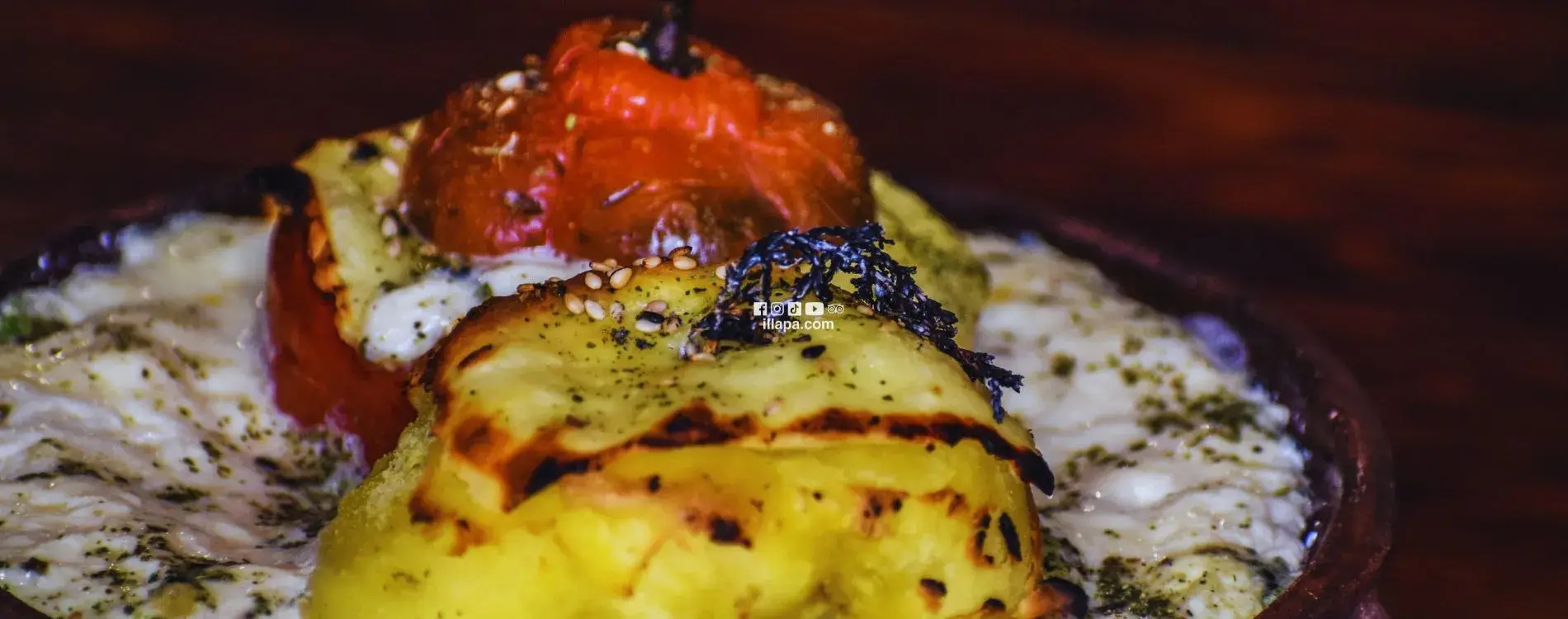
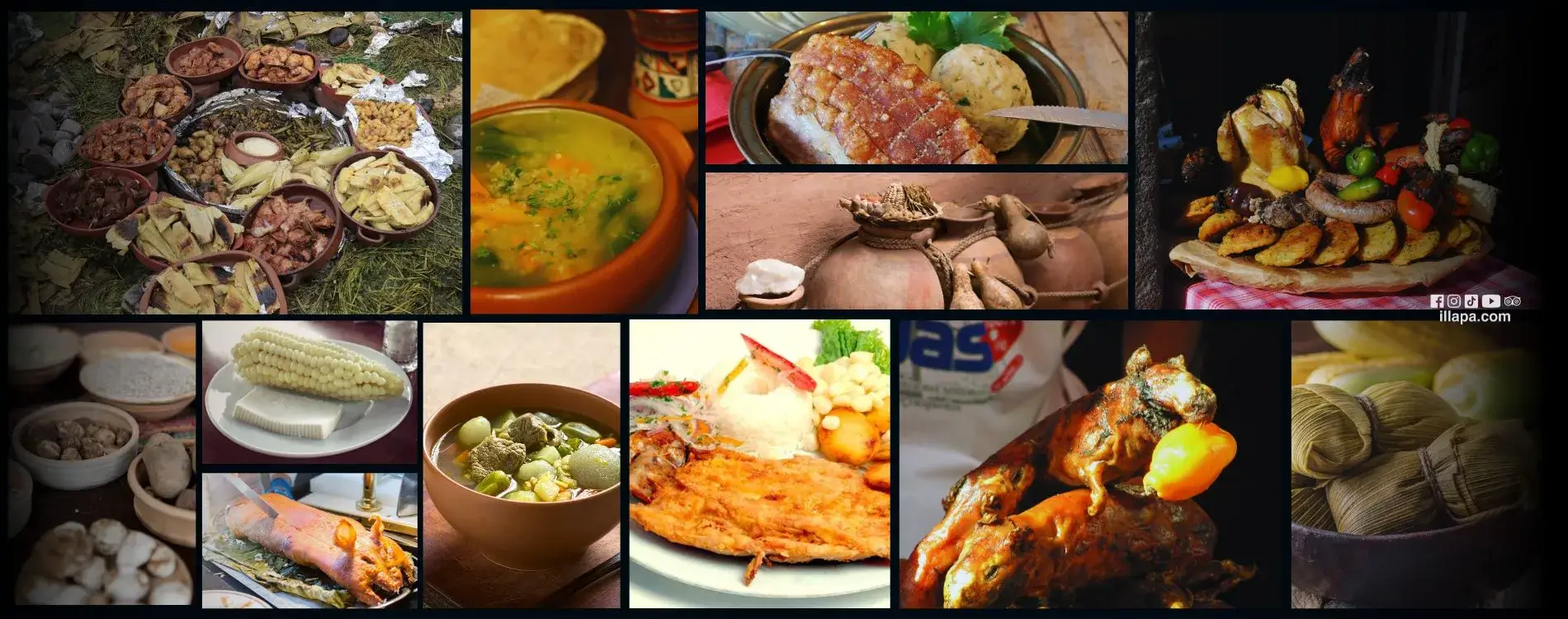
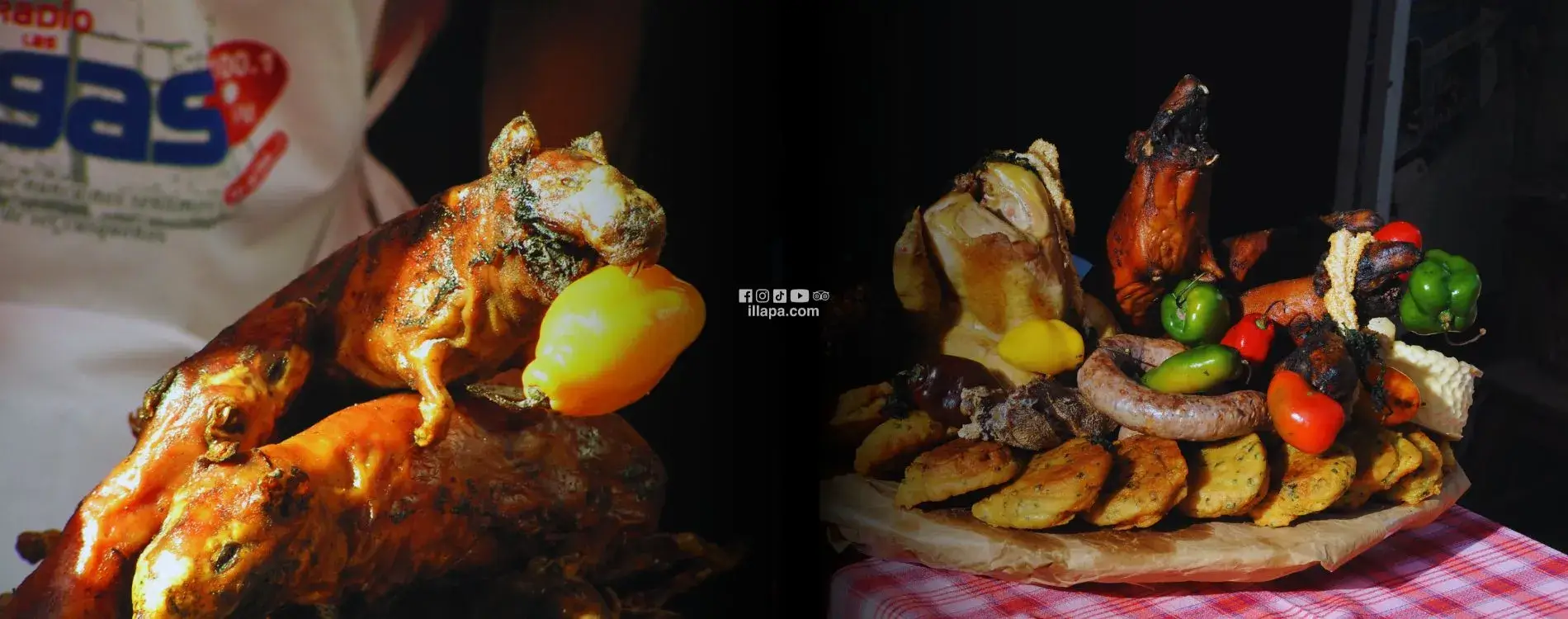
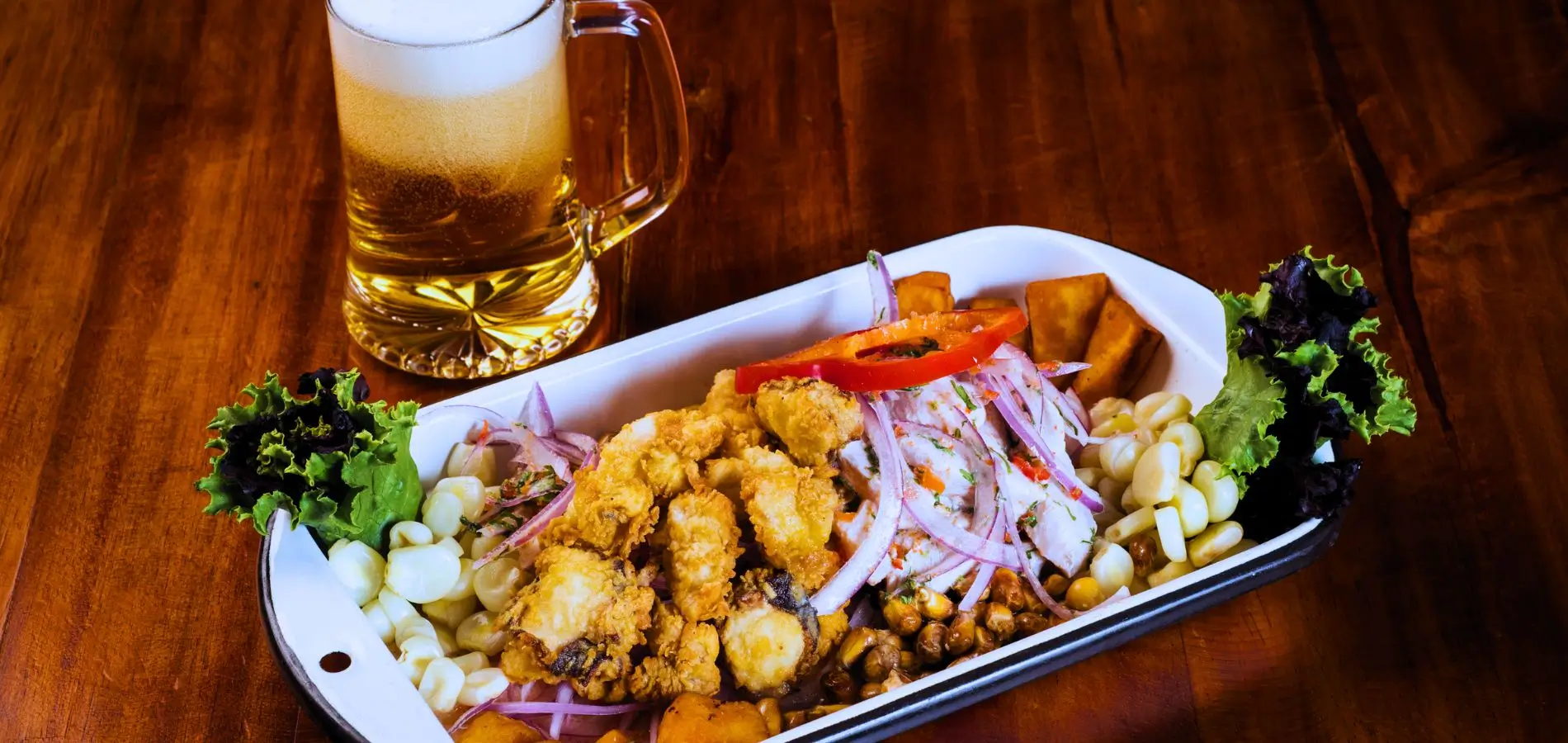
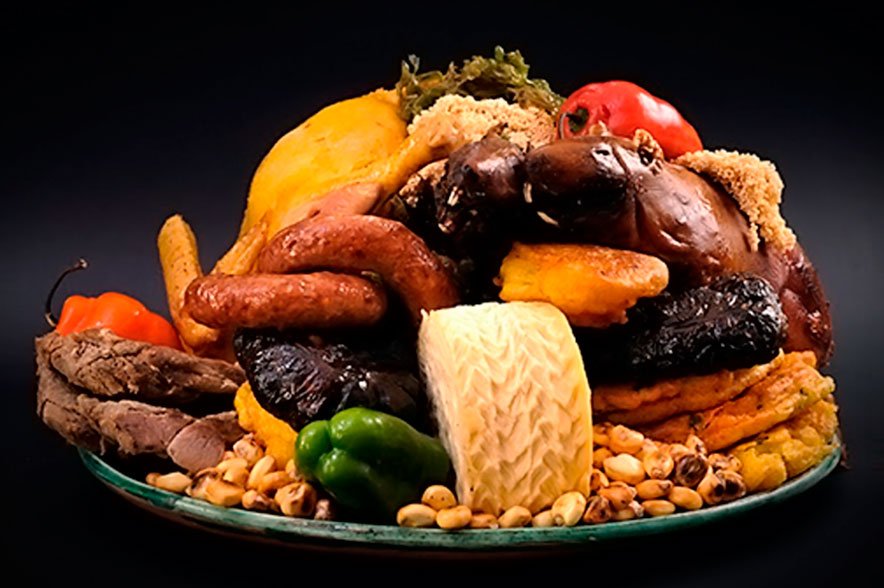
The flavors of criollo cuisine: Music is enjoyed alongside delicious food, such as freshly grilled anticuchos, spicy guinea pig, or hot picarones drizzled with chancaca syrup.
Family reunions: Those gatherings at home where older relatives bring out the guitar they have kept stored away, while younger generations learn the steps of the polka.
Throughout all this celebration, criollo peñas take center stage. They are temples of Peruvian identity where live music surrounds you, food brings comfort, and tradition embraces you, proving that criollo culture is not something from the past, but a feeling that continues to evolve and be joyfully celebrated today.
Criollo Music and Peruvian Cuisine
Talking about Criollo Music Day inevitably means talking about the Peruvian dining table as well. After all, a good jarana is never complete without a well-served dish at the center of the table to share between drinks and songs.
Music lifts the spirit, but criollo cuisine completes that warm embrace that brings family and friends together around a shared feeling. During this celebration, kitchens fill with unmistakable aromas that add flavor to the festivities:
Anticuchos de corazón: The aroma of ají panca and chicha de jora over glowing charcoal is the official announcement that the jarana has begun.
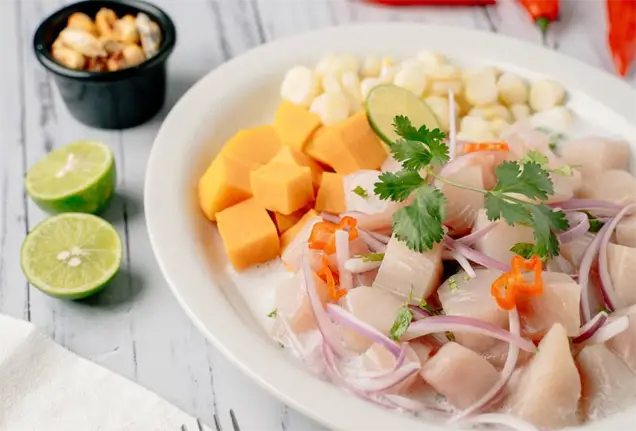
Causa limeña:Fresh and smooth, with just the right touch of yellow chili and lime to whet the appetite before joining in the singing.
Ají de gallina:Patiently shredded, creamy, and filled with that comforting homemade flavor that warms the soul.
Lomo saltado: The perfect combination of high heat with onions, tomatoes, and criollo seasoning that makes everyone's mouth water.
Warm Picarones: Those golden, crispy rings covered in plenty of chancaca syrup infused with fig and fig leaves are an essential way to end the night.
Suspiro a la Limeña: A sweet, smooth, and elegant treat that fills the heart with the purest taste of tradition.
That unbreakable fusion of the guitar's strumming, the beat of the cajón, and a steaming dish on the table makes October 31 more than just a festive date. It becomes a true sensory experience where Peruvian identity is celebrated, sung, and savored with a joyful heart.
Criollo Music
Where to Enjoy Criollo Music in Lima
If you are in Lima on October 31, there is no better way to experience this celebration than by exploring the places where criollo tradition took root and where the cajón continues to resonate on every corner:
Barranco: It is the bohemian district par excellence and home to countless peñas, Republican-era mansions, and corners that have inspired some of the greatest figures in Peruvian music. Walking through its illuminated streets on San Juan or Criollo Music Day means discovering live music, traditional bars, and an incomparable artistic atmosphere.
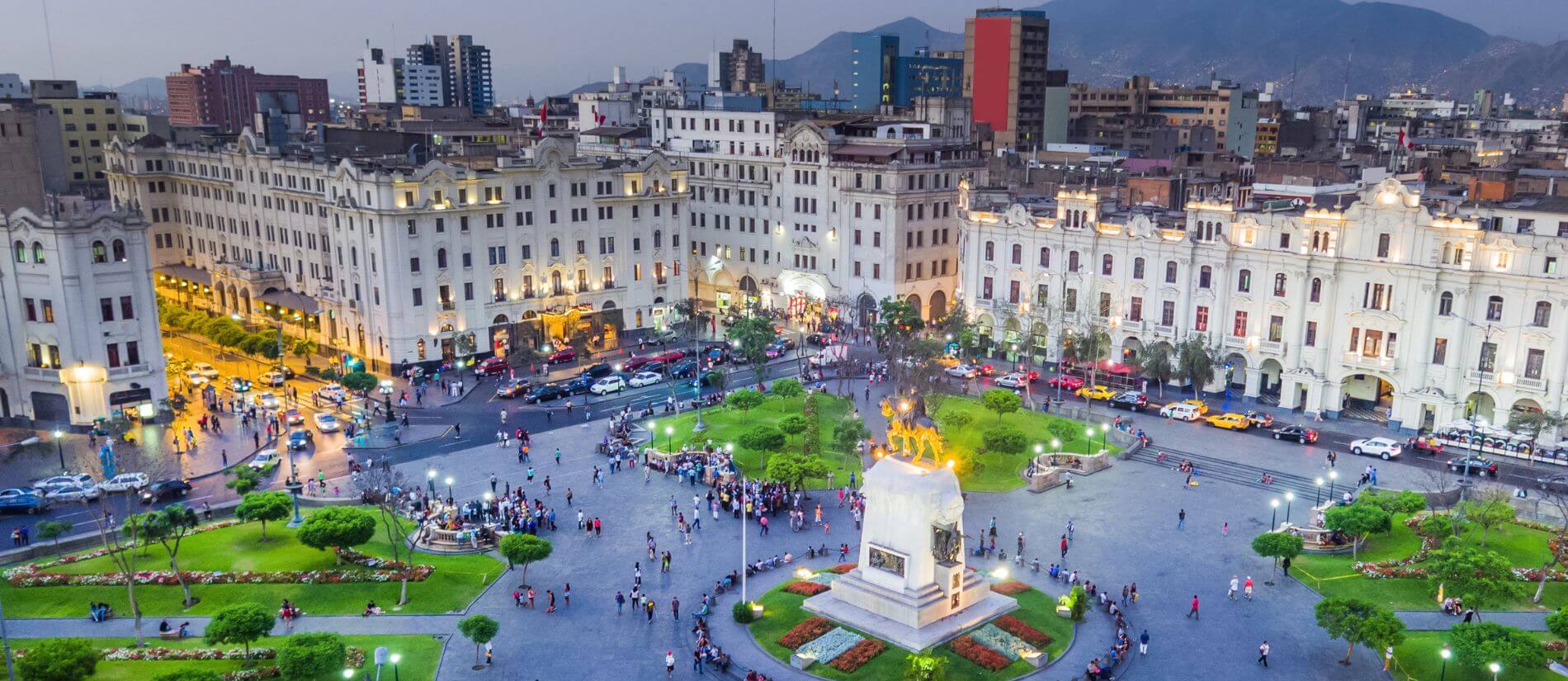
Lima's Historic Center and Barrios Altos: This is the true birthplace of criollo culture. Walking through its streets, plazas, and old alleyways is like traveling back in time to the origins of neighborhood jaranas. Here, the waltz was born from everyday life, and traditional peñas continue to preserve its authentic flavor and playful spirit.
Callao: The port has a unique musical pulse, shaped by a deep sense of criollo and Afro-Peruvian pride. Its historic neighborhoods and cultural centers have a special energy: here, music is not merely heard—it is experienced with strength, elegance, and an unmistakable port-city spirit.
What to Do During Criollo Music Day
If you want Criollo Music Day to be the perfect excuse for an unforgettable getaway through Lima, here is a simple route to experience it like a true local:
Give in to the charm of a peña: There is no better way to experience the tradition than firsthand. Visit a traditional peña where the guitar and cajón are played just inches from your table; the energy of the footwork, live voices, and enthusiastic audience will draw you in instantly.
Walk through historic streets: Spend an afternoon exploring the bohemian charm of Barranco, wandering among the churches and balconies of the Historic Center, or experiencing the vibrant character of Callao. Every corner holds echoes of the old neighborhood jaranas.
Sit down and enjoy a leisurely meal: Pair the jarana with exactly what the occasion calls for: a generous plate of sizzling anticuchos, creamy ají de gallina, and, of course, warm picarones drizzled with chancaca syrup to finish on a perfect note.
Create your own playlist: A few days before boarding your flight or heading out into the streets, press play on the great masters. Familiarizing yourself with the rhythm of a good waltz, the playful exchange of a marinera, or the energy of the festejo will make it even more special when you hear them live and sing along from the heart.
Frequently Asked Questions About Criollo Music
When is Criollo Music Day celebrated? The main celebration takes place on October 31. On this day, Peru comes together to sing its finest waltzes and celebrate with jaranas from north to south.
When did this celebration begin? Its history began in 1944, when it was officially established to pay tribute to and give the recognition it deserved to music born in the neighborhoods and alleyways of Peru's coast.
What is the leading genre of criollo music? The Peruvian waltz is the undisputed heart of this tradition. Born in the streets of Lima, it is the genre that best expresses love, nostalgia, and memories of neighborhood life.
Who is the great figure of criollo songwriting? The master Felipe Pinglo Alva. Known as "The Immortal Bard," his lyrics brought poetry, soul, and social commentary to the waltz, forever changing the history of Peruvian music.
Which instruments give criollo music its distinctive sound? The golden duo consists of the criollo guitar and the Peruvian cajón. They are sometimes joined by spoons, handclaps, and double bass to complete that unmistakable rhythm that invites you to sing and dance.
Where can you experience and listen to this music live? The best places are criollo peñas, as well as traditional restaurants, cultural centers, and plazas. If you are in Lima, Barranco, the Historic Center, and Callao are must-visit stops for experiencing the celebration up close, especially on the night of October 31.
Leave us your answer or if you have any questions, ask us.
Related Blogs
Learn more with our blogs about Cusco and discover routes, tips, and unique experiences. Find the perfect guide to plan your next trip and explore Cusco’s attractions safely.
We are a Cusco-based company with a presence in the cities of Lima, Puno, and Arequipa. We have a solid and experienced team, and we are focused on serving and satisfying all our customers.