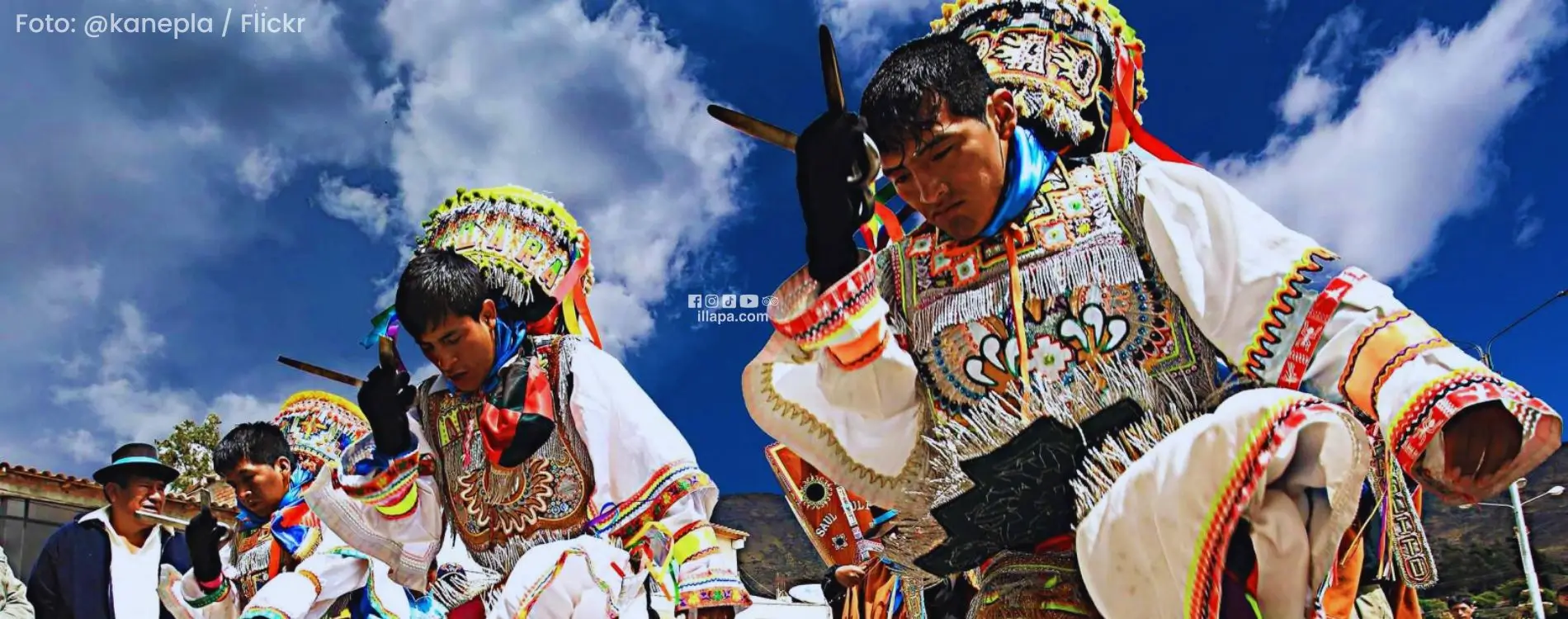
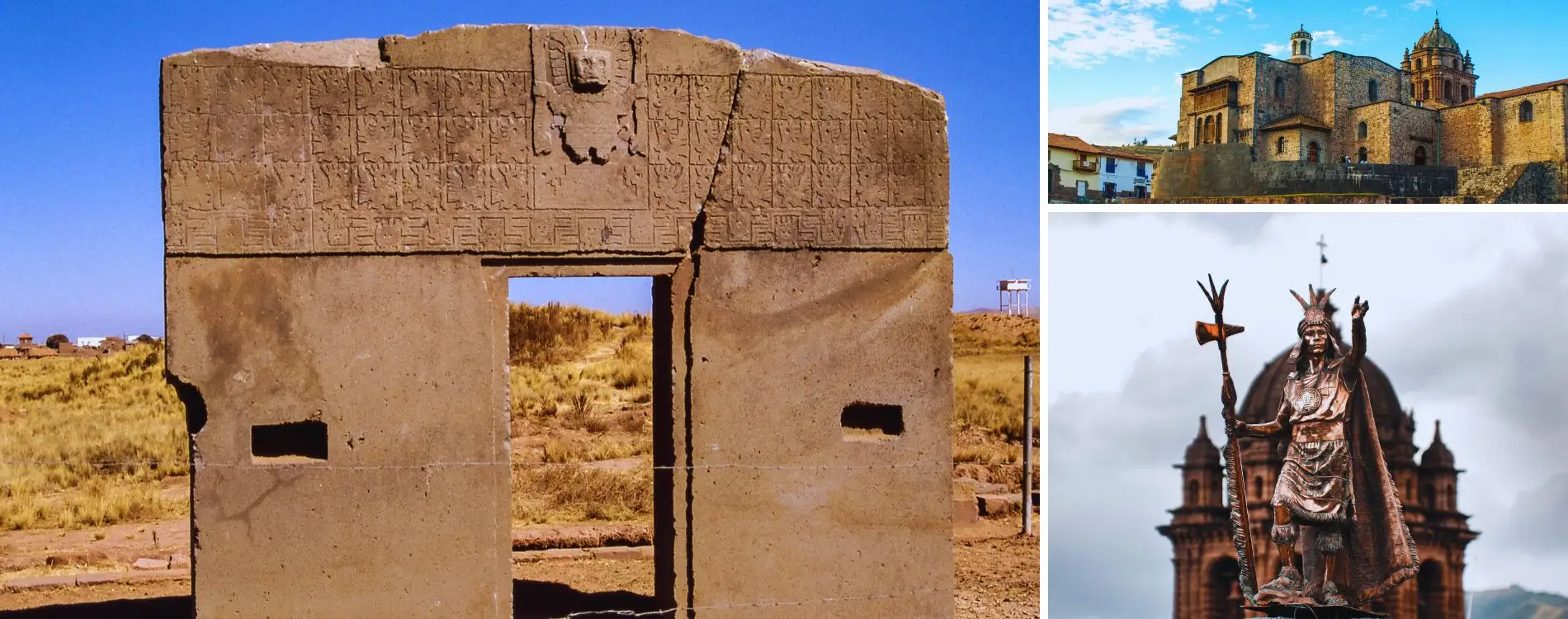
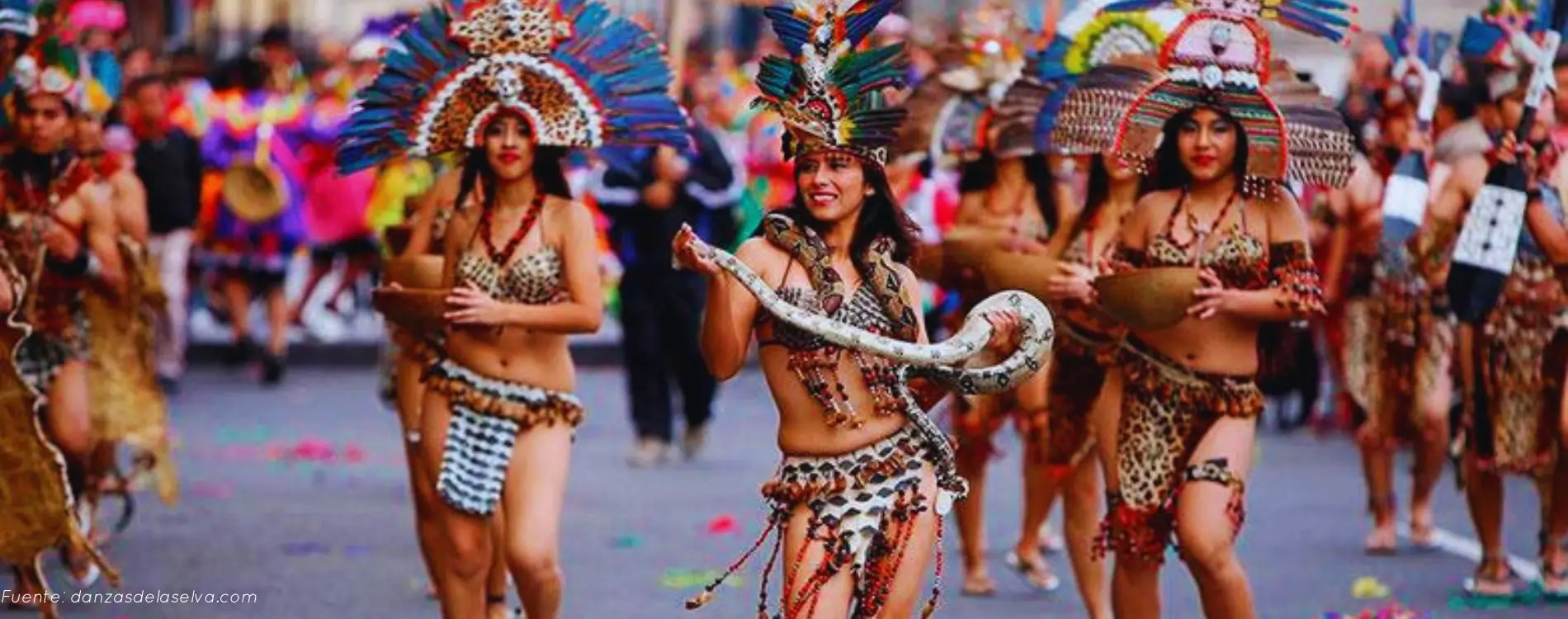
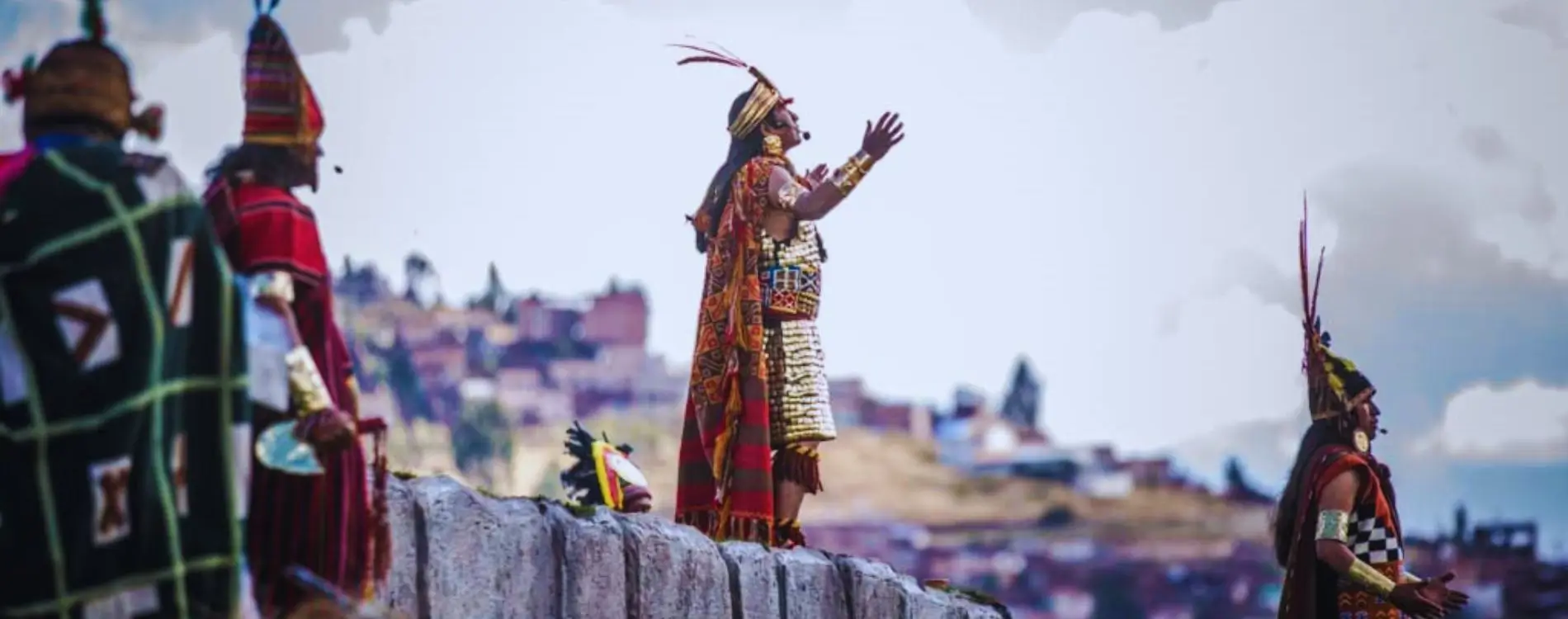
Carnivals in Peru: Tradition, Music, and Color in Cajamarca, Cusco, and Ayacucho
11 de August de 2026
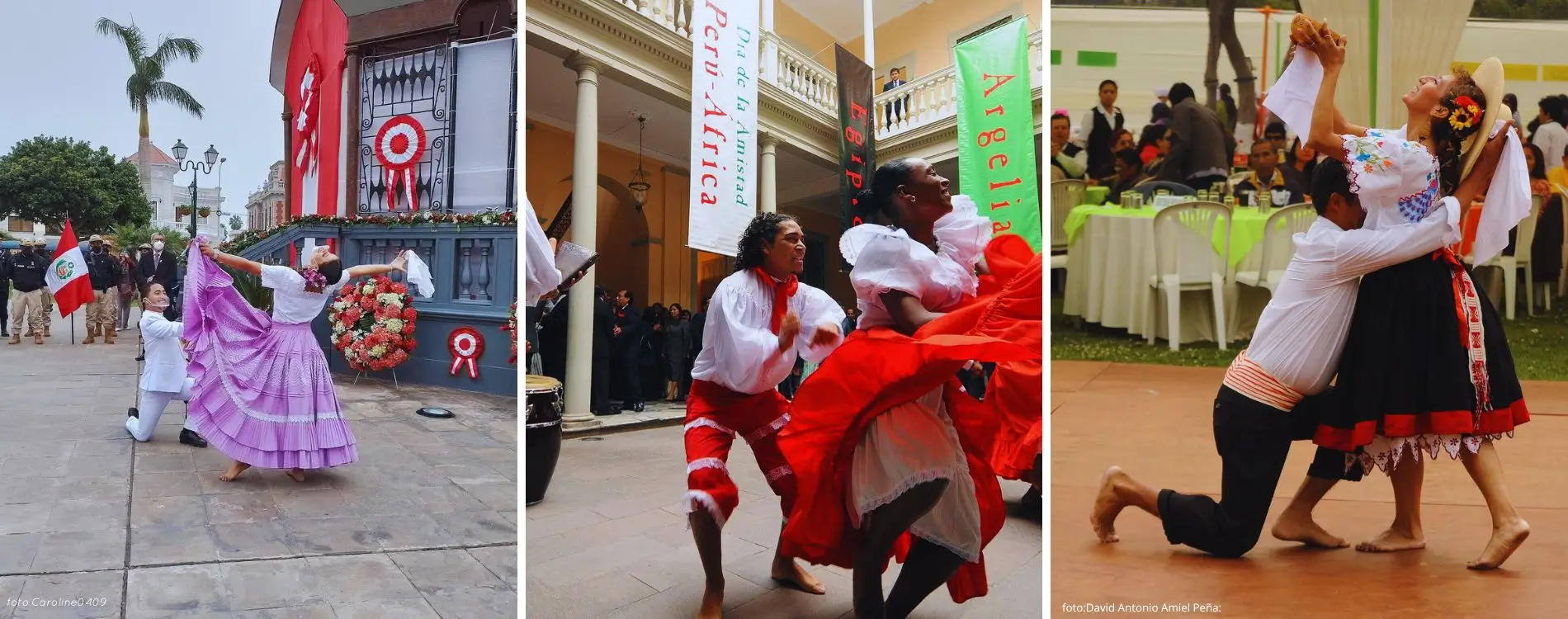
Between February and March, Carnival transforms the streets of Peru with music, parades, costumes, and the traditional water games. This festival blends colonial customs with the Andean tradition of giving thanks to Pachamama for the harvests, becoming one of the most joyful expressions of the country's cultural heritage.
Although Carnival is celebrated throughout the country, three destinations stand out for their traditions:
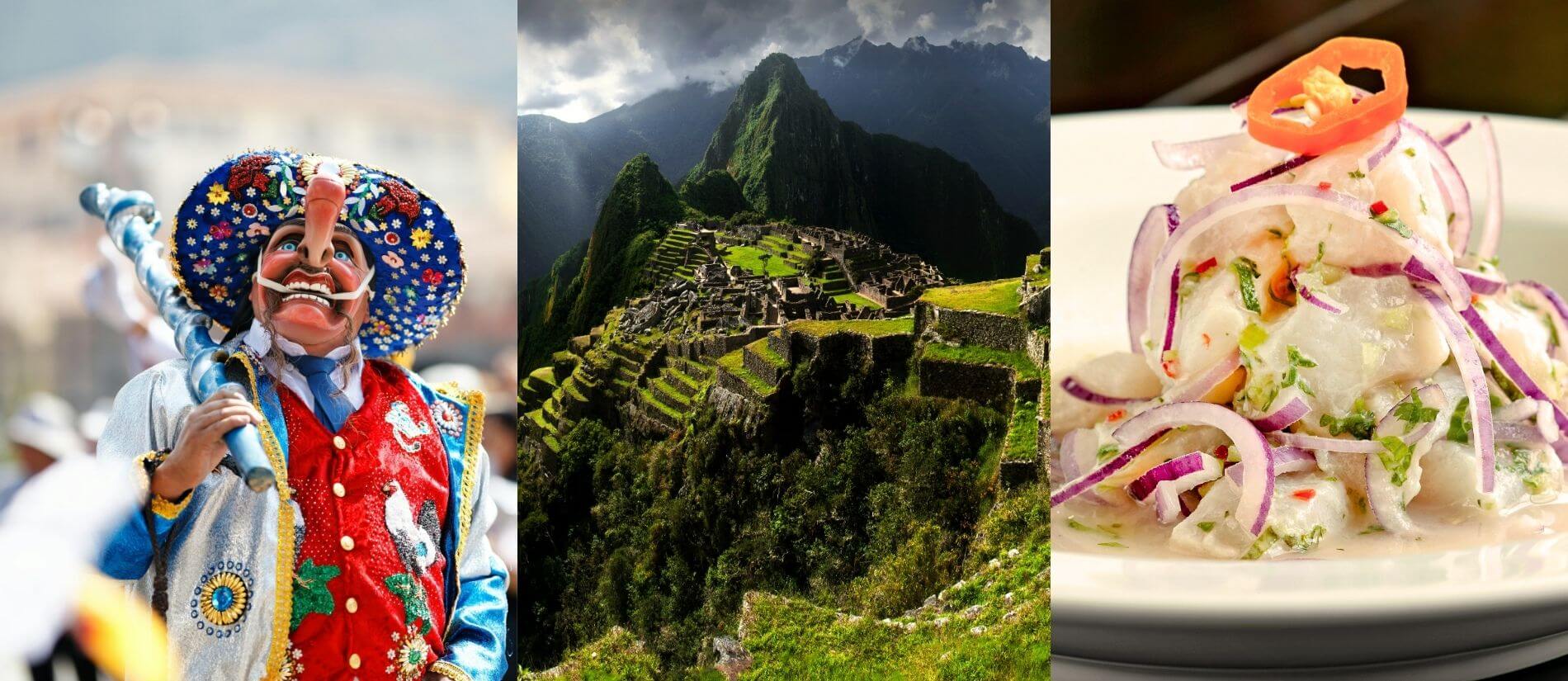
Cajamarca (Capital of Carnival): Famous for the arrival of Ño Carnavalón, its colorful neighborhood parades, humorous verses, and the picturesque wake of King Momo.
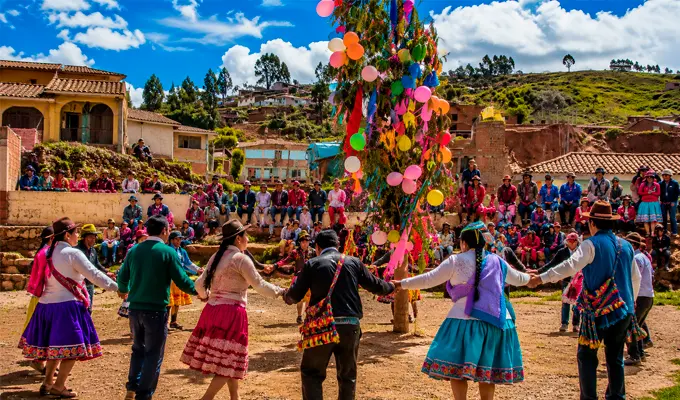
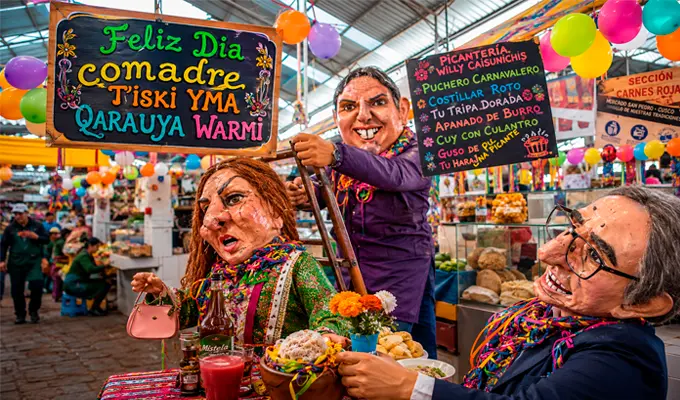
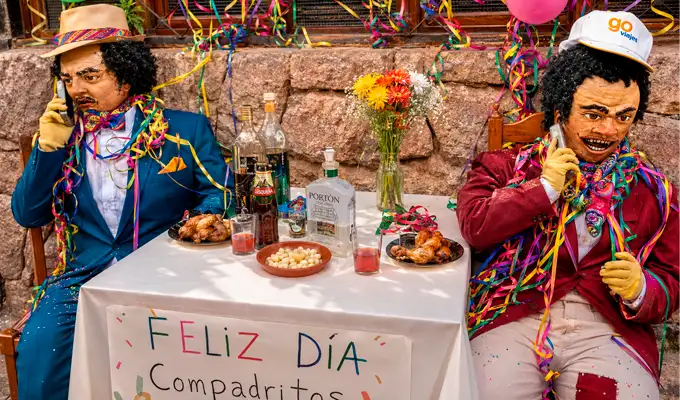
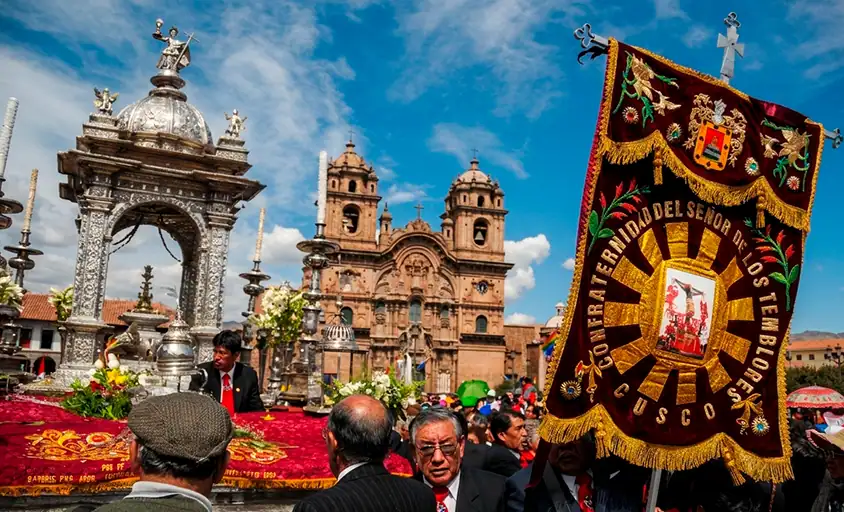
Cusco: Known for the Compadres and Comadres festivities, featuring satirical dolls, agricultural dances in the Sacred Valley, and dancing around the yunza, also known as the cortamonte.
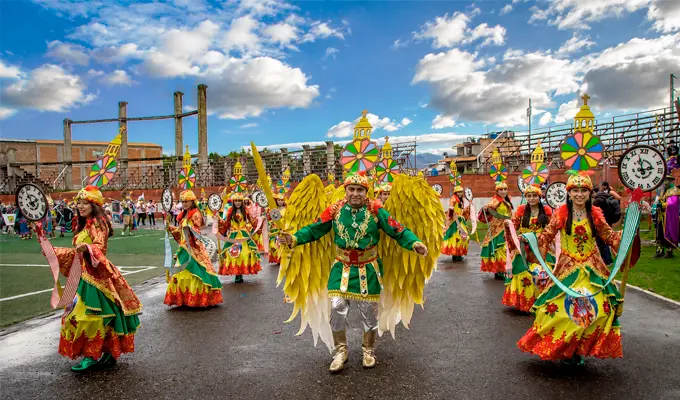
Ayacucho: Declared Cultural Heritage of the Nation, it stands out for its elegant traditional-costume parades and Quechua songs performed to the rhythm of guitars and charangos.
Travel tips:
Book in advance: It is a peak tourism season.
Protect your belongings: Use waterproof covers for your phone or camera to protect them from water and talcum powder.
Wear suitable clothing: Bring comfortable clothes that can get dirty, a waterproof poncho, sunscreen, and warm clothing for the evening.
Important Facts About Carnival
Fact
Information
Season
February or March
Date
Varies each year
Cajamarca
Ño Carnavalón and large parades
Cusco
Compadres, Comadres, and water games
Ayacucho
Music, dances, and parades
Traditional elements
Music, water, talcum powder, costumes, and yunza
Carnival celebration
What Are Carnivals in Peru?
Carnivals in Peru are vibrant celebrations that take place before Lent, blending customs introduced during the colonial period with Andean rituals associated with the agricultural cycle and fertility. This cultural fusion has given rise to a unique diversity of celebrations, with each region expressing its own identity through music, dance, and popular traditions.
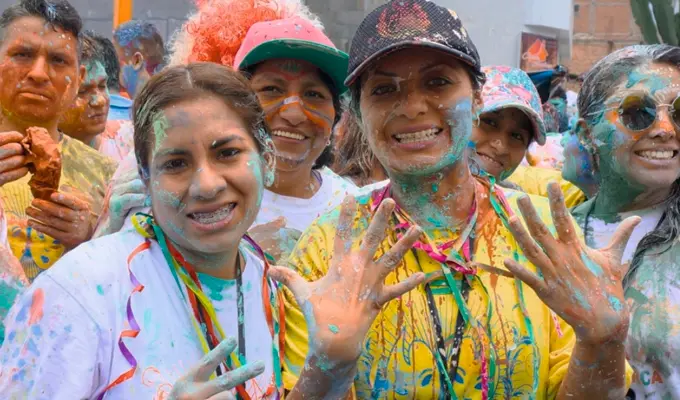
During the festive days, the streets of towns and cities come alive with parades, colorful costumes, traditional games involving water, talcum powder, and paint, as well as the unmissable dancing around the yunza, or cortamonte. Since the liturgical calendar determines different dates each year between February and March, it is essential to check each municipality's official program and plan your visit in advance.
Cajamarca Carnival: One of Peru's Largest Celebrations
Cajamarca is undoubtedly the city that has best succeeded in making Carnival the heart of its identity. During these days, daily life comes to a standstill as the streets transform into a huge living celebration filled with music, color, and the joy of its people. It is no surprise that it is considered one of the most eagerly anticipated and beloved events in all of Peru.
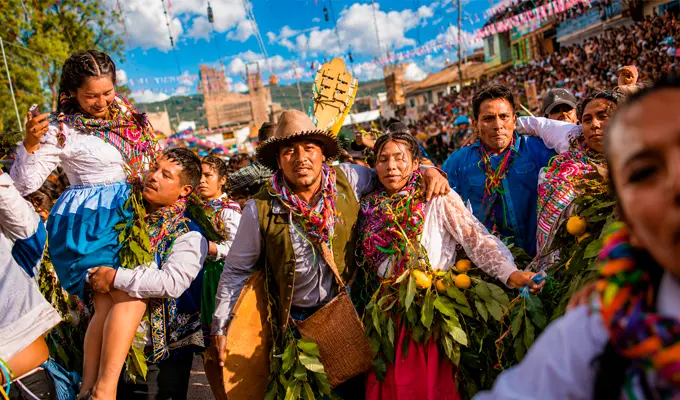
The most beautiful thing about Cajamarca Carnival is that it is not an isolated event, but rather a community experience that involves entire neighborhoods, families, and visitors who come from all over to join the celebration.
Ño Carnavalón: He is the undisputed soul of the celebration. This irreverent and festive character embodies the joy of Carnival, and his arrival in the city is one of the most exciting moments. As he passes through the streets, they erupt with parades, costumes, and dancing.
Parades and neighborhoods: Each neighborhood shows off its pride and creativity. Residents spend months preparing spectacular costumes, choreographies, and floats to compete in the parades, filling every corner with life and art.
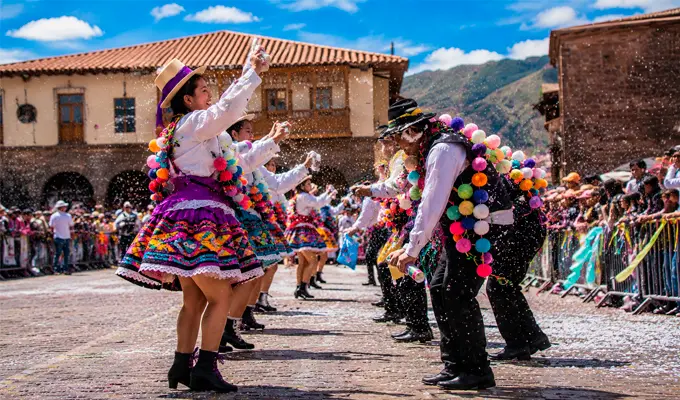
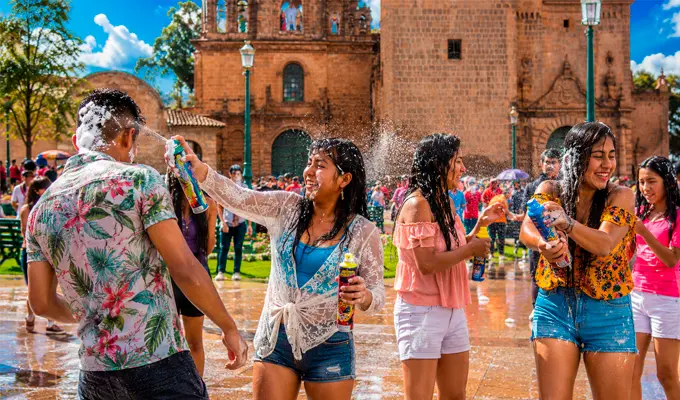
Water and paint games: The celebration takes place in the streets. Water, paint, talcum powder, and foam spare no one, creating a spontaneous atmosphere of pure fun. The golden rule here is simple: wear clothes you do not mind getting dirty and protect your phone well.
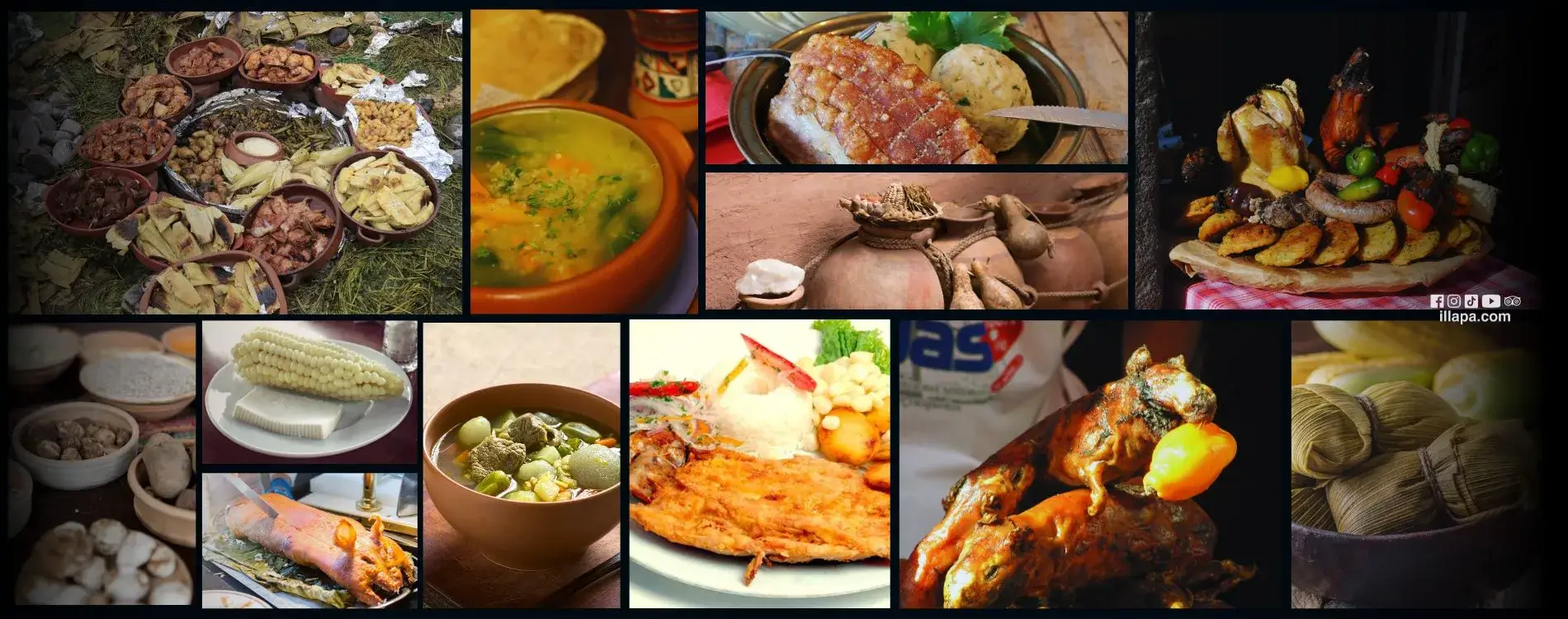
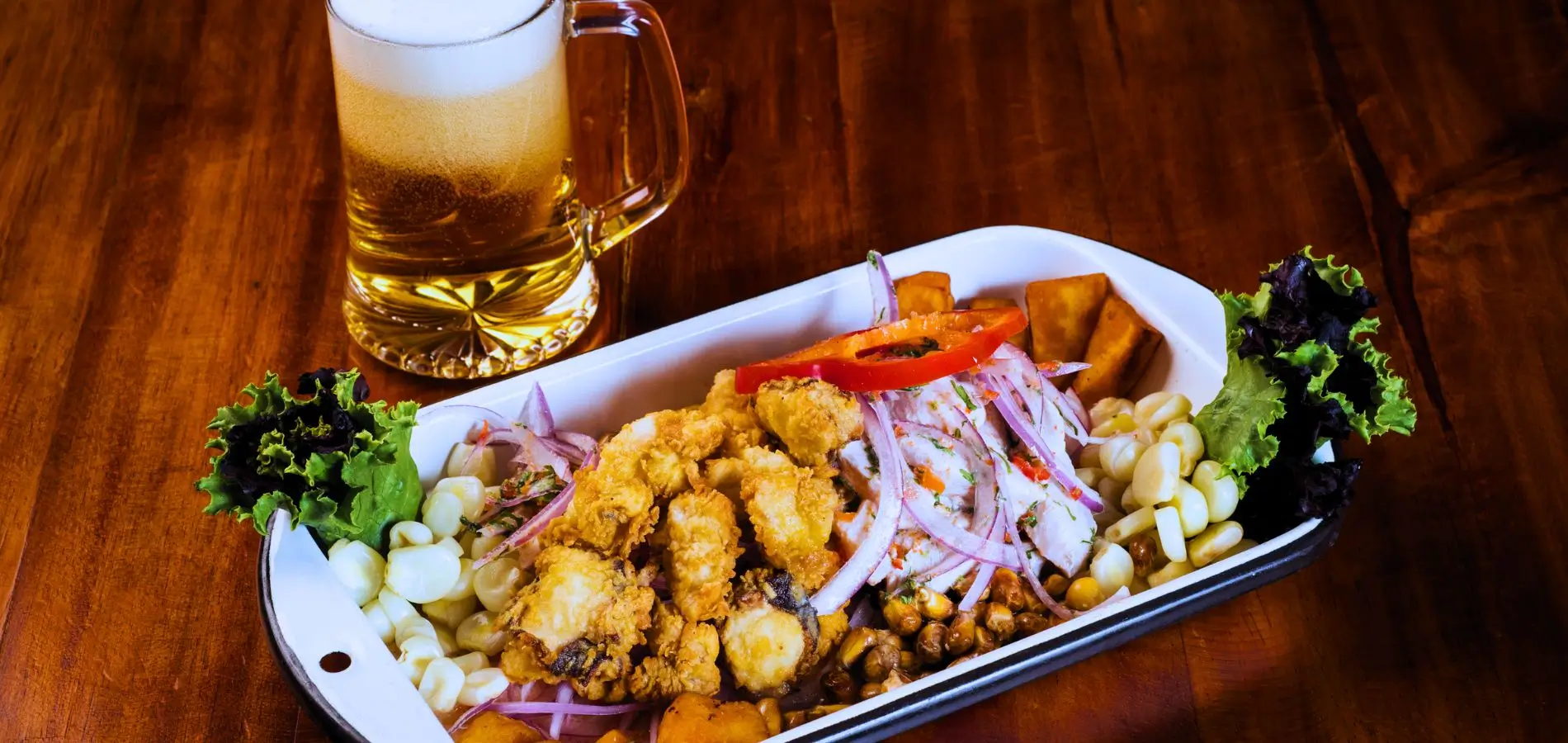
Cajamarca's cuisine: Celebrating also works up an appetite. The festivities are the perfect excuse to enjoy the local cuisine, recharge your energy with a hearty caldo de cabeza or Cajamarca-style frito, and make the trip a feast of traditional flavors.
Carnival in Cajamarca
Cusco Carnival: A Celebration of Andean Tradition
In Cusco, Carnival is experienced with a unique spirit, where the richness of Andean tradition naturally intertwines with the joy and warmth of its people. It is not simply a celebration on the calendar; it is a community experience that takes over squares, neighborhoods, and entire valleys.
What makes Cusco Carnival particularly special is that it does not begin or end on a single weekend; rather, it is a festive cycle filled with nuances, camaraderie, and community gatherings:
Day of the Compadres: The celebration gets underway weeks in advance. It is a day dedicated to friendship, loyalty, and bonds of compadrazgo. Creativity and good humor take over the streets, where it is common to see satirical dolls made by the community to honor friends or playfully tease them.
Day of the Comadres: One week later, the spotlight shifts entirely to women. It is a day of unity, laughter, and celebration among comadres and friends, reaffirming the fundamental role of women in community life and keeping alive one of the region's most cherished traditions.
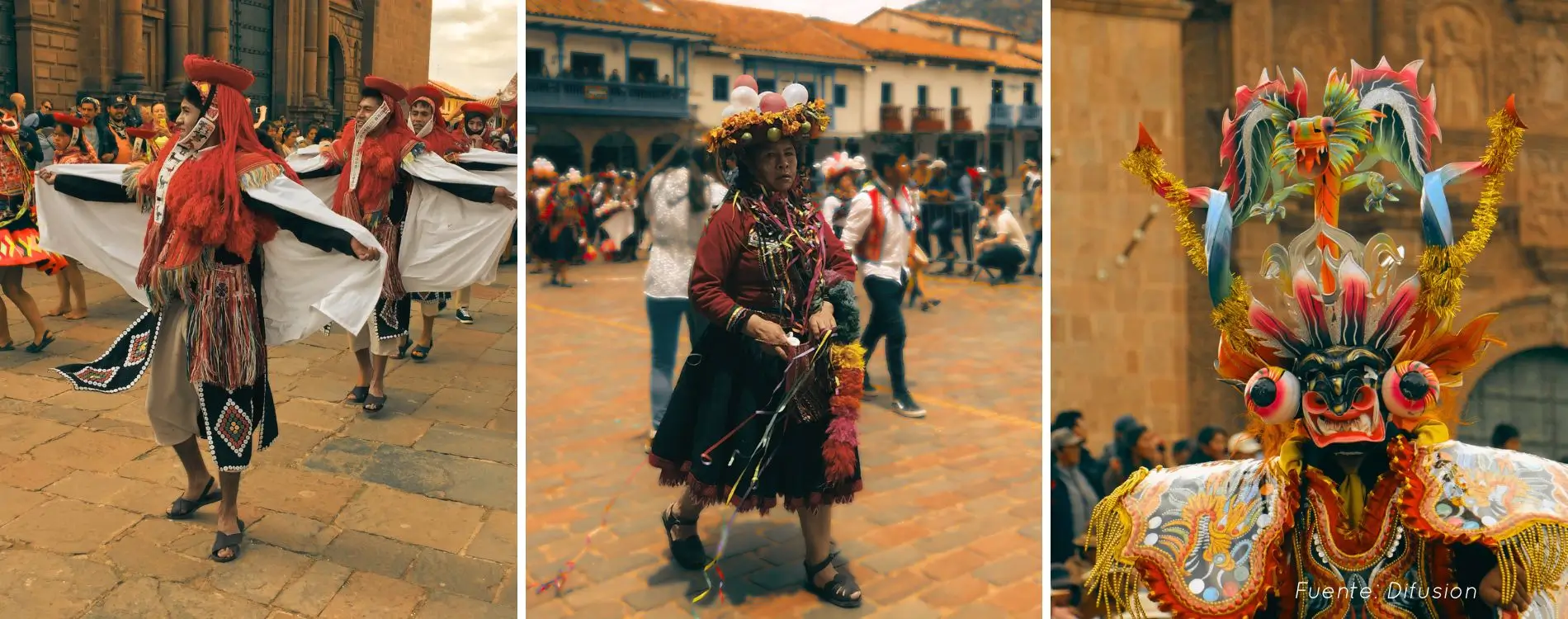
Carnival Sunday: On the main day, the city bursts with color and energy. The Historic Center and different neighborhoods fill with parades, traditional costumes, streamers, and the ever-present games involving water, talcum powder, and foam. The rhythm of huayno and traditional music gets entire families and visitors dancing together.
The Carnival Finale: Carnival in Cusco does not say goodbye easily. A few days after the main Sunday comes the "finale", the last major gathering where people dance around the yunzas to bid farewell to the festivities with gratitude, music, and dance until the following year.
If you are lucky enough to be in the Imperial City during this time, checking the local program will allow you to experience the celebration in its entirety, from laughter among compadres to the final dance of the Carnival finale.
Carnival in Cusco
Ayacucho Carnival: Music, Dance, and Cultural Identity
In Ayacucho, Carnival is not a spectacle for mere spectators: it is a collective heartbeat where music, dance, and Andean memory completely take over the city. Considered one of the most authentic and profound celebrations in Peru, during these days Ayacucho's cultural pride can be felt and sung out loud on every corner.
The magic of this Carnival lies in its ability to bring an entire community together through expressions that have been passed down through generations:
The soul of the parades: They are the true driving force behind the celebration. Made up of residents from different neighborhoods, communities, and institutions, the groups rehearse for months before taking to the streets. When you see them parading in their impeccable traditional costumes, you understand that they are not simply dancing: they are keeping the history and identity of their people alive.
Music that tells stories:Ayacucho's music has a unique emotional quality. To the rhythm of guitars, charangos, and quenas, along with the unforgettable voices of its performers, the streets fill with songs sung in both Spanish and Quechua. Their lyrics combine playfulness, romance, and social satire with a deeply Andean poetic spirit.
A living cultural experience: Exploring Ayacucho during Carnival is the most authentic way to connect with the folklore of southern Peru. It is an invitation to walk alongside the parades, get carried away by the rhythm of the huaynos, and witness how popular joy and ancestral tradition come together as one voice.
Ayacucho Carnival
What Makes the Carnivals of Cajamarca, Cusco, and Ayacucho Different?
Although Cajamarca, Cusco, and Ayacucho share a festive spirit, music, and a strong sense of community, each city offers a completely different experience:
Destination
Main Characteristic
Ideal for...
Cajamarca
The euphoric Ño Carnavalón, large neighborhood parades, and playful verses.
Those looking for a large-scale celebration filled with humor, parades, and nonstop games.
Cusco
Compadres and Comadres, Andean rituals, huaynos, and yunzas.
Those who want to combine festive celebrations with historical tourism and Andean traditions.
Ayacucho
Traditional parades, songs in Quechua, and deep-rooted folk rhythms.
Those who value authenticity, live music, and the region's living folklore.
Which Is the Best Carnival to Visit?
The great richness of Carnival in Peru lies in its diversity: there is no single destination that is better than the others, but rather a perfect experience for every type of traveler. The choice simply depends on what you want to experience during your journey:
If you are looking for large parades and excitement:Cajamarca is the ideal choice. It is the perfect destination for those dreaming of an energetic and massive celebration, filled with floats, the irreverent enthusiasm of Ño Carnavalón, and the lively spirit of its neighborhood parades.
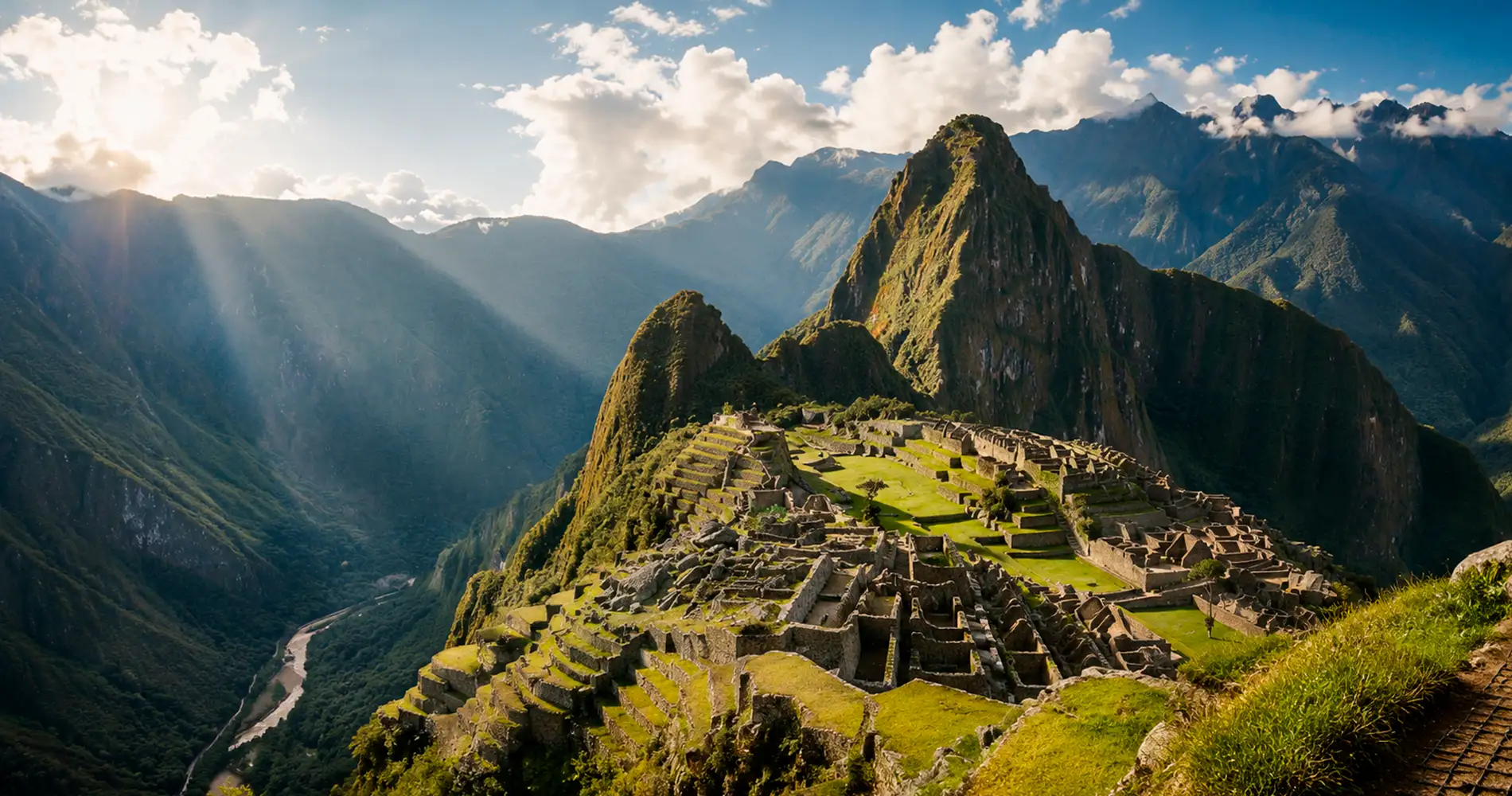
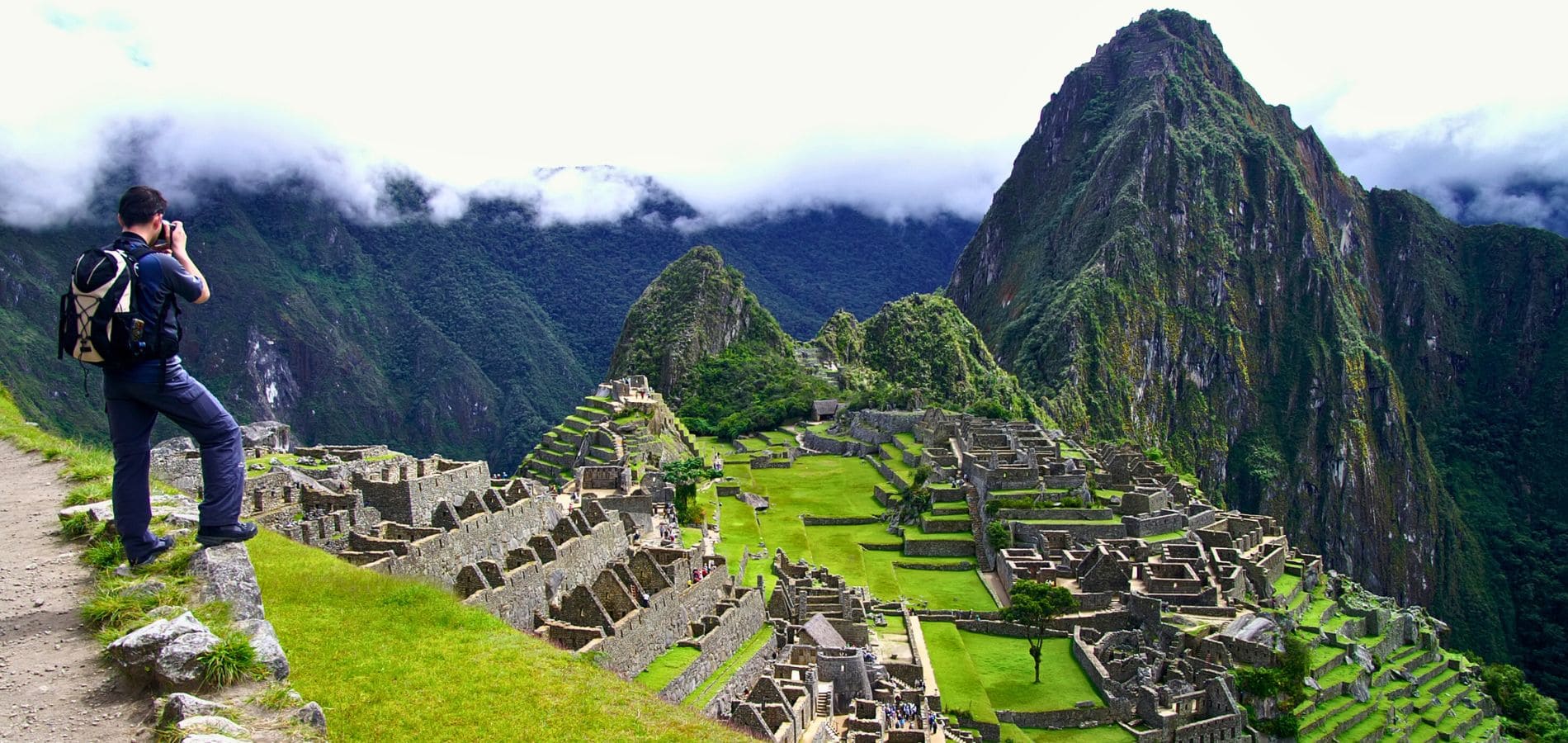
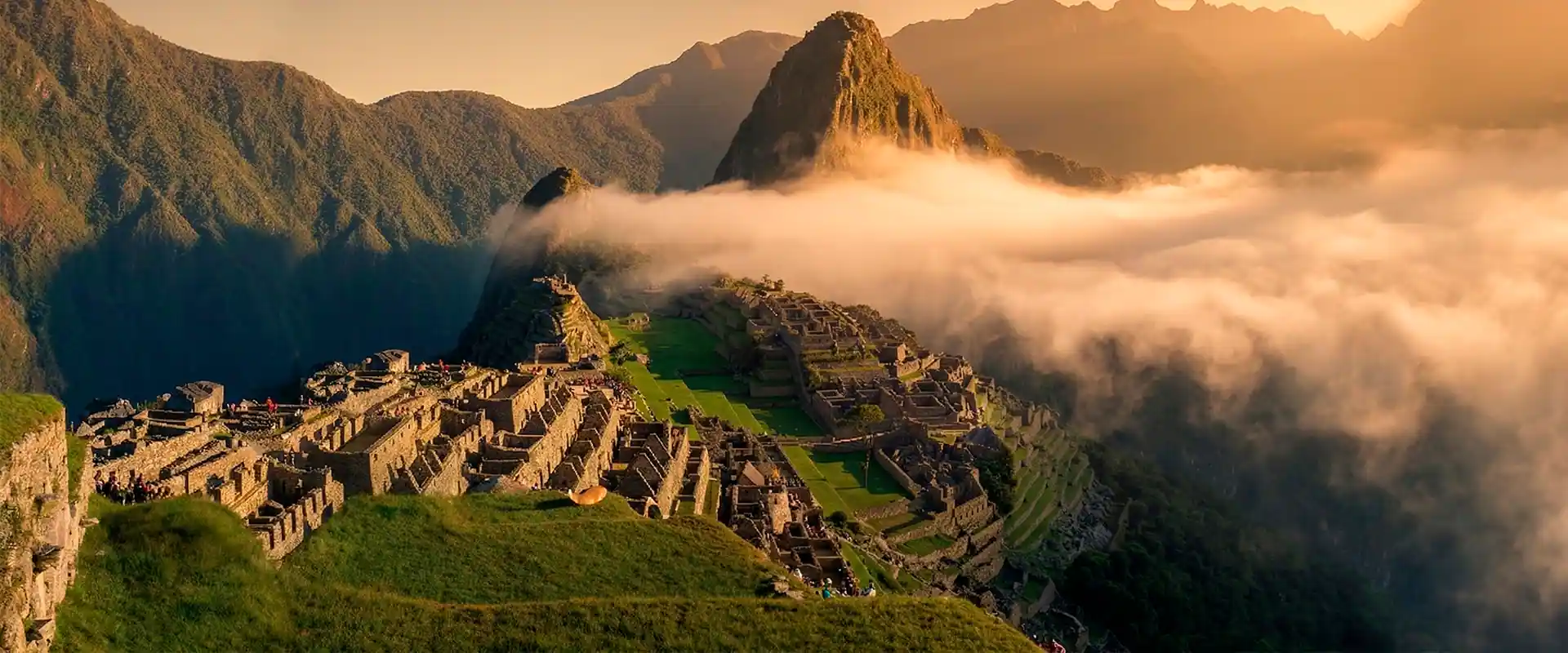
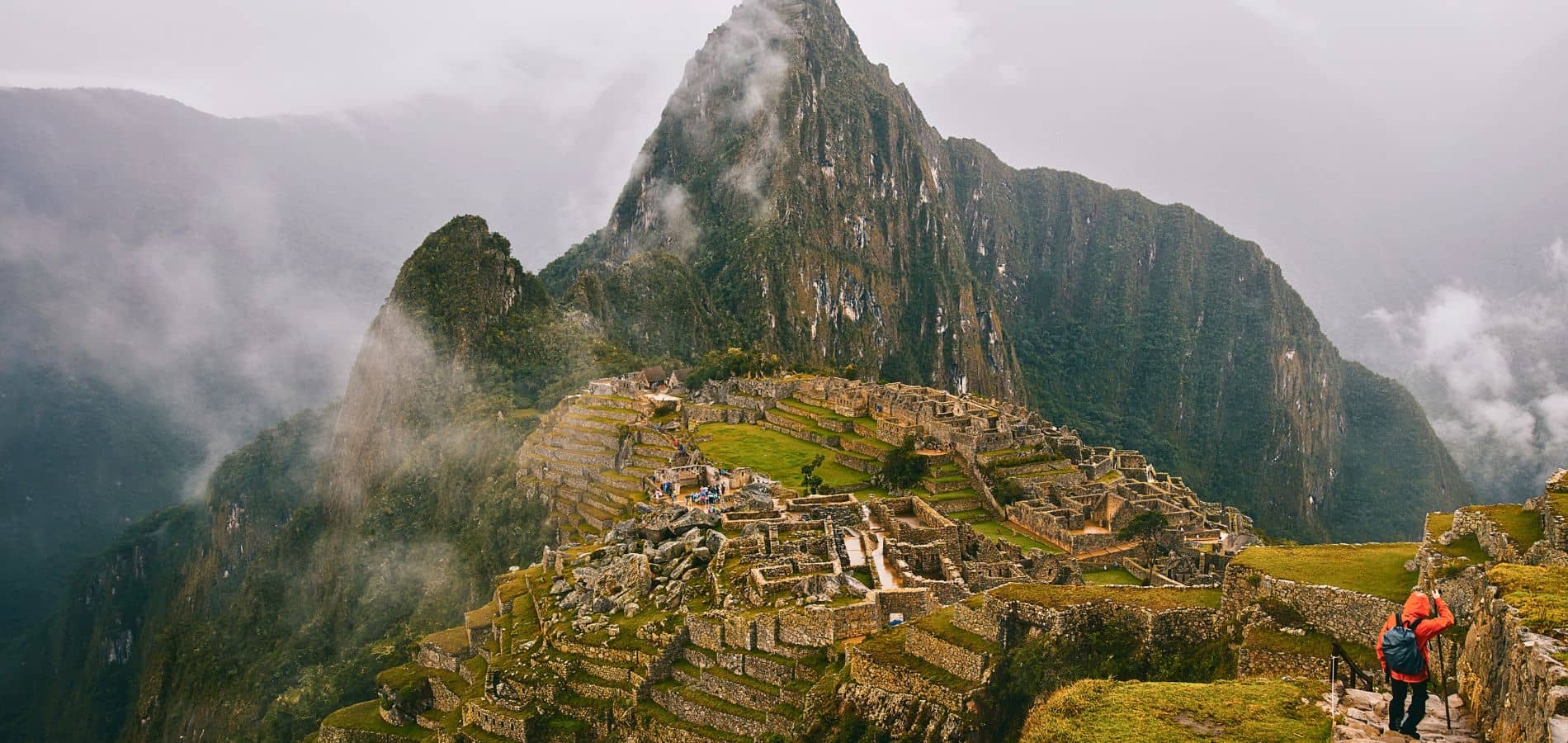
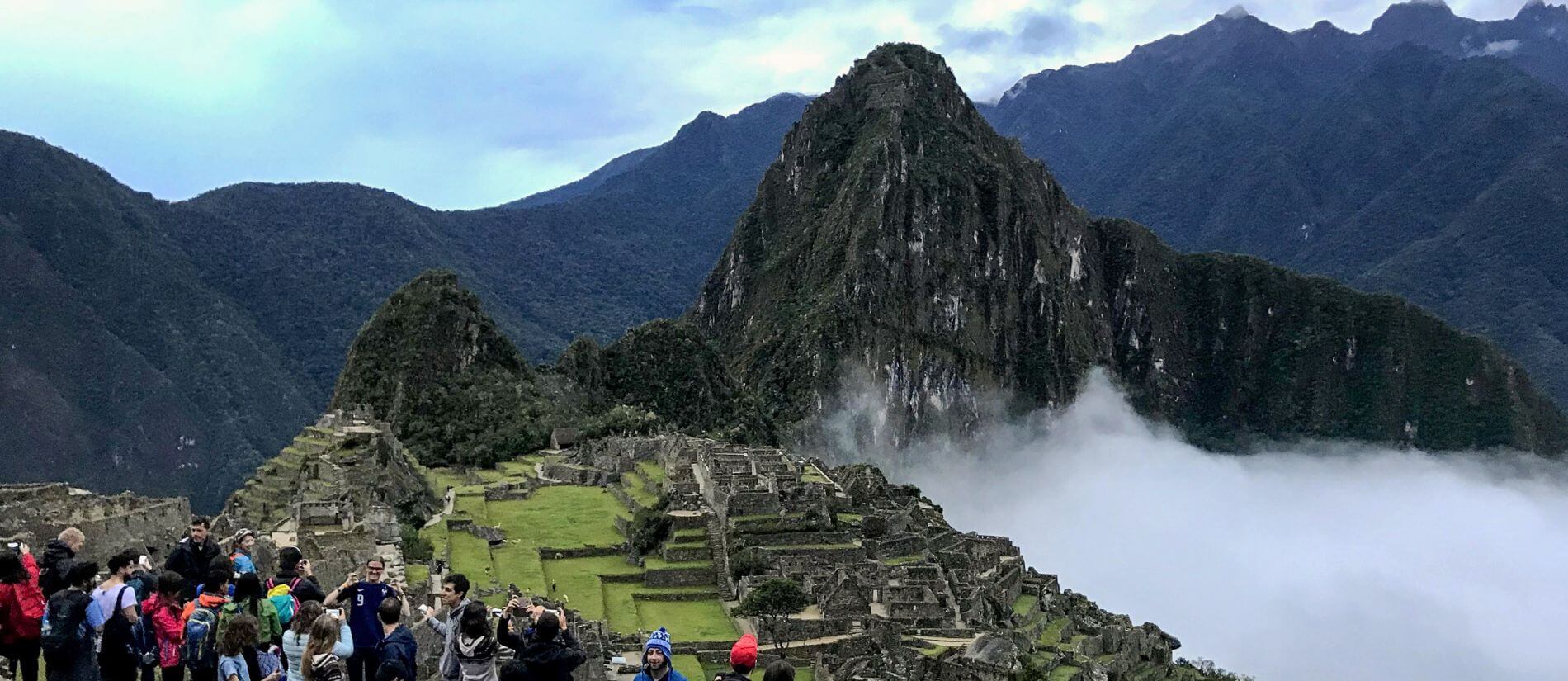
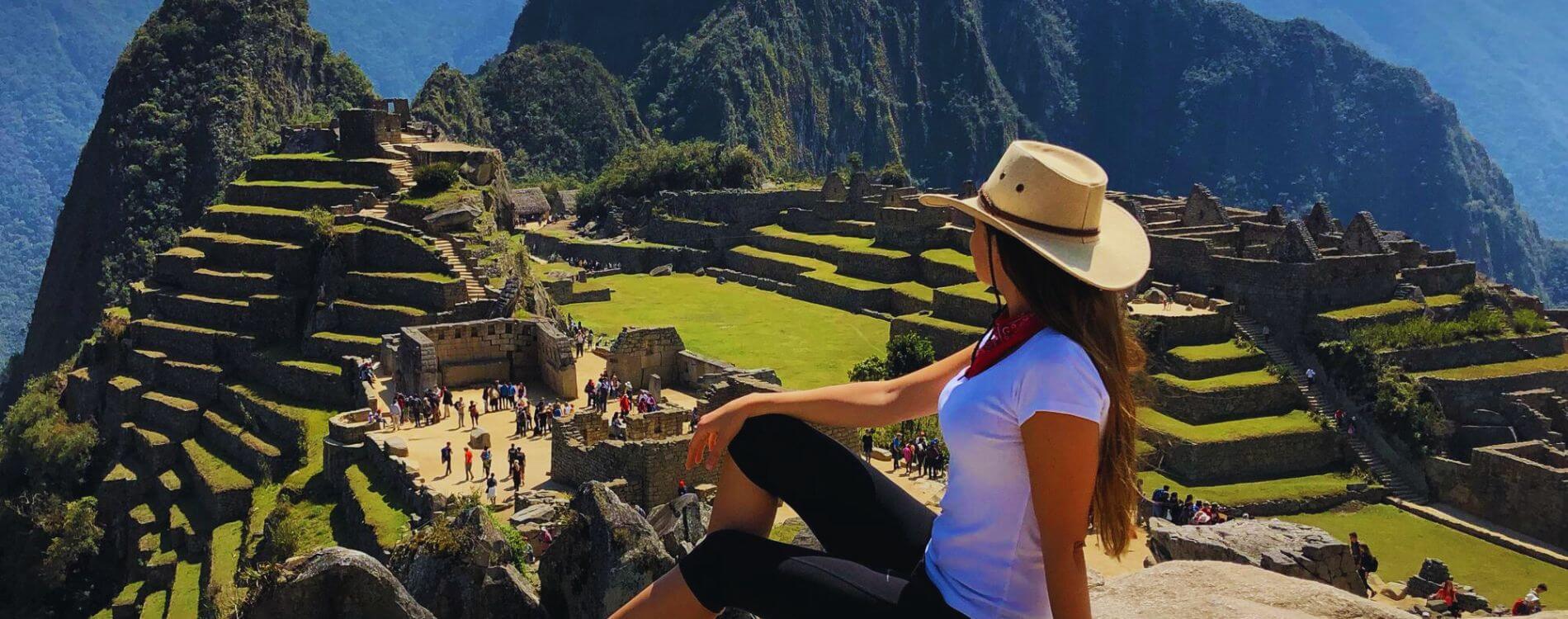
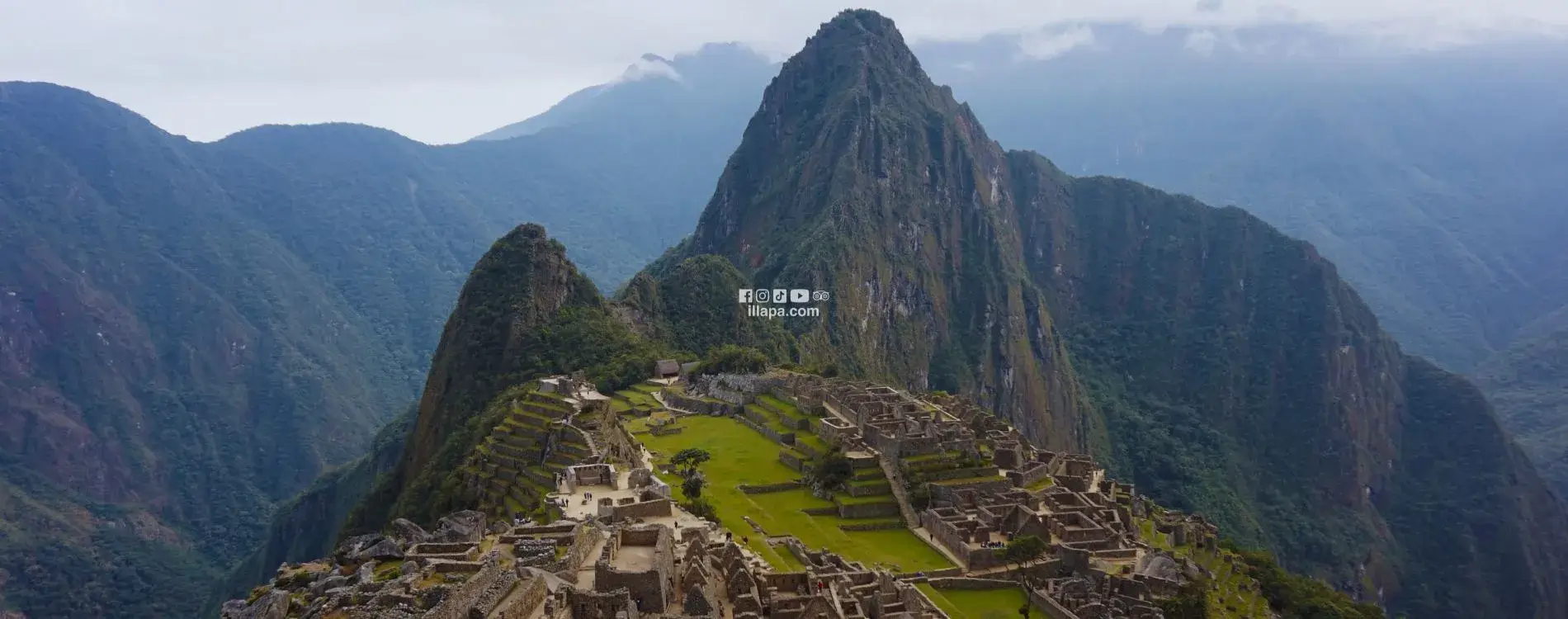
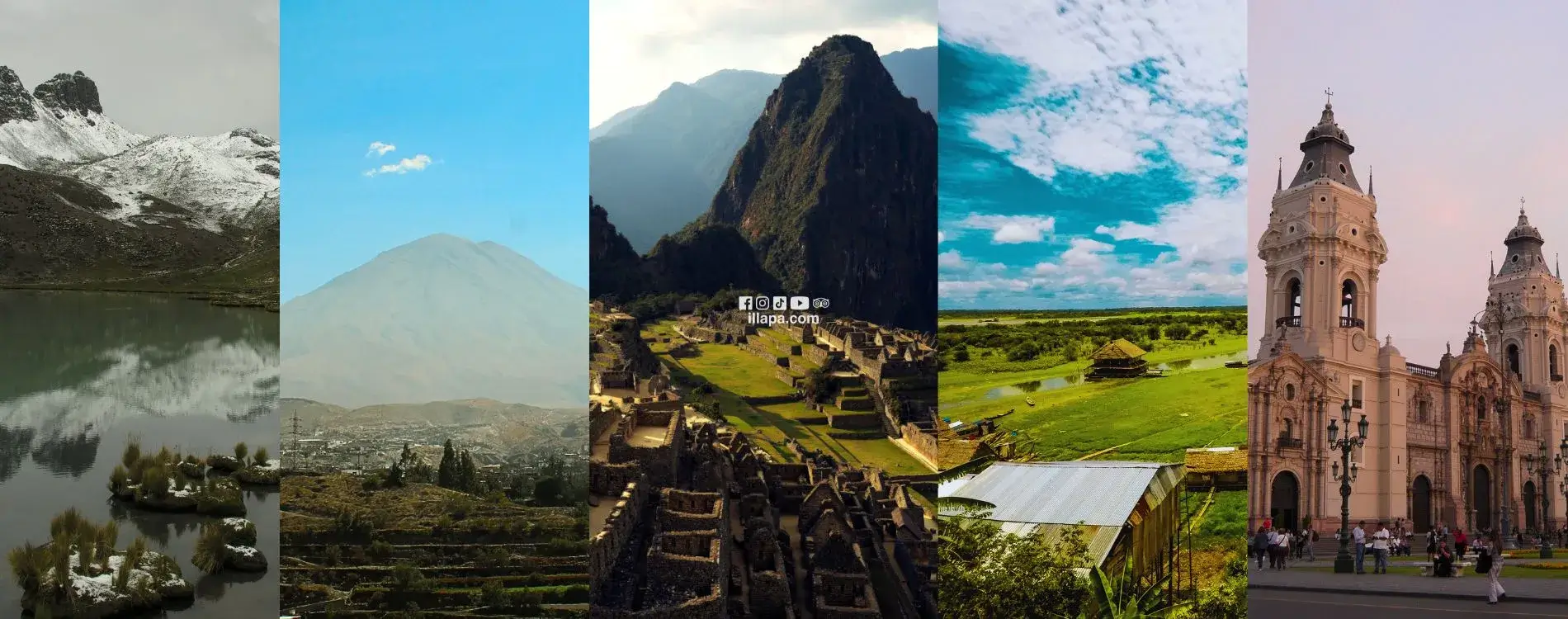
If you want to combine the festivities with historical tourism:Cusco offers the perfect balance. You can immerse yourself in the colorful traditions of Compadres, Comadres, and yunzas, while also taking the opportunity to explore iconic sites such as Machu Picchu, Pisac, Ollantaytambo, or the historic streets of the Inca capital.
If you are looking for cultural connection and authentic folklore:Ayacucho is the right choice. It offers a profound experience where traditional music, Quechua songs, the elegance of its parades, and Andean heritage authentically take over every corner.
When Are Carnivals Celebrated?
The date of Carnival is flexible and varies from year to year, as it is closely linked to the liturgical calendar and Lent. In general, the main celebrations take place between February and March, but limiting the festivities to a single weekend would not do them justice. In many regions, preparations, rehearsals, songs, and rituals begin several weeks beforehand and continue for days afterward with traditional closing celebrations.
Since each municipality and community organizes its own schedule of events, checking the official program of your chosen destination before packing your bags is essential to make sure you do not miss any part of the celebration.
How to Prepare for a Trip During Carnival
If you are planning to travel to Cajamarca, Cusco, or Ayacucho during this season, preparing your trip in advance can make a significant difference to your experience:
Book your accommodation in advance: As this is the busiest travel period of the year in these regions, booking several weeks or months ahead will help you find good options and avoid higher last-minute prices.
Protect your valuables:Water, talcum powder, and foam games are part of the atmosphere in the streets. Keep your phone, camera, documents, and money in waterproof cases or bags before heading out to explore the city.
Choose your clothing carefully:Wear comfortable clothes that you do not mind getting wet or dirty, and keep a waterproof poncho and a dry change of clothes handy for when you decide to take a break.
Protect yourself from the Andean weather: In the highlands, the sun can be intense even when the sky is cloudy. Apply sunscreen, wear a hat or cap, and always keep a bottle of water with you.
Respect the local experience: Carnival is not just an event for visitors, but a reflection of the history and identity of each community. Enjoy the festivities enthusiastically, take care of archaeological and monumental heritage, and share the celebration respectfully with local residents.
Carnival GamesCarnival in Cajamarca
What to Eat During Carnival?
Gastronomy is another of the great attractions that turn a Carnival trip into a complete experience, with each region showcasing its best flavors to celebrate:
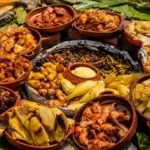
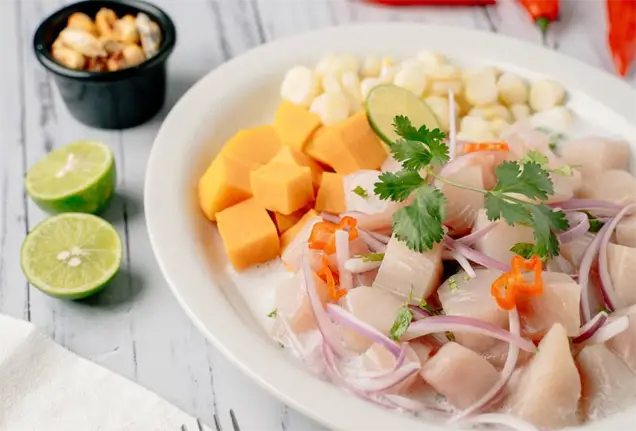
Cajamarca: It is the perfect opportunity to enjoy a comforting serving of Cajamarca-style fried pork and potatoes, or a hearty head broth, while also tasting its renowned artisanal dairy products, such as creamy cheeses, manjar blanco, and curd served with honey.
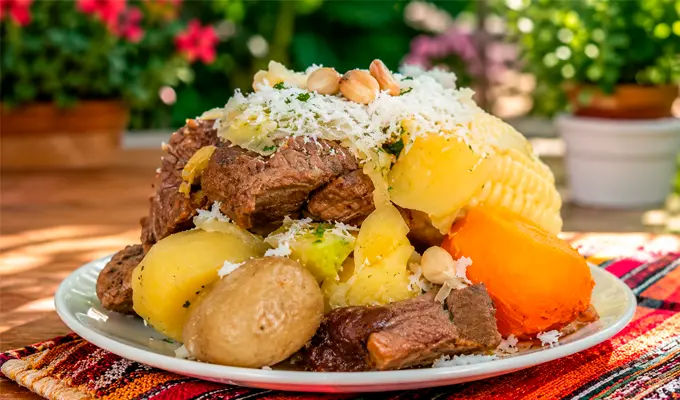
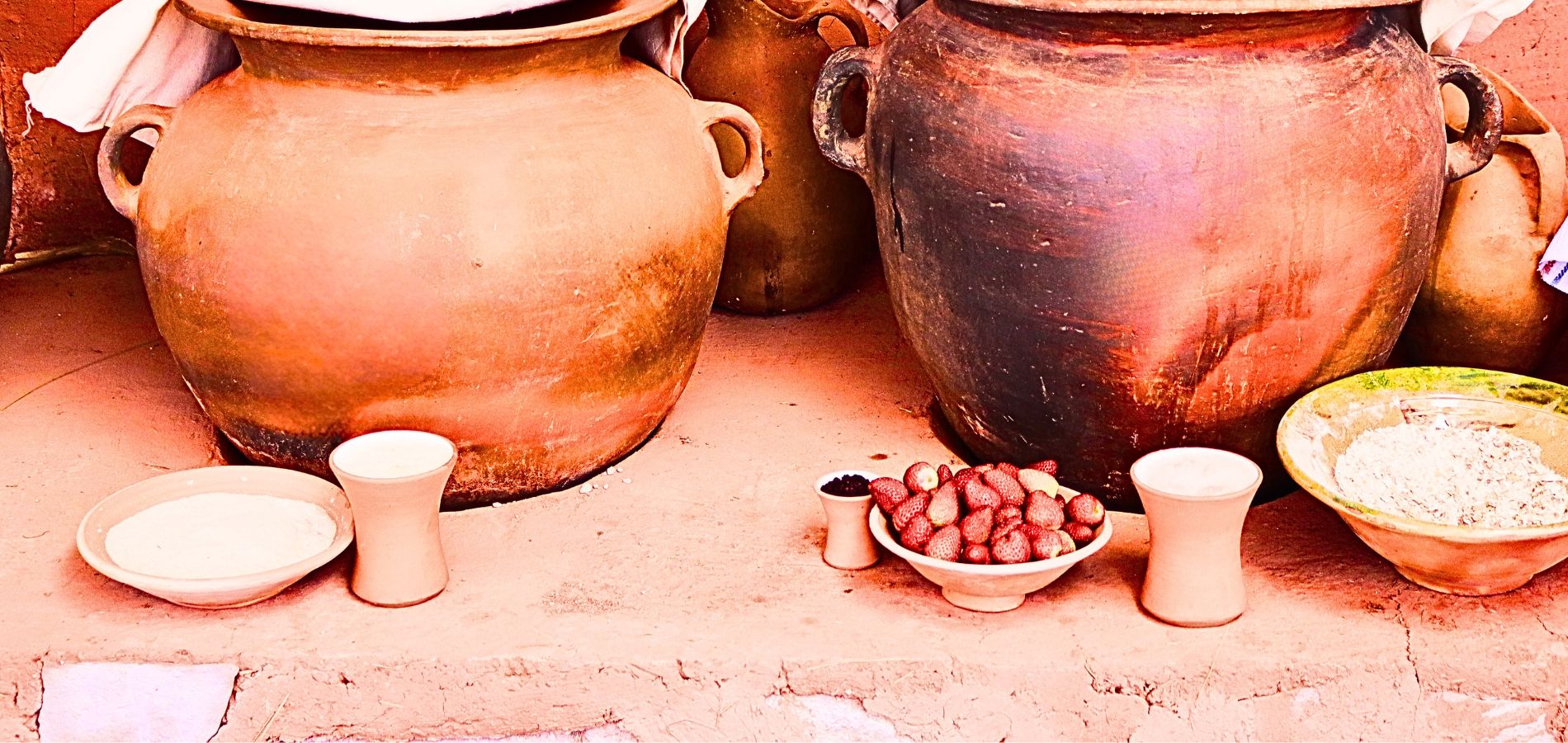
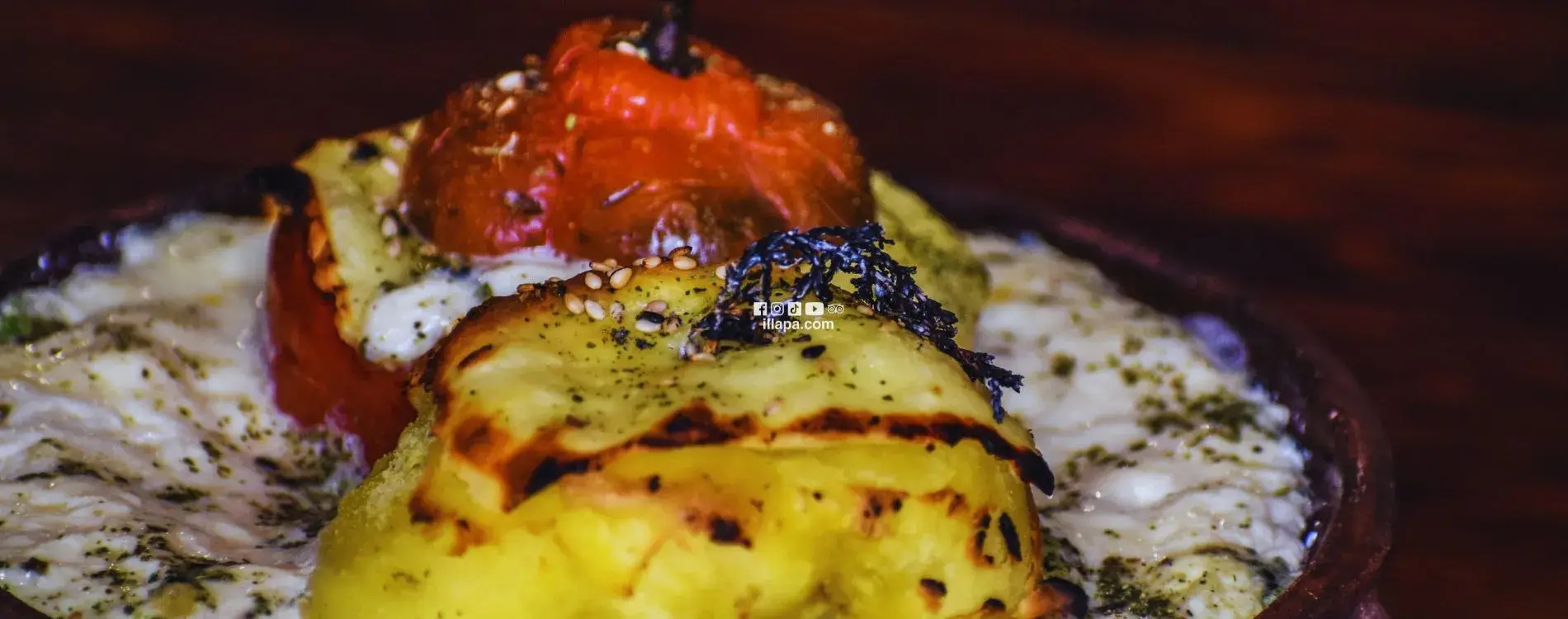
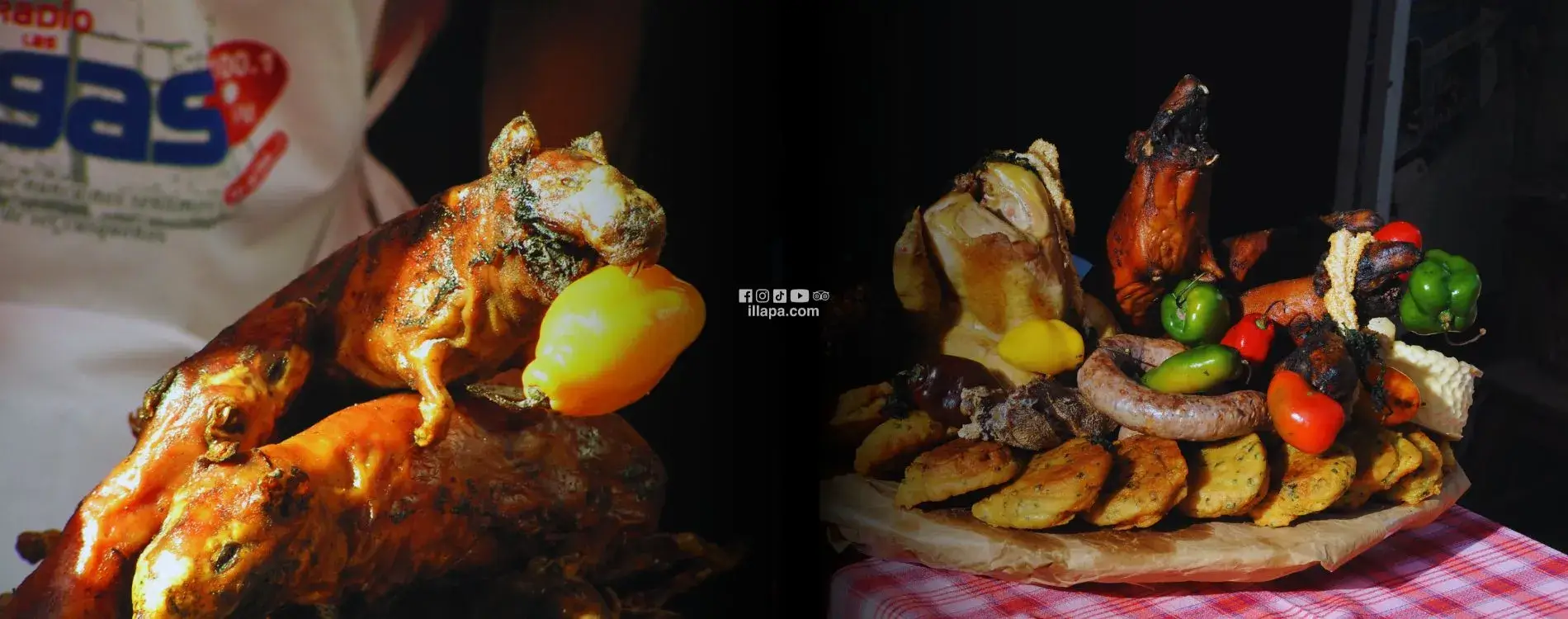
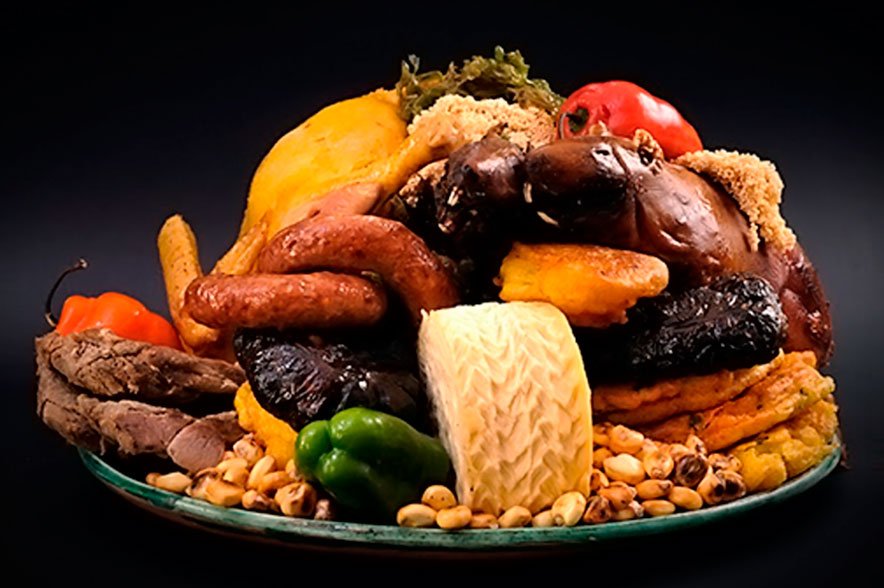
Cusco: The festive table features the iconic Chiri Uchu, a cold dish combining baked guinea pig, jerky, corn fritter, cheese, and llullucha algae, as well as traditional puchero or Carnival timpu, a hearty soup made with meat, potatoes, cabbage, and corn on the cob, ideal for the season.
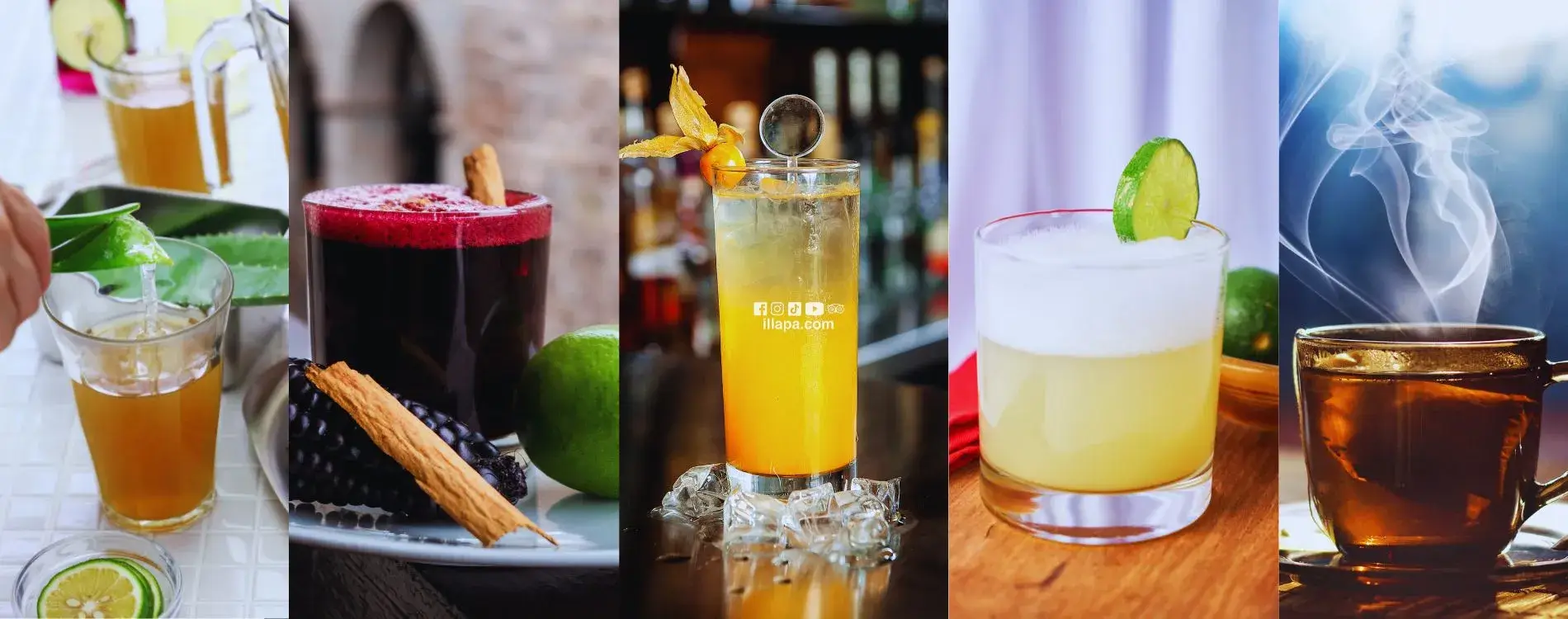
Ayacucho: Traditional Andean flavors stand out, including Puca Picante, a stew made with potatoes, peanuts, pork cracklings, and puca chili; Ayacucho-style mondongo, traditionally prepared the night before; and chicha de jora or seven-seed chicha, enjoyed during the street parades.
Trying the local cuisine not only helps you recharge your energy between parades, but also allows you to connect directly with the identity and culinary traditions of each community.
Cusco-Style Puchero
Places You Can Visit During Your Trip
Traveling during Carnival is also the perfect opportunity to discover the historical, cultural, and natural richness of each region. You can make the most of your mornings or free days between celebrations to create a complete itinerary:
In Cajamarca:
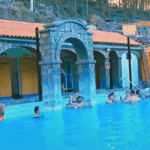
Baños del Inca: Historic thermal pools, ideal for relaxing after long days of dancing and festivities.
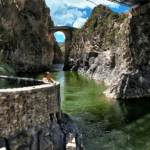
Ventanillas de Otuzco: An impressive pre-Inca necropolis carved directly into towering rock cliffs.
Cumbemayo: An astonishing pre-Inca aqueduct surrounded by a majestic stone forest.
Historic Center: Beautiful historic mansions and stone-carved churches, including the Cathedral and the Church of San Francisco.
In Cusco:
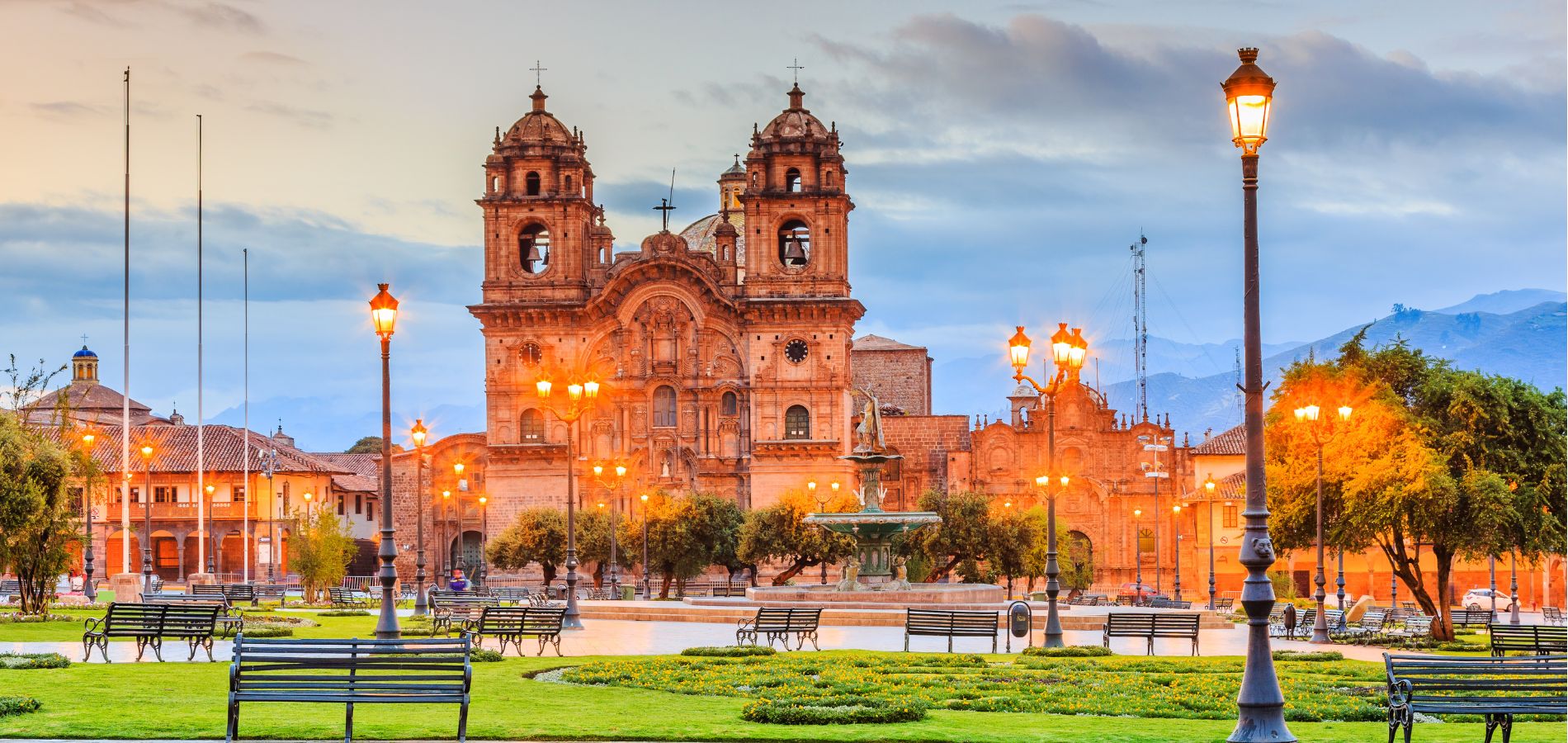
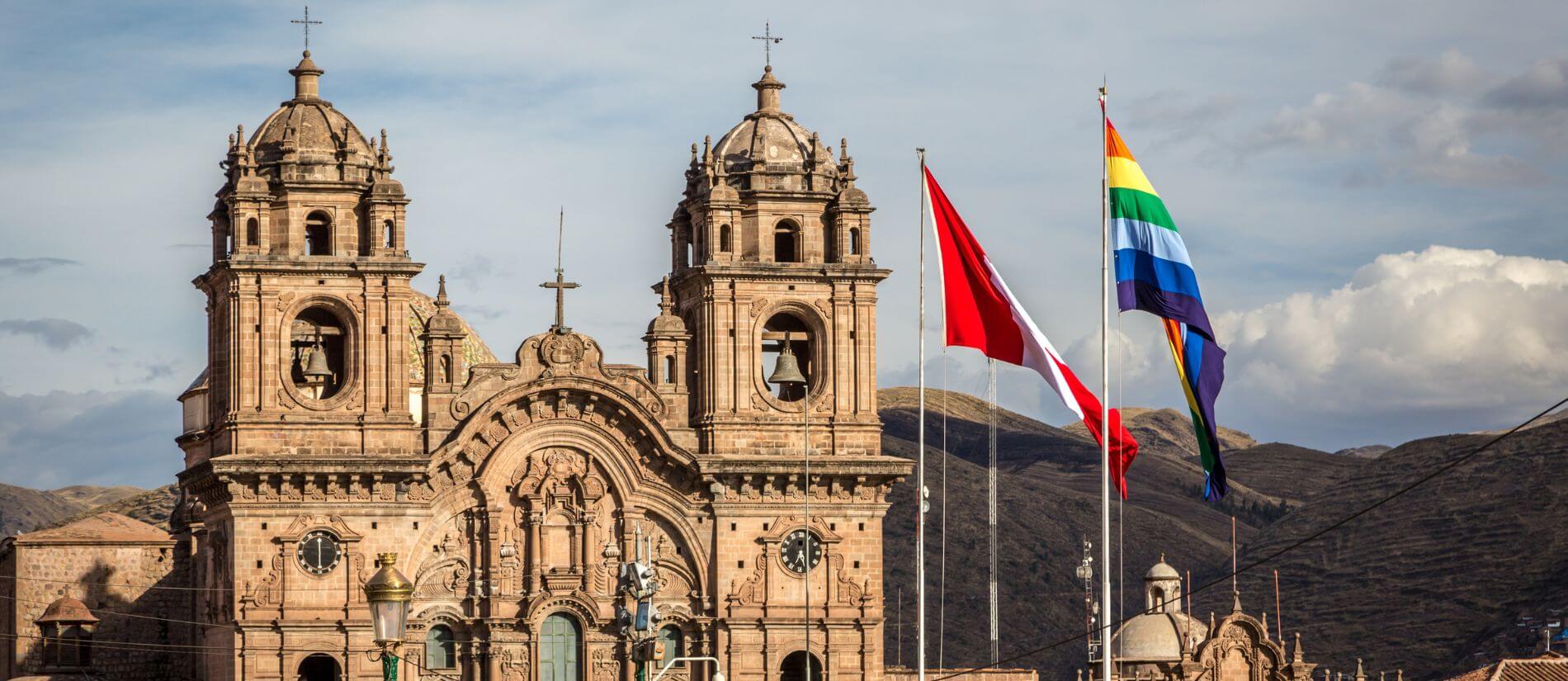
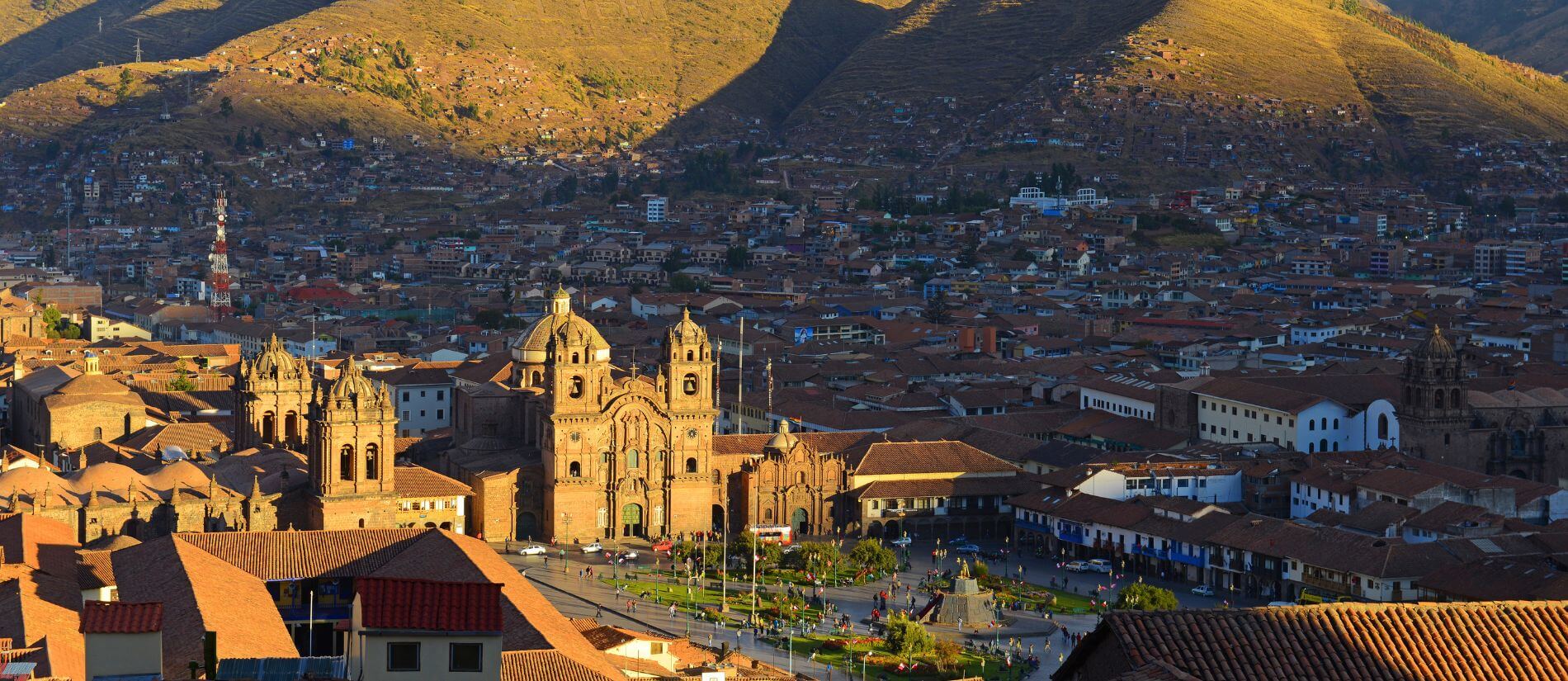
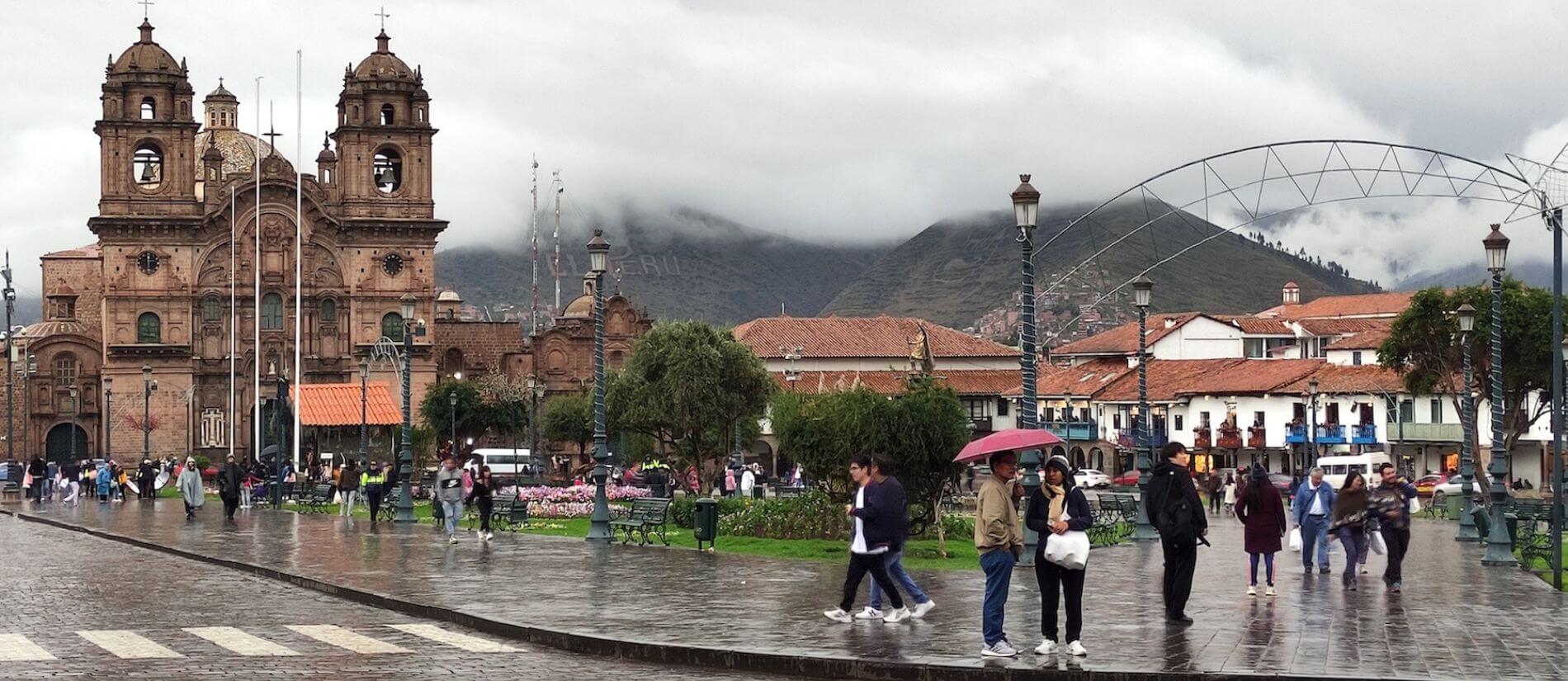
Plaza de Armas and Historic Center: The heart of the Imperial City, surrounded by Inca and colonial architecture.
Sacsayhuamán: A megalithic fortress offering exceptional panoramic views over the city.
Sacred Valley of the Incas: Traditional towns such as Pisac and Ollantaytambo, surrounded by agricultural terraces and history.
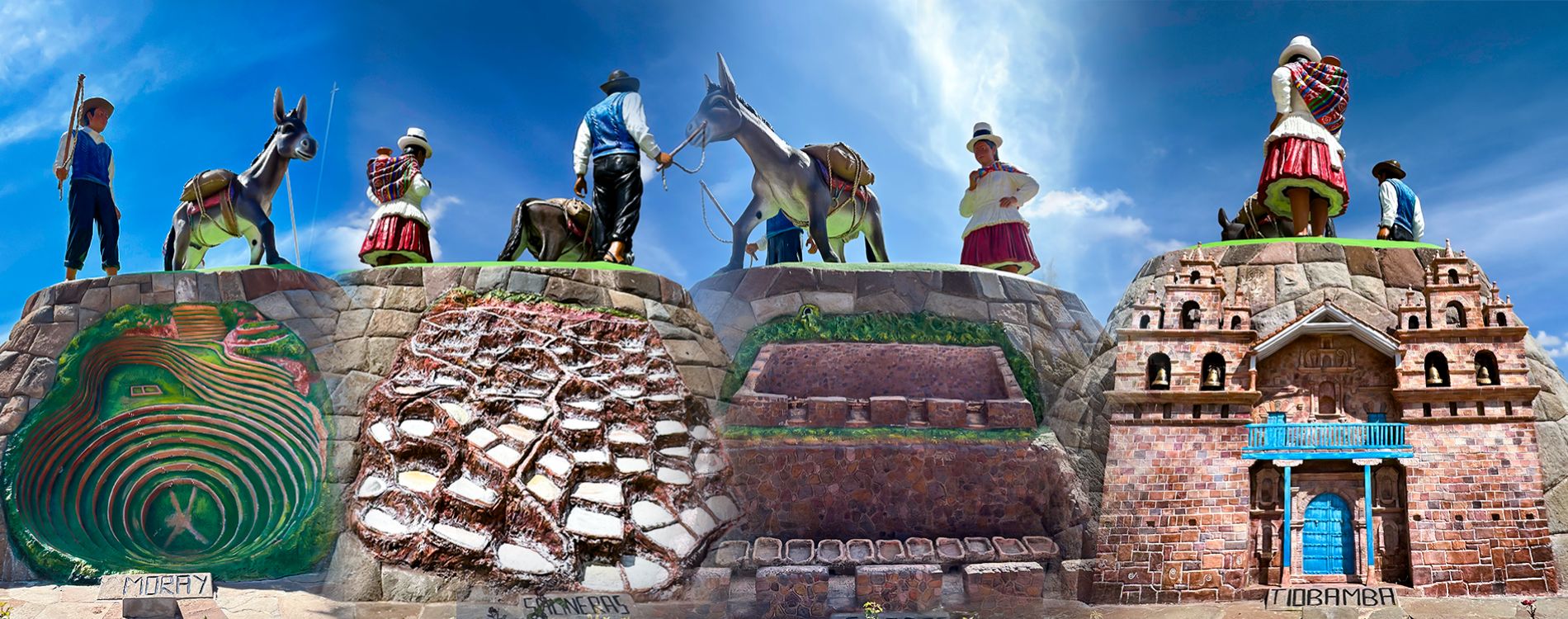
Maras and Moray: The famous ancestral salt mines and the enigmatic Inca agricultural terraces.
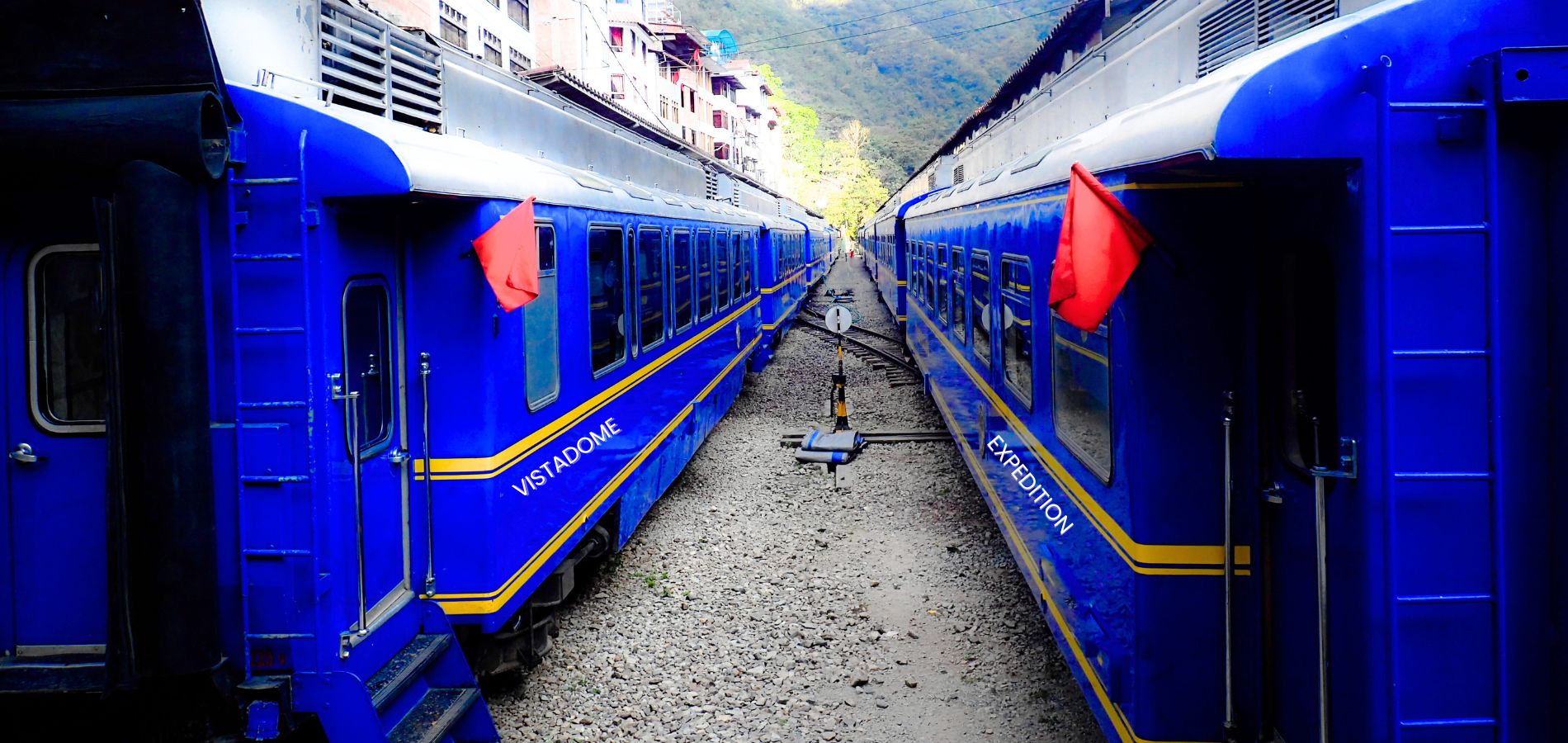
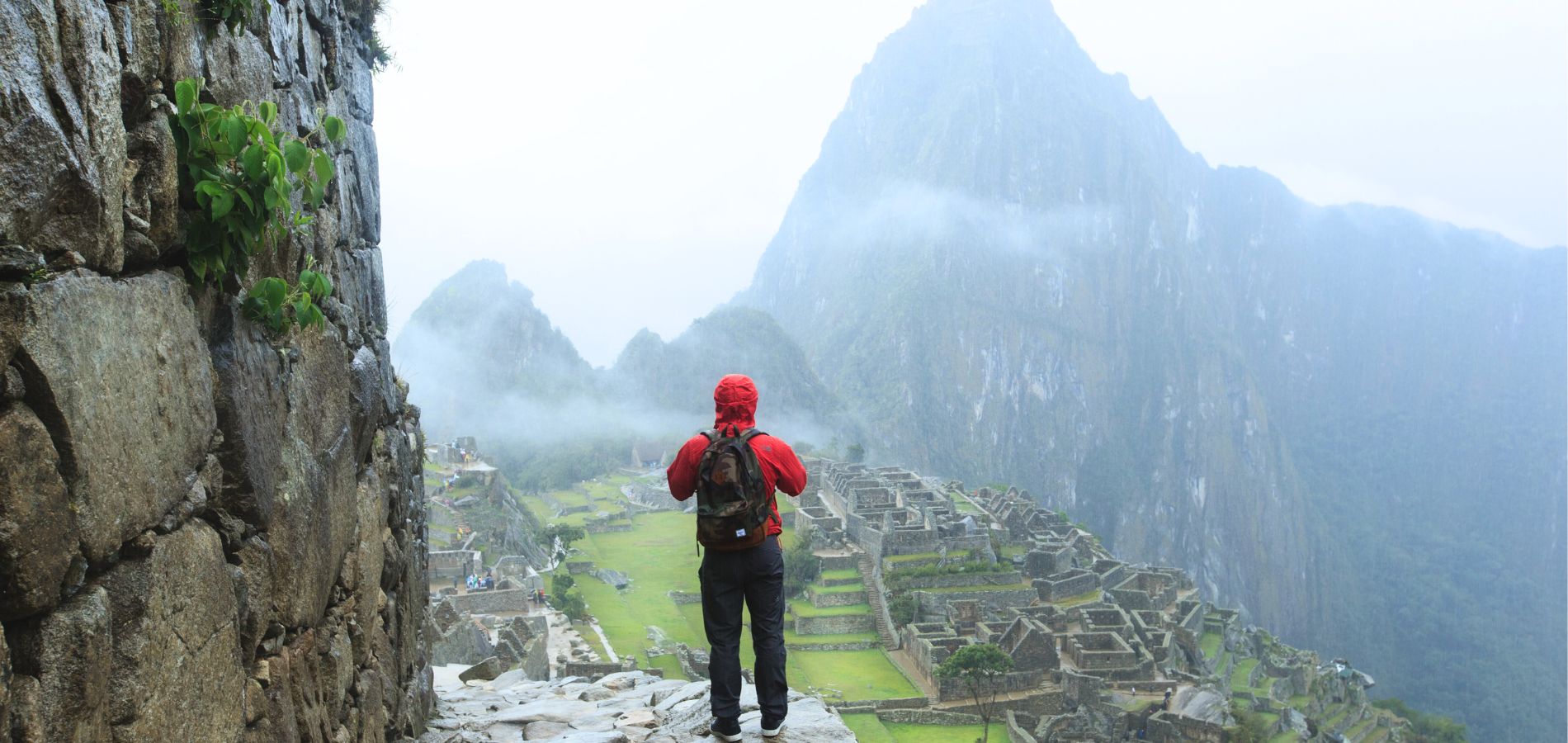
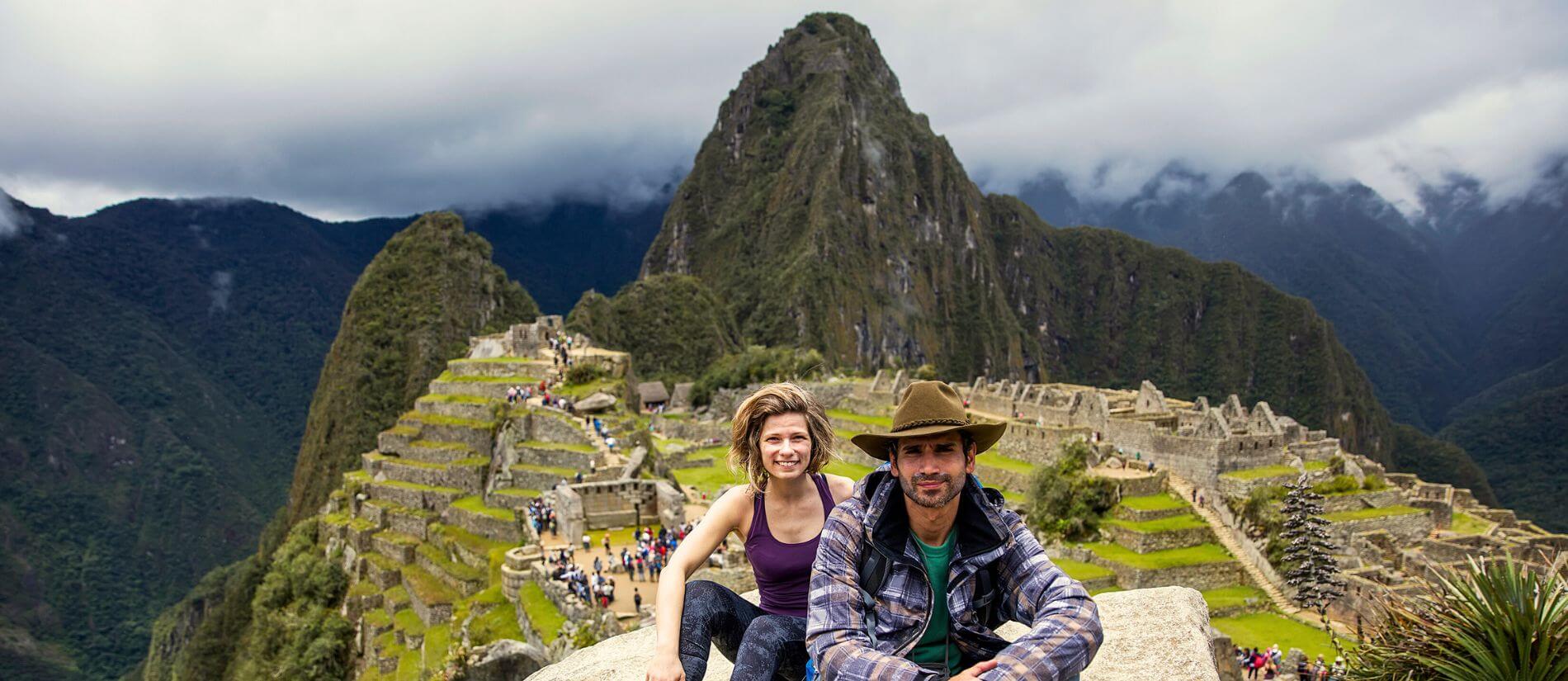
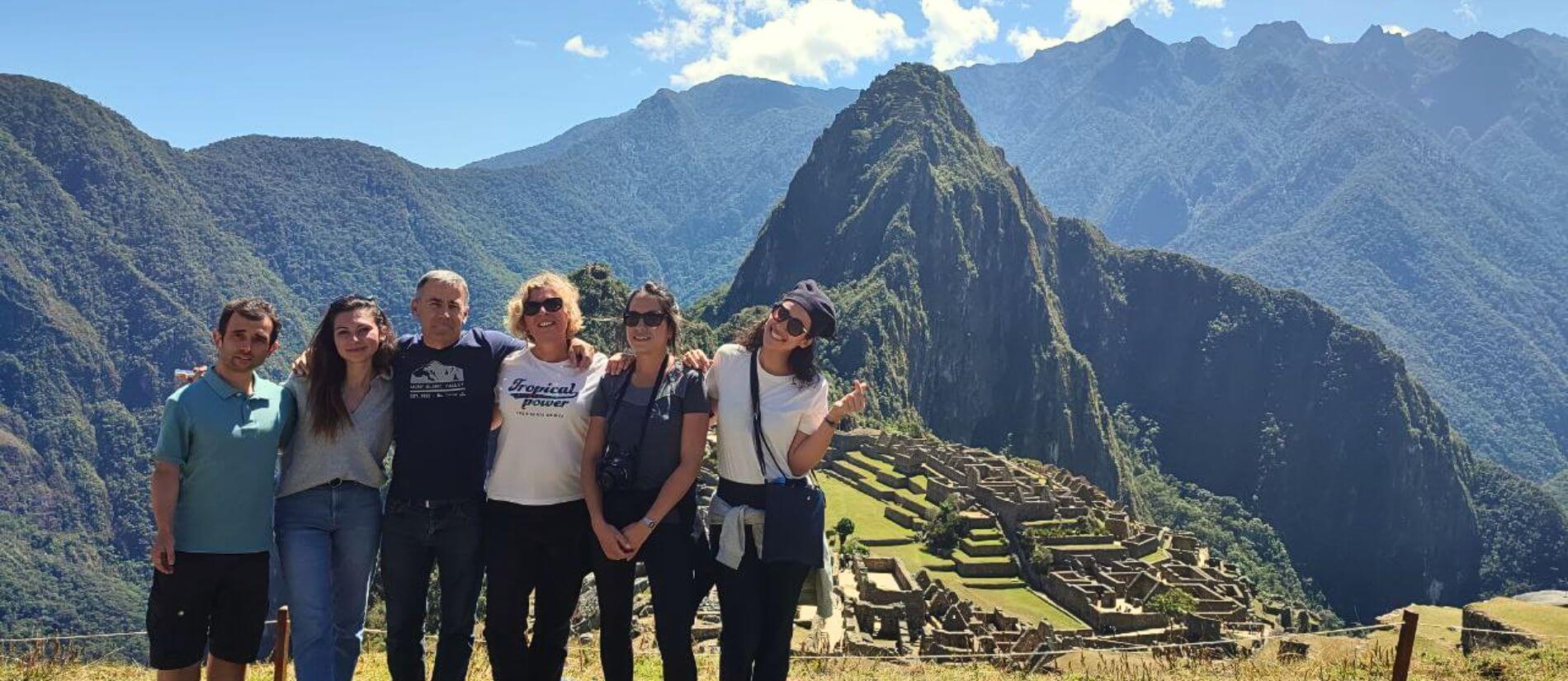
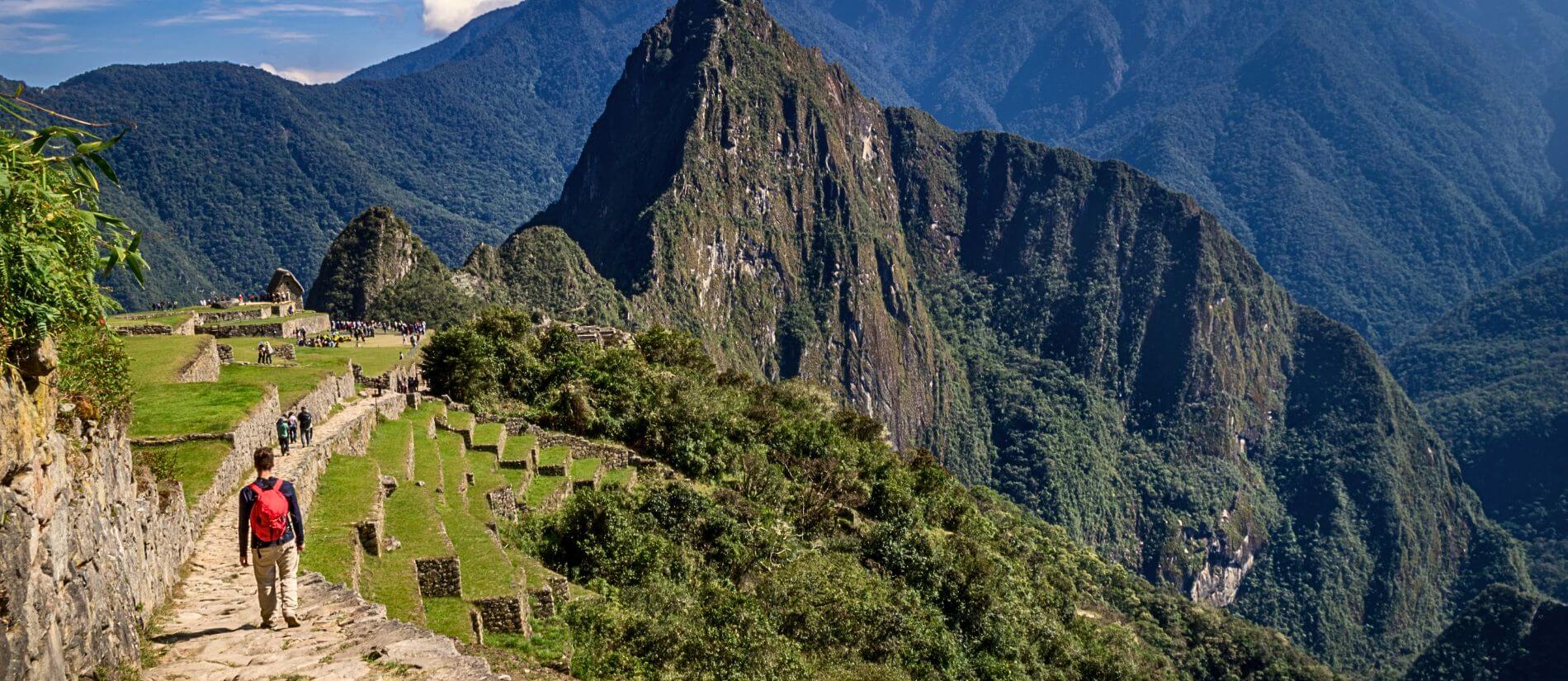
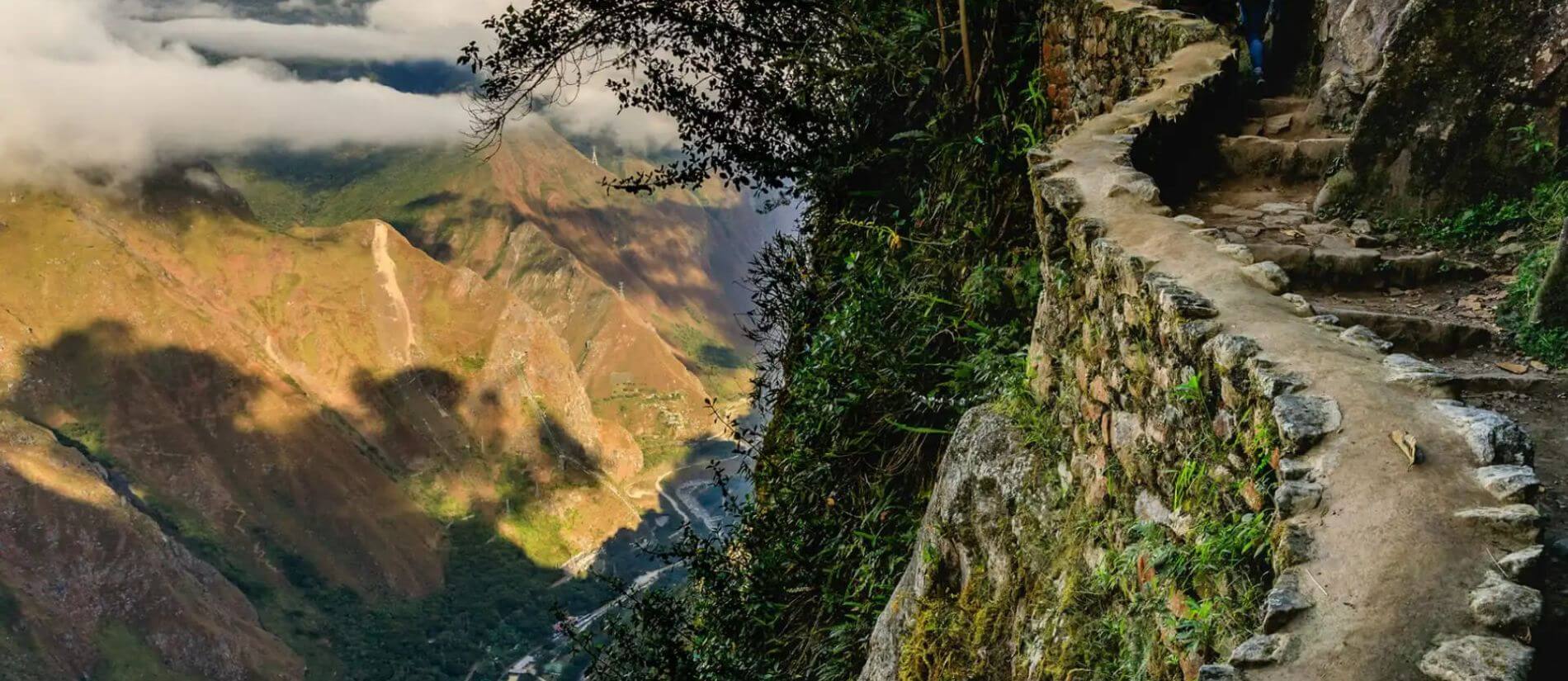
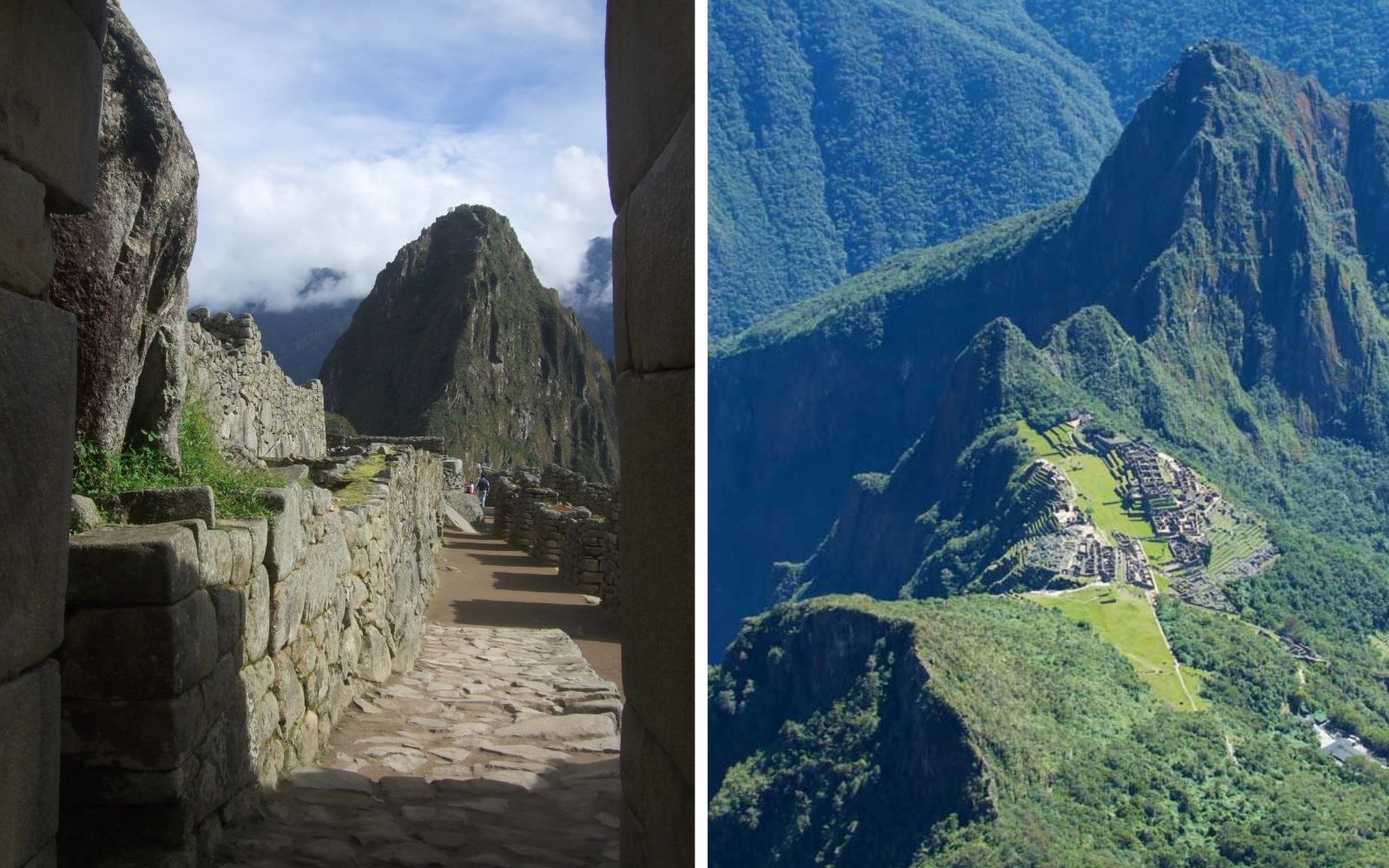
Machu Picchu: Peru's archaeological jewel, accessible by train from Ollantaytambo.
In Ayacucho:
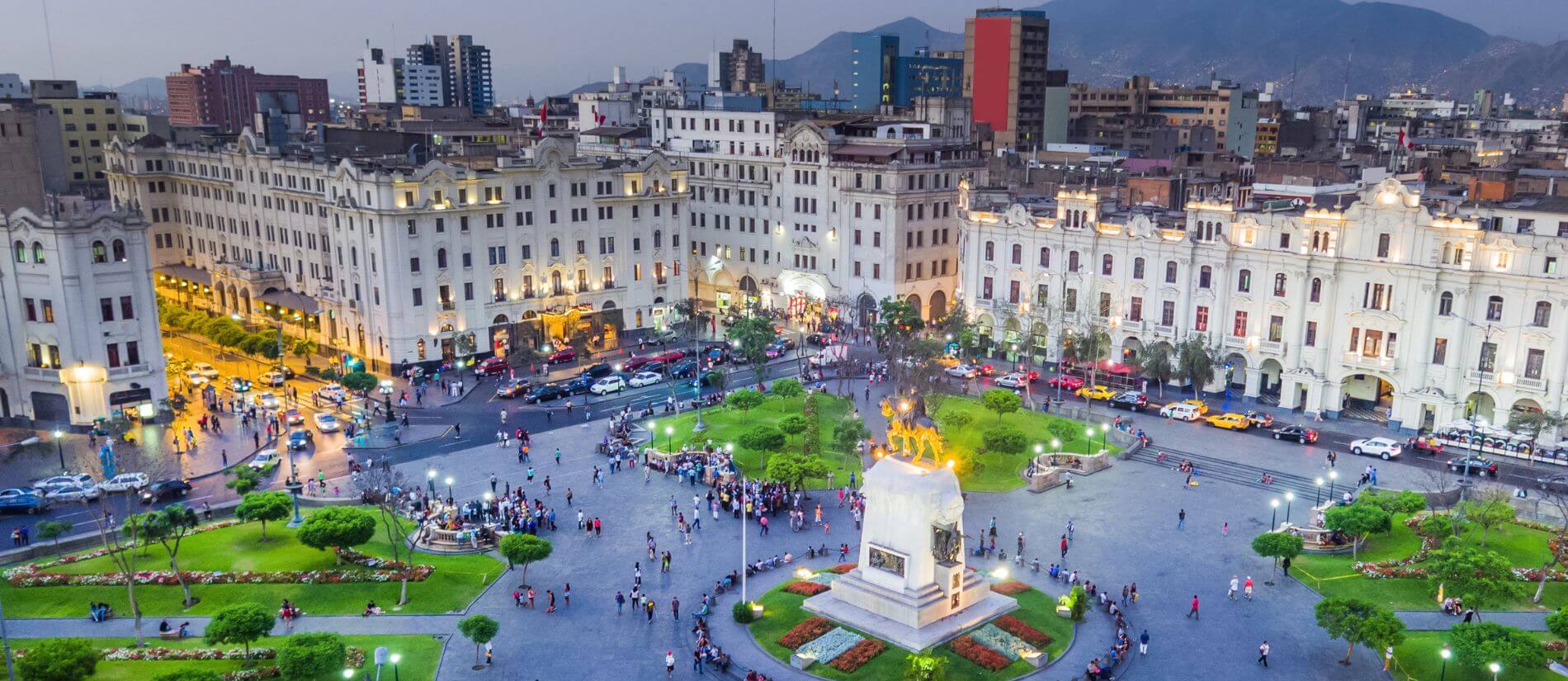
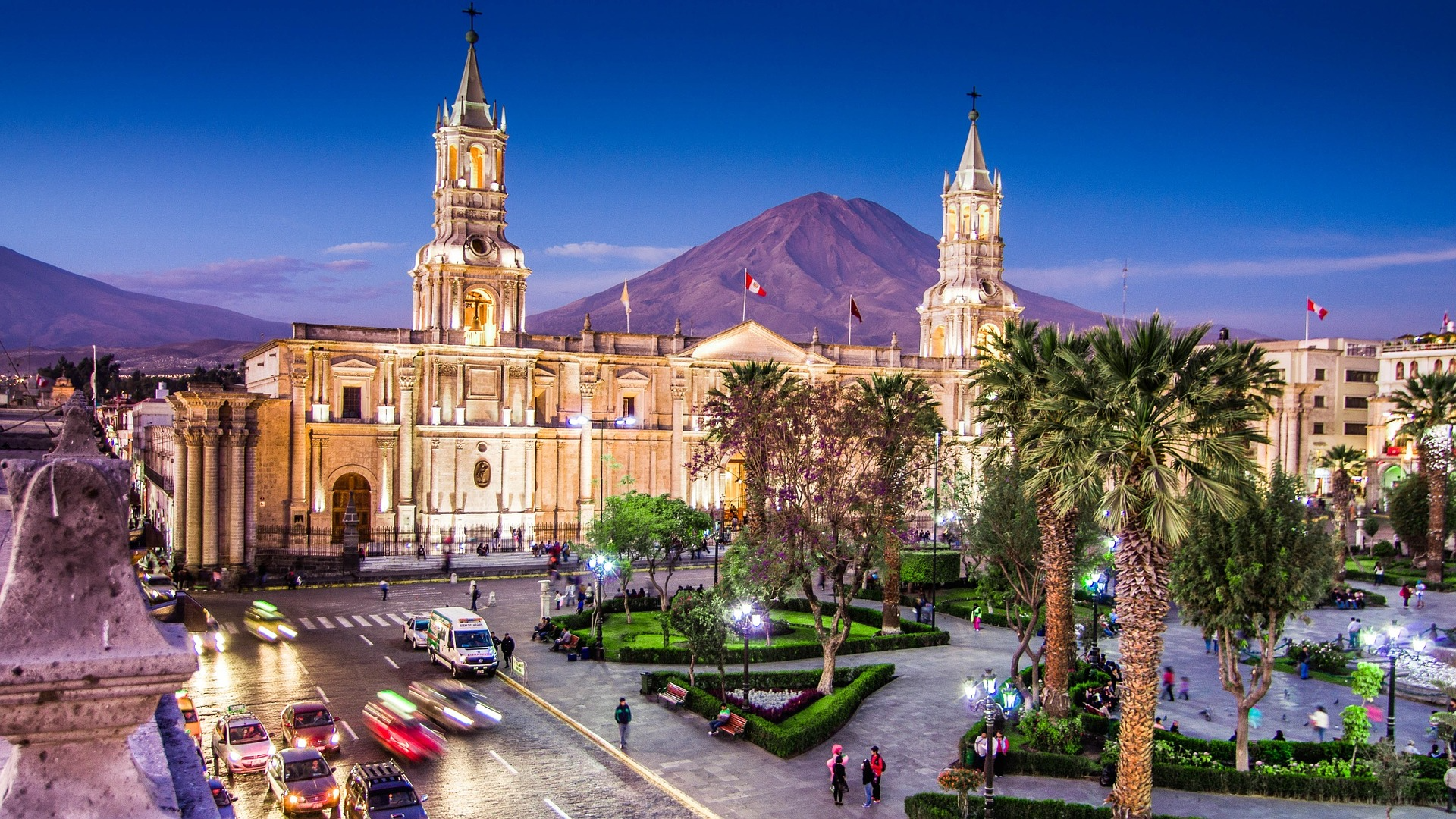
Plaza Mayor: One of the largest and most elegant squares in the country, surrounded by stone arches.
Colonial Churches Route: A tour through its famous 33 temples featuring impressive colonial architecture.
Wari Archaeological Complex: The capital of one of the largest and most important pre-Inca empires in the Andes.
Quinua and Pampa de Ayacucho: A village known for its master ceramic artisans and the historic site where Peru's independence was sealed.
Frequently Asked Questions About Carnivals in Peru
What is the most famous Carnival in Peru? Cajamarca Carnival, known as the "Capital of Peruvian Carnival", is one of the country's most iconic and largest celebrations. It stands out for the arrival of Ño Carnavalón, its colorful parades, and the creativity of its traditional verses.
When is Carnival celebrated in Cusco? As it is linked to the liturgical calendar, its dates vary each year between February and March. The celebration encompasses an entire festive cycle that begins with the Compadres and Comadres festivities, continues with the main Sunday celebration, and concludes with the traditional closing festivities.
What makes Ayacucho Carnival unique? Declared Cultural Heritage of the Nation, it stands out for the authenticity of its traditional comparsas, Quechua singing and elegant traditional costumes, making it an important expression of Andean folklore and music.
Can I travel to Cusco during Carnival? Yes, it is an excellent time to experience the local festivities while also visiting iconic attractions such as Machu Picchu, the Sacred Valley, and Sacsayhuamán. It is advisable to book tickets and accommodation well in advance due to the high number of visitors.
What should I bring to enjoy Carnival? It is recommended to wear comfortable clothes that can get wet, bring a dry change of clothes, sunscreen, a hat, and waterproof covers to protect electronic devices and documents from water and talcum powder.
Leave us your answer or if you have any questions, ask us.
Related Blogs
Learn more with our blogs about Cusco and discover routes, tips, and unique experiences. Find the perfect guide to plan your next trip and explore Cusco’s attractions safely.
We are a Cusco-based company with a presence in the cities of Lima, Puno, and Arequipa. We have a solid and experienced team, and we are focused on serving and satisfying all our customers.