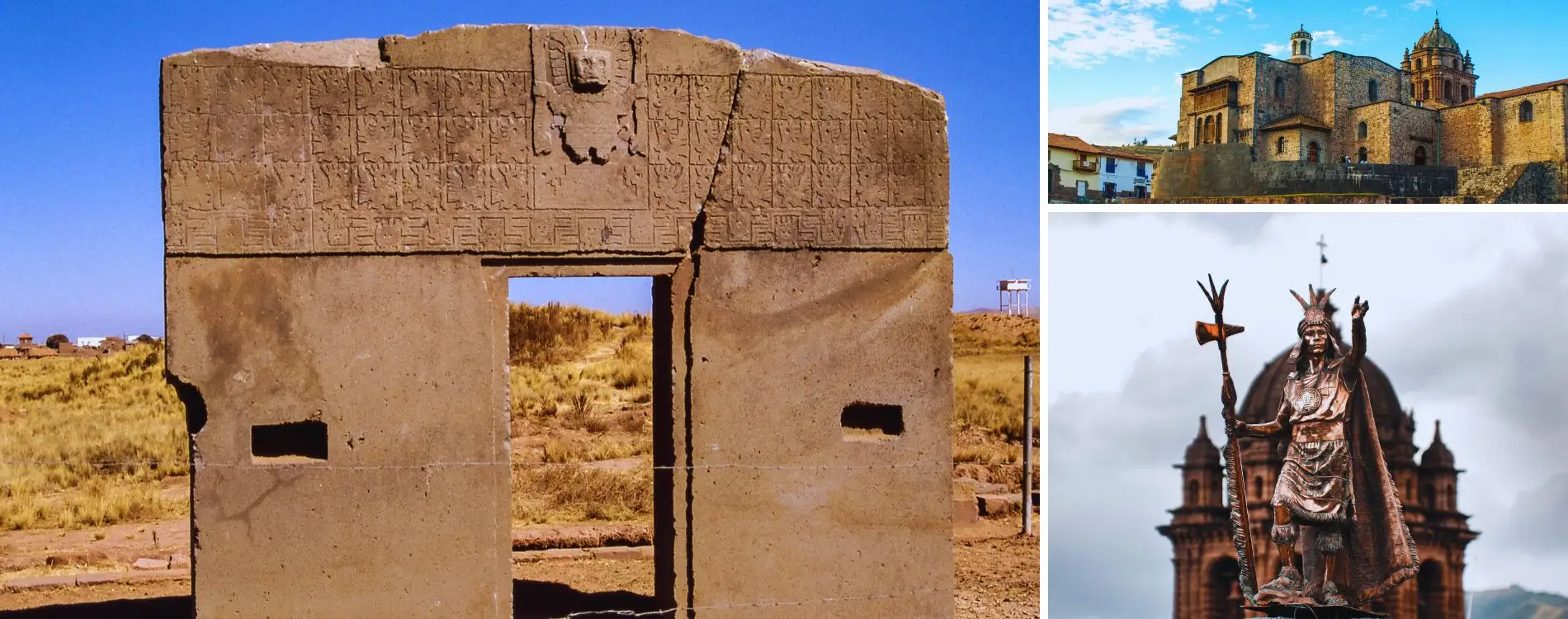
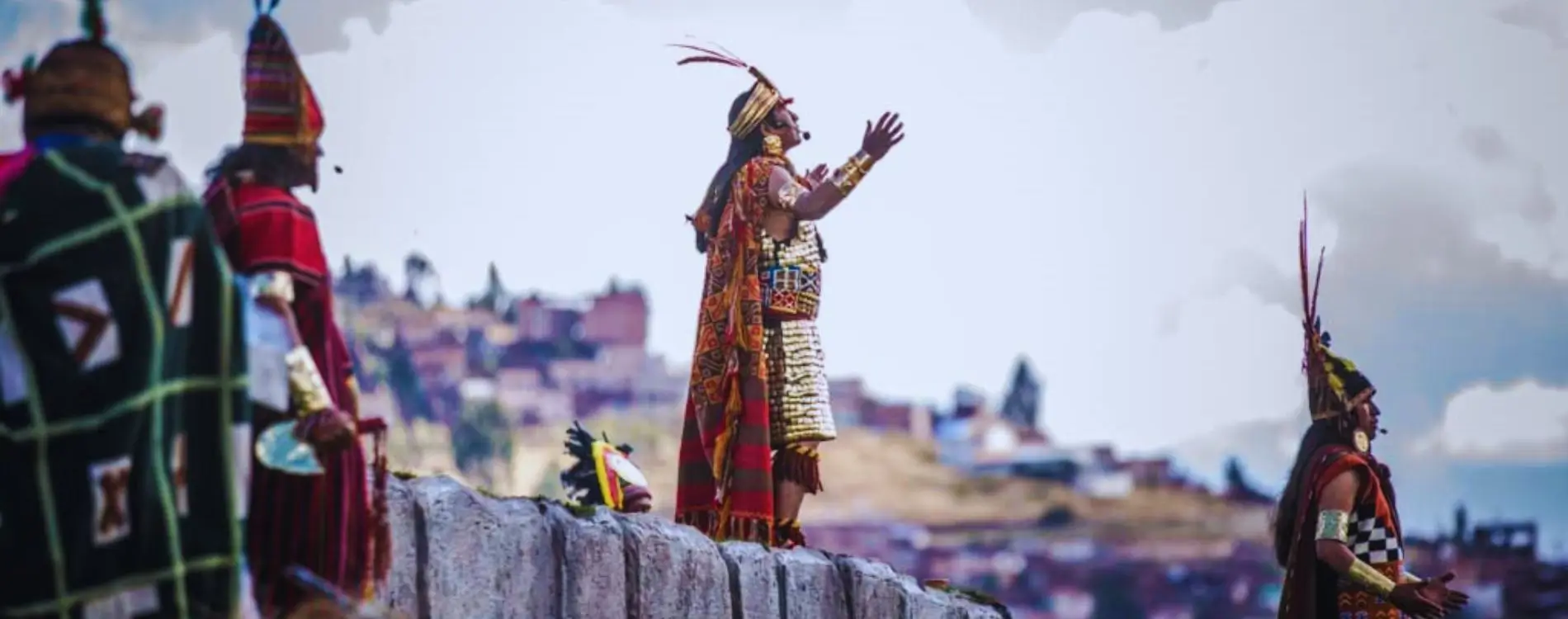
Peru’s Independence Day celebrations are, without a doubt, among the country's most important and eagerly anticipated events of the year. Every July 28 and 29, millions of Peruvians come together to commemorate the nation's independence through parades, official ceremonies, cultural fairs, and the cherished family gatherings that reflect our pride in Peru’s history, traditions, and remarkable cultural diversity.
More than just a long holiday, these dates provide the perfect opportunity to reconnect with our roots, strengthen our national identity, and celebrate the extraordinary cultural heritage found in every corner of Peru.
| Aspect | Information |
| Celebration Dates | Peru’s Independence Day celebrations take place every July 28 and 29 throughout the country. |
| Origin | They commemorate the Proclamation of Peru’s Independence, declared by José de San Martín on July 28, 1821. |
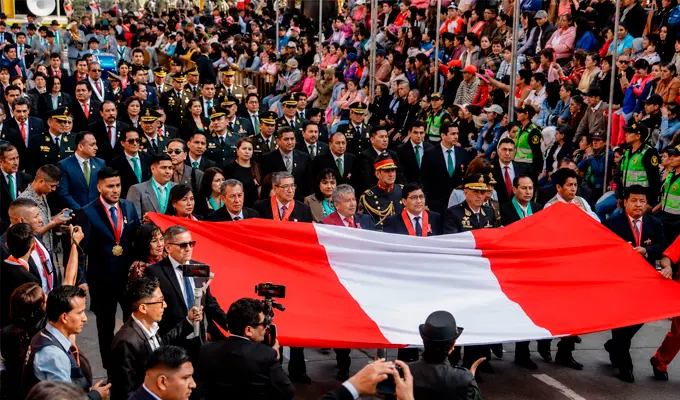
| Main Celebrations | On July 28, official ceremonies and the President’s Address to the Nation take place. On July 29, the traditional Grand Military Parade is the highlight of the festivities. |
| Traditions | Throughout July, Peru is decorated with flags and patriotic emblems while hosting school parades, food festivals, artisan fairs, and traditional dances. |
| Importance | These celebrations are among the country's most significant national holidays, strengthening national identity while promoting tourism and showcasing Peru’s rich cultural heritage. |
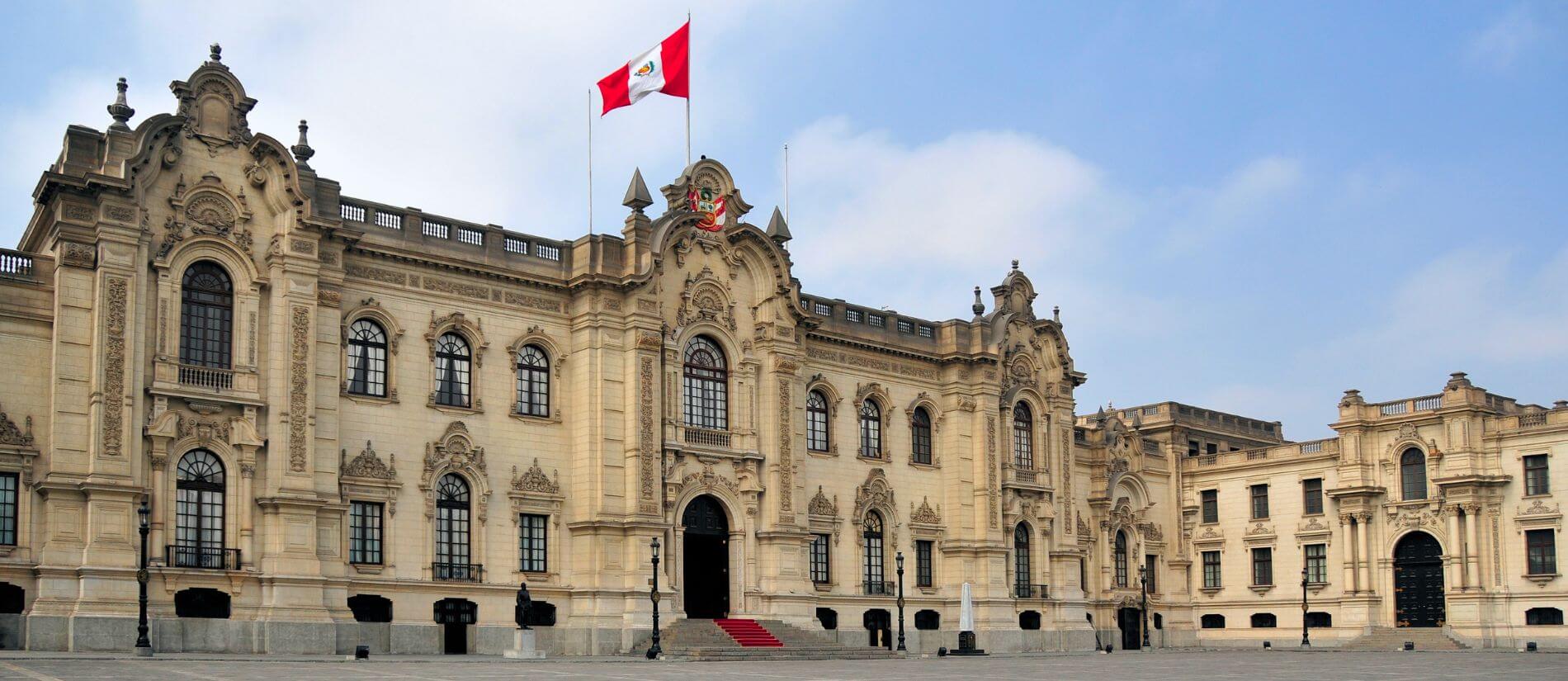
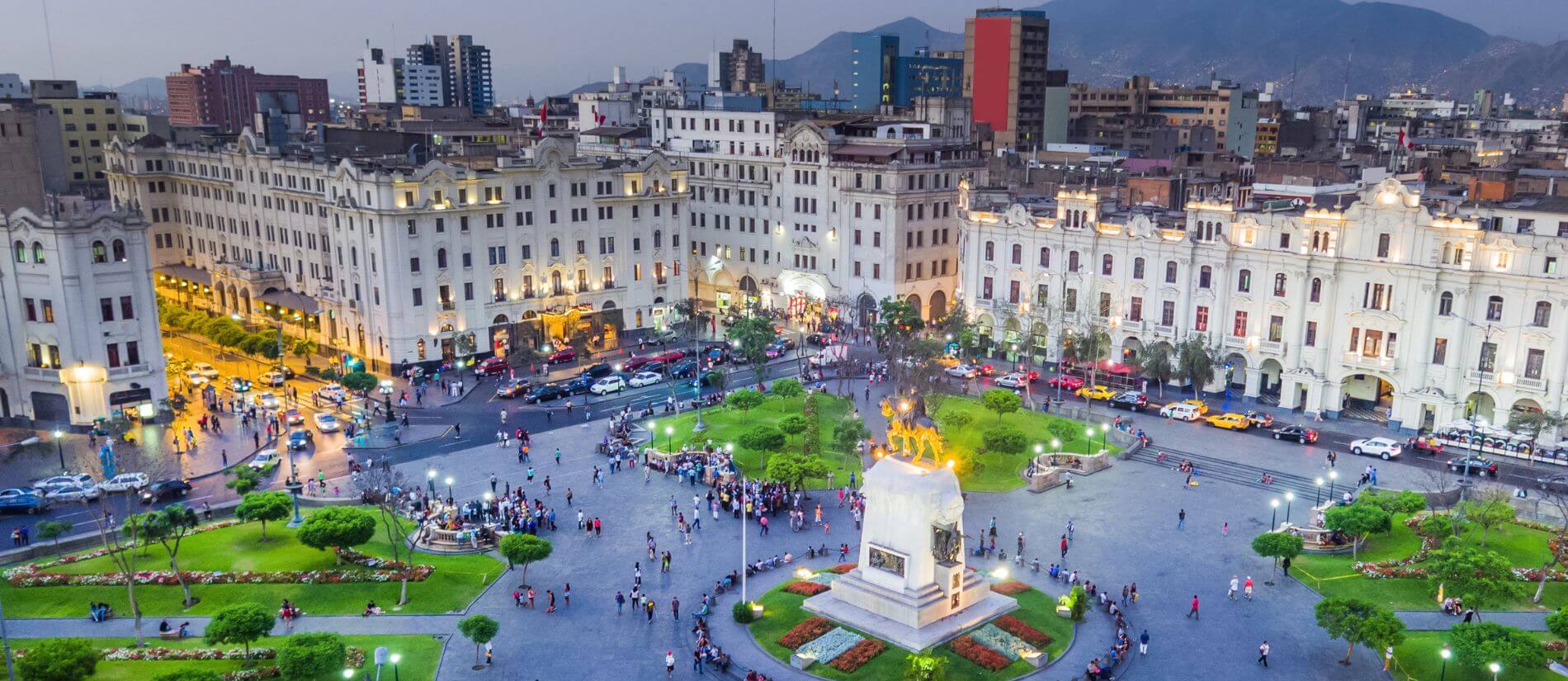
Peru’s Independence Day celebrations commemorate the historic moment when General José de San Martín proclaimed the Independence of Peru on July 28, 1821, in Lima’s Main Square (Plaza Mayor). This landmark event forever changed the country's course, marking the beginning of a free and sovereign Peru, ending Spanish colonial rule, and paving the way for the birth of the Republic we know today.
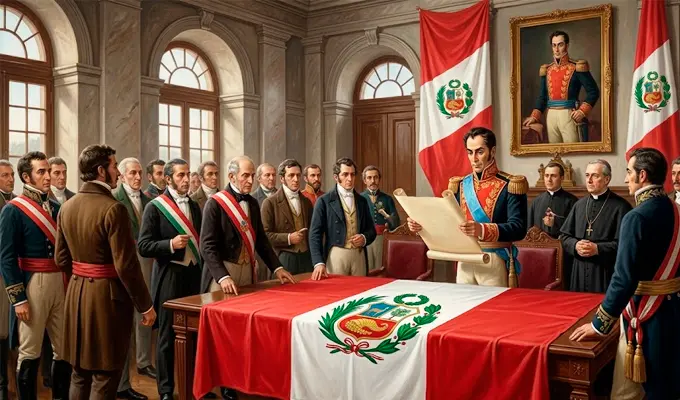
July 28 is the main day of the national celebrations. The day begins with the traditional flag-raising ceremony and the President’s Address to the Nation, accompanied by numerous civic events held in public squares across the country.
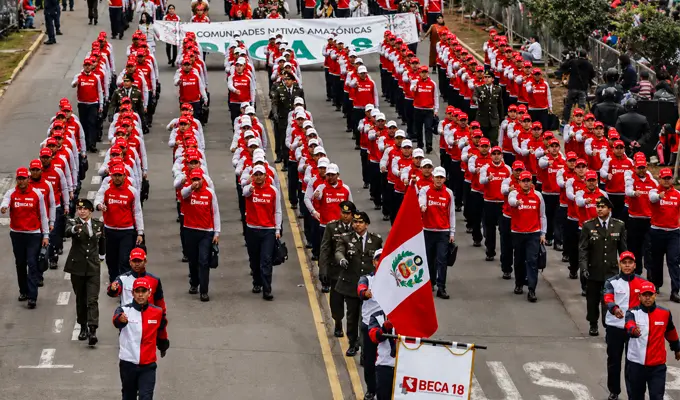
On July 29, the spotlight turns to the Peruvian Armed Forces and National Police. Streets are closed for the traditional Grand Military Parade, one of the most anticipated, emotional, and iconic events of Peru’s Independence Day celebrations.
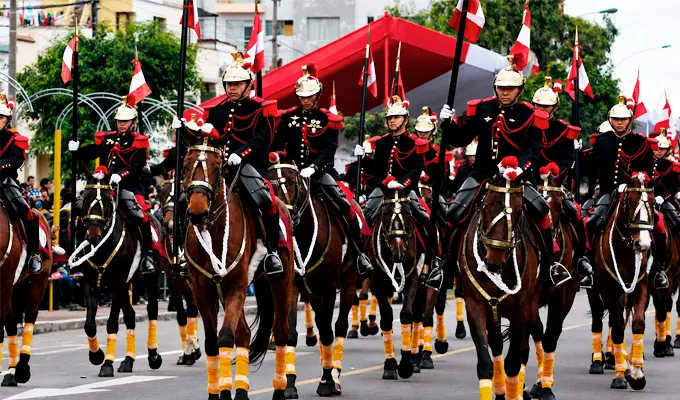
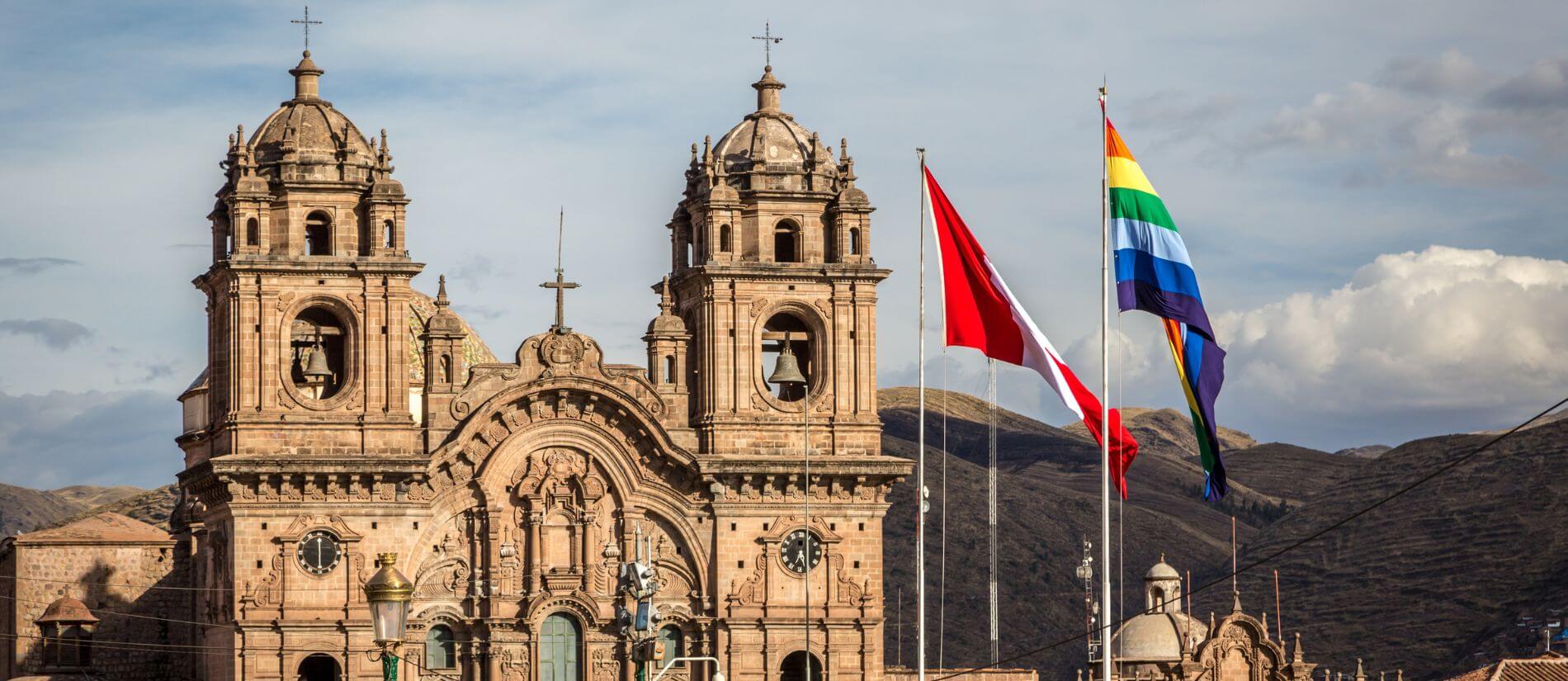
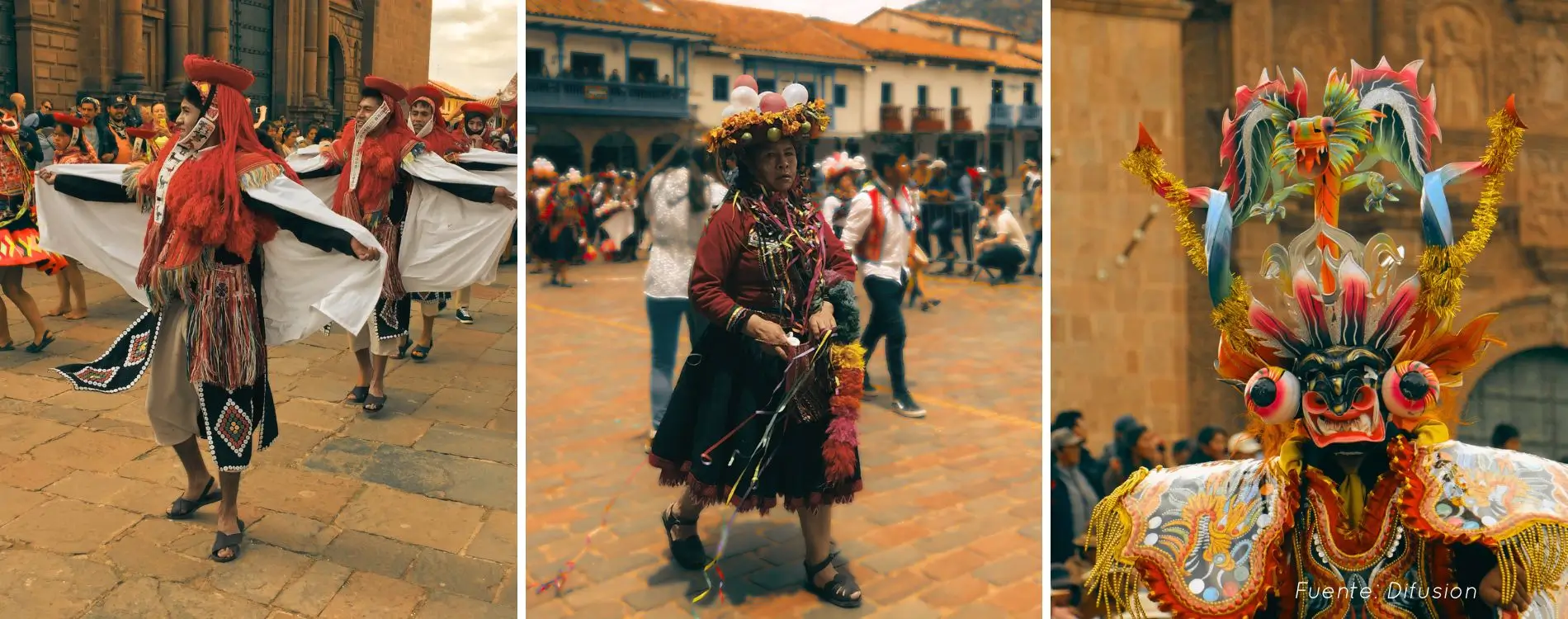
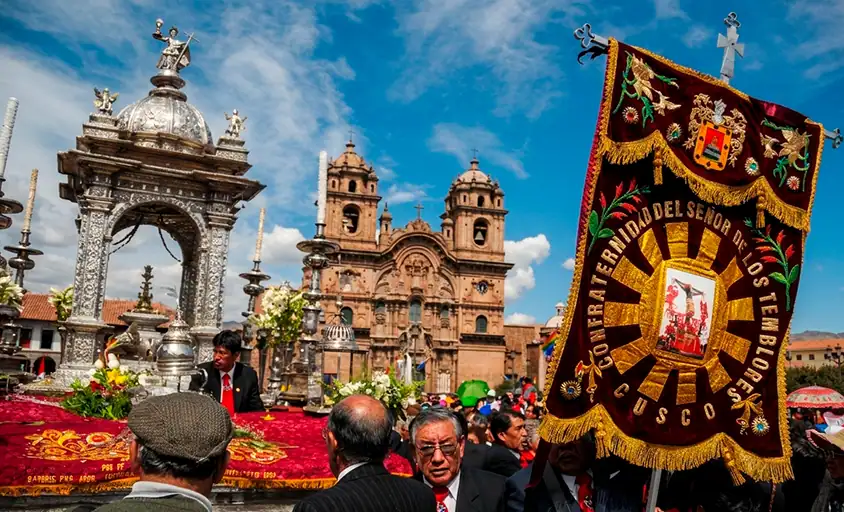
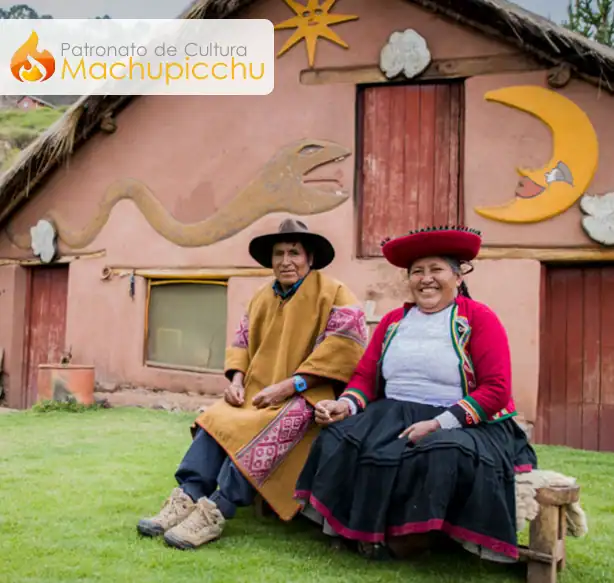
Throughout the month of July, Peru’s cities and towns are transformed as they are decorated in red and white with flags and patriotic cockades on every corner. The calendar also comes alive with school parades, food festivals, concerts, artisan fairs, and colorful traditional dances that showcase the rich cultural heritage of every region.
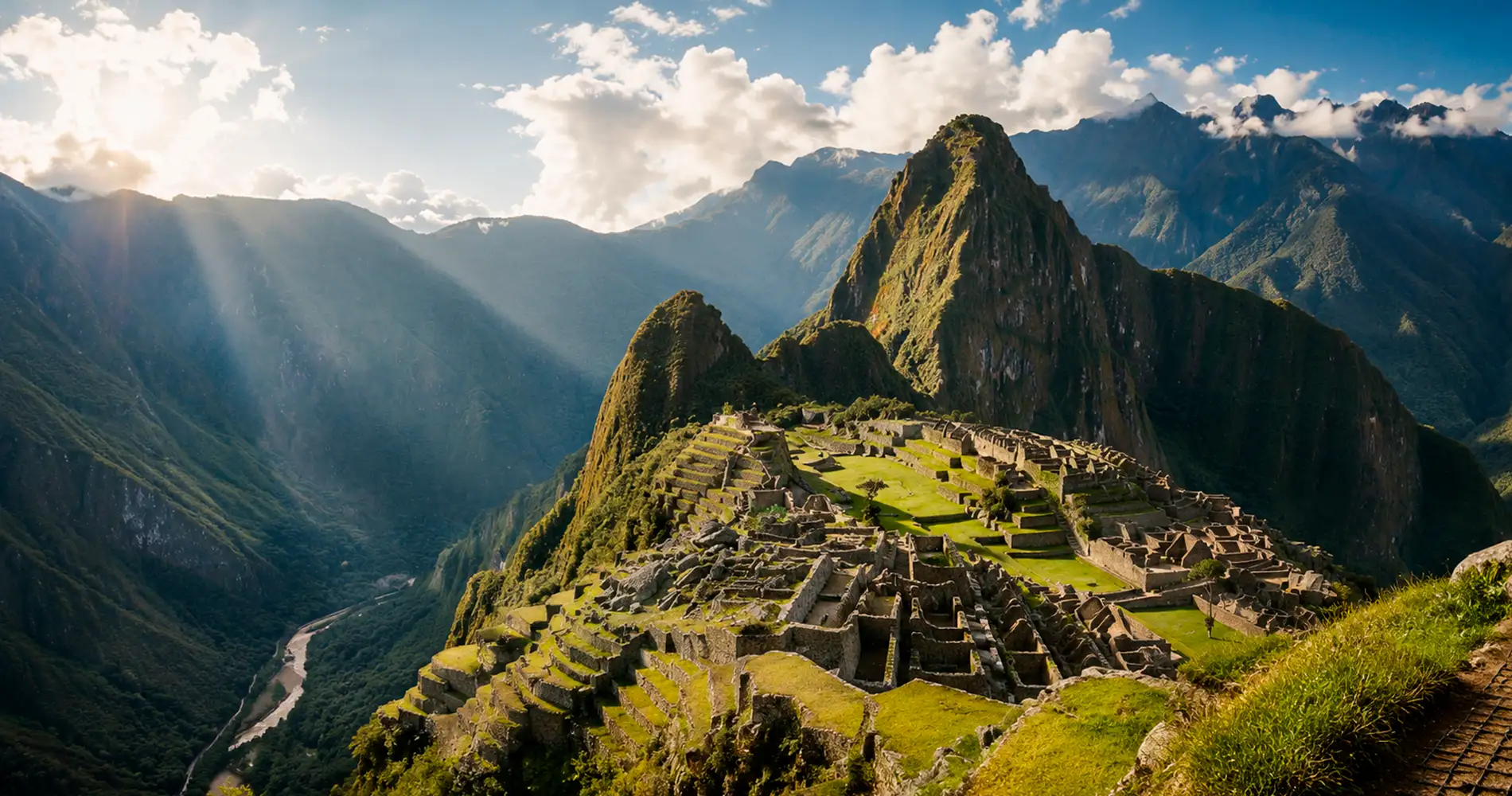
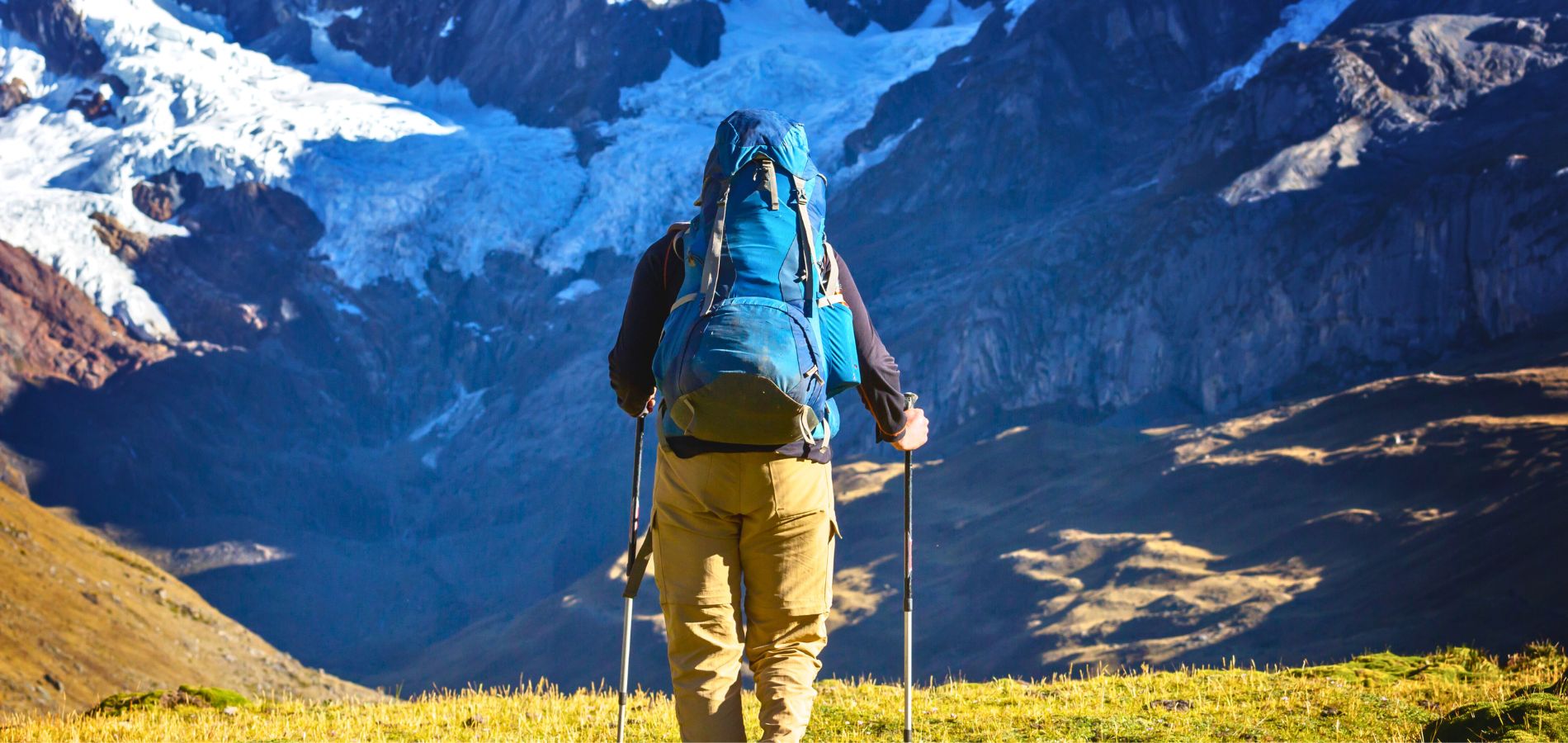
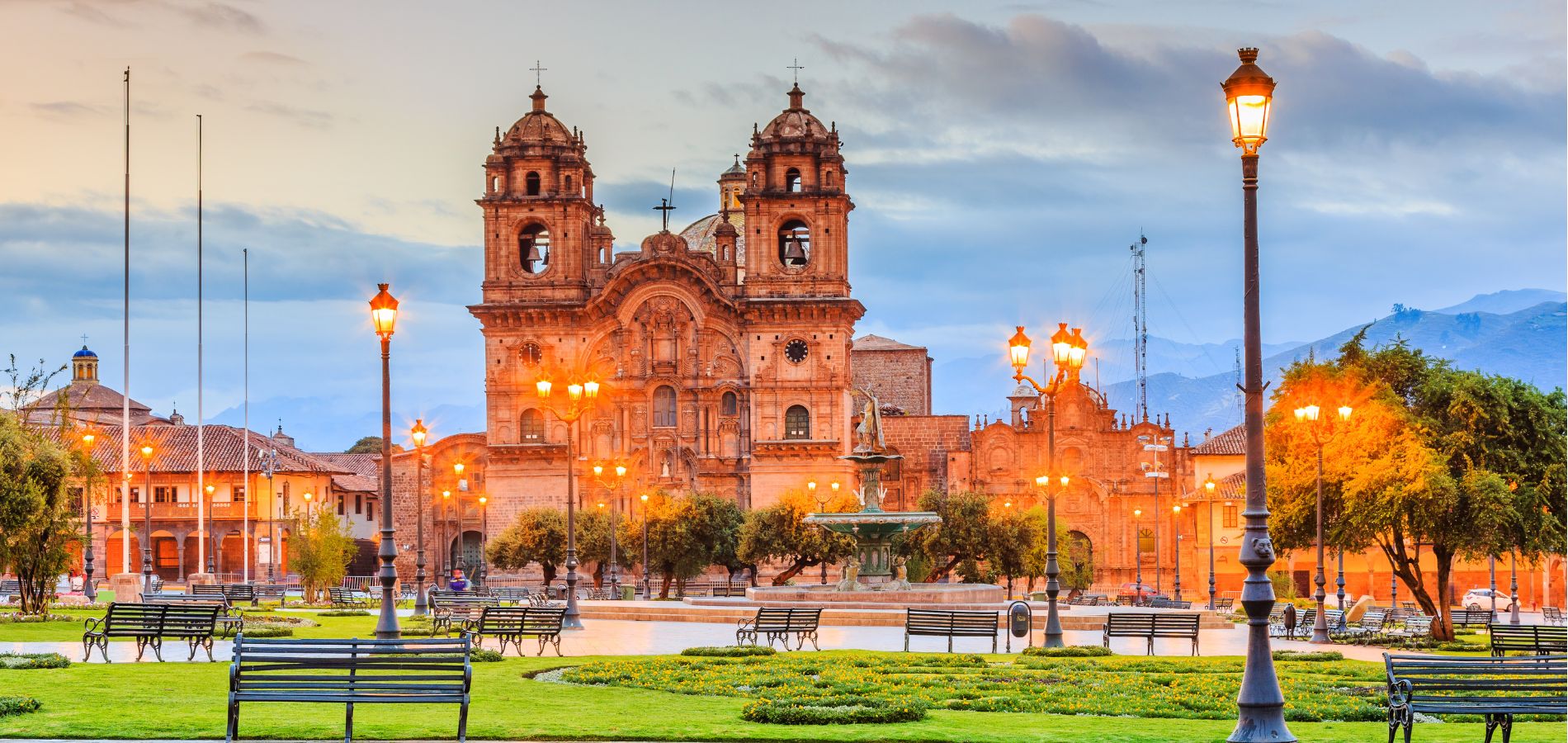
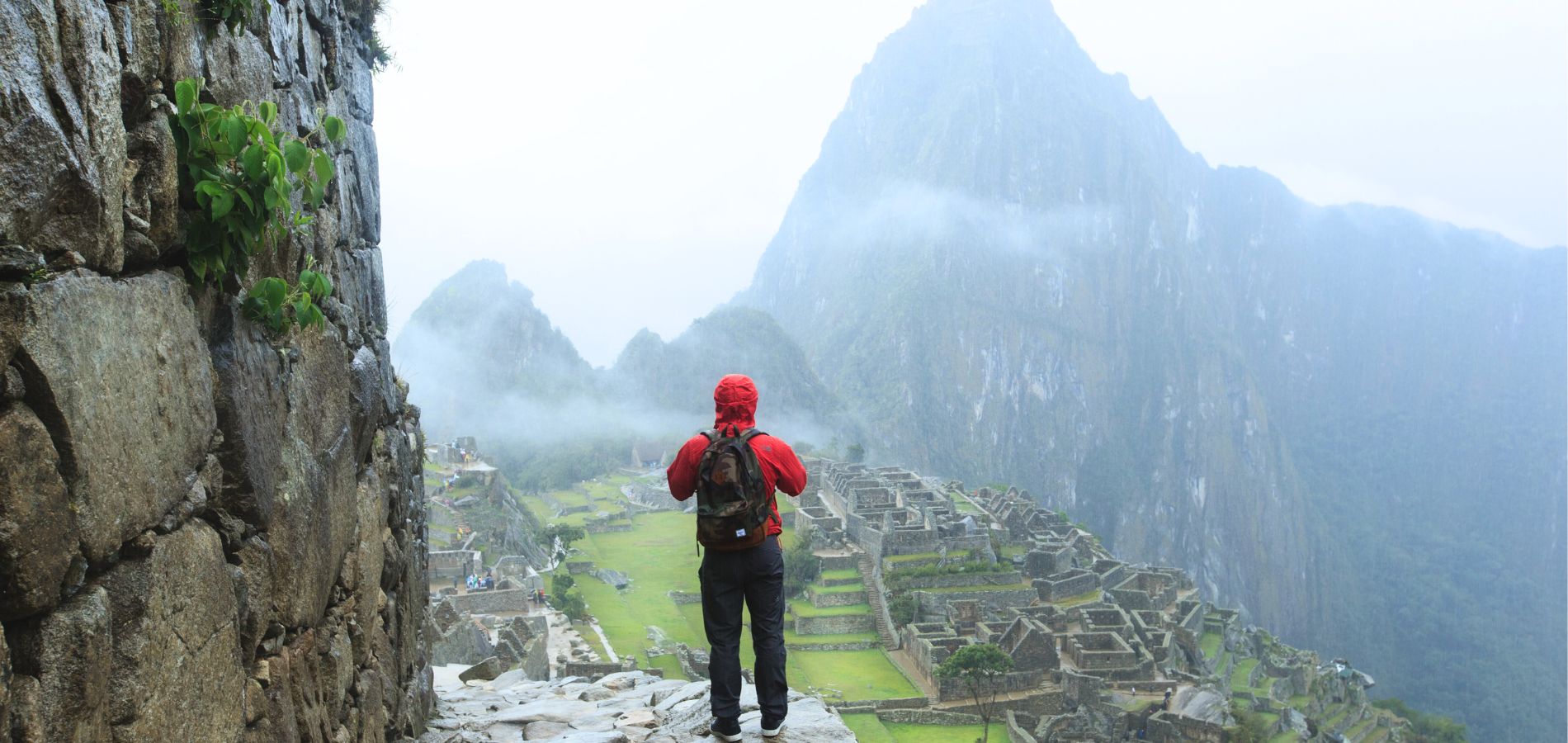
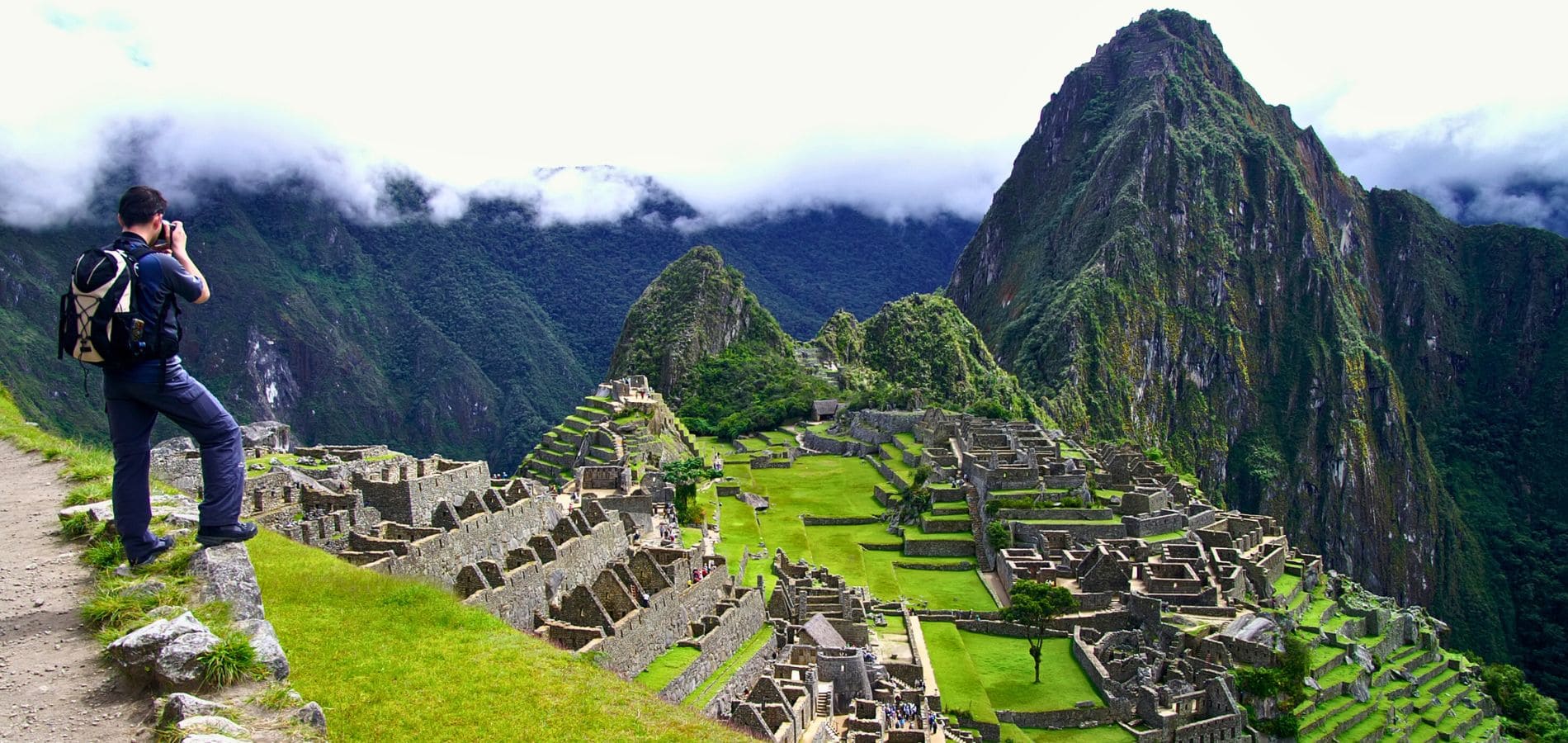
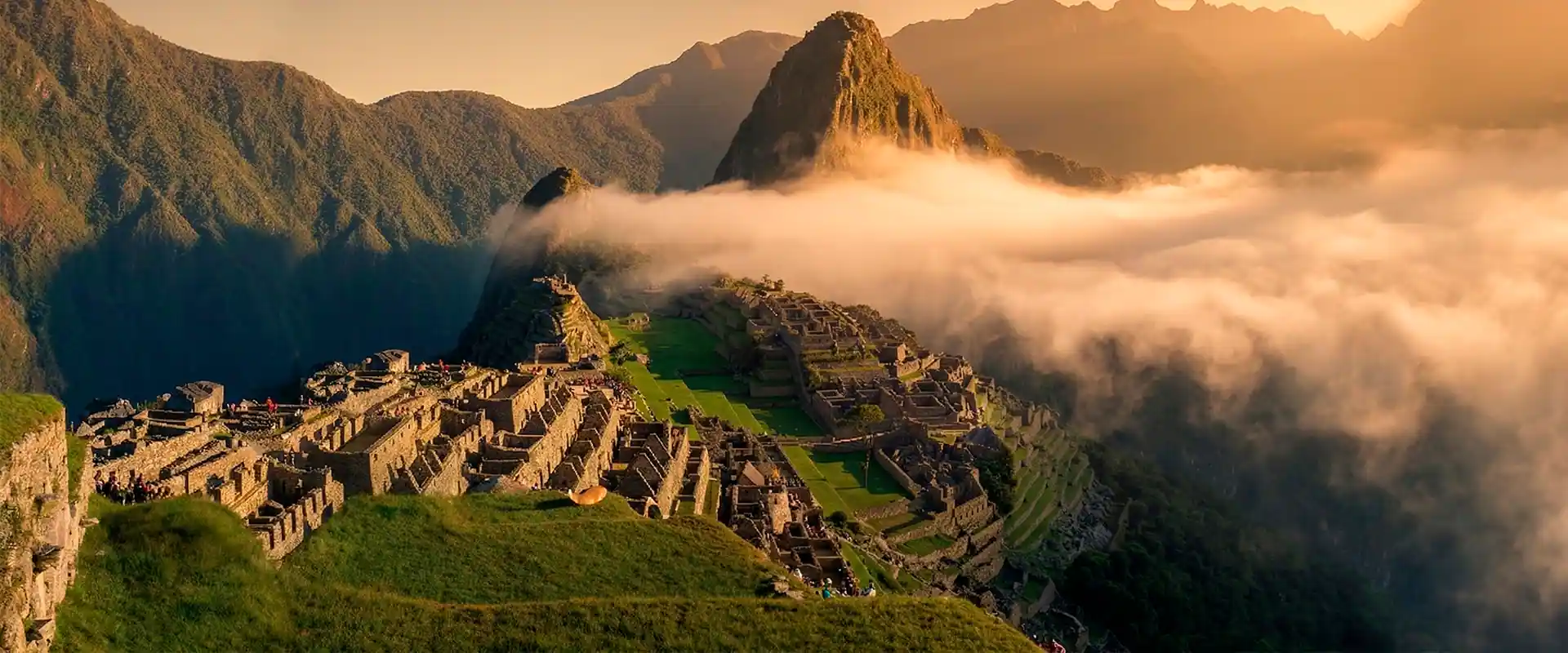
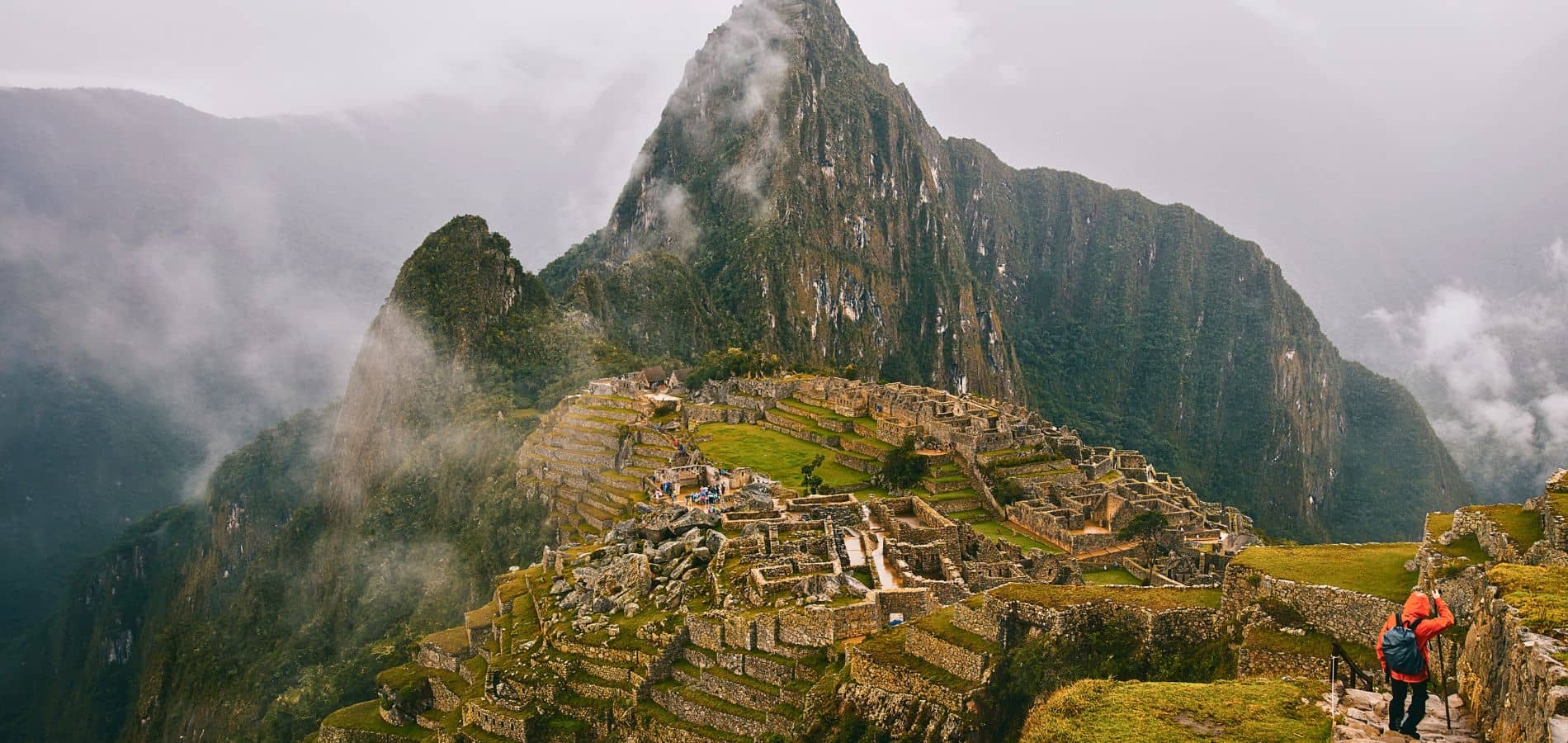
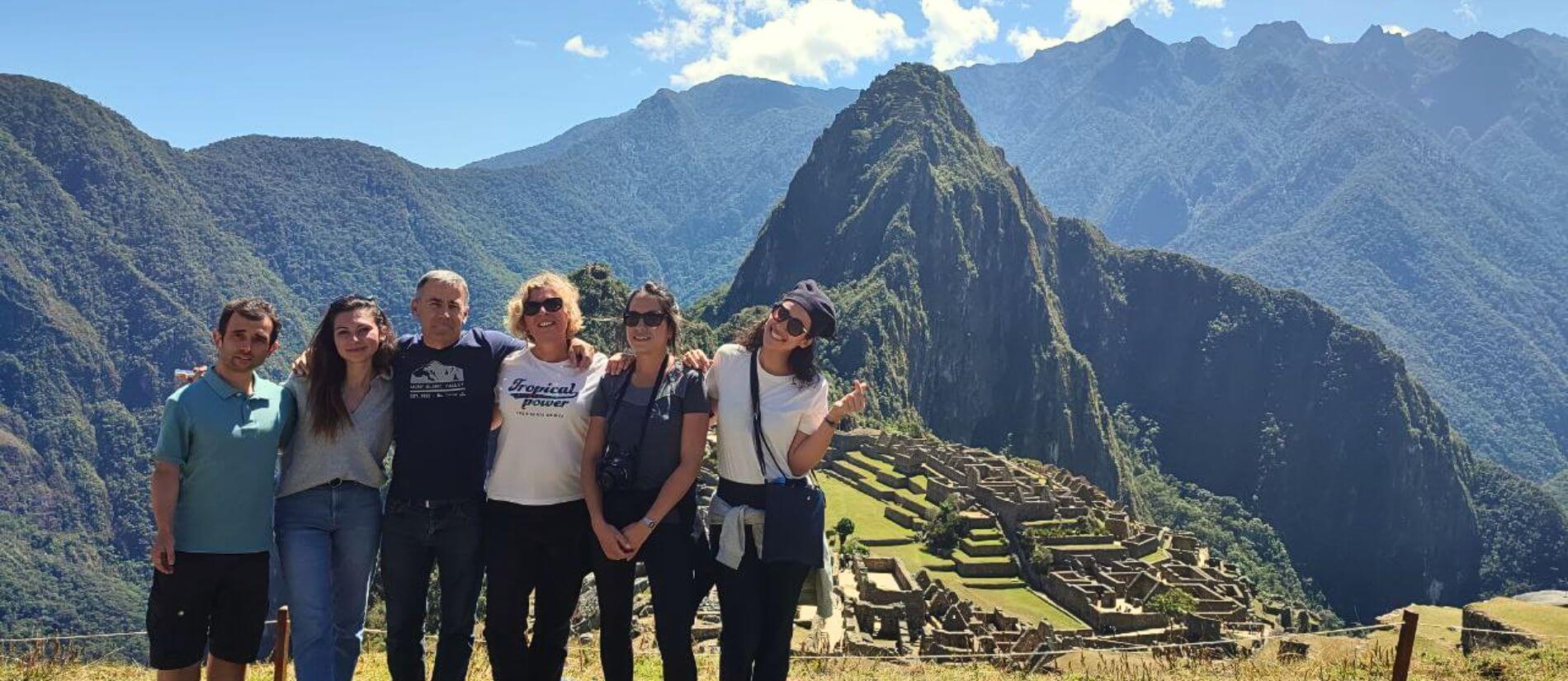
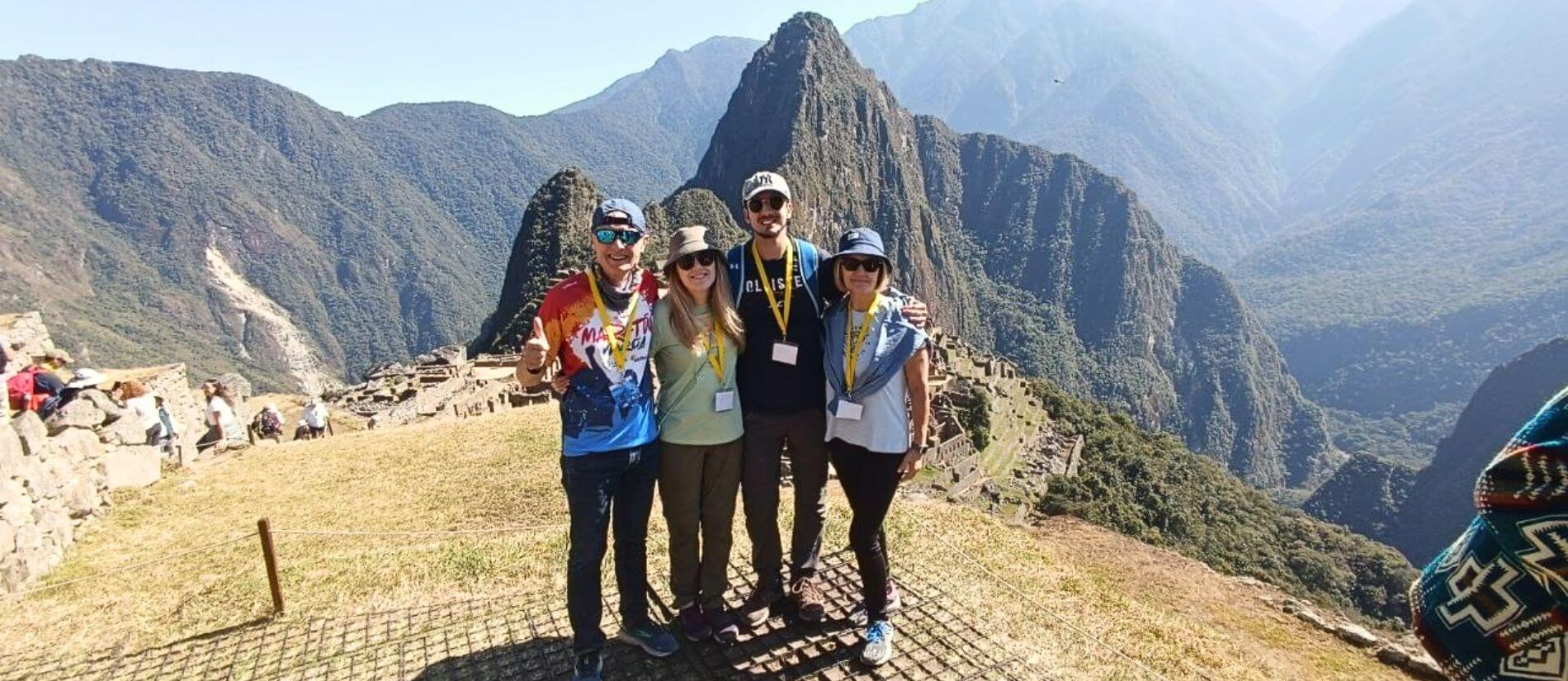
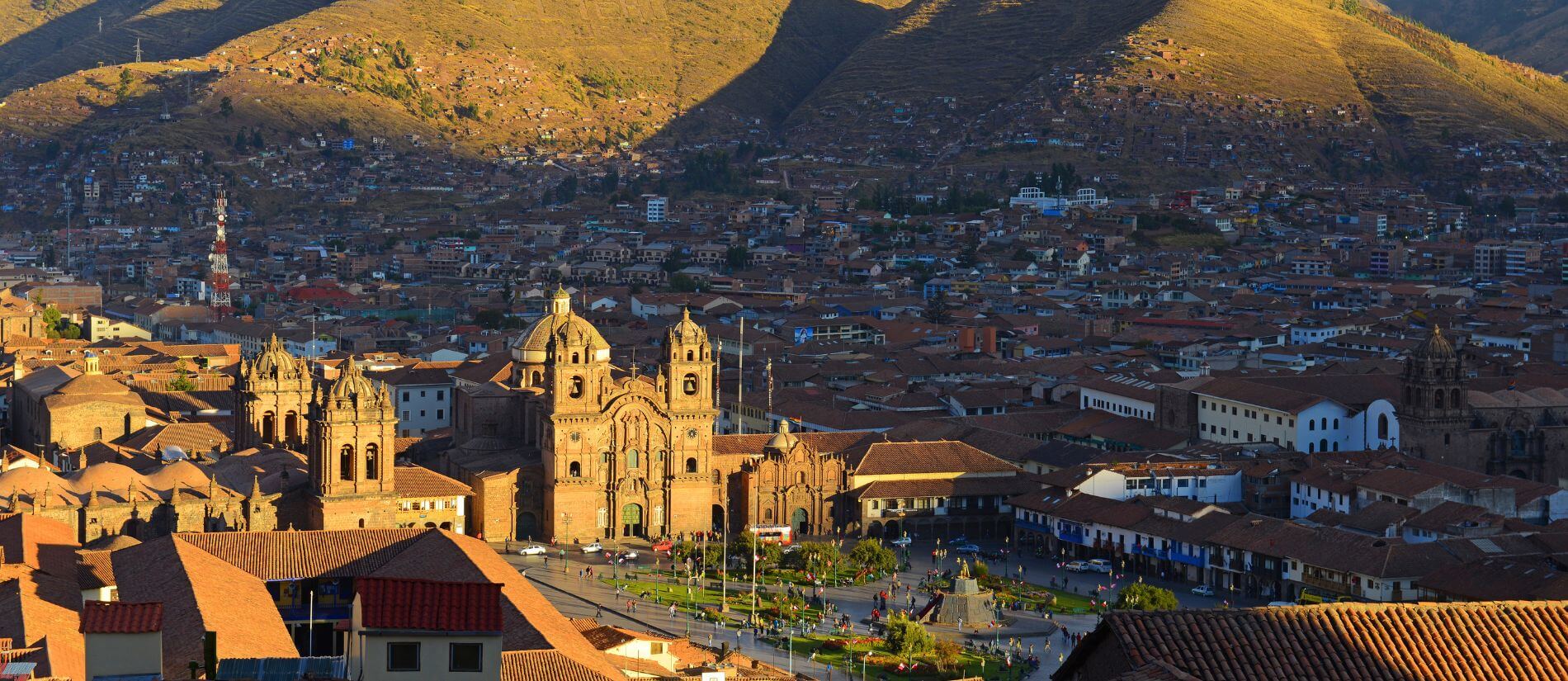
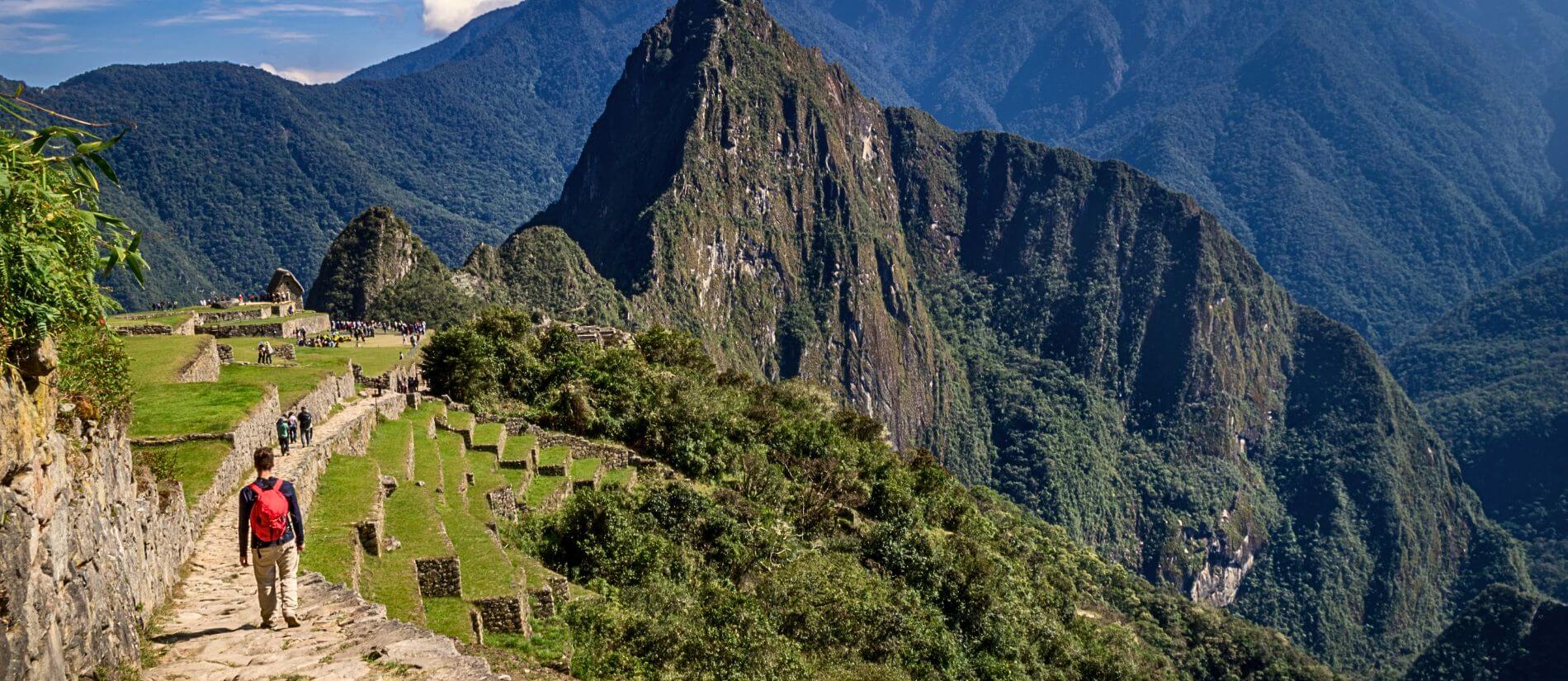
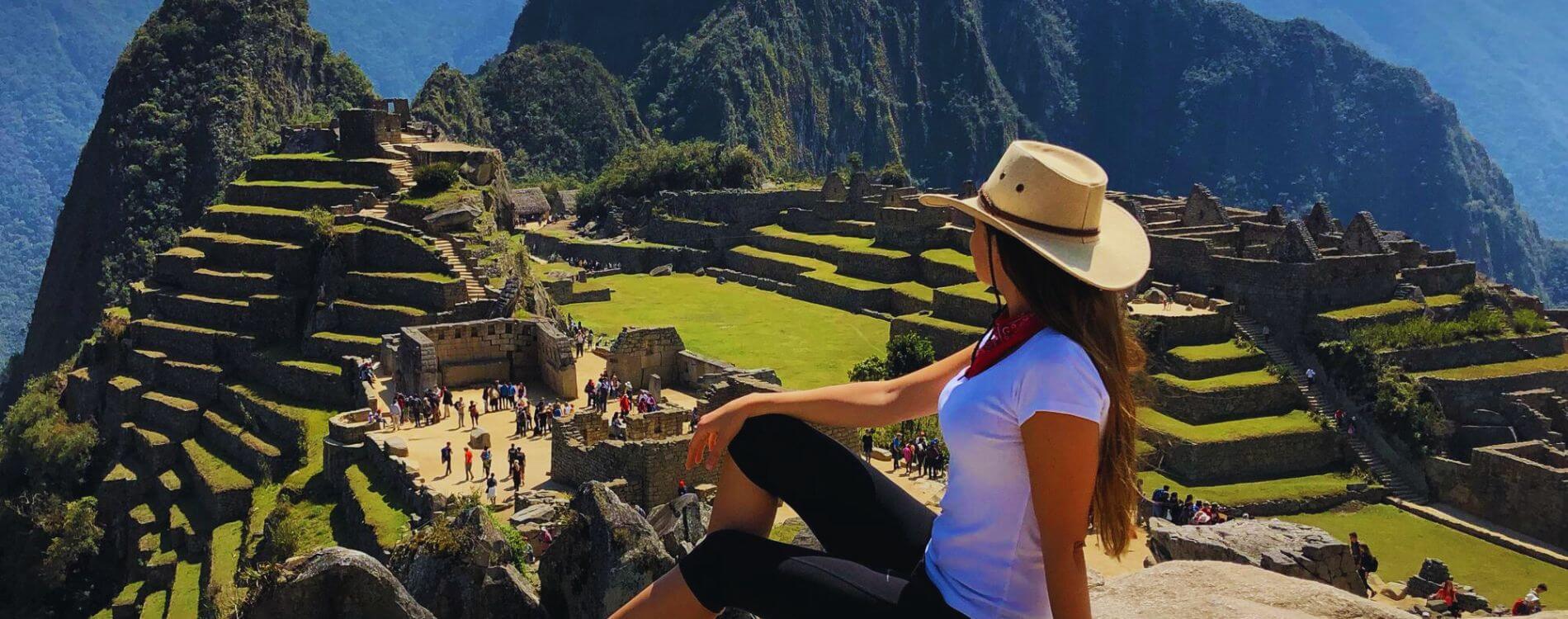
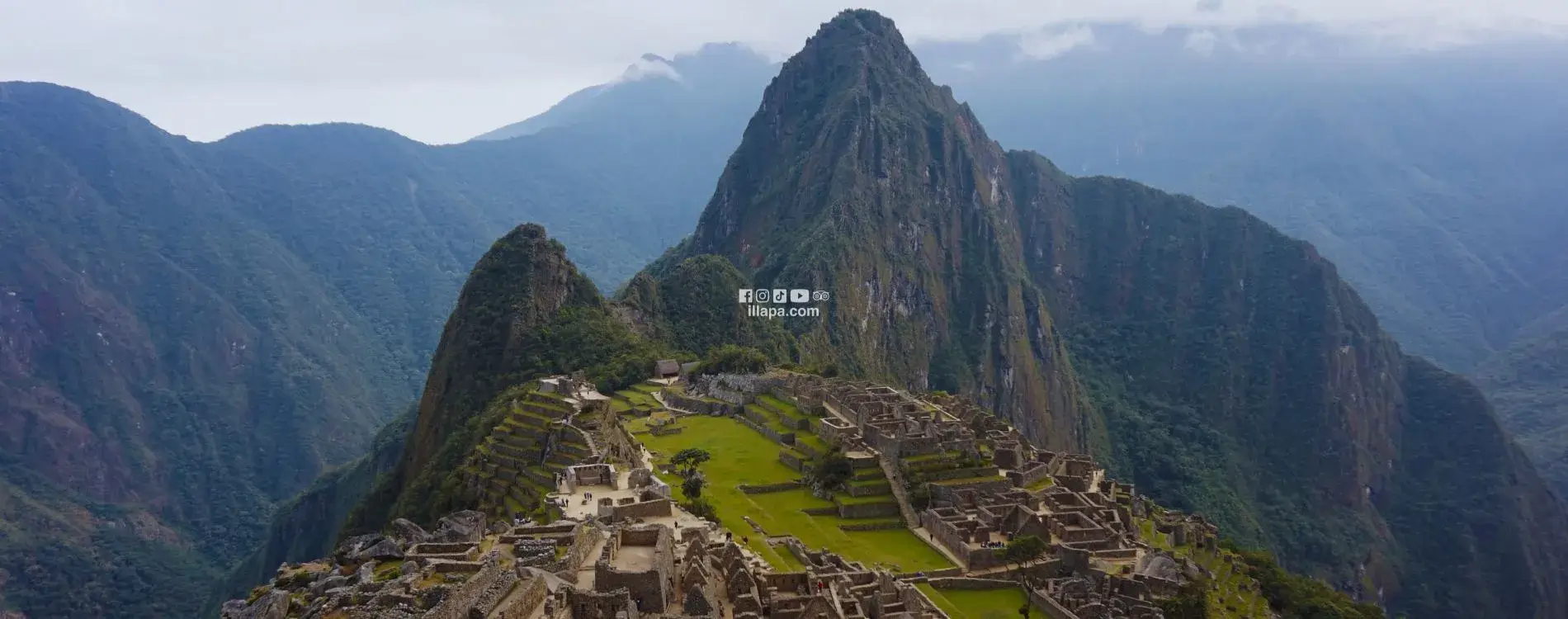
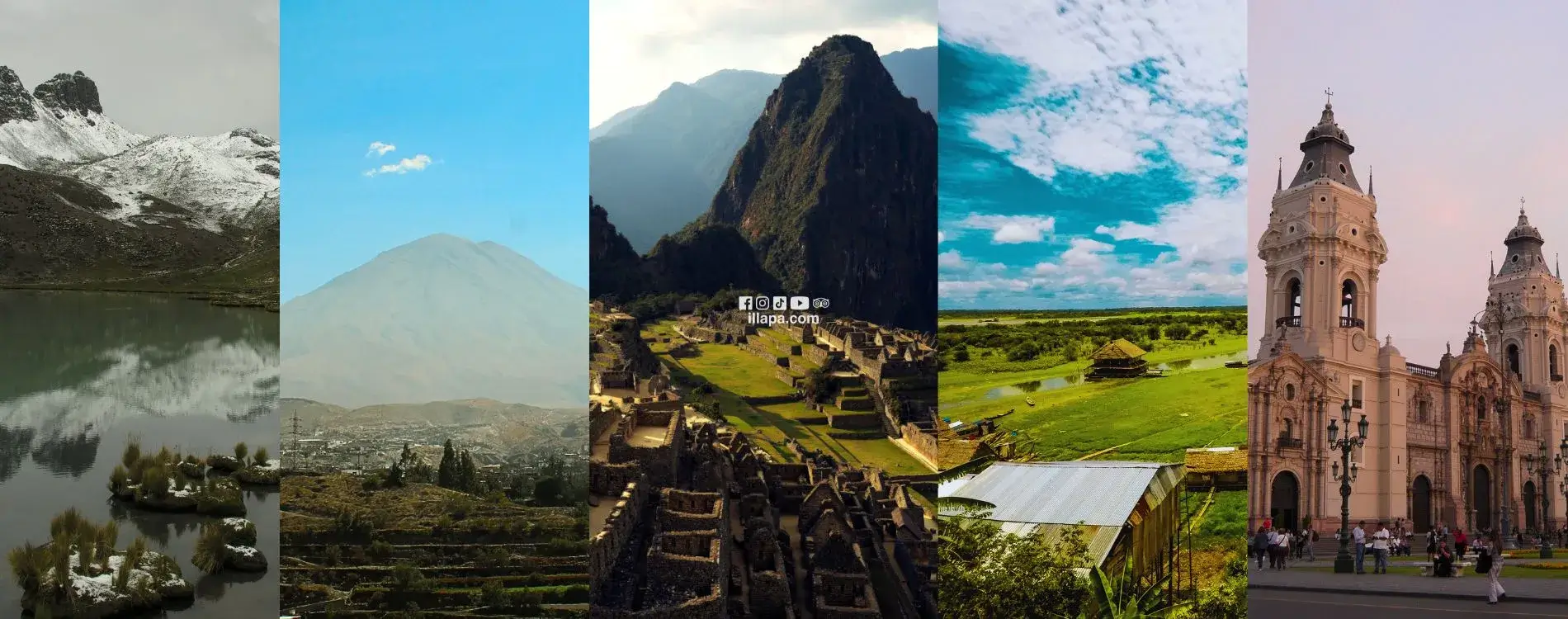
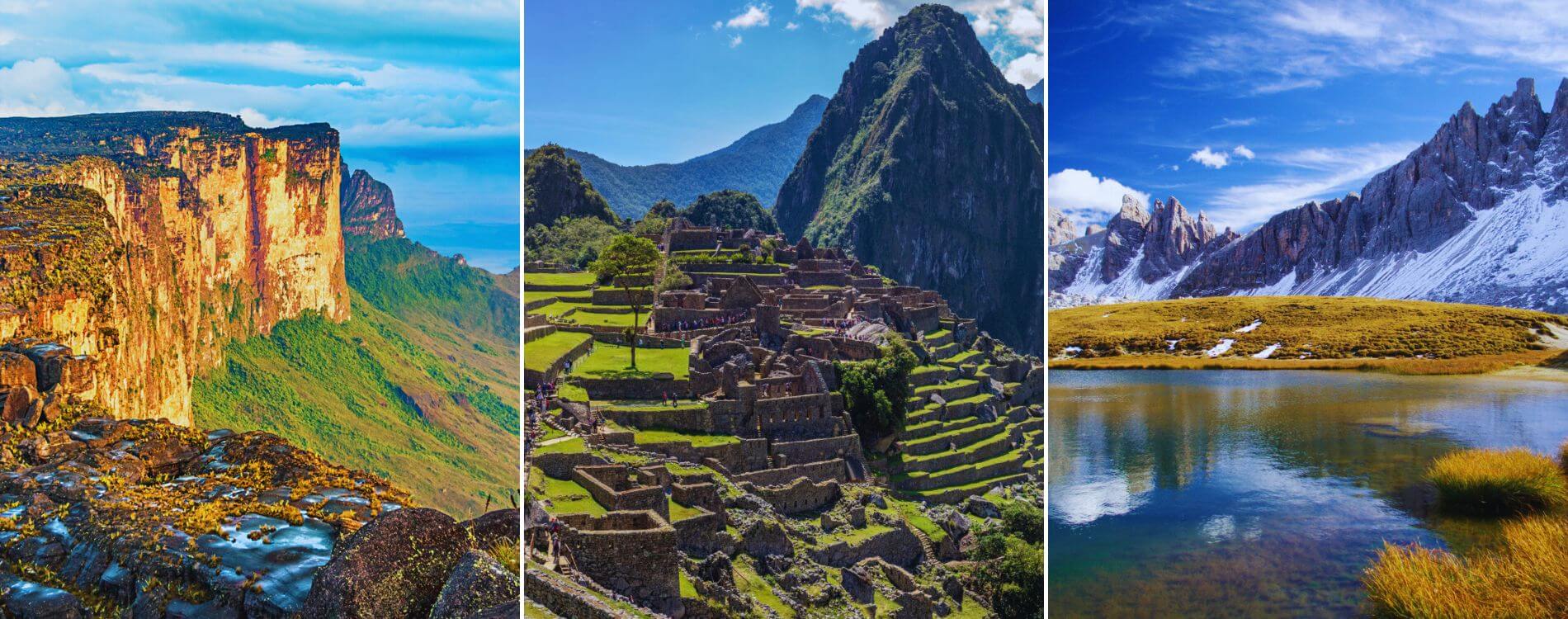
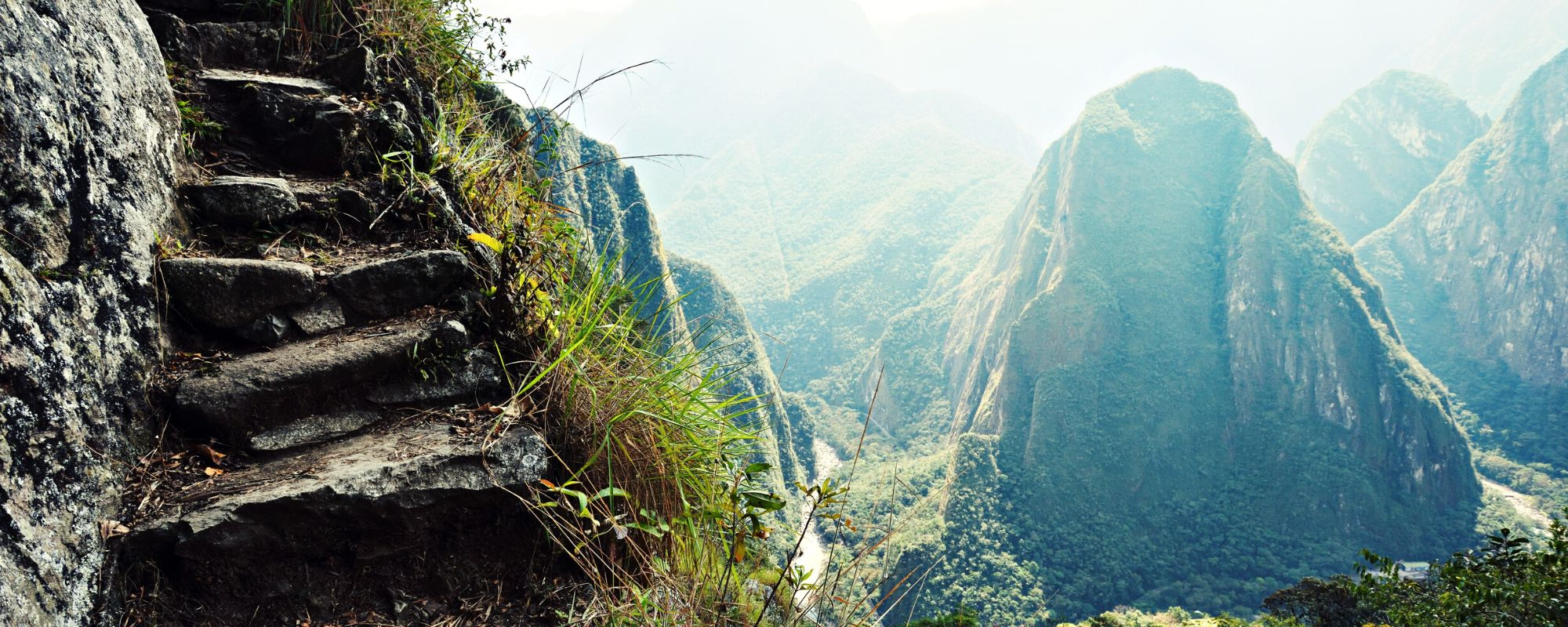
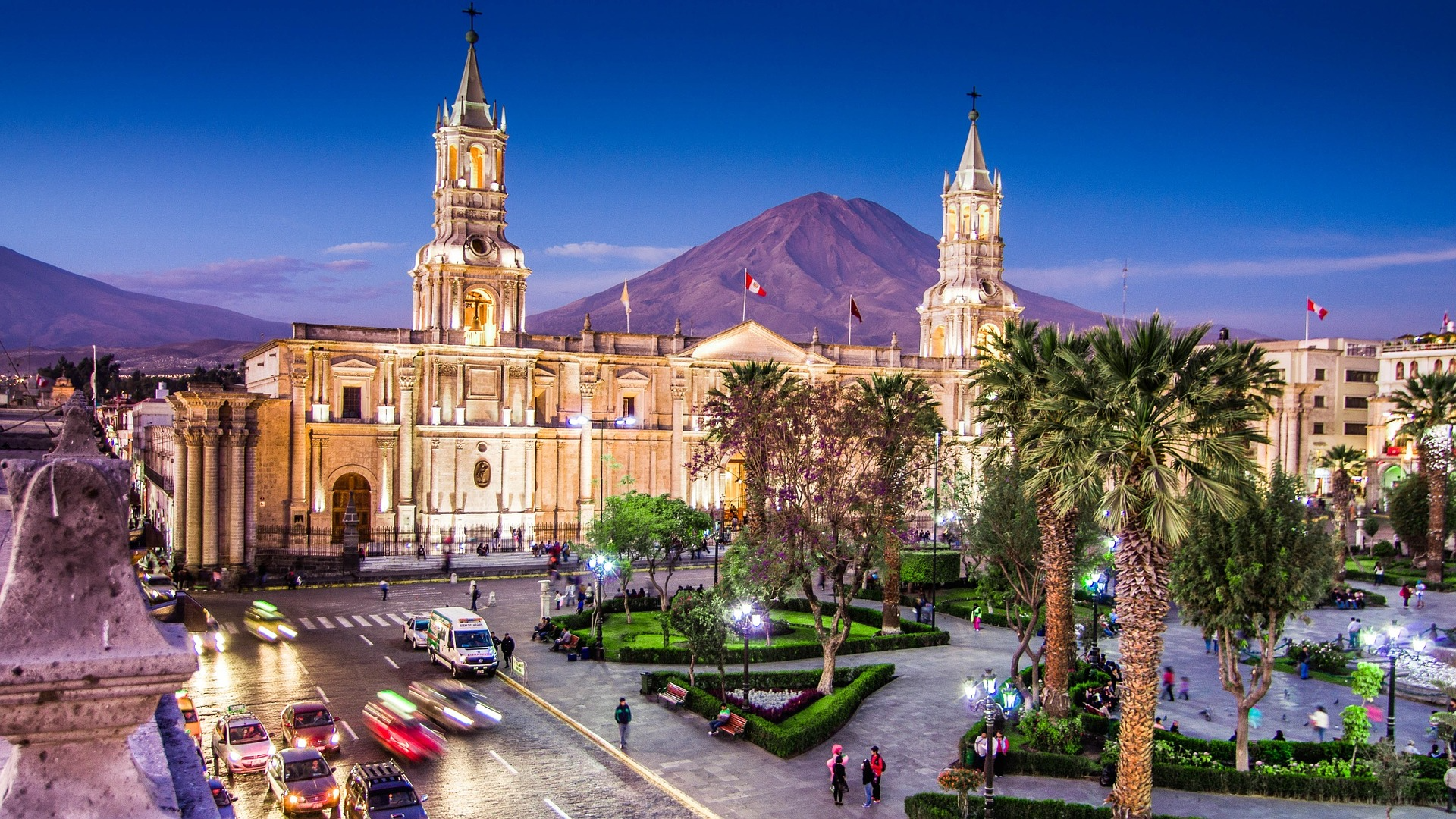
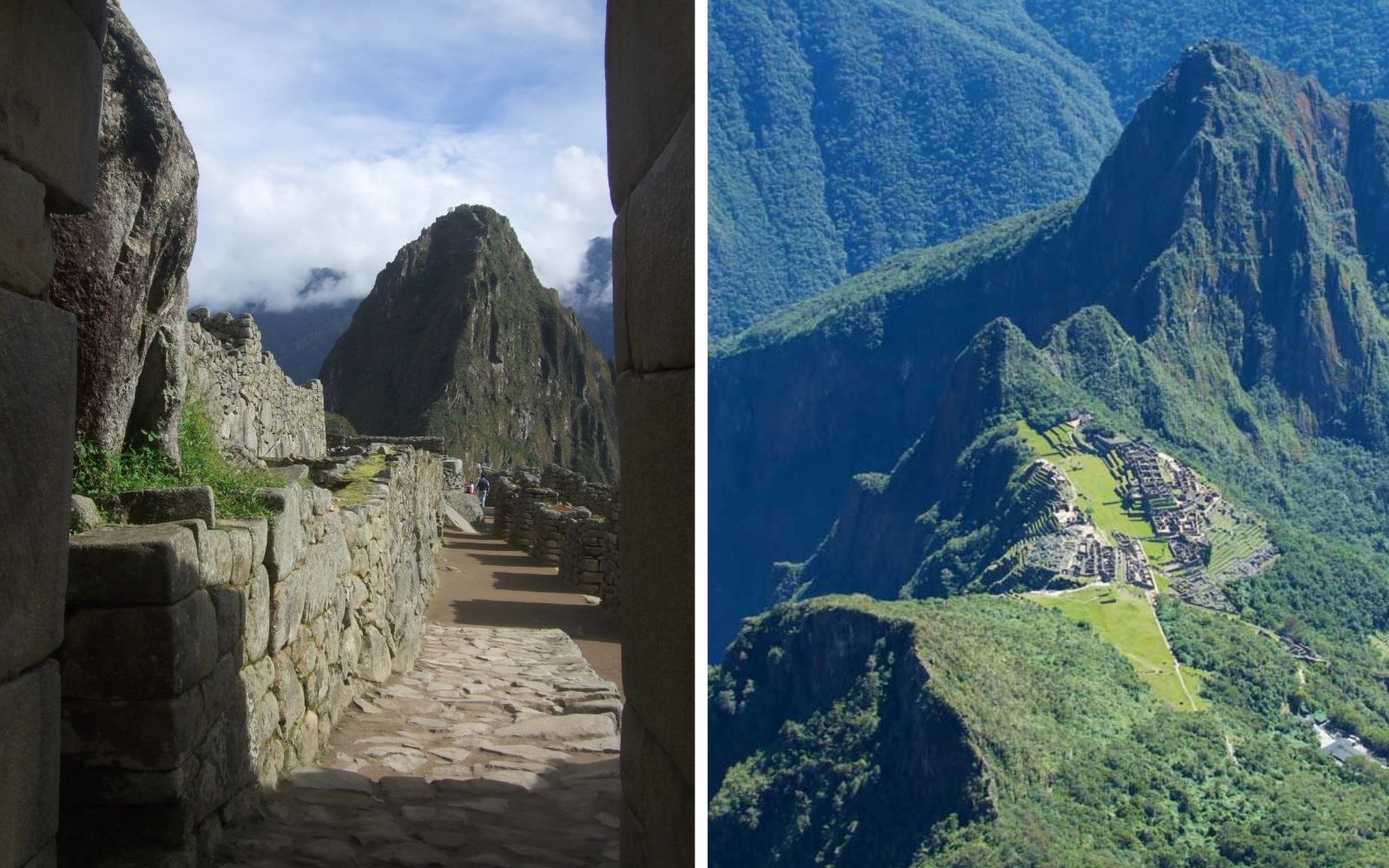
Many families also make the most of the long holiday by packing their bags and exploring incredible destinations such as Cusco, Arequipa, Puno, the Peruvian Amazon, and the northern beaches. This makes the Independence Day holiday one of the busiest, happiest, and most popular travel seasons of the year.
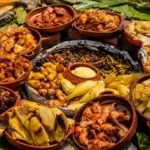
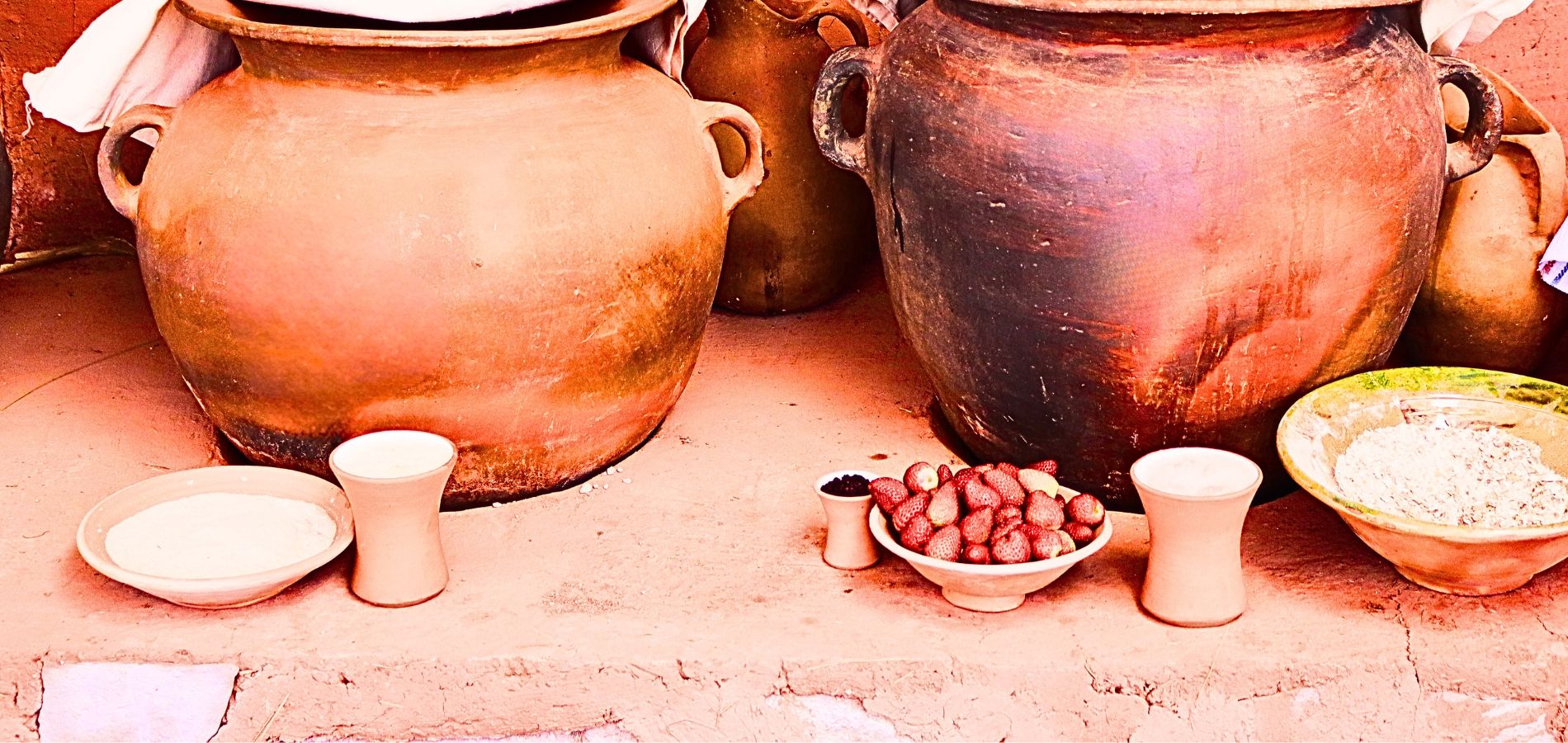
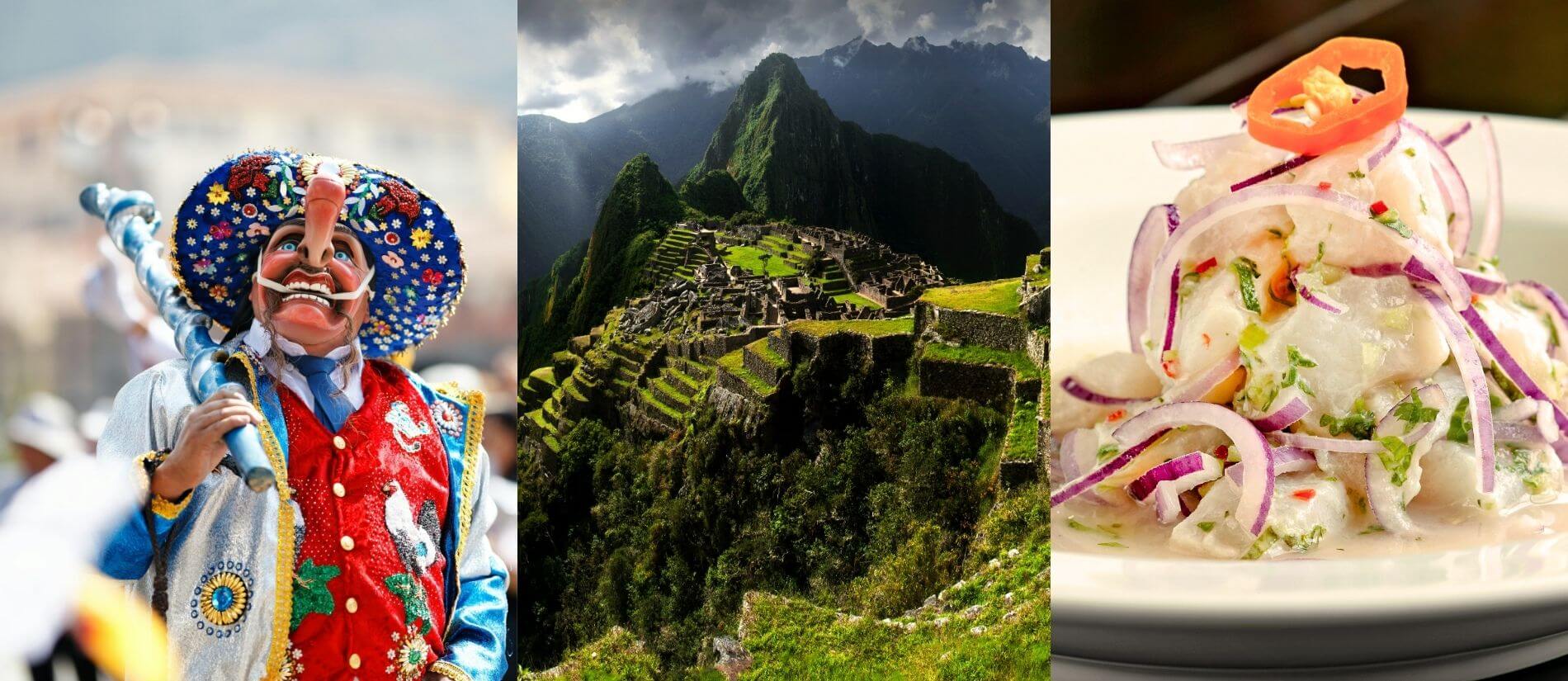
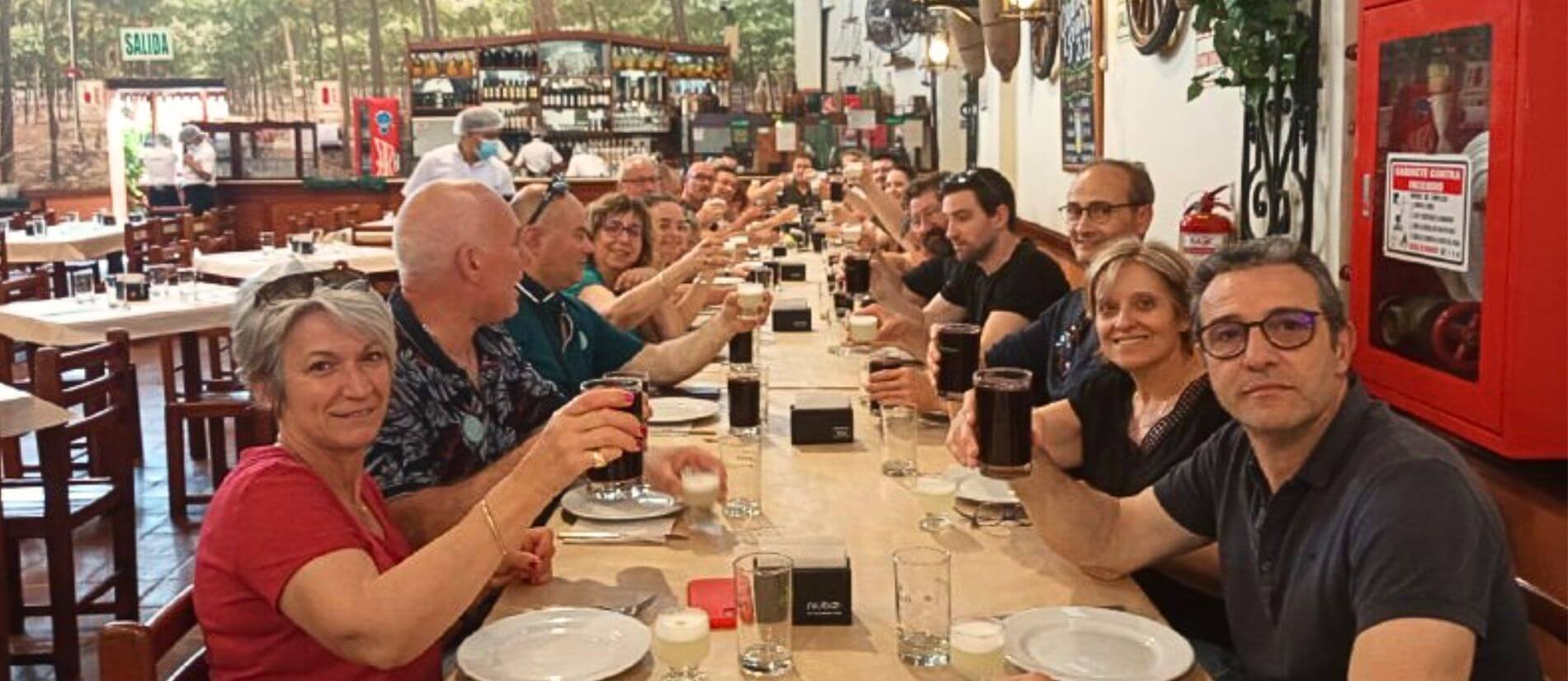
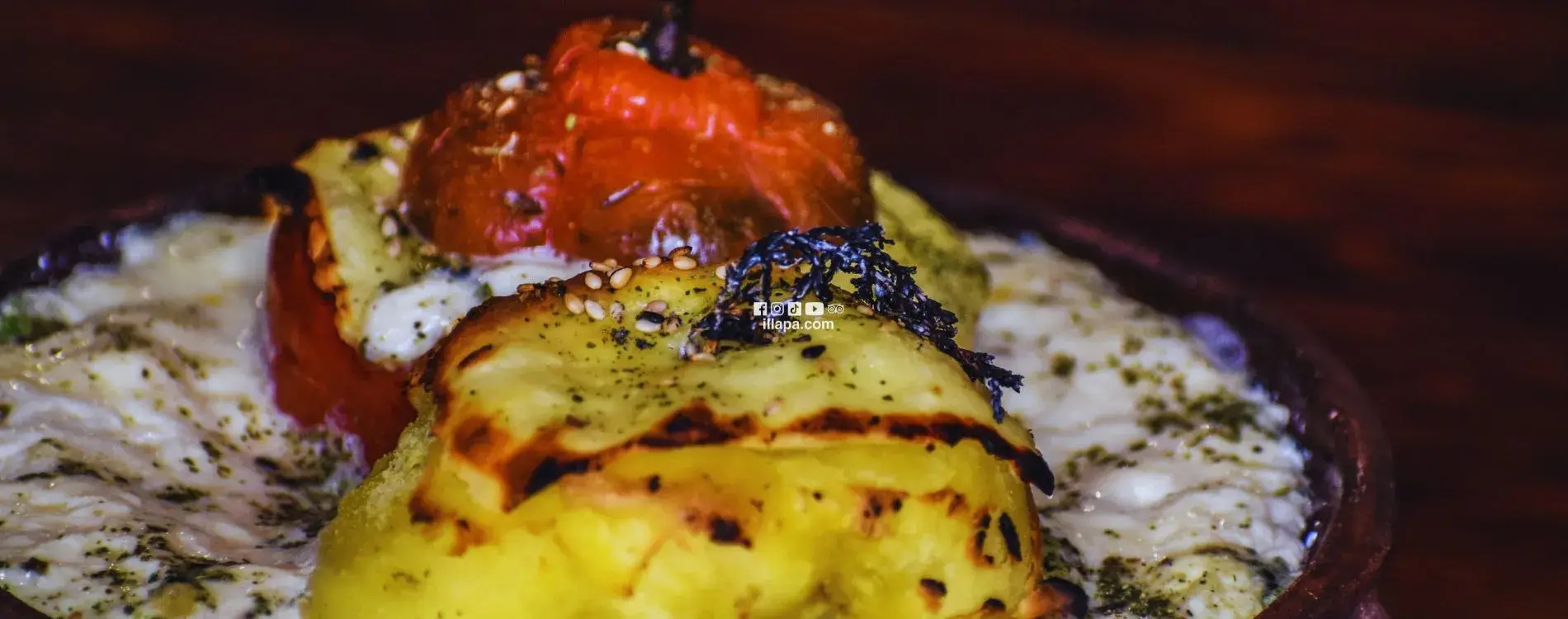
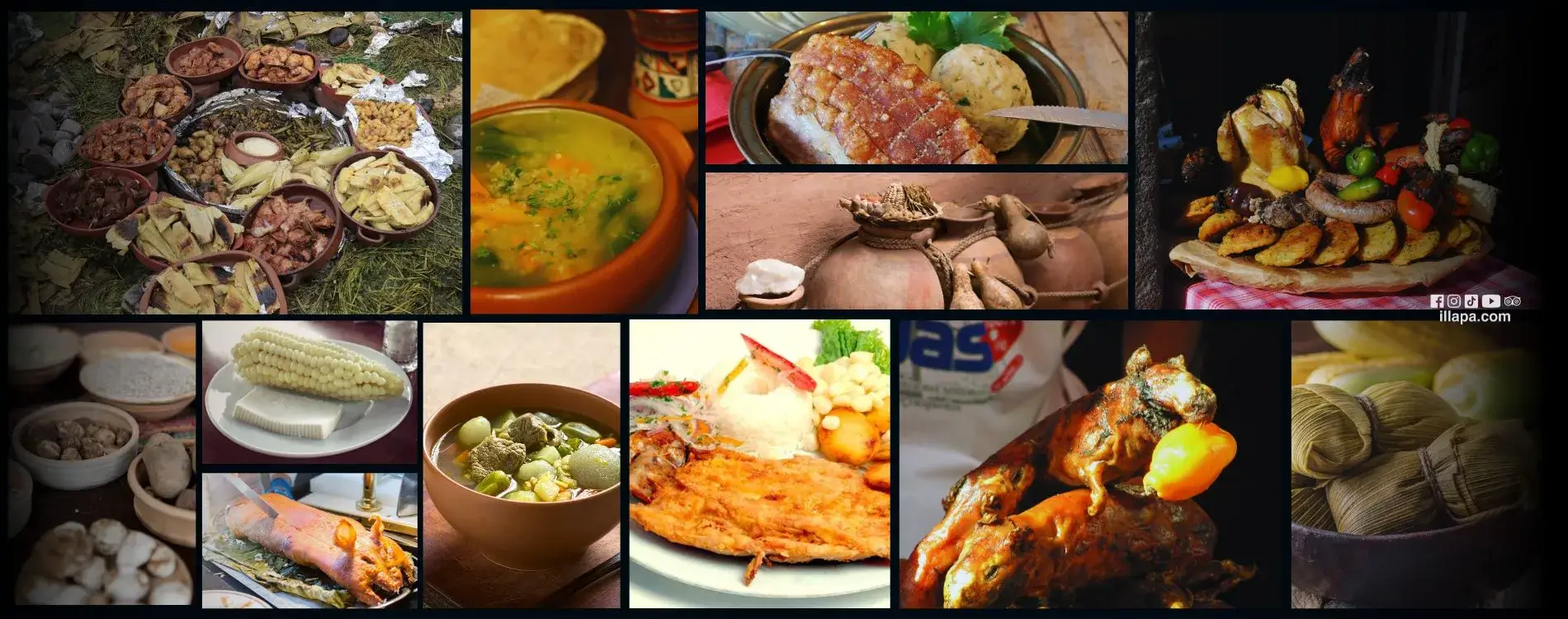
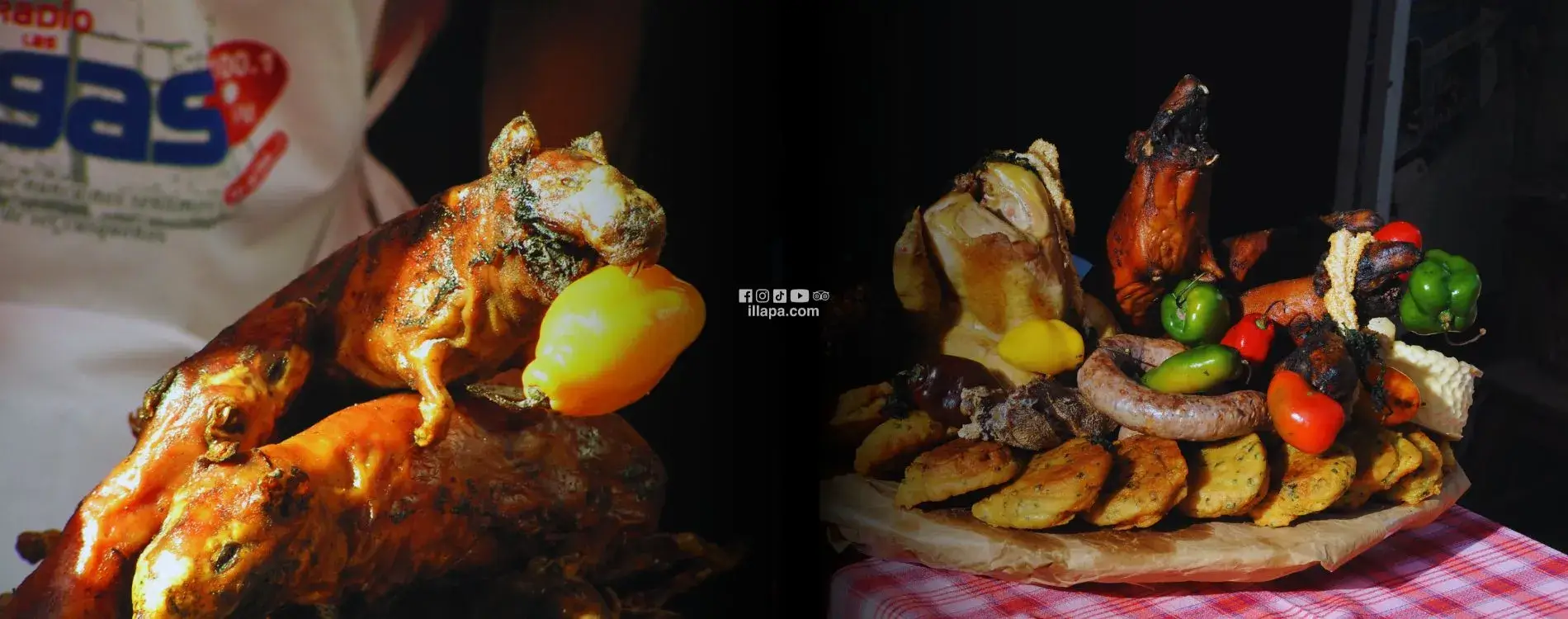
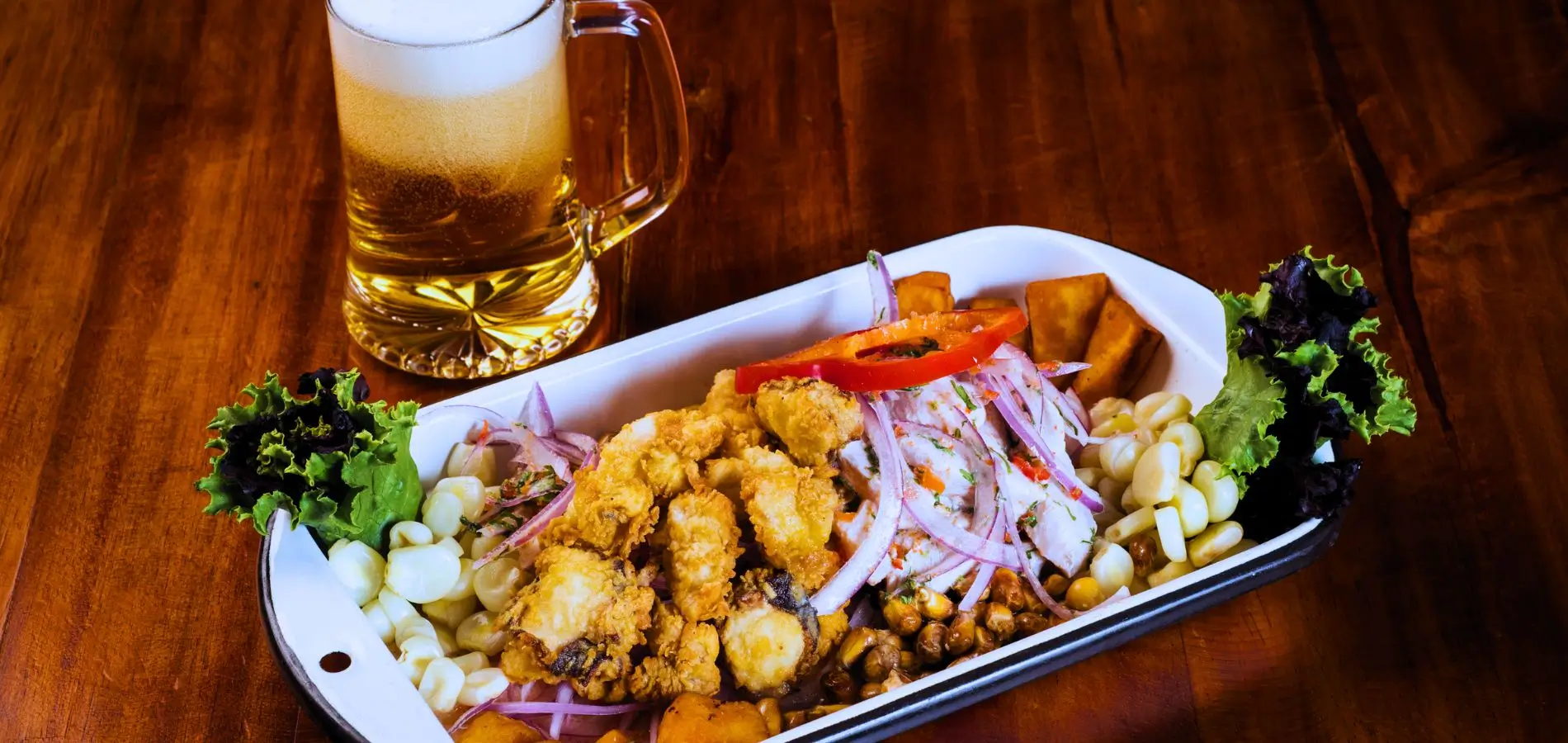
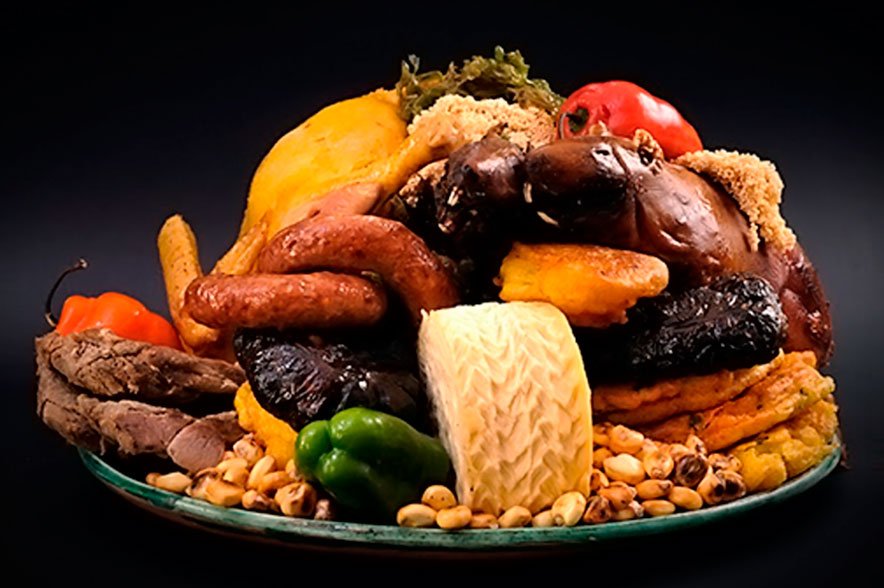
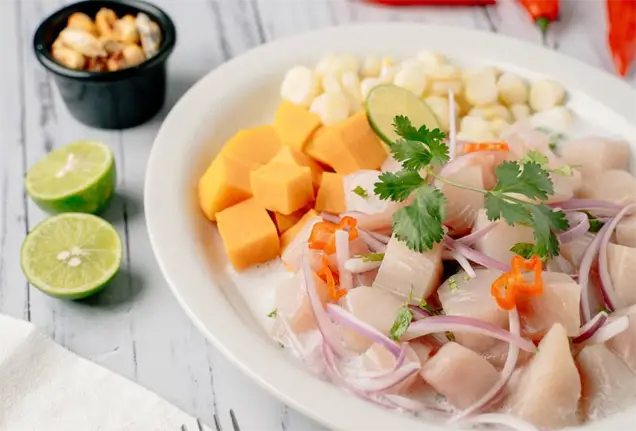
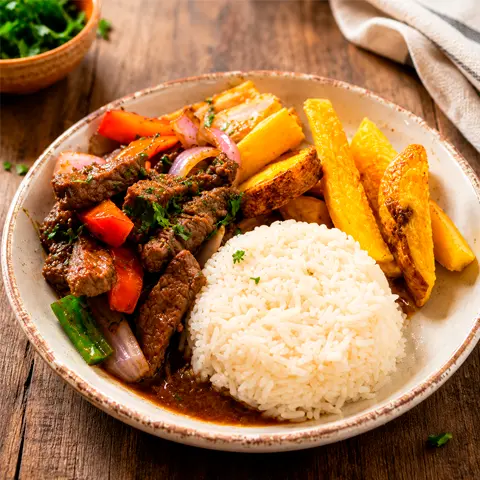
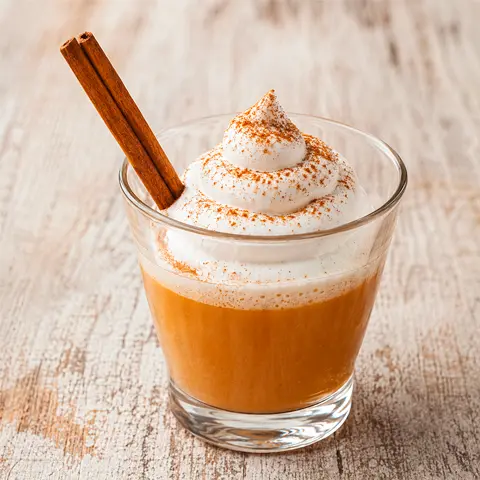
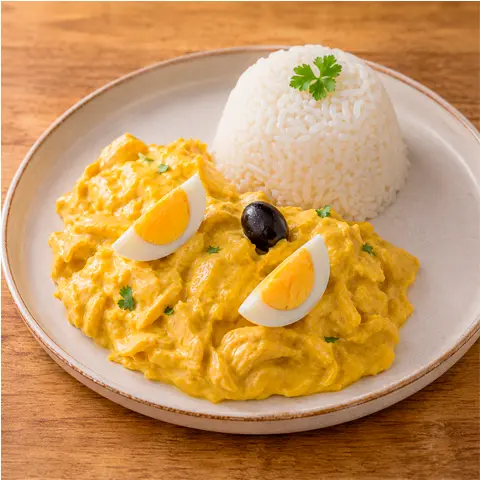
Peru’s Independence Day is also the perfect opportunity to experience the country's world-renowned cuisine. During these celebrations, families and visitors gather to enjoy some of Peru’s most iconic dishes, including ceviche, lomo saltado, ají de gallina, anticuchos, arroz con pollo, pachamanca, cuy chactado from the Andes, and the famous pollo a la brasa (Peruvian rotisserie chicken), one of the nation's favorite dishes for family celebrations. Traditional desserts such as picarones, suspiro a la limeña, and Turrón de Doña Pepa are also an essential part of the festive table.
In Lima, visitors can enjoy an outstanding culinary scene in renowned restaurants, local markets, and food fairs. Districts such as Miraflores, Barranco, San Isidro, Pueblo Libre, and the Historic Center of Lima are among the most popular destinations during the holiday, combining exceptional gastronomy with museums, cultural attractions, historic landmarks, and family-friendly activities.
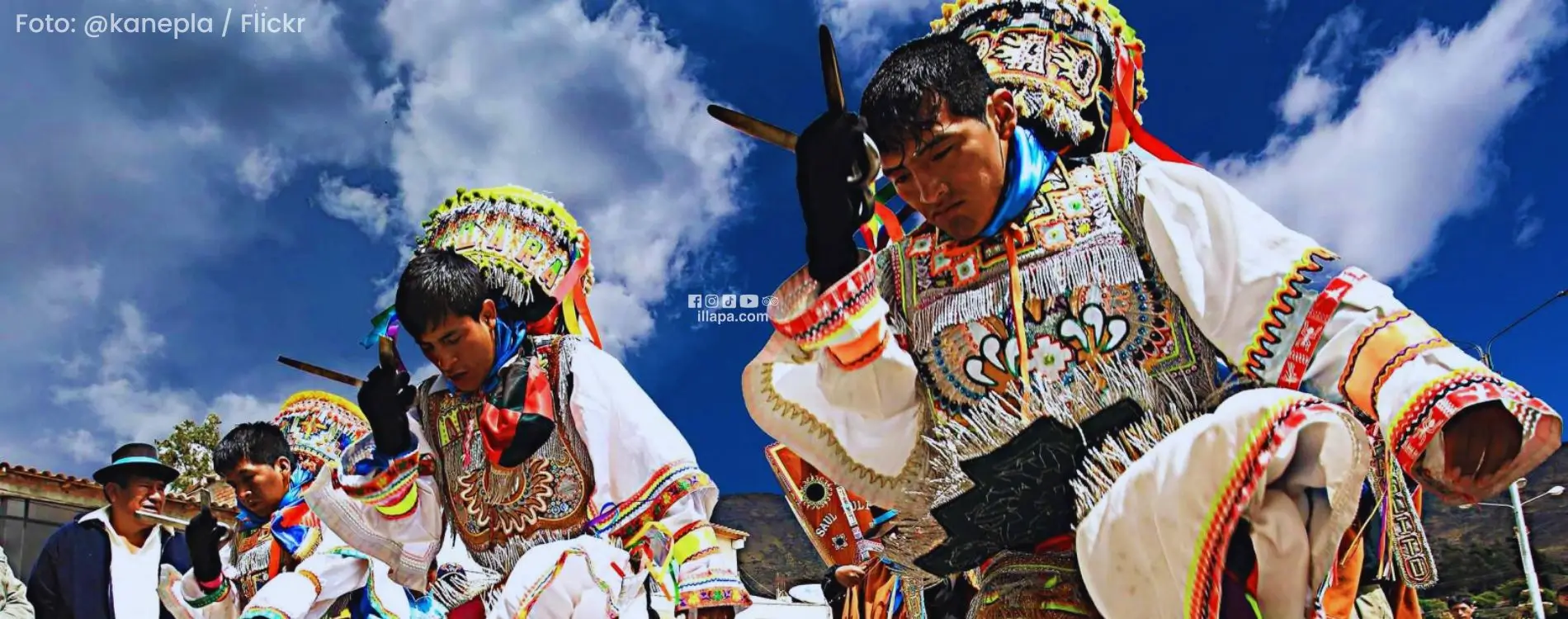
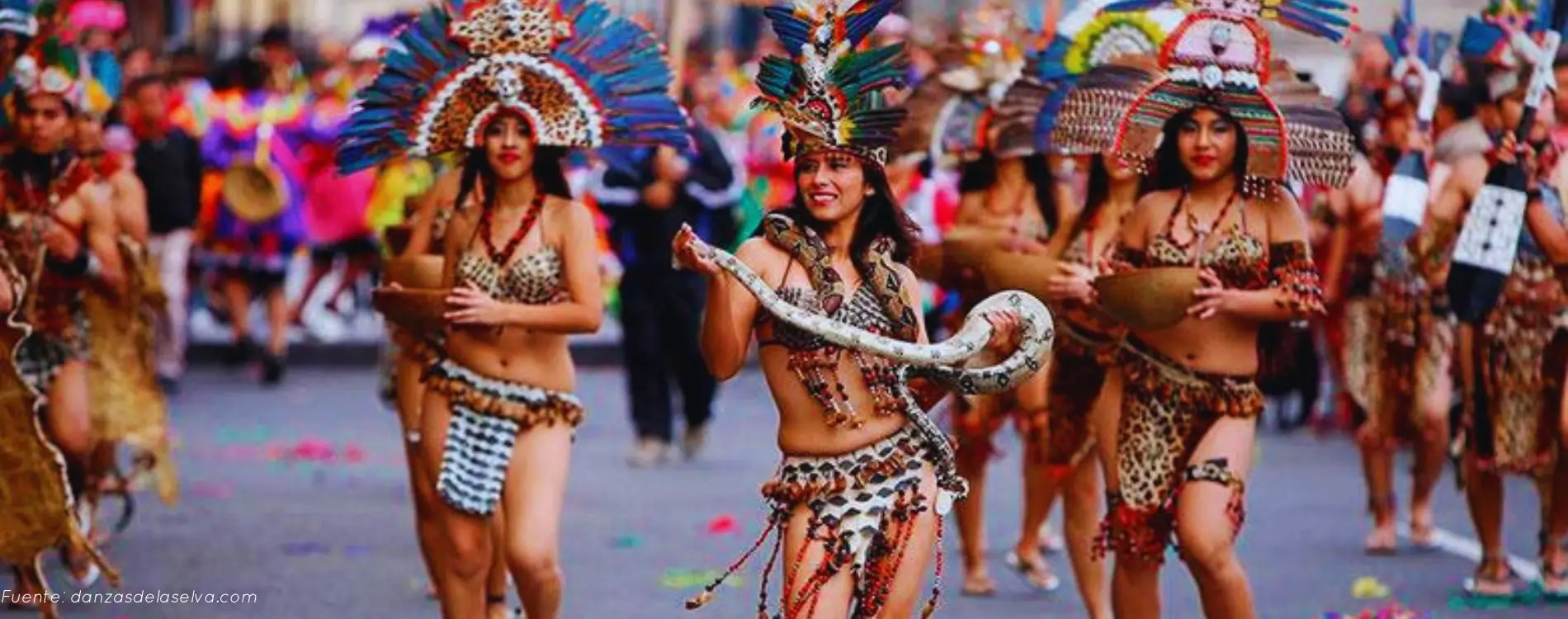
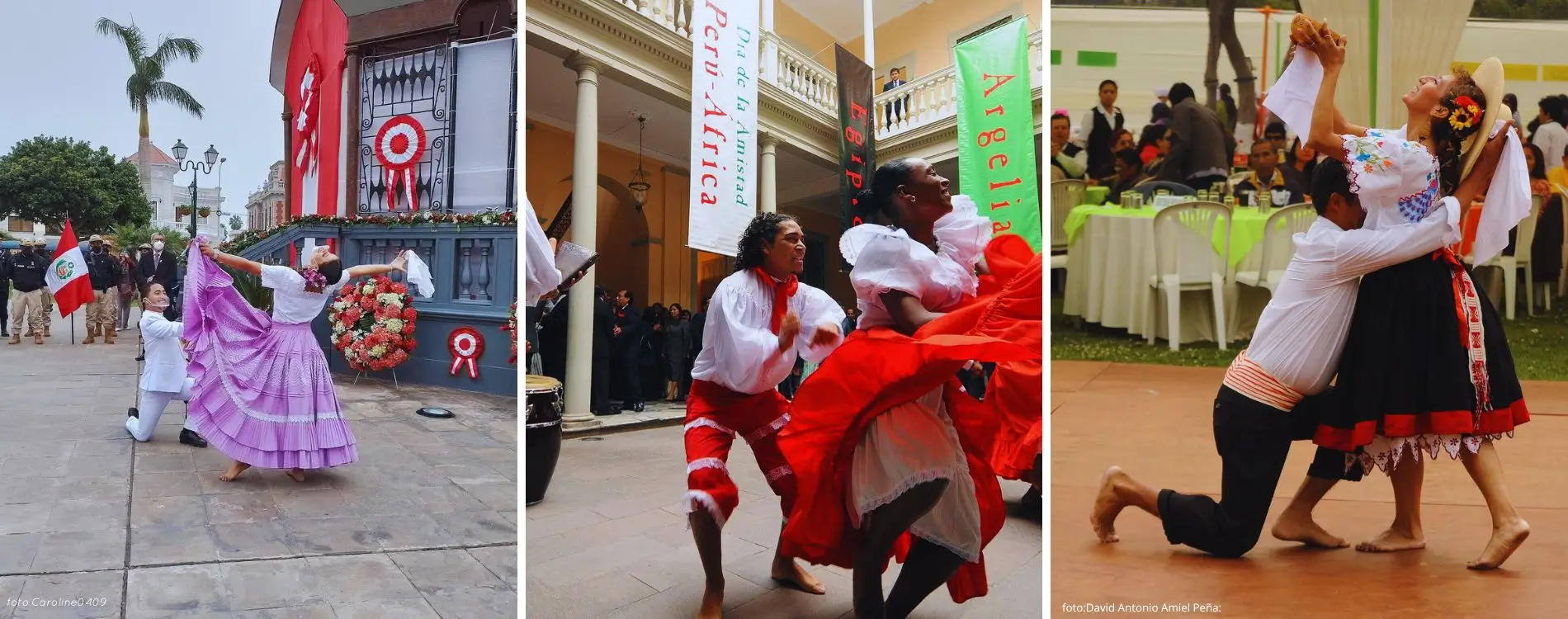
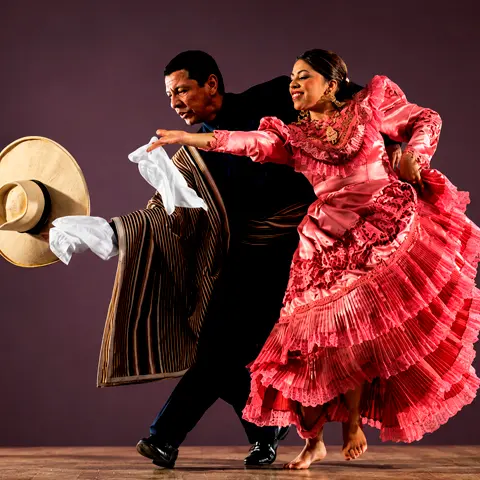
Music and traditional dances also play a central role in Peru’s Independence Day celebrations. Public squares, parks, and cultural venues host folkloric performances featuring dances such as the Marinera, Huayno, Festejo, Huaylas, the Scissors Dance (Danza de Tijeras), and many other cultural expressions from Peru’s coast, highlands, and Amazon region. These performances allow visitors to experience the country's incredible diversity while enjoying an authentic celebration of Peru’s cultural identity and heritage.
Peru’s Independence Day celebrations are much more than a historical commemoration. They represent the pride of belonging to a country blessed with extraordinary cultural, culinary, and natural wealth. It is the perfect opportunity to honor our traditions, spend quality time with family, and pay tribute to the history that gave birth to the free Peru we know today.
If you visit Peru in July, you will experience an incredible atmosphere filled with patriotism, music, outstanding cuisine, and unique cultural traditions. From official ceremonies in the capital to festive celebrations across every region, Peru’s Independence Day offers the perfect opportunity to immerse yourself in local traditions and enjoy an authentic experience that truly reflects the essence of Peru.