Machu Picchu Uncovered: Historical Secrets and the Ultimate Guide to the Journey of a Lifetime
30 de November de 2024
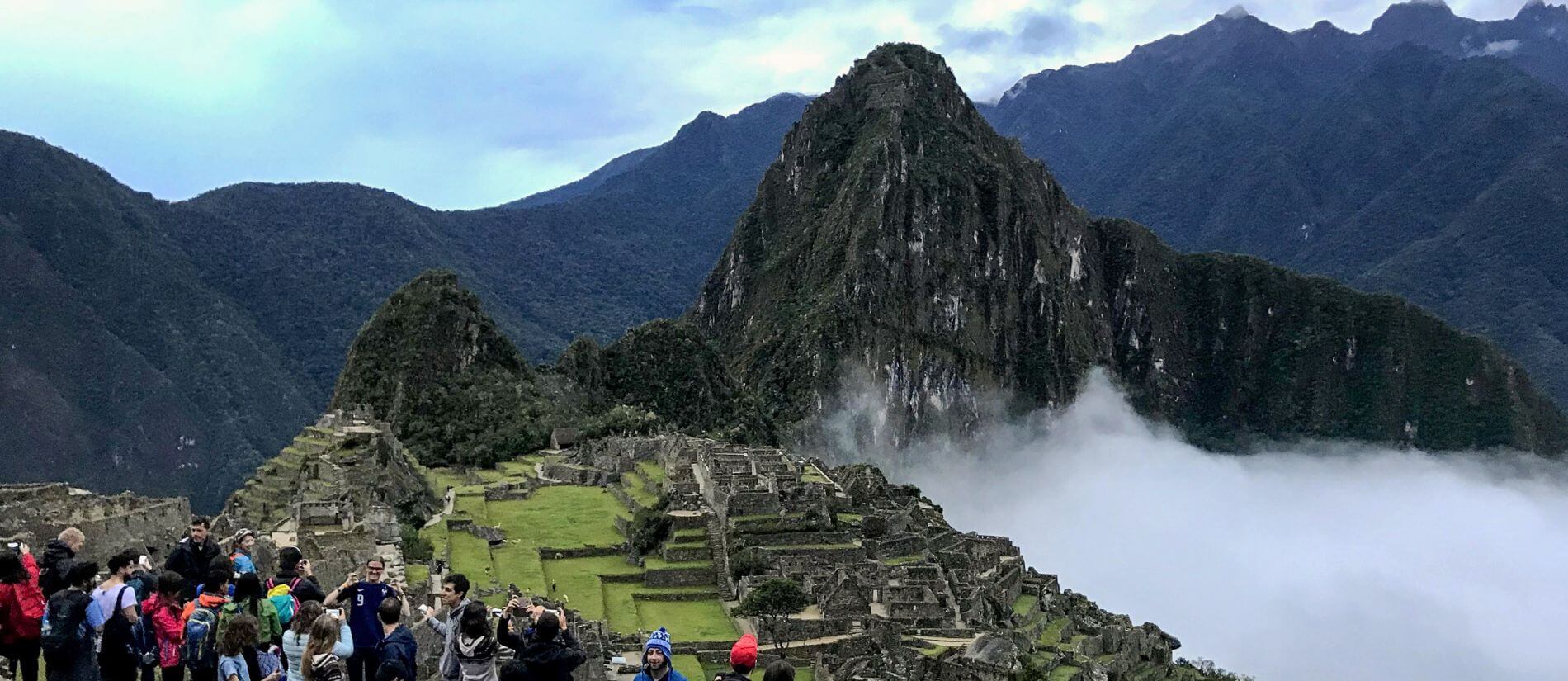
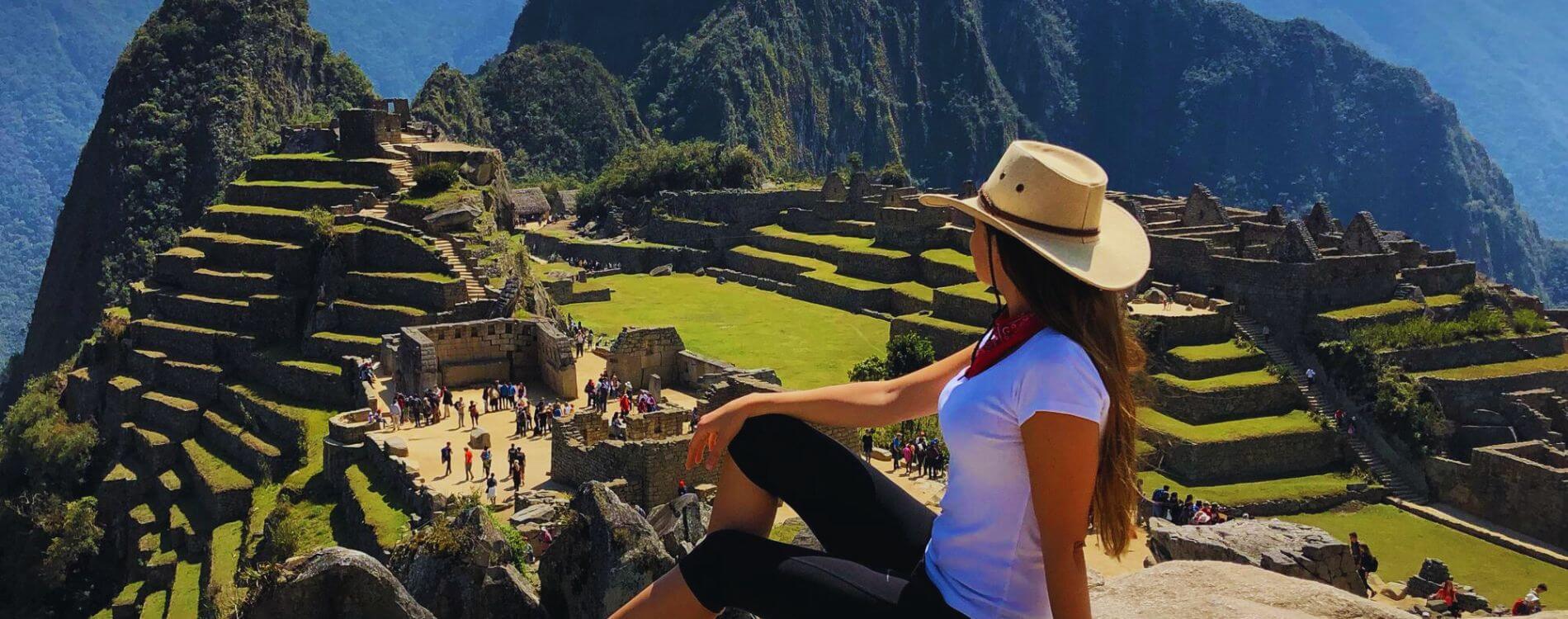
Visiting Machu Picchu raises countless questions about its history, construction, and the remarkable architecture of this iconic Inca site. Today, it is considered one of the most breathtaking destinations in the world. This extraordinary place invites visitors to uncover fascinating historical facts, hidden mysteries, and a priceless cultural legacy that has earned it recognition as a World Heritage Site.
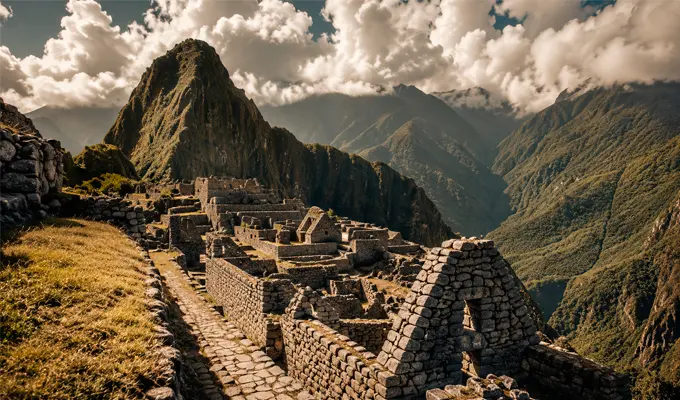
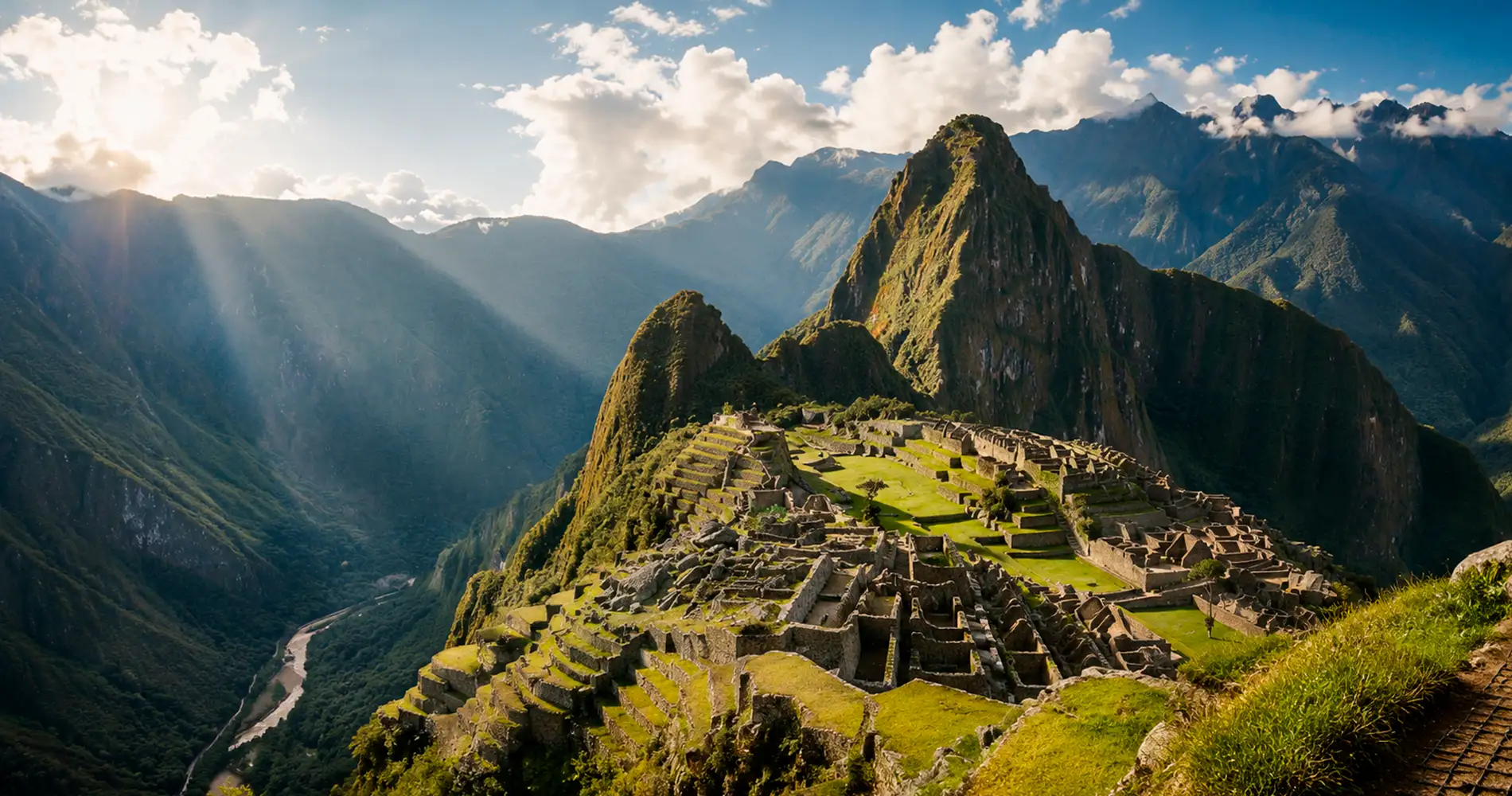
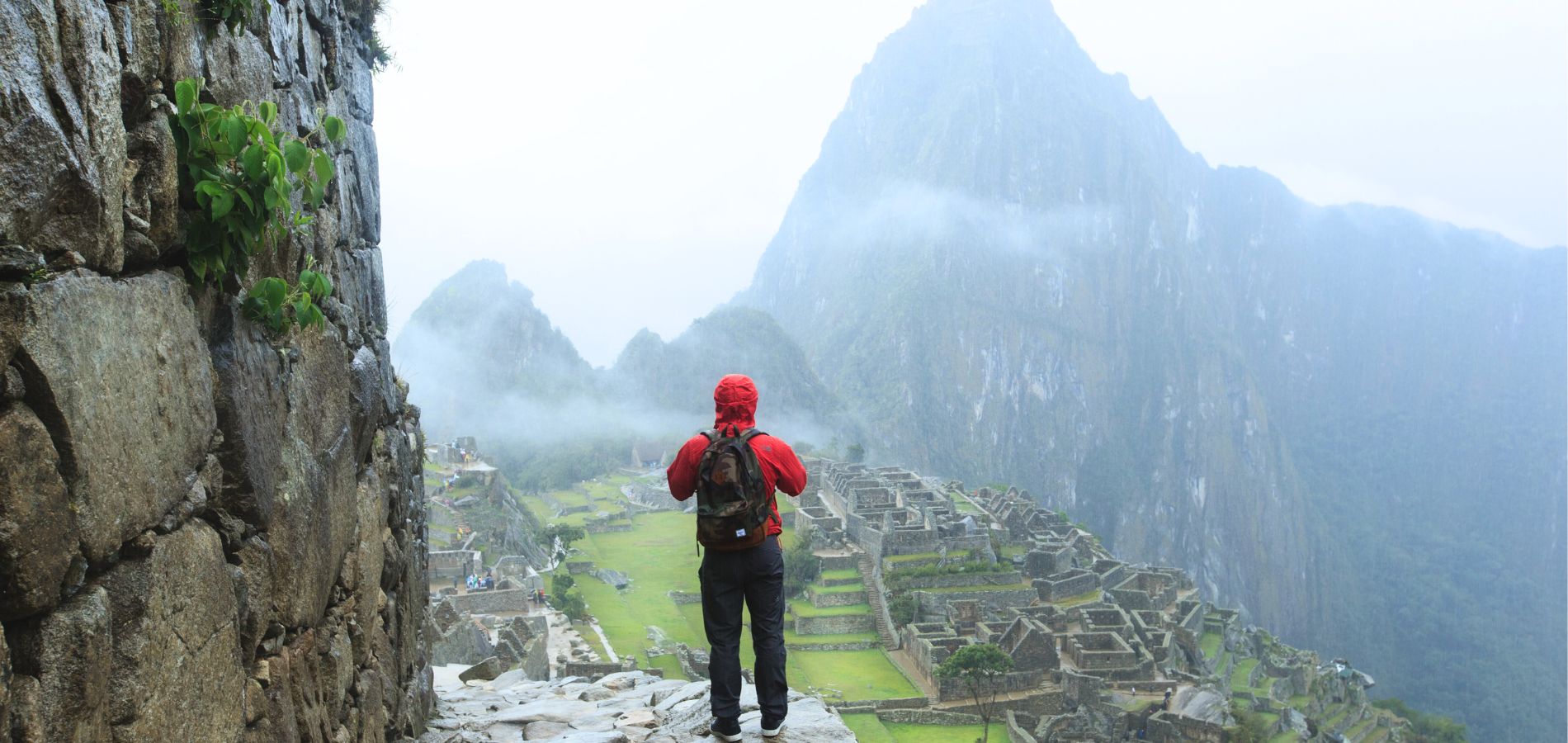
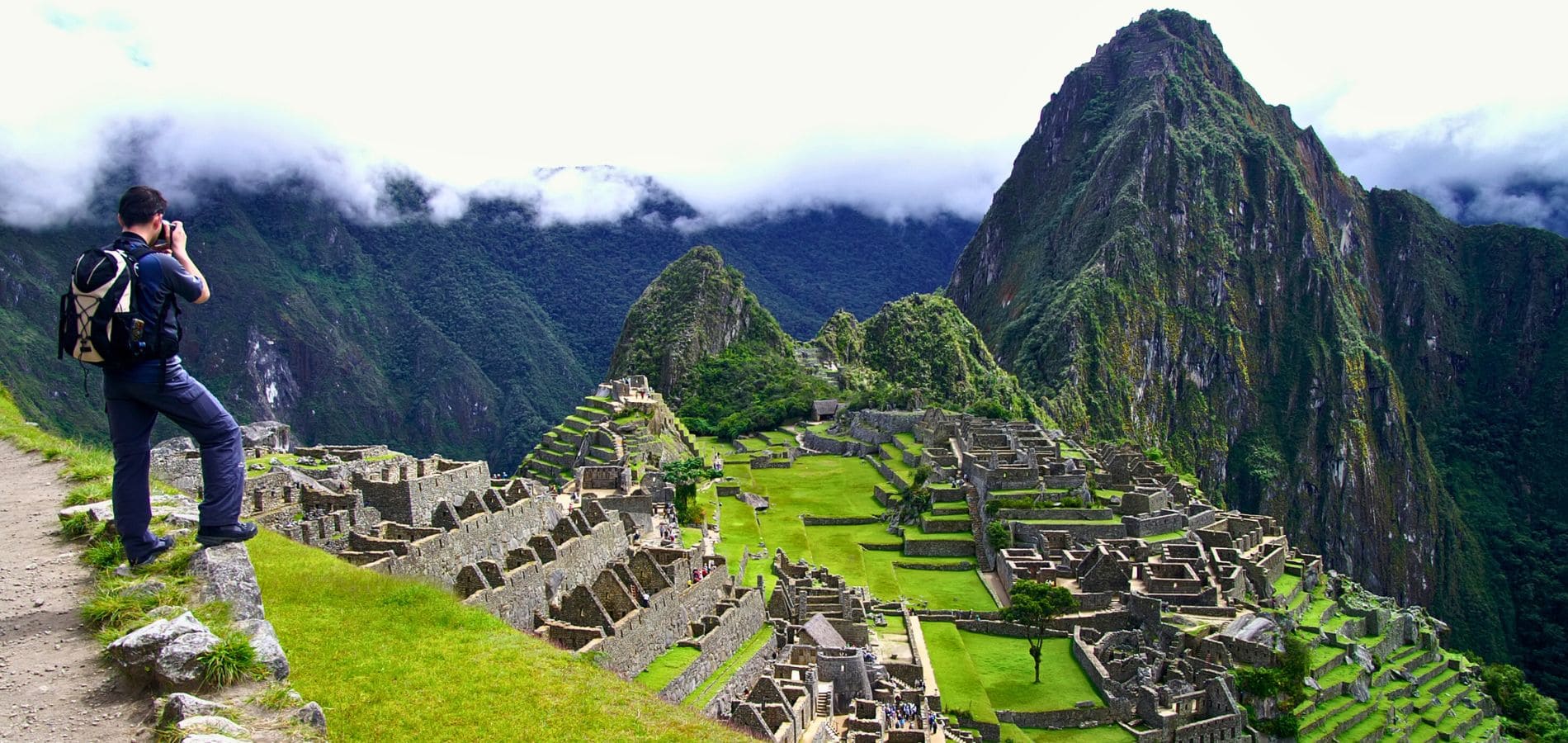
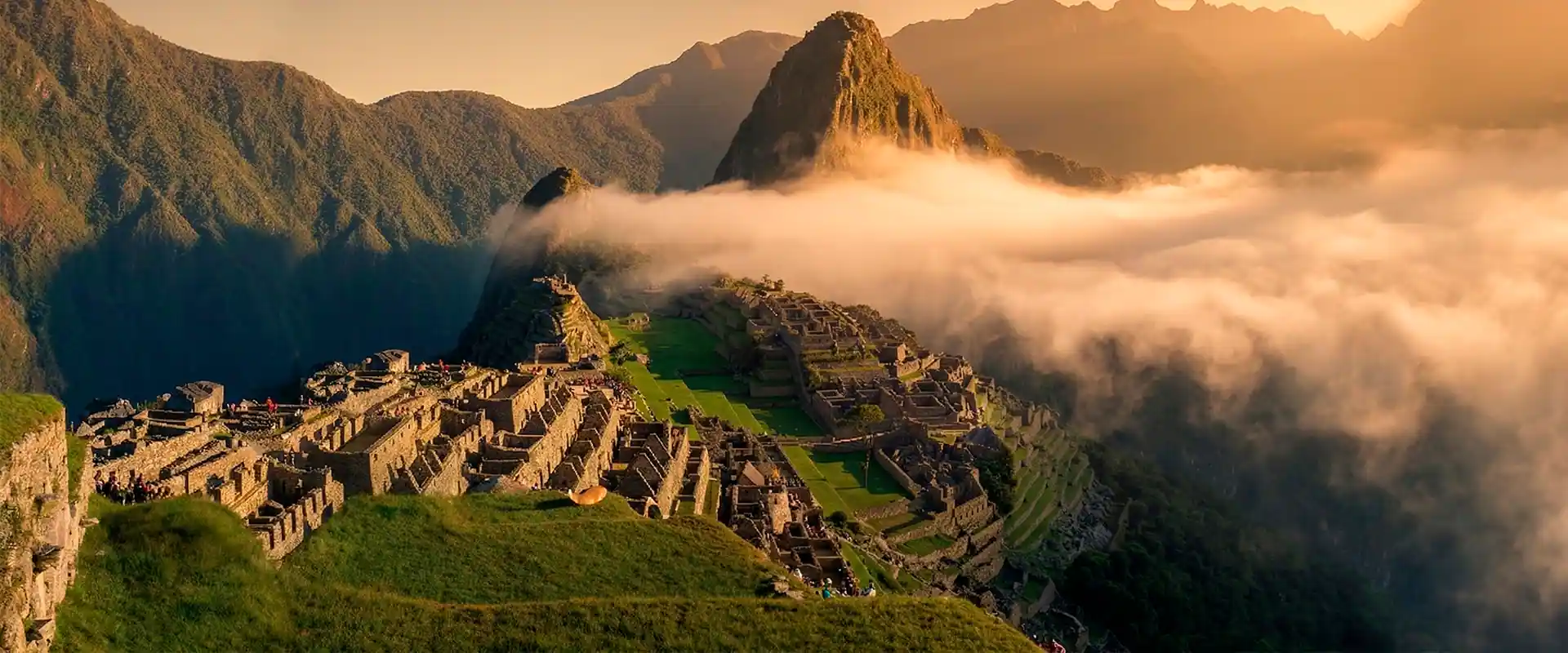
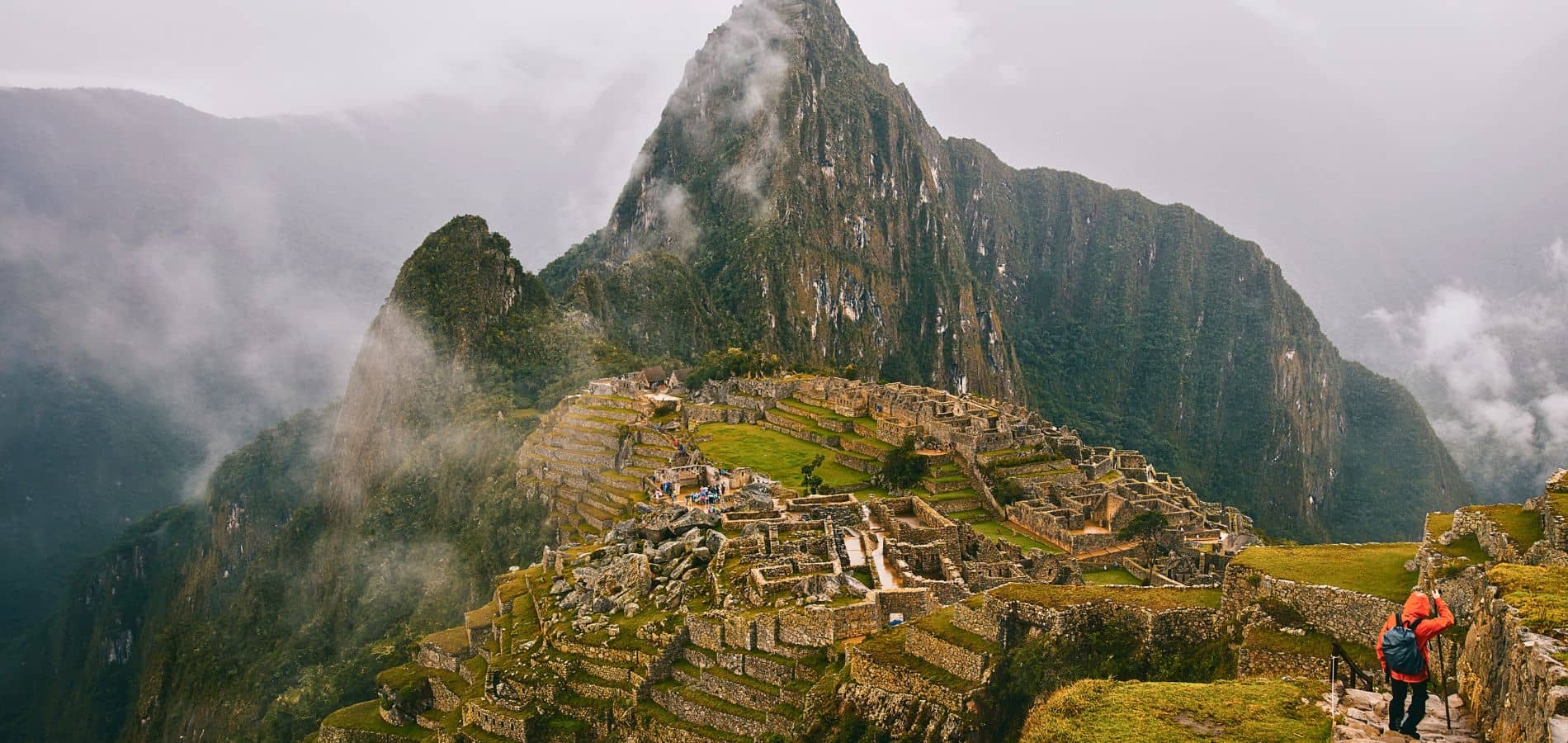
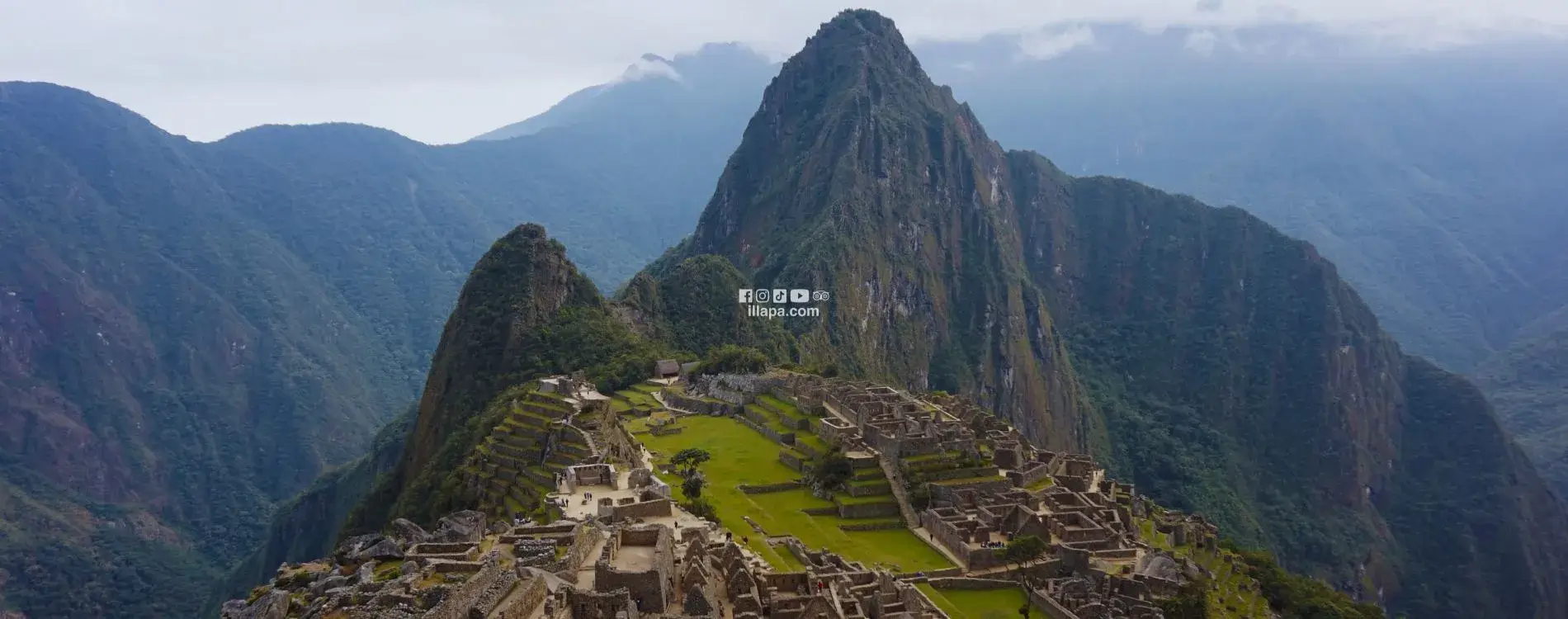
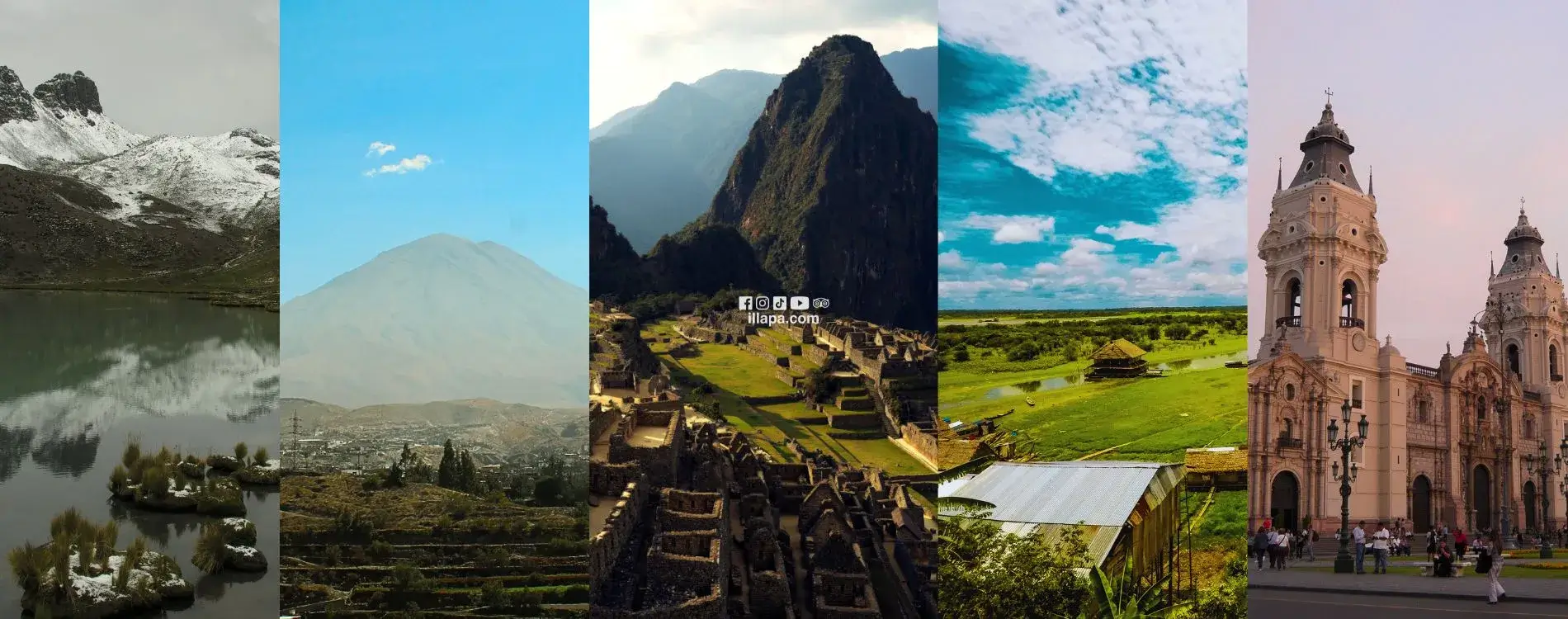
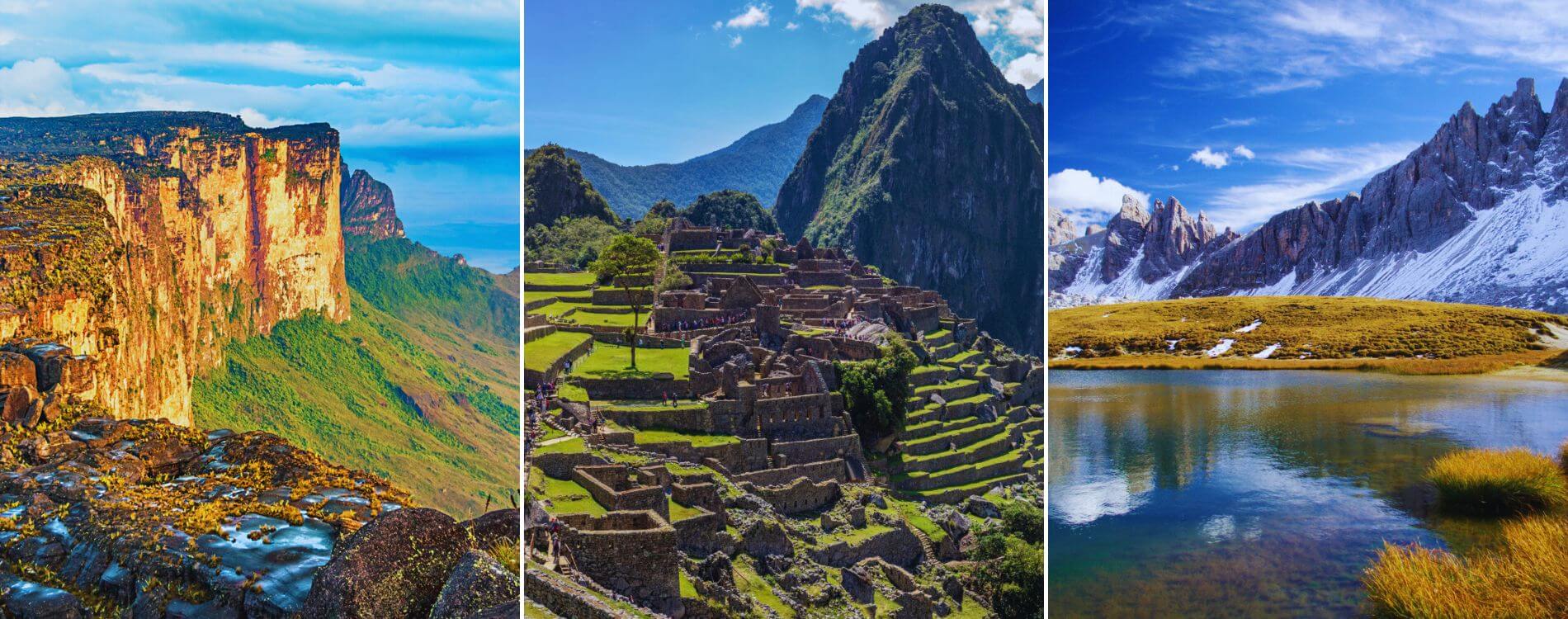
Machu Picchu is not only one of Peru's most visited destinations but also one of the New Seven Wonders of the Modern World and a UNESCO World Heritage Site since 1983. Its strategic location between the Andes Mountains and the Amazon rainforest creates an unparalleled landscape where history, nature, and Inca engineering blend in perfect harmony.
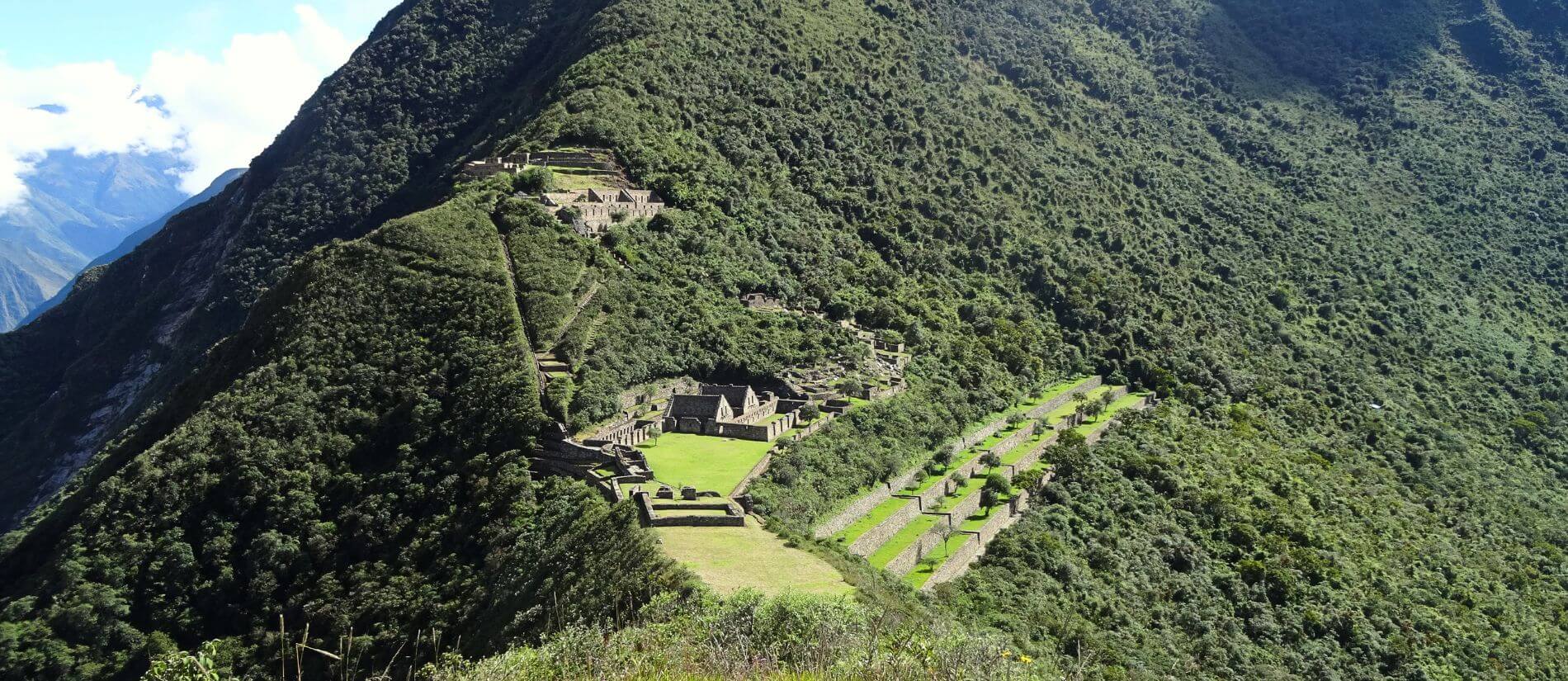
Below, you'll find a comprehensive journey through its secrets and discover even more remarkable places within this extraordinary setting through three key sections that will transform your perspective of the ancient Inca citadel.
Key Facts About Machu Picchu
Aspect
Information
Location
Machu Picchu is located in the Urubamba Province, Cusco Region, at an altitude of 2,430 meters (7,972 ft) above sea level.
Construction
It was built during the 15th century under the reign of the Inca emperor Pachacuti.
Rediscovery
It was introduced to the world by Hiram Bingham in 1911, although local residents had always known of its existence.
World Heritage Site
UNESCO designated Machu Picchu as a World Heritage Site in 1983 in recognition of its outstanding historical and cultural significance.
Wonder of the World
In 2007, it was selected as one of the New Seven Wonders of the Modern World.
Inca Engineering
Its structures were built using the dry-stone masonry technique, allowing them to withstand earthquakes for centuries.
Importance
It is one of the world's most important archaeological sites and Peru's leading tourist attraction, welcoming millions of visitors every year.
```html
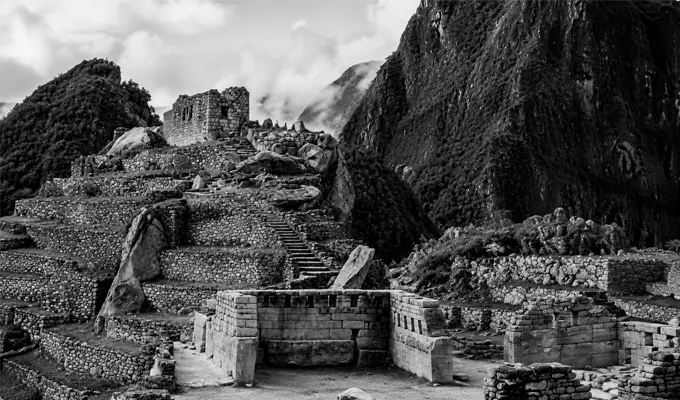
Machu Picchu in Its Early YearsInca Stone Constructions
The Enigma of the Incas: Origins, Discovery, and Legends of the Citadel
Machu Picchu is much more than a tourist destination; it stands as a testament to the extraordinary ingenuity of the Incas and preserves mysteries that remain unsolved to this day. Below are the key facts about its origins, its introduction to the Western world, and the legends that surround this remarkable citadel:
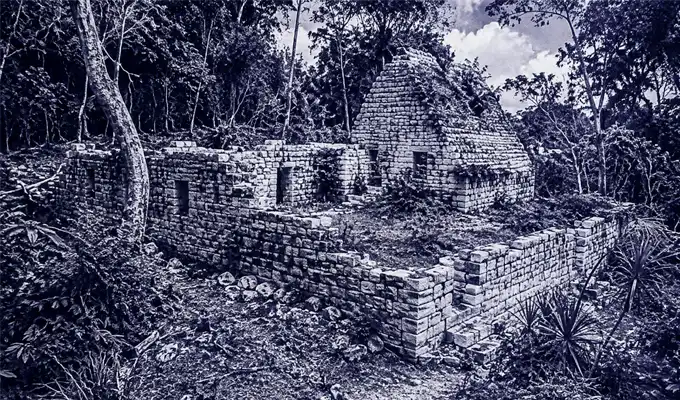
The origins of Machu Picchu and its unfinished state: Machu Picchu was built during the 15th century under the rule of the Inca emperor Pachacuti. However, its exact purpose remains uncertain. Historians believe it may have served as a royal estate, a sacred religious sanctuary, or an astronomical observatory, thanks to its strategic location high in the Andes. Strong archaeological evidence also suggests that the city was never fully completed before the Incas abandoned it. Several structures appear to have been under construction or renovation at the time of the empire's collapse, explaining the noticeable differences in stonework throughout the site.
The fall, abandonment, and the truth behind the "Lost City" myth: The citadel was abandoned during the 16th century following the Spanish conquest, largely due to the consequences of war and the spread of new diseases. Although Machu Picchu is widely known as the "Lost City of the Incas," this nickname is somewhat misleading. While it disappeared from the outside world's awareness, local communities always knew of its existence and continued to visit the area.
Its survival from the Spanish conquerors and the Secret Temple legend: Unlike many other Inca temples, Machu Picchu was never discovered by the Spanish conquistadors. Its remote location, combined with the fact that it had already been abandoned before Spanish control was firmly established, allowed the city to remain largely untouched and spared it from destruction. Another enduring legend speaks of a hidden "Secret Temple" concealed somewhere within the unexplored sections of the site. However, despite its popularity, no archaeological evidence has confirmed its existence or exact location.
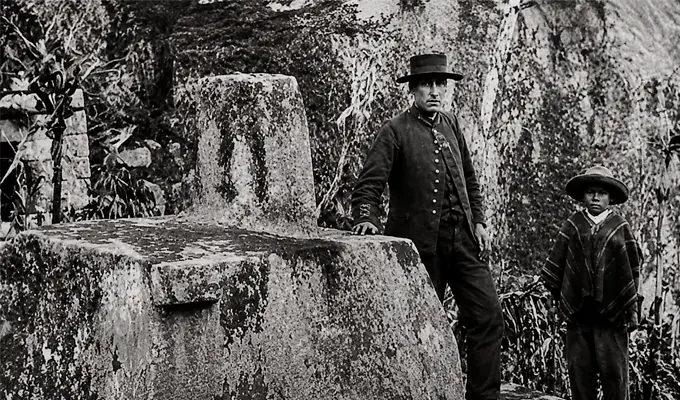
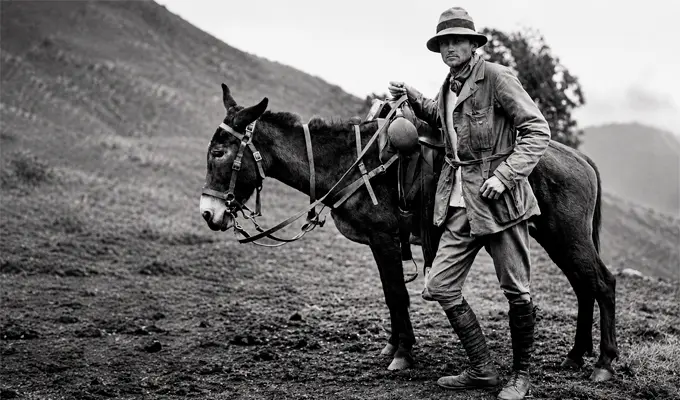
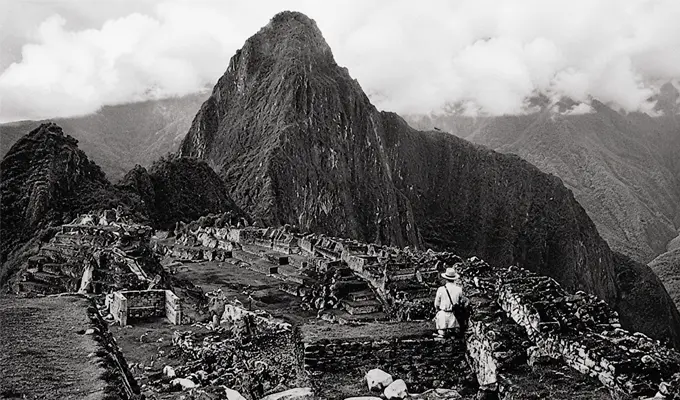
Hiram Bingham, worldwide recognition, and Yale's return of the artifacts: In 1911, explorer Hiram Bingham arrived at Machu Picchu during an expedition. Although local farmers were already familiar with the site, Bingham introduced it to the Western world and helped establish its global archaeological significance. His expedition, sponsored by Yale University, removed hundreds of artifacts and documents for study, where they remained for decades. After years of legal and diplomatic negotiations, these valuable objects were finally returned to Peru and are now displayed at the Casa Concha Museum in Cusco.
Boy with Hiram Bingham
A Marvel of Engineering and Nature: Architecture, Underground Mysteries, and Biodiversity
Beyond its fascinating history, Machu Picchu stands out for its breathtaking natural surroundings and the advanced engineering techniques that have enabled the citadel to withstand the passage of time for more than five centuries.
```
```html
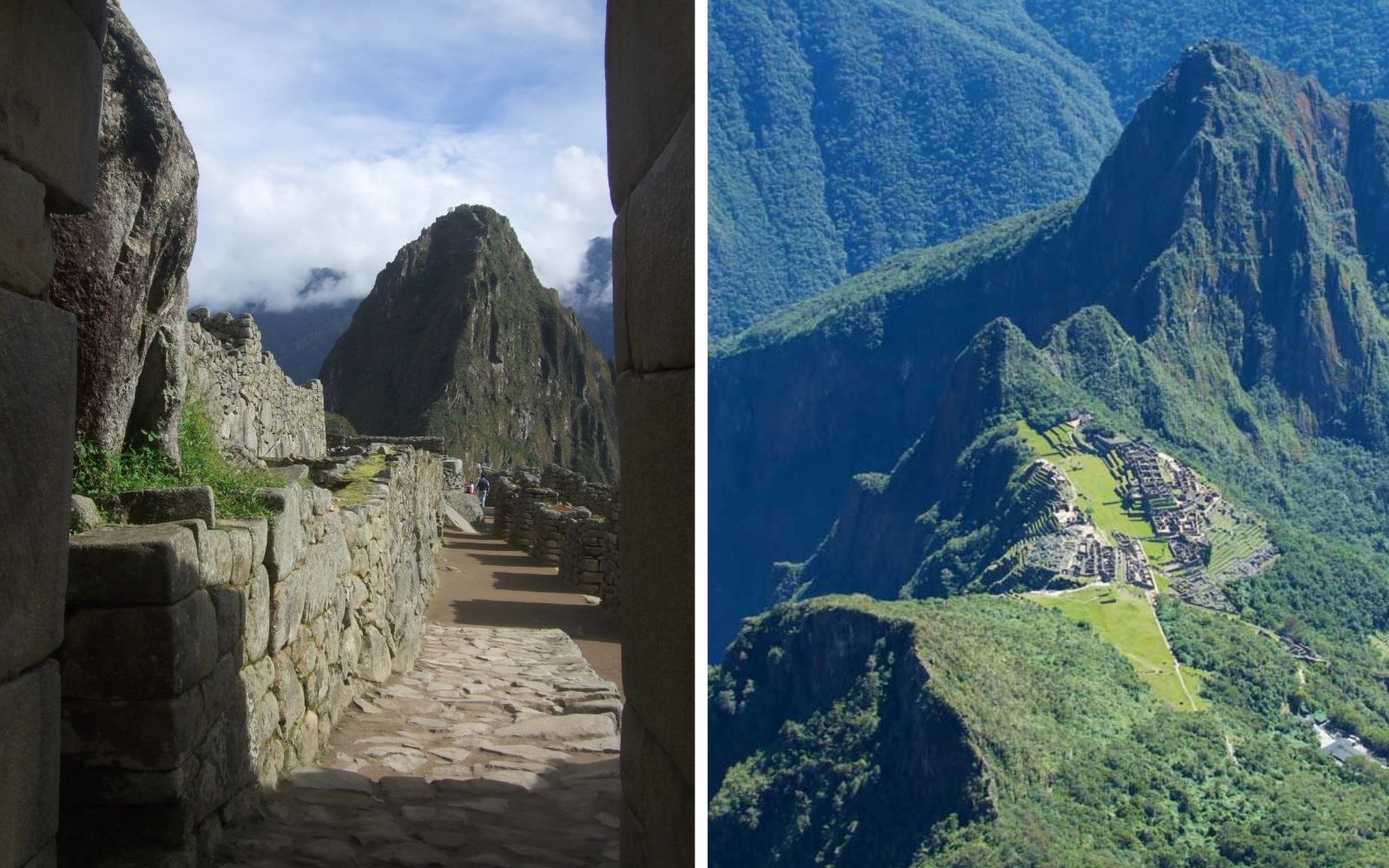
Architectural features and earthquake resistance: Machu Picchu's architecture showcases the extraordinary skill of the Incas in shaping massive stone blocks using the dry-stone masonry technique, without any mortar or adhesive. The stones fit together so precisely that not even a sheet of paper can be inserted between them. Because no mortar was used, the stones can shift slightly and settle back into place during earthquakes without causing the structures to collapse. This remarkable stability, which has kept the citadel standing for more than five centuries, is considered one of the greatest achievements of Inca engineering and continues to inspire modern seismic architecture.
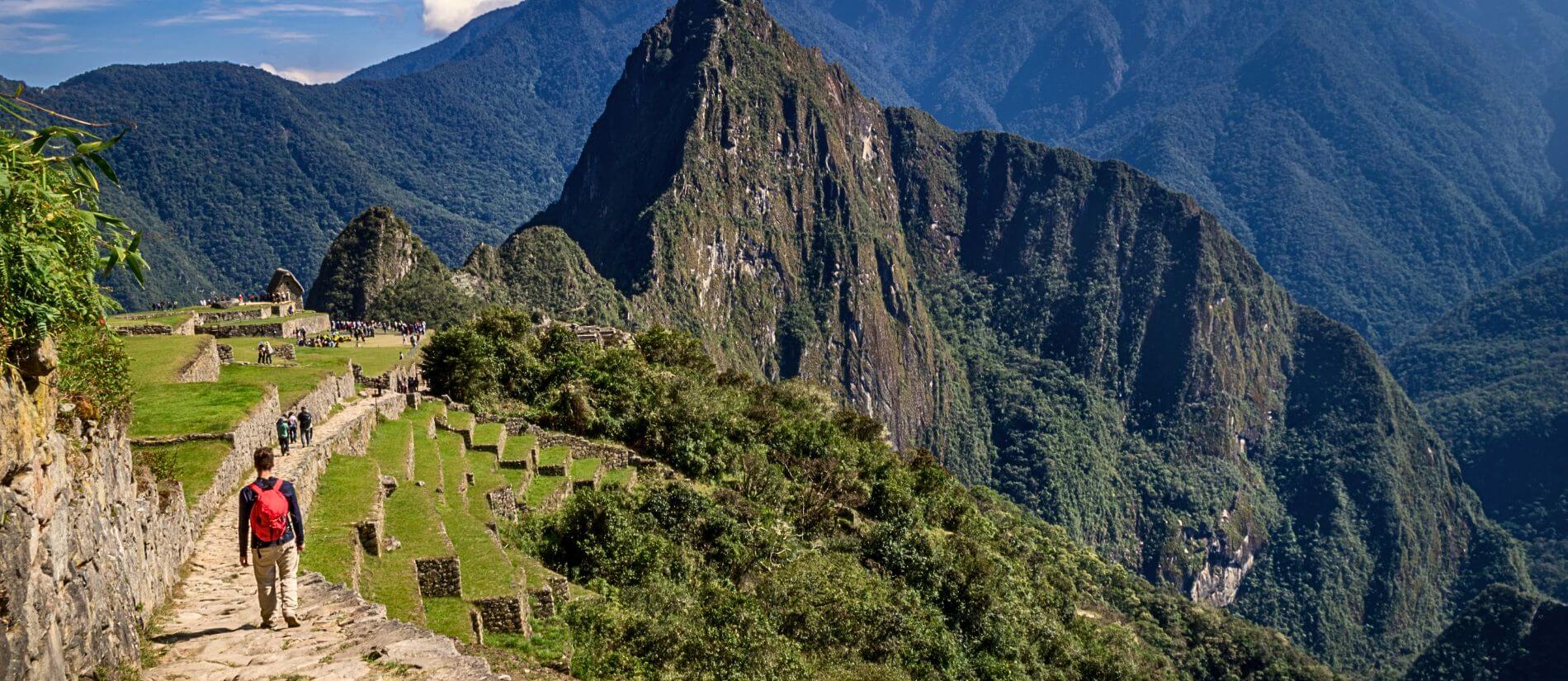
The two main sectors and the astronomical observatory: The urban complex is clearly divided into two distinct areas. The Agricultural Sector is characterized by its impressive agricultural terraces, while the Urban Sector contains residential buildings, ceremonial plazas, and sacred temples. This layout reflects the remarkable organization of Inca society. In addition, several structures are precisely aligned with the solstices and equinoxes. The Temple of the Sun, for example, was designed to track the movement of the sun during specific times of the year, demonstrating the Incas' advanced astronomical knowledge and their close relationship with agricultural cycles.
Hydraulic systems and the underground mystery: Machu Picchu features a sophisticated water management system composed of stone channels, fountains, and aqueducts that carried fresh water from nearby mountain springs. This ingenious engineering ensured a reliable water supply while regulating water flow during the rainy season to prevent flooding. Much of the underground area, however, remains unexplored. Some archaeologists believe that hidden beneath the visible structures may lie tunnels, royal tombs, and undiscovered Inca artifacts that could reveal entirely new insights into the history of the citadel.
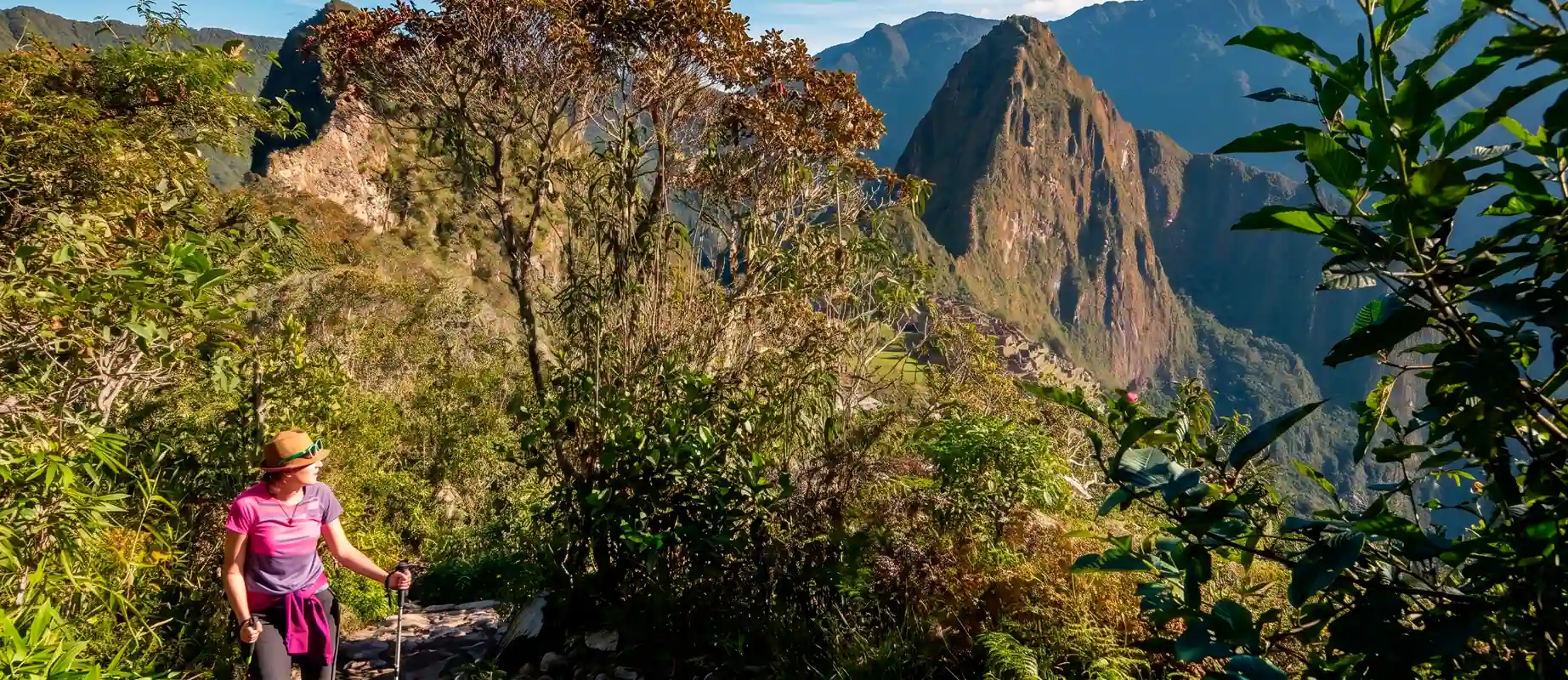
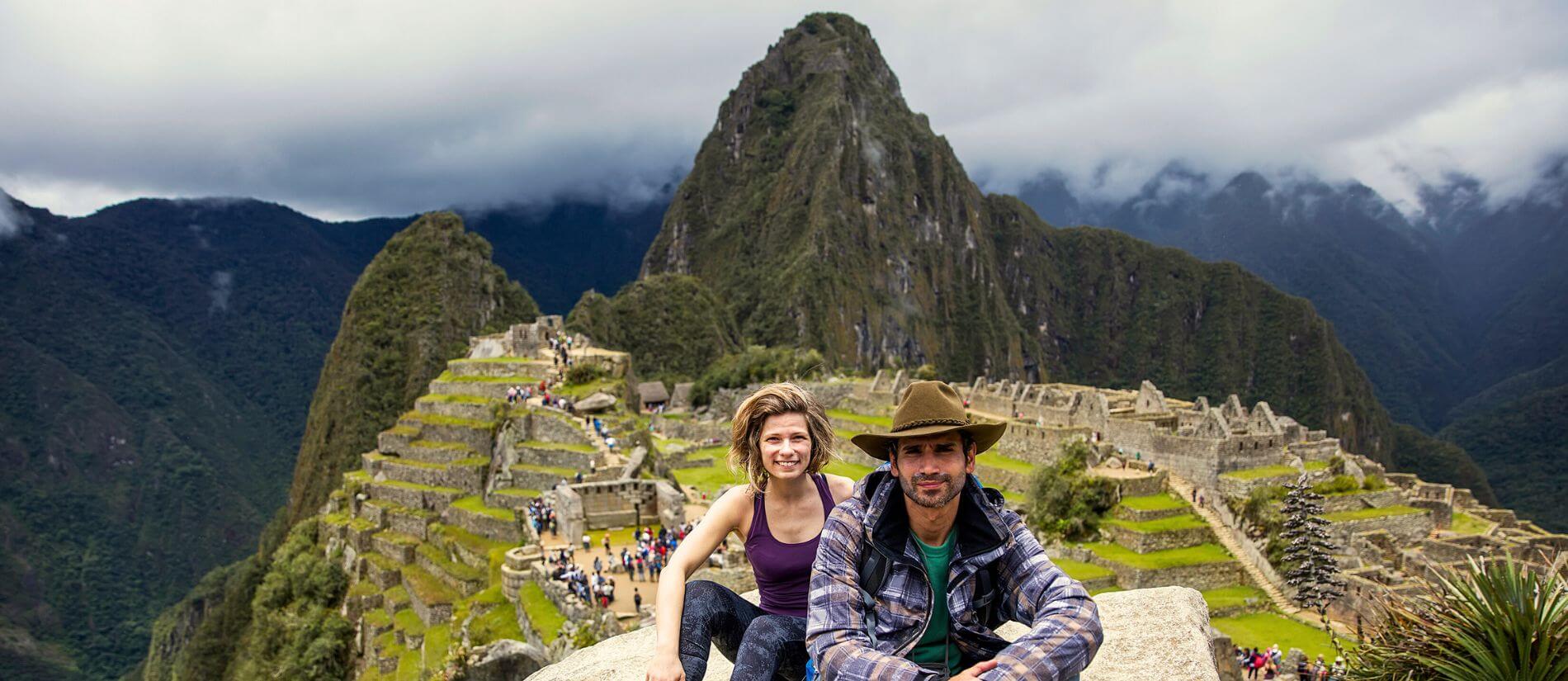
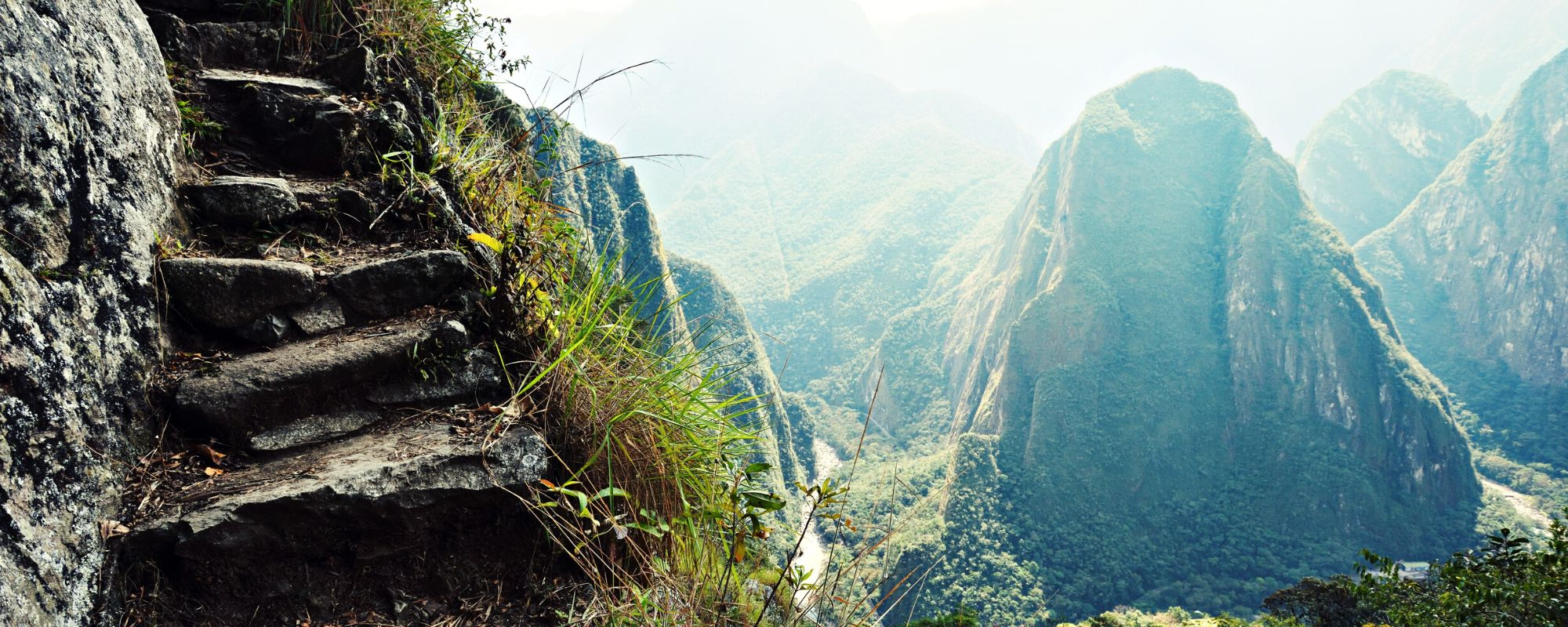
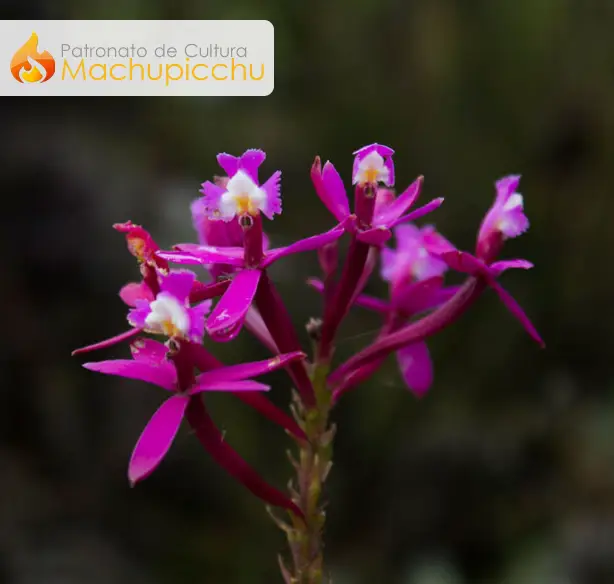
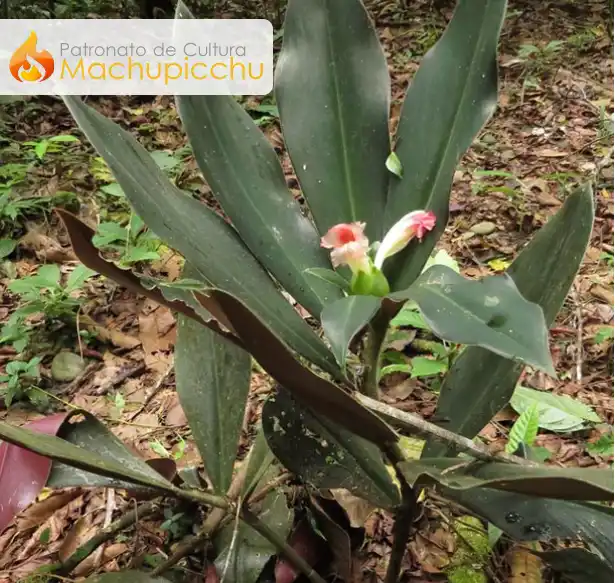
The sanctuary's mountains and extraordinary biodiversity: The archaeological sanctuary is protected by two iconic mountains that visitors can climb, each offering a unique experience. Huayna Picchu is famous for its steep and challenging ascent, while Machu Picchu Mountain offers a longer but equally rewarding hike with spectacular panoramic views of the entire citadel. Both are located within a cloud forest sanctuary that connects the Andes with the Amazon Basin. This protected ecosystem is home to the spectacled bear, the Andean cock-of-the-rock (Peru's national bird), hundreds of butterfly species, more than 400 bird species, and over 400 varieties of beautiful orchids.
Hiram Bingham at Machu PicchuThe Inca City of Machu Picchu
Plan Like an Expert: Practical Tips and Your Gateway to the Illapa Experience
To make the most of your adventure to the legendary Inca citadel and ensure every detail is perfectly planned, keep these essential travel tips in mind:
Book well in advance: As one of the world's most sought-after destinations, Machu Picchu has limited daily visitor capacity. It is highly recommended to purchase your entrance tickets and train reservations several months ahead of your trip.
Choose the best time to visit: The dry season (May to September) offers sunny skies, pleasant temperatures, and minimal rainfall, making it the ideal time to visit. If you prefer fewer crowds, the rainy season (November to April) can also be a great option, although you should be prepared for occasional showers.
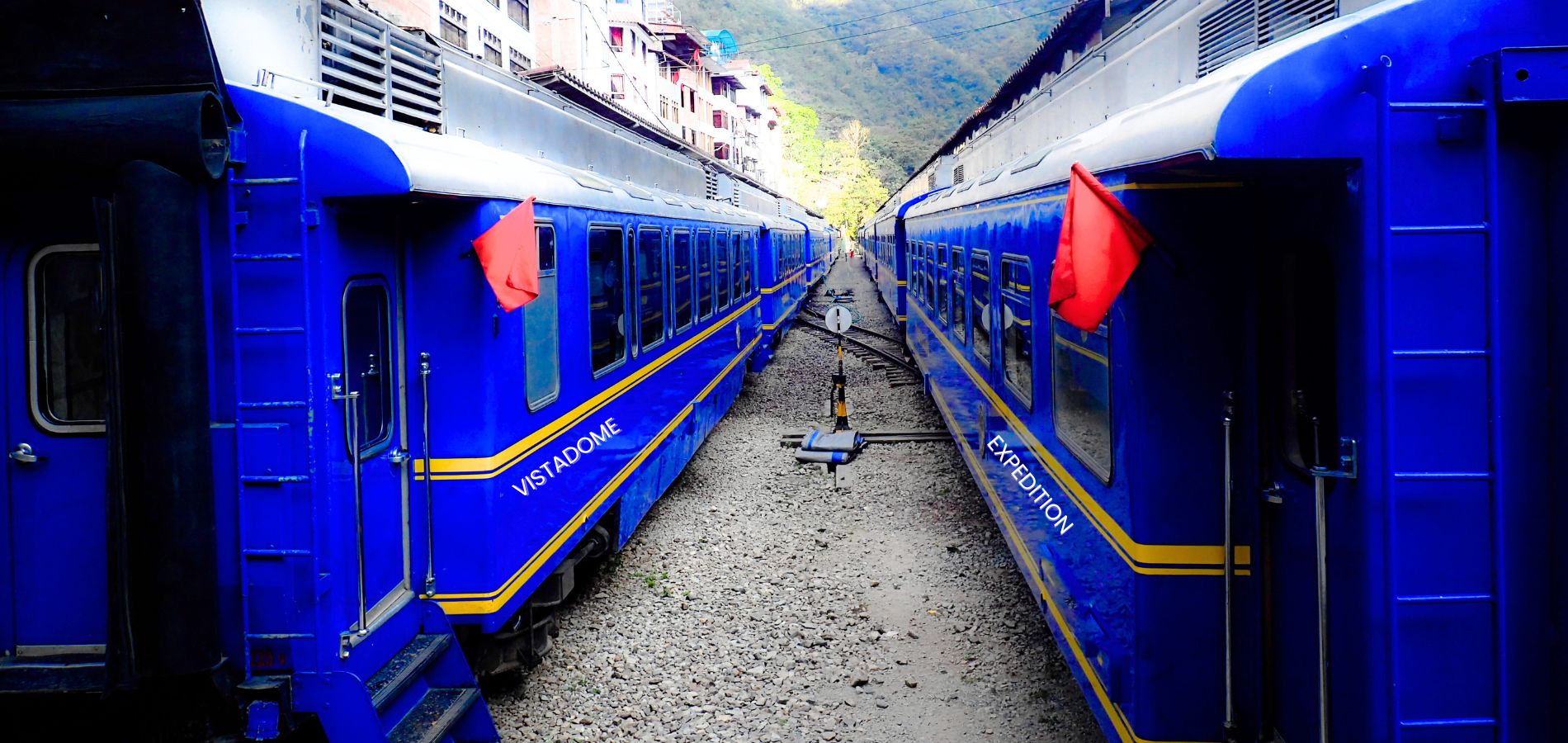
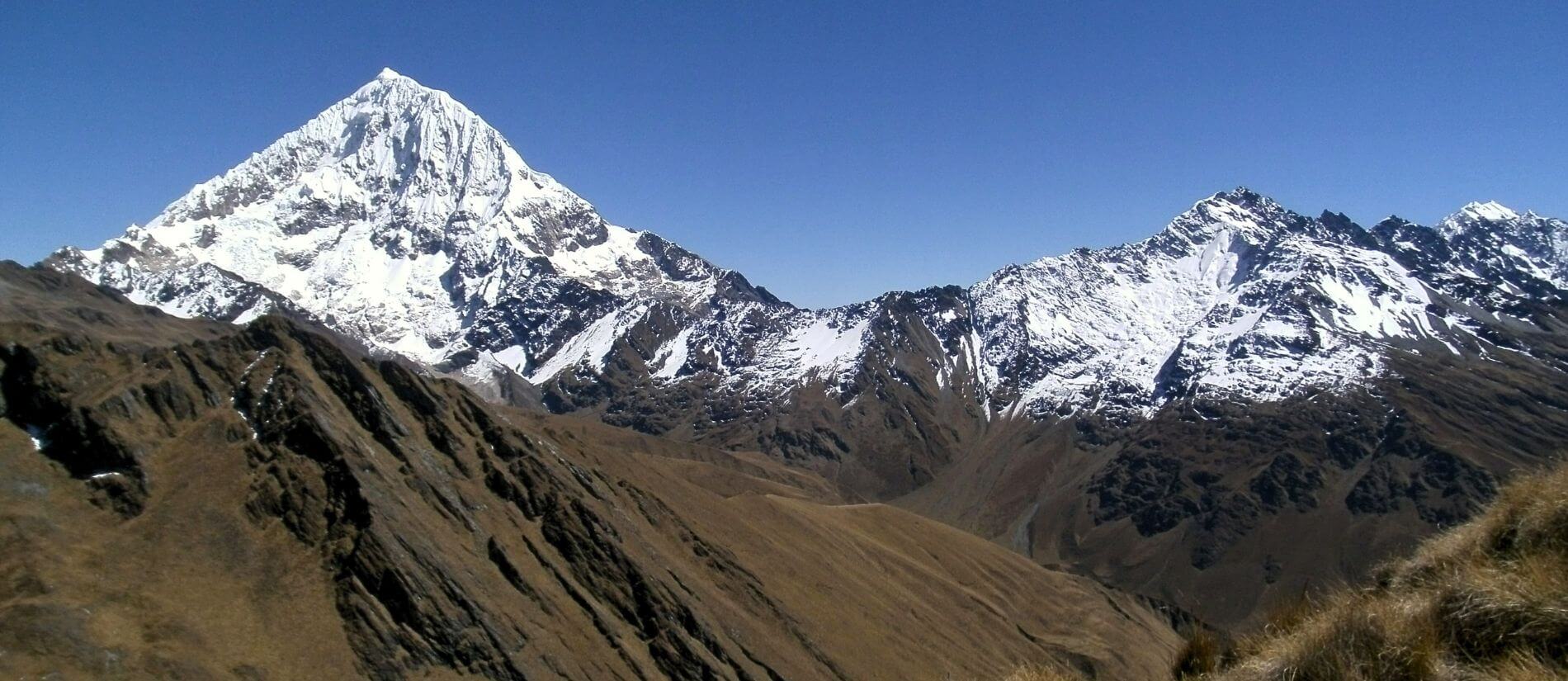
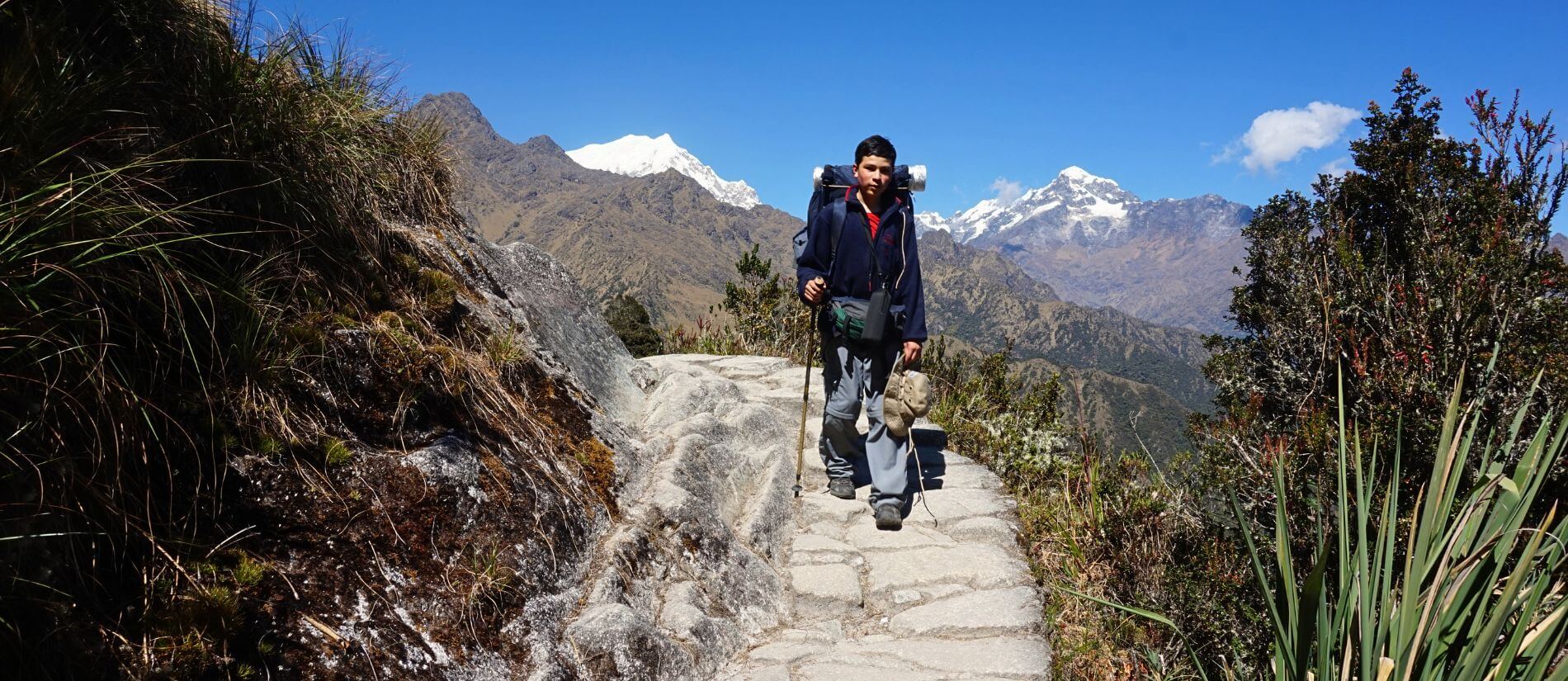
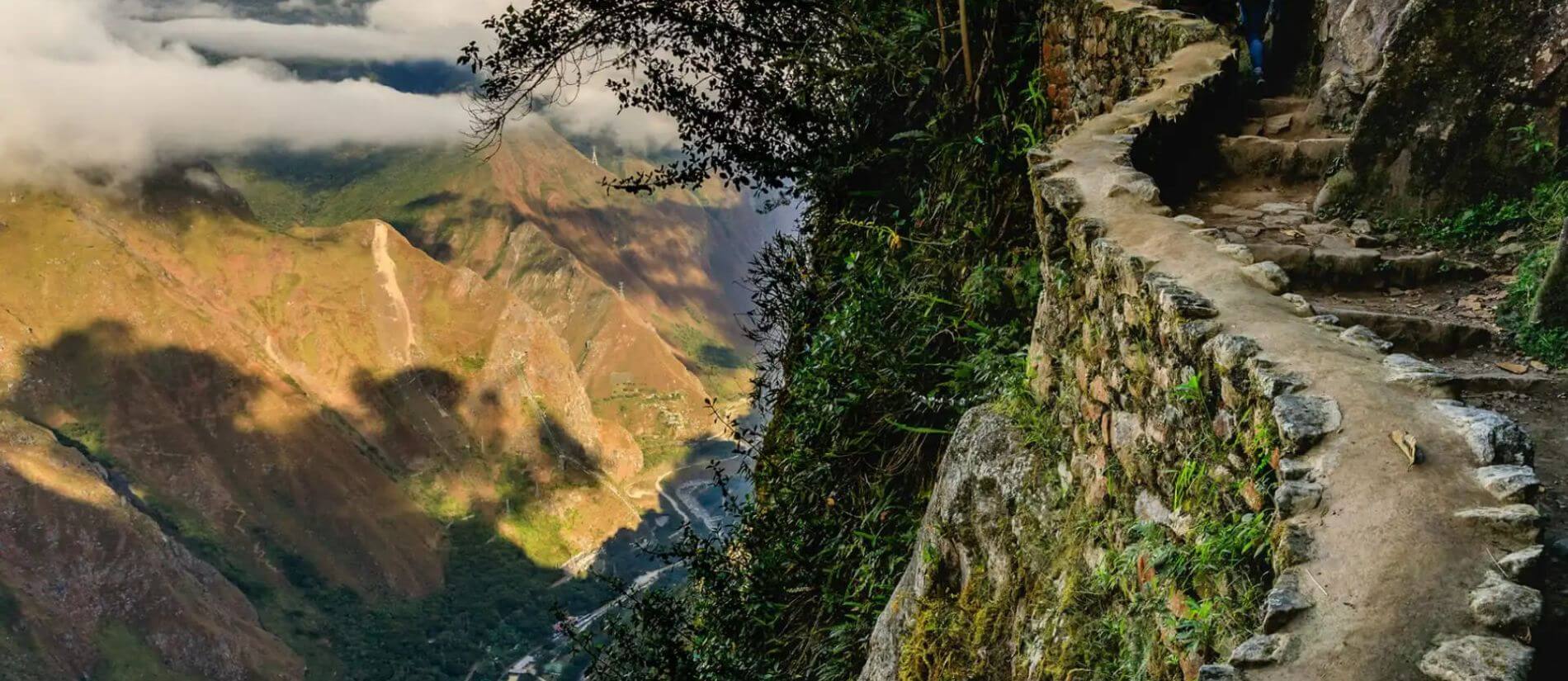
Trekking or train travel: If you enjoy hiking and adventure, iconic routes such as the legendary Inca Trail—the ancient pilgrimage route featuring ceremonial sites like the Temple of the Sun and the Sacred Rock or the scenic Salkantay Trek offer unforgettable experiences before arriving at the citadel. If comfort is your priority, the train from Ollantaytambo provides a fast, relaxing, and incredibly scenic journey.
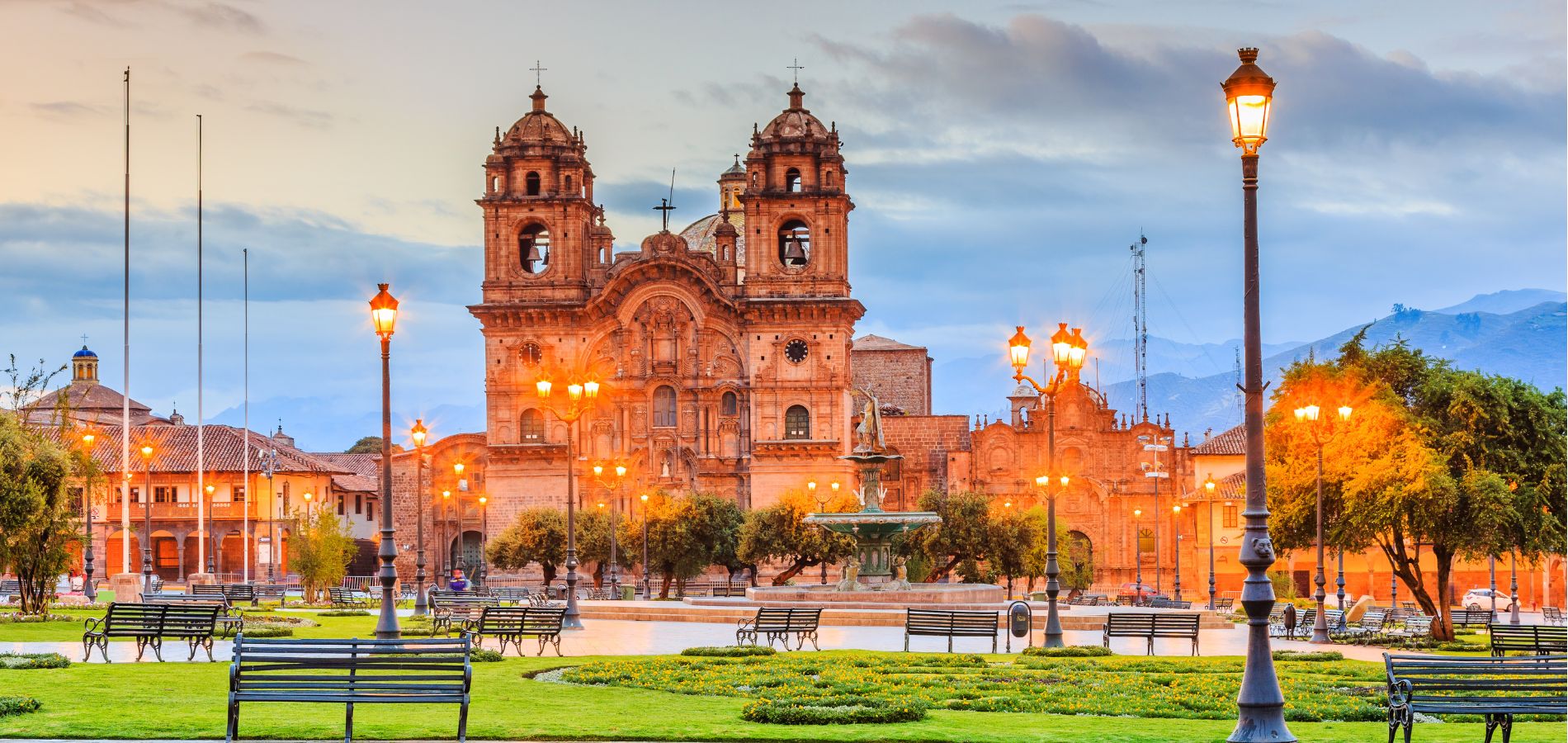
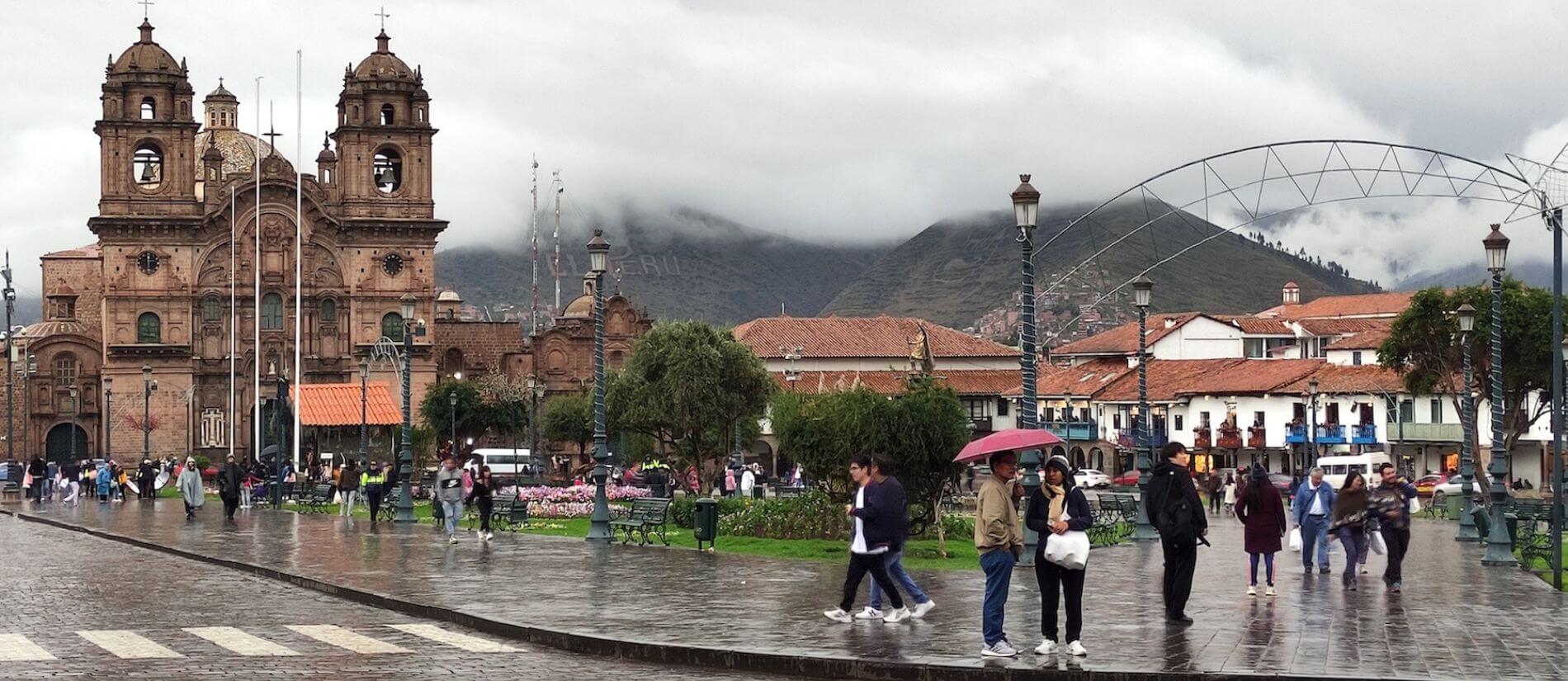
Remember the altitude: Machu Picchu sits at approximately 2,430 meters (7,970 feet) above sea level. If you're arriving from Cusco (3,400 meters / 11,150 feet), it's highly recommended to spend at least one day acclimatizing to reduce the risk of altitude sickness.
Explore beyond the main circuits: Don't limit your visit to the main archaeological circuit. If your fitness level allows, hiking either Huayna Picchu or Machu Picchu Mountain will reward you with breathtaking panoramic views and an even more memorable experience.
How Can a Travel Agency Help You?
Planning a trip to Peru can be challenging due to train schedules, entrance tickets, and the site's regulated visitor circuits. A travel agency specializing in Peru and Machu Picchu can organize every aspect of your itinerary, helping you avoid common mistakes such as selecting the wrong route or missing required documentation. In addition, you'll benefit from professional bilingual guides who will enrich your understanding of the site's fascinating history and help you visit during less crowded time slots for a more enjoyable experience.
Discover the mysteries of Cusco and Peru with Illapa Culturas! We'll take care of every detail so you can focus on enjoying an unforgettable journey. Leave the logistics to us and let us become part of your next great adventure.
Leave us your answer or if you have any questions, ask us.
Related Blogs
Learn more with our blogs about Cusco and discover routes, tips, and unique experiences. Find the perfect guide to plan your next trip and explore Cusco’s attractions safely.
We are a Cusco-based company with a presence in the cities of Lima, Puno, and Arequipa. We have a solid and experienced team, and we are focused on serving and satisfying all our customers.