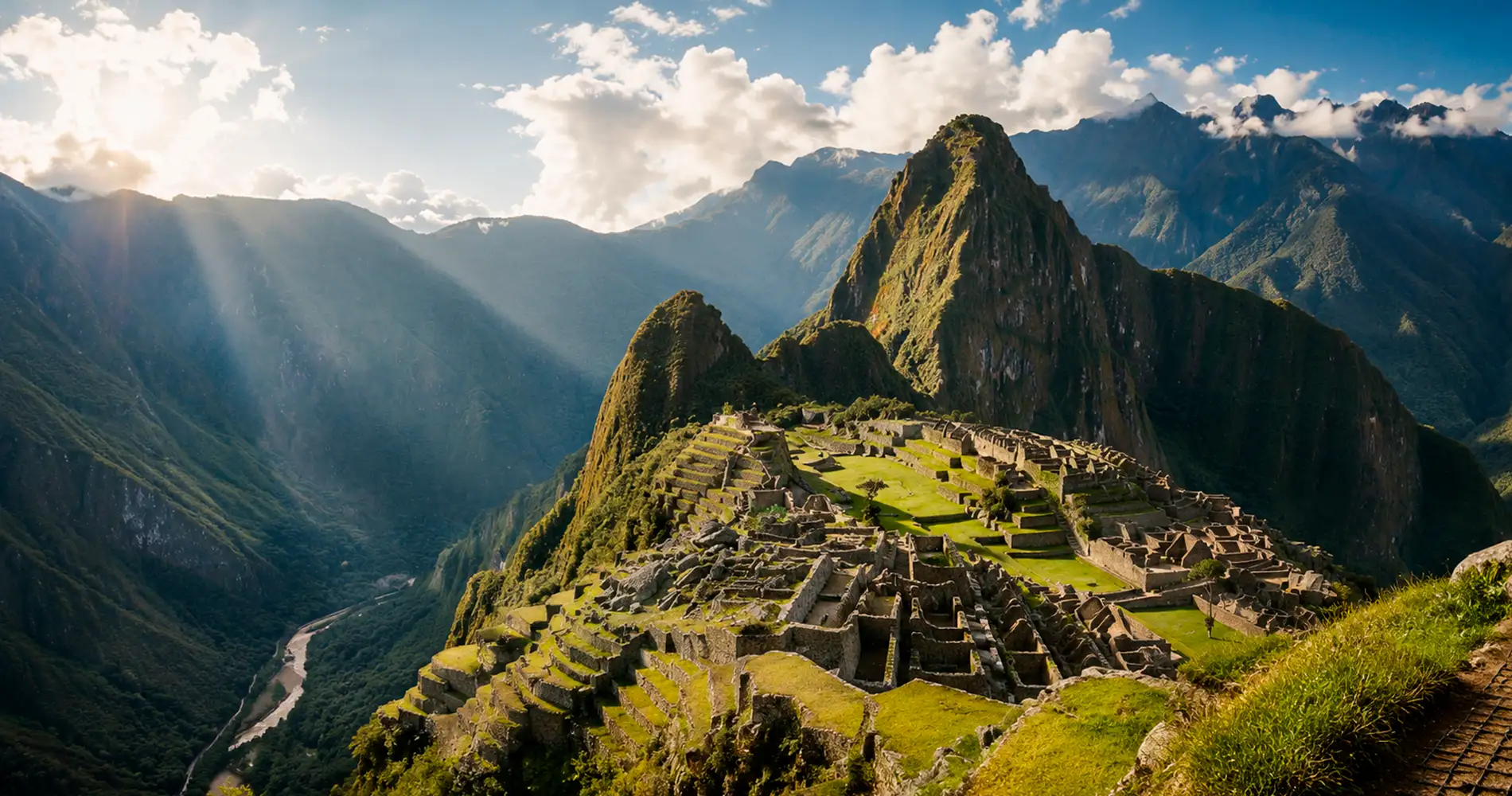
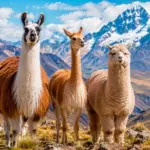
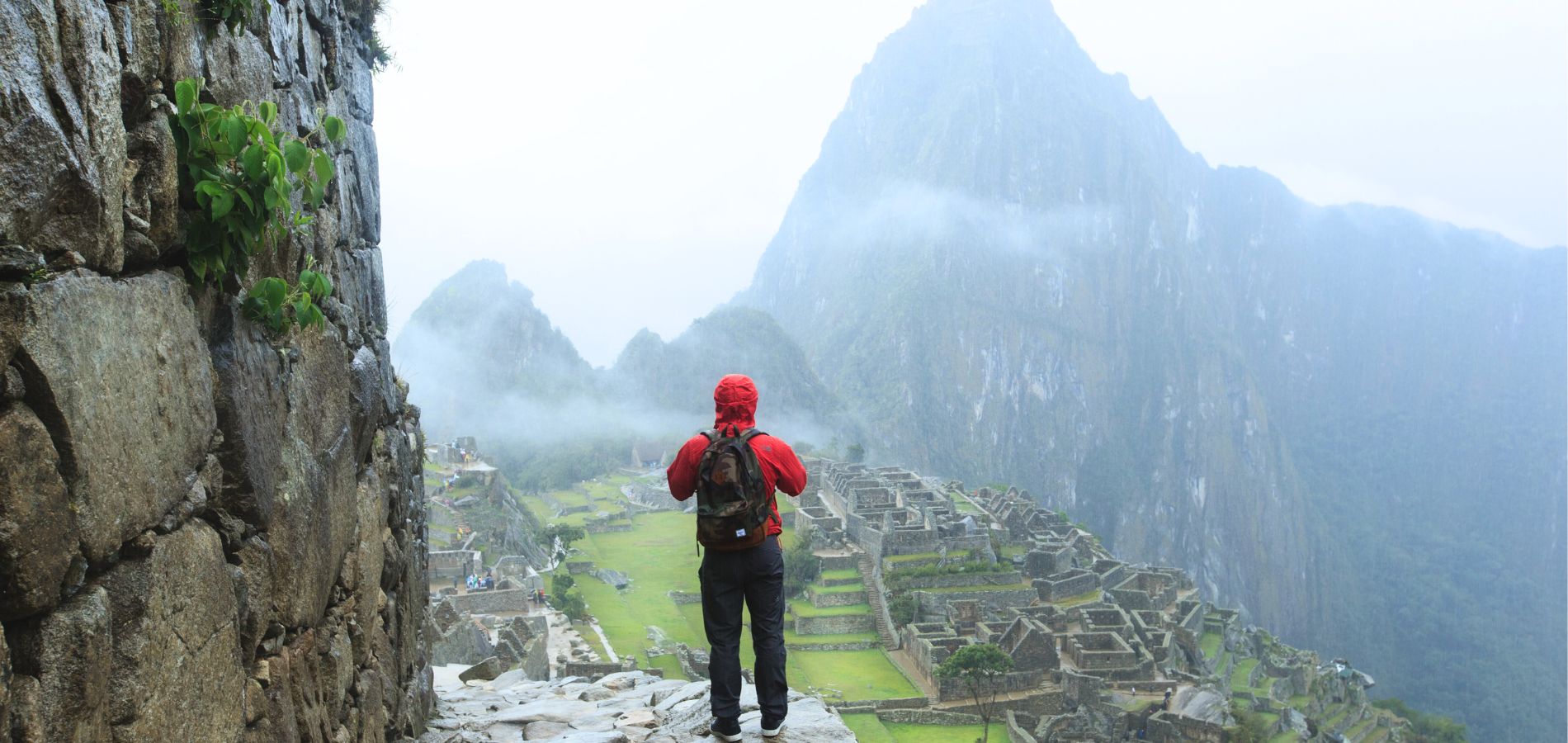
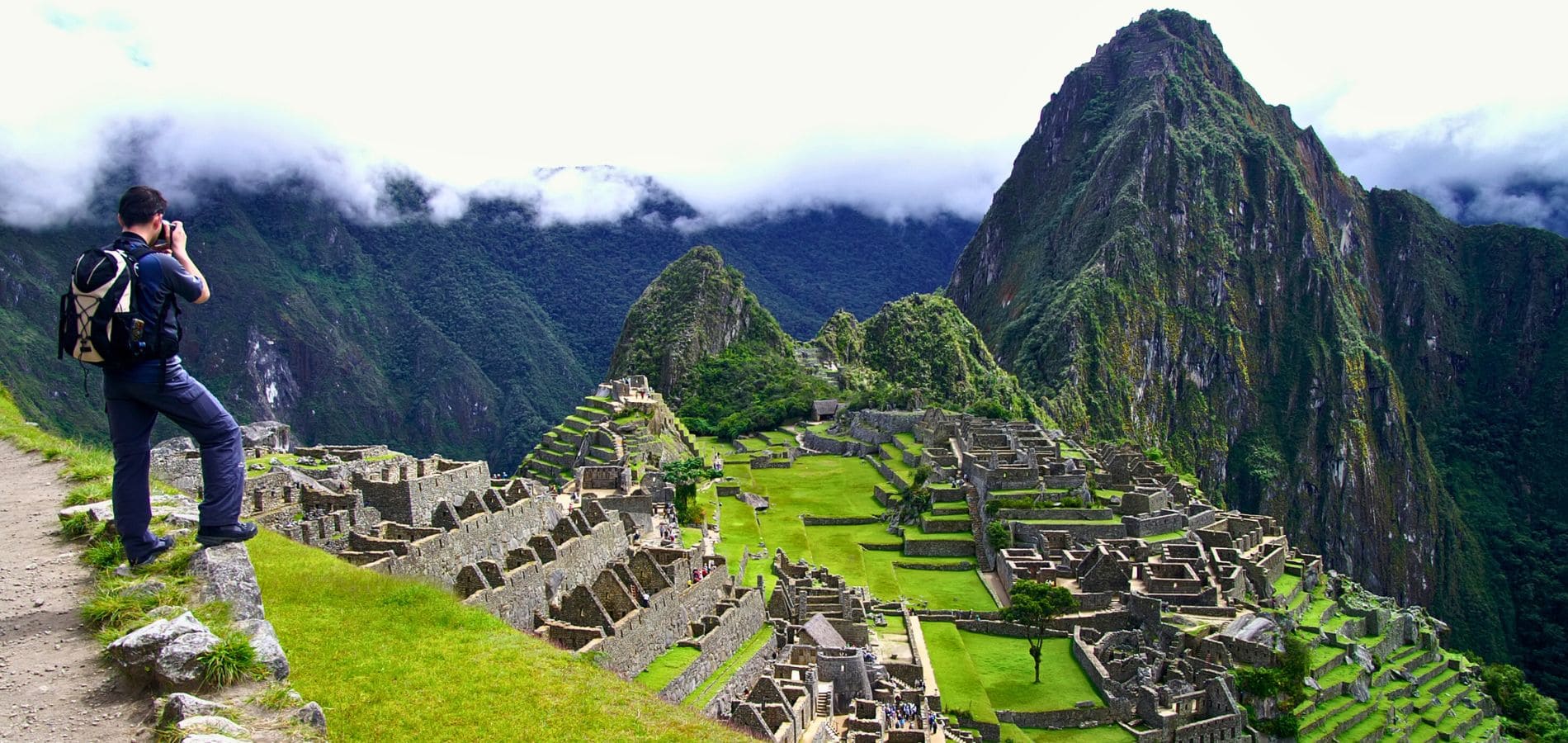
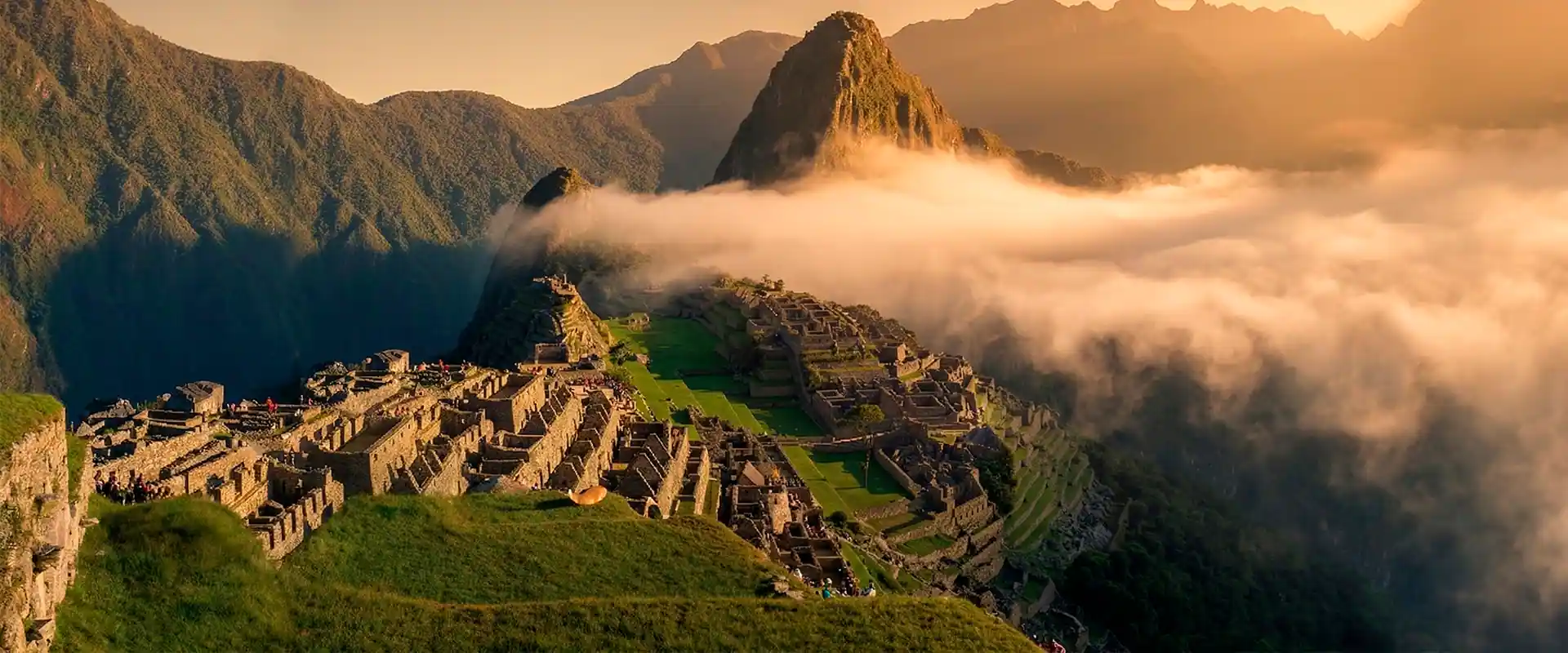
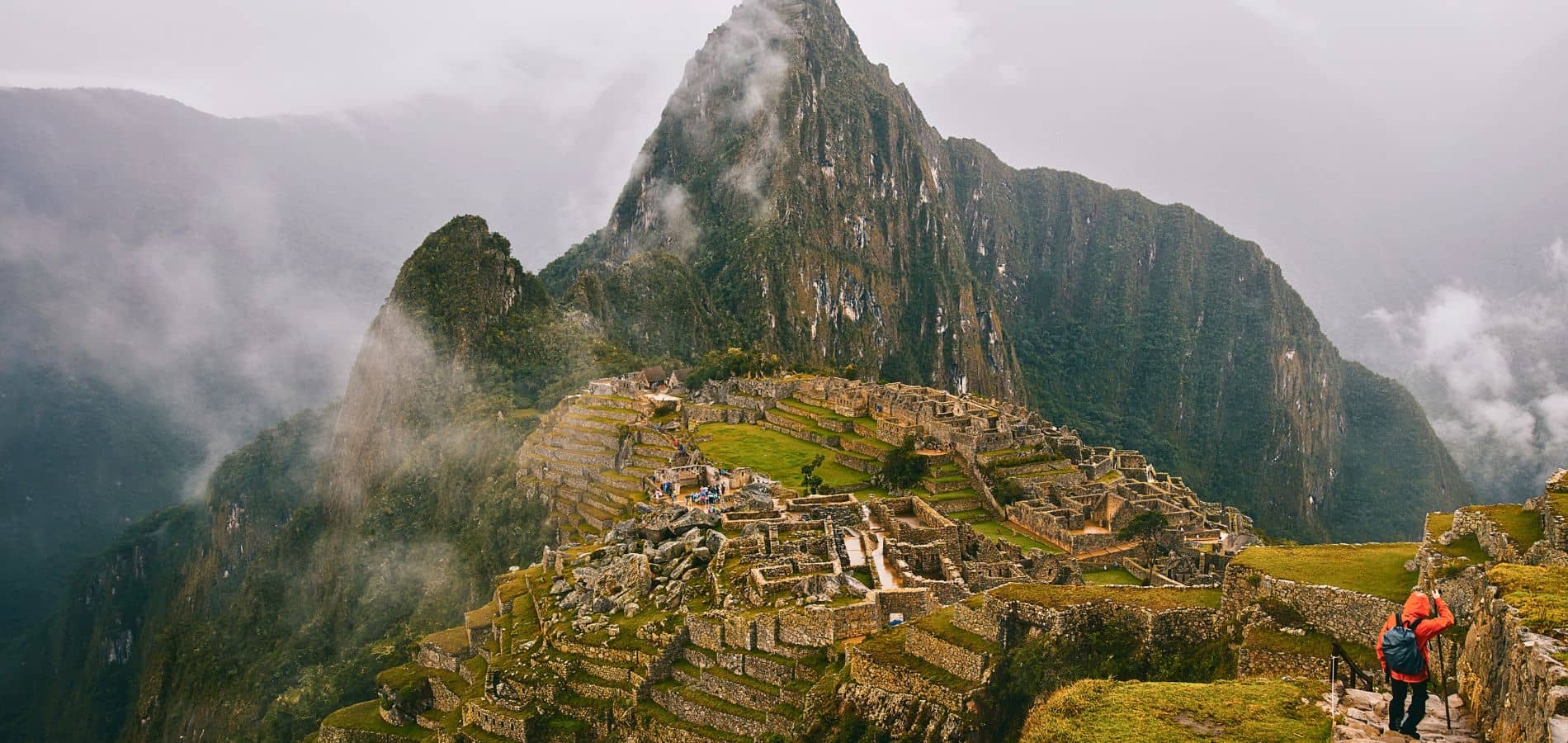
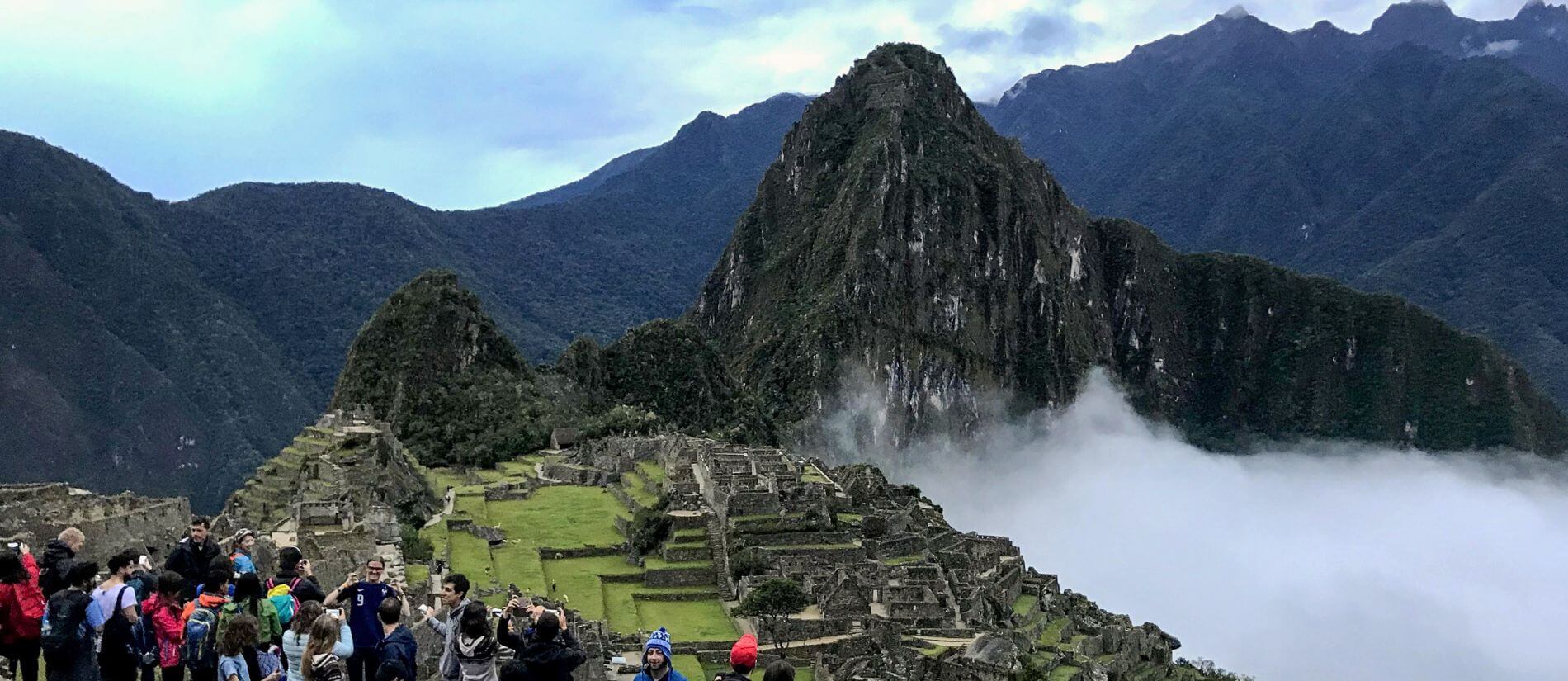
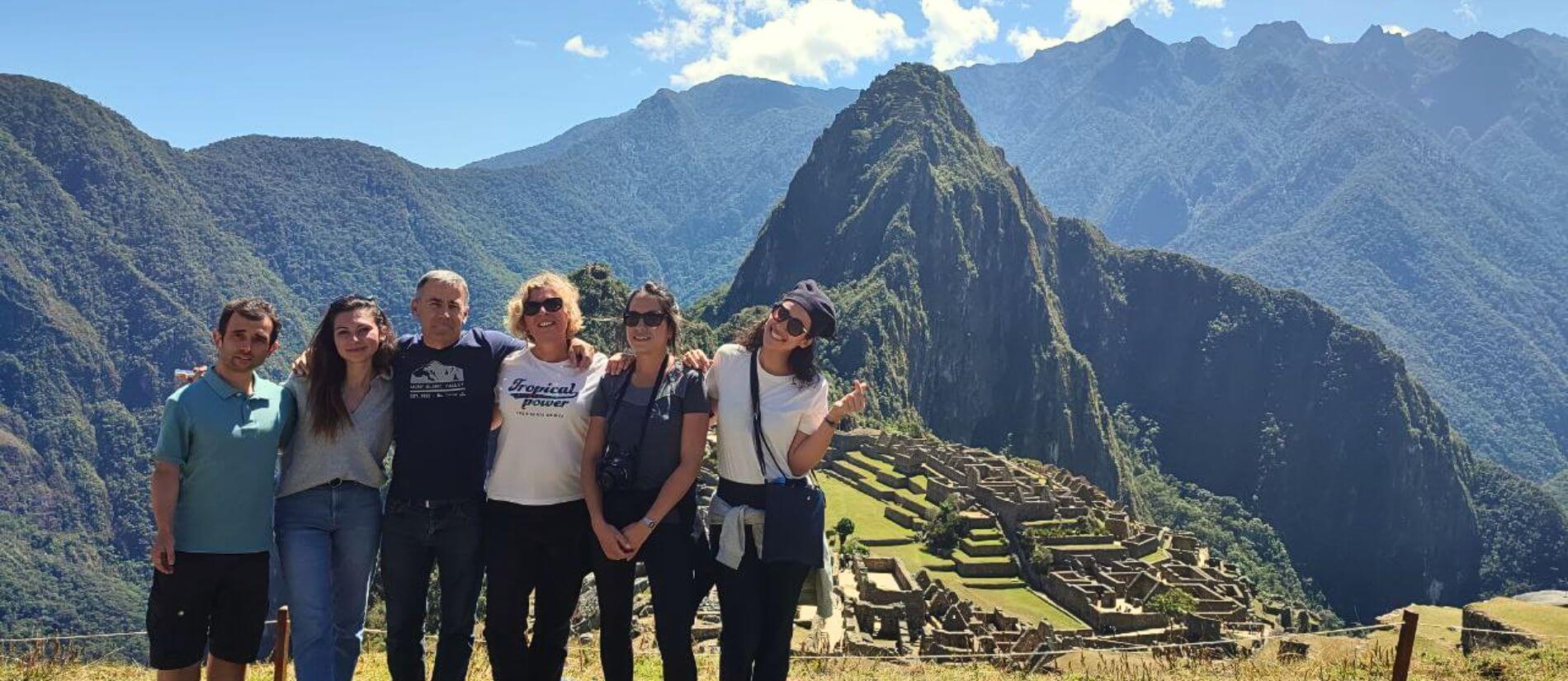
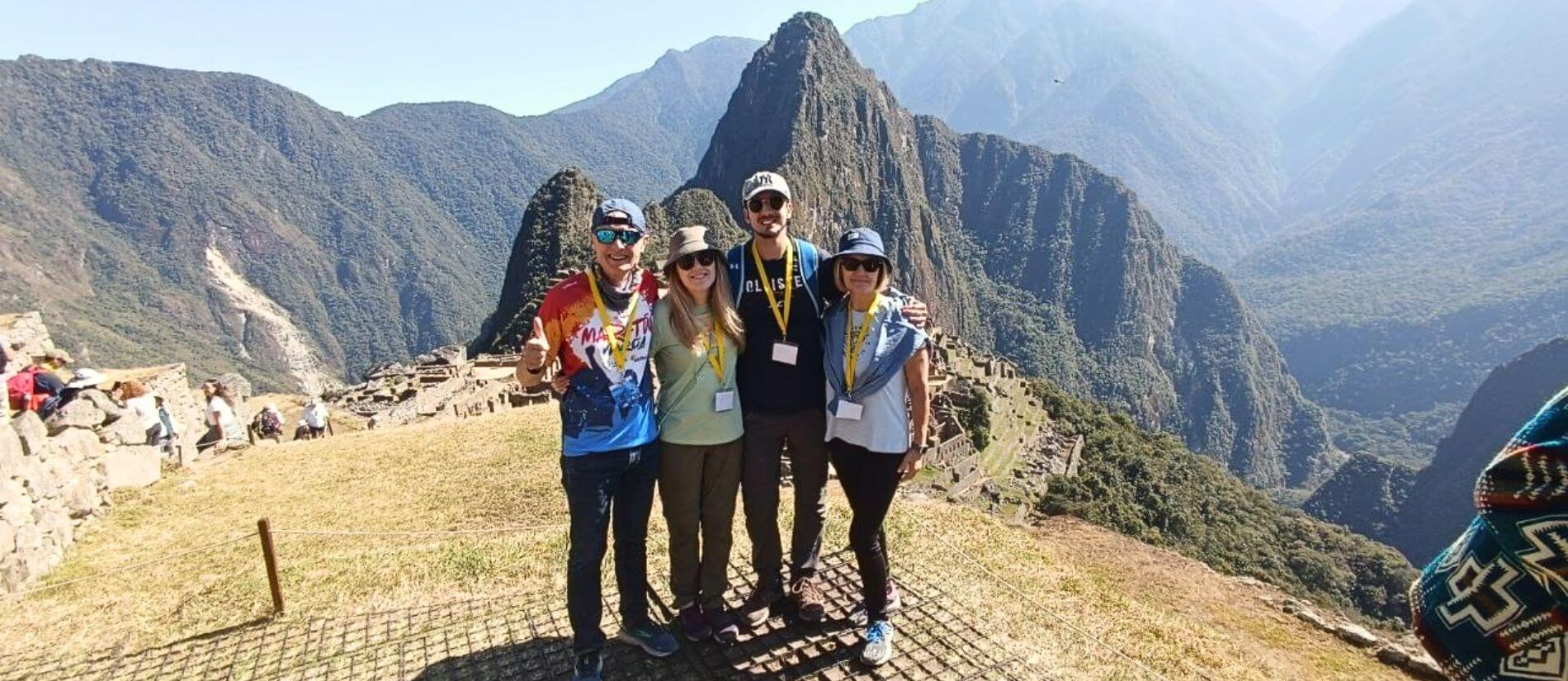
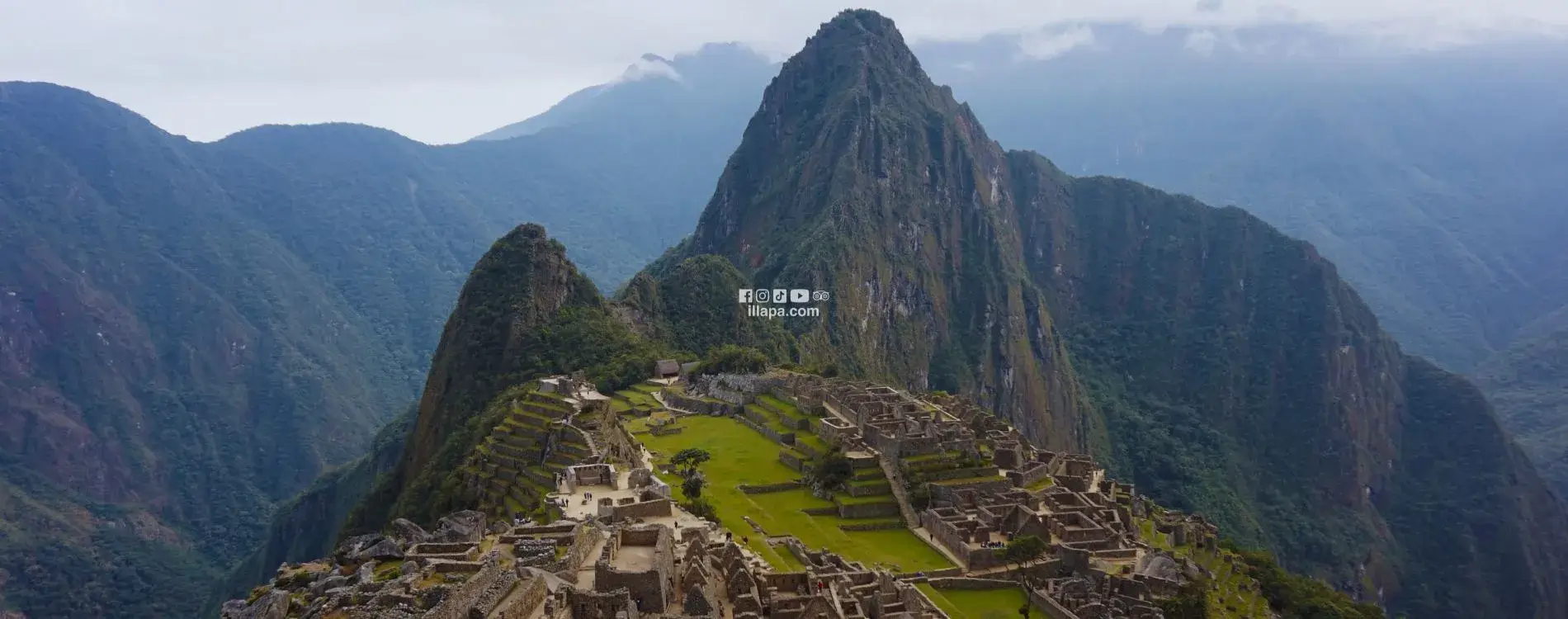
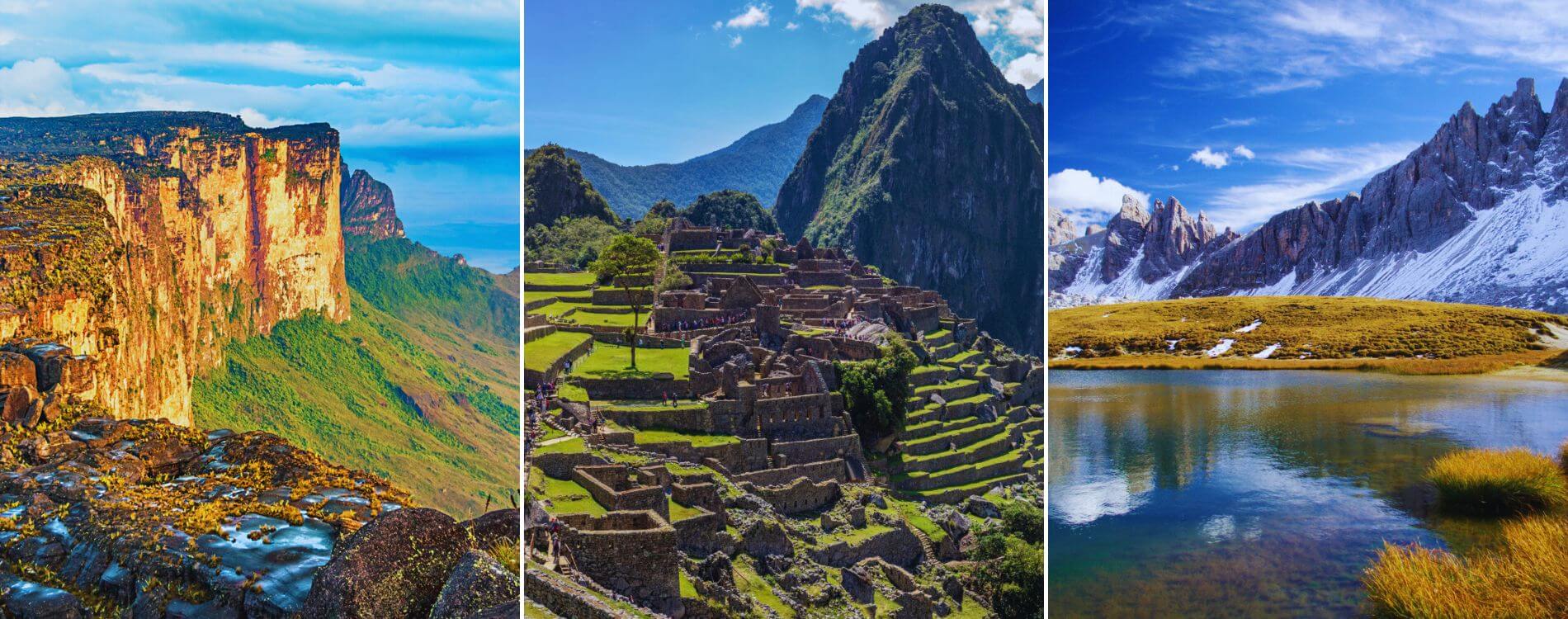
When you picture the breathtaking Andean landscapes or the iconic postcards of Machu Picchu, there is one detail that always stands out: the unmistakable silhouette of its camelids. The llama, alpaca, and vicuña are the true guardians of the Andes Mountains. Although many visitors confuse them at first glance, each has its own unique character, history, and irreplaceable place at the heart of Peru.
These three camelids have lived alongside Andean communities for thousands of years, serving as pack animals, providers of warm fiber, and enduring symbols of life high above sea level. Discover what makes them different, where you can find them, and why they continue to play a vital role in Peru's culture and identity.
| Fact | Information |
| Peruvian camelids | Llama, alpaca, and vicuña |
| Habitat | South American Andes |
| Altitude | 3,500–5,700 m (11,480–18,700 ft) above sea level |
| Largest alpaca population | Peru |
| National animal of Peru | Vicuña |
| Main uses | Fiber, transportation, and conservation |
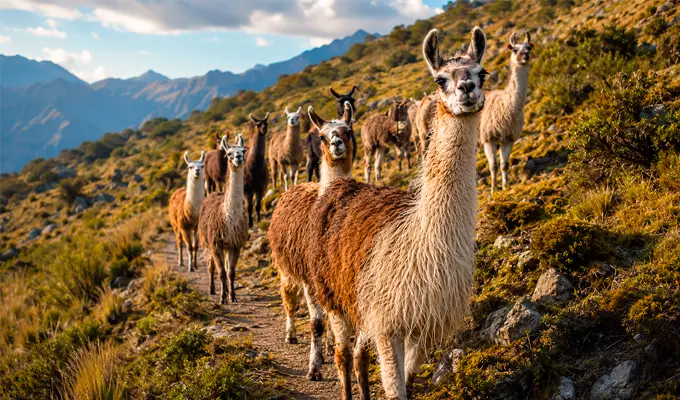
Llamas, alpacas, and vicuñas belong to the South American camelid family, remarkable animals perfectly adapted to the high elevations and harsh climate of the Andes Mountains.
Long before the rise of the Inca Empire, these animals were already essential to life in the mountains. They provided Andean communities with everything they needed to thrive at high altitudes: warm fiber to withstand freezing temperatures, food, pack transportation for trade routes, and essential materials for daily life. Without these camelids, the history and development of the Andes would have been very different.
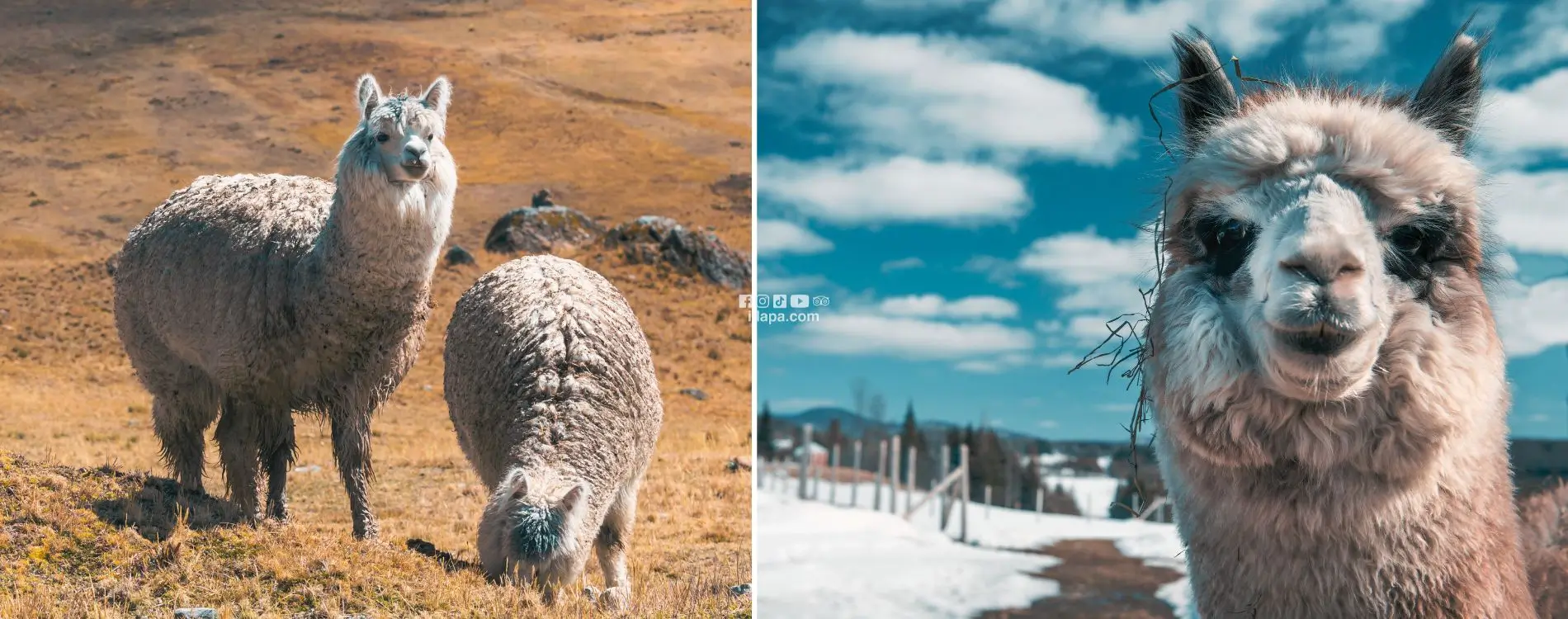
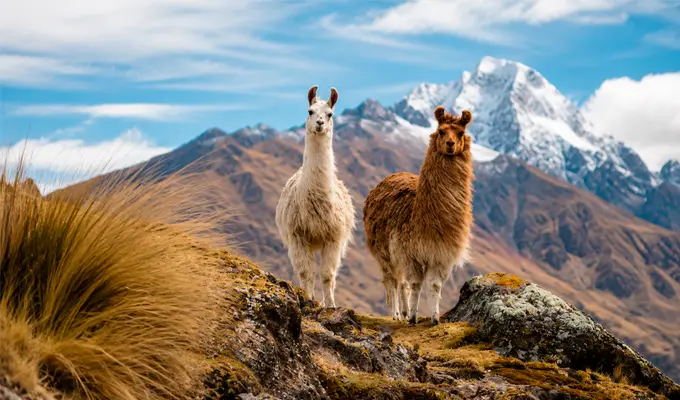
The llama is the gentle giant of the Andes and the largest domesticated camelid in South America. Since the days of the Inca Empire, it has served as the region's primary pack animal, transporting goods along mountain trails while also providing meat and durable fiber.
With its sturdy build and distinctive banana-shaped ears, an adult llama can reach about 1.5 meters (5 feet) in height and weigh more than 110 kg (240 lb). Its remarkable strength allows it to carry between 45 and 60 kg (100–130 lb) across long distances, usually at elevations above 3,600 meters (11,800 feet).
What makes it unique:
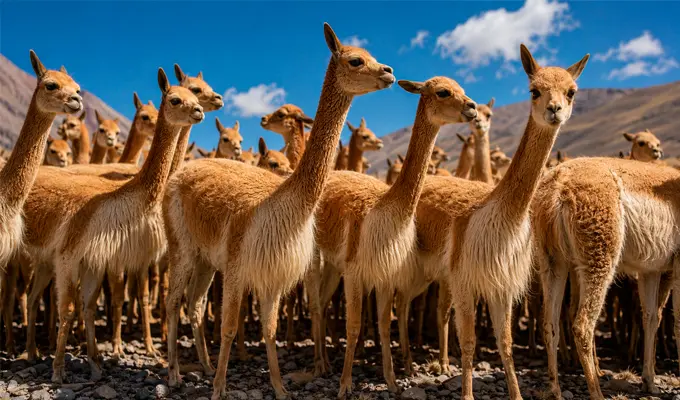
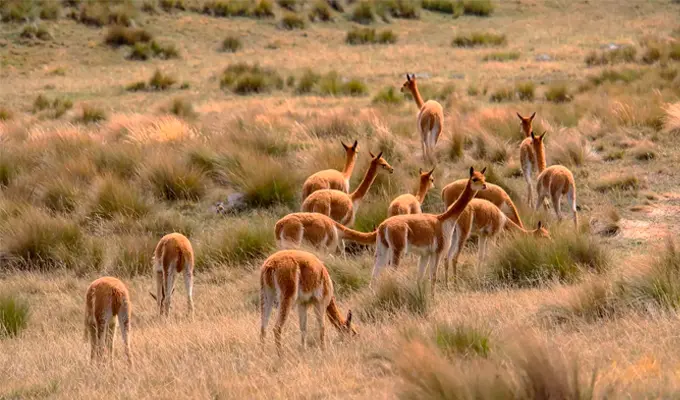
The vicuña is the wild jewel of the Andean highlands and the smallest camelid in South America. Graceful, slender, and agile, it produces the world's finest and most valuable natural fiber. This extraordinary fleece nearly led to its disappearance: during the 20th century, widespread poaching pushed the species to the brink of extinction until successful conservation programs helped restore its populations across the high Andes.
Today, the vicuña roams freely under legal protection and is proudly featured on the National Coat of Arms of Peru as the country's most iconic symbol of native wildlife.
What makes it unique:
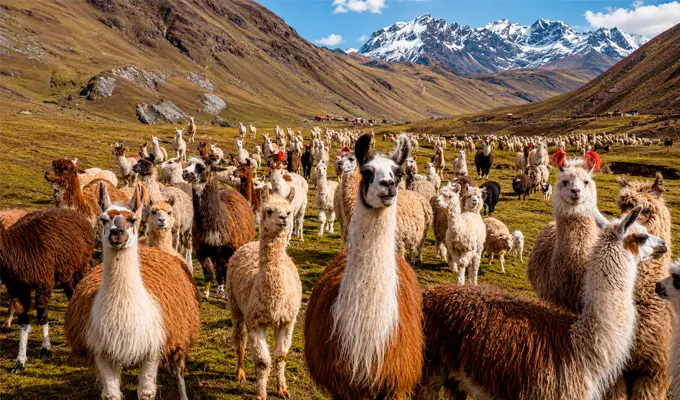
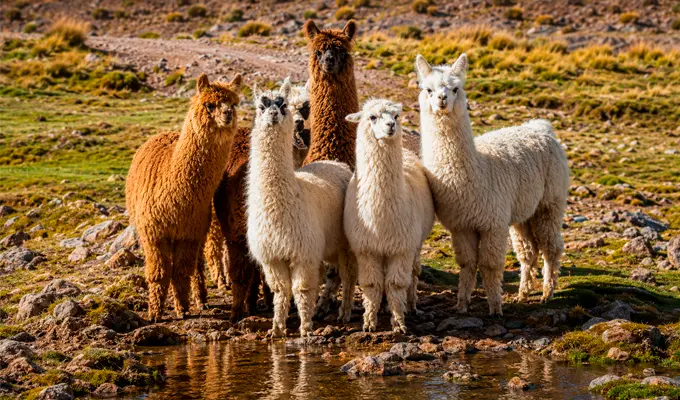
The alpaca is the textile treasure of the Andes. Unlike its relative, the llama, it was never used as a pack animal. Instead, ancient Peruvians bred alpacas for one purpose: producing one of the softest, warmest, and lightest natural fibers in the world. Today, Peru is home to the vast majority of the world's alpaca population.
There are two main breeds that are easy to distinguish:
What makes it unique:
| Characteristic | Llama | Alpaca | Vicuña |
| Size | Large | Medium | Small |
| Status | Domesticated | Domesticated | Wild |
| Main use | Transportation and fiber | Fiber production | Conservation and sustainable fiber harvesting |
| Ears | Long and curved | Short and straight | Small and slender |
| Coat | Coarse | Very thick and soft | Short and extremely fine |
Although llamas, alpacas, and vicuñas are found throughout the backbone of South America, ranging across Peru, Bolivia, Chile, Ecuador, and Argentina, Peru is undoubtedly the true capital of these remarkable camelids.
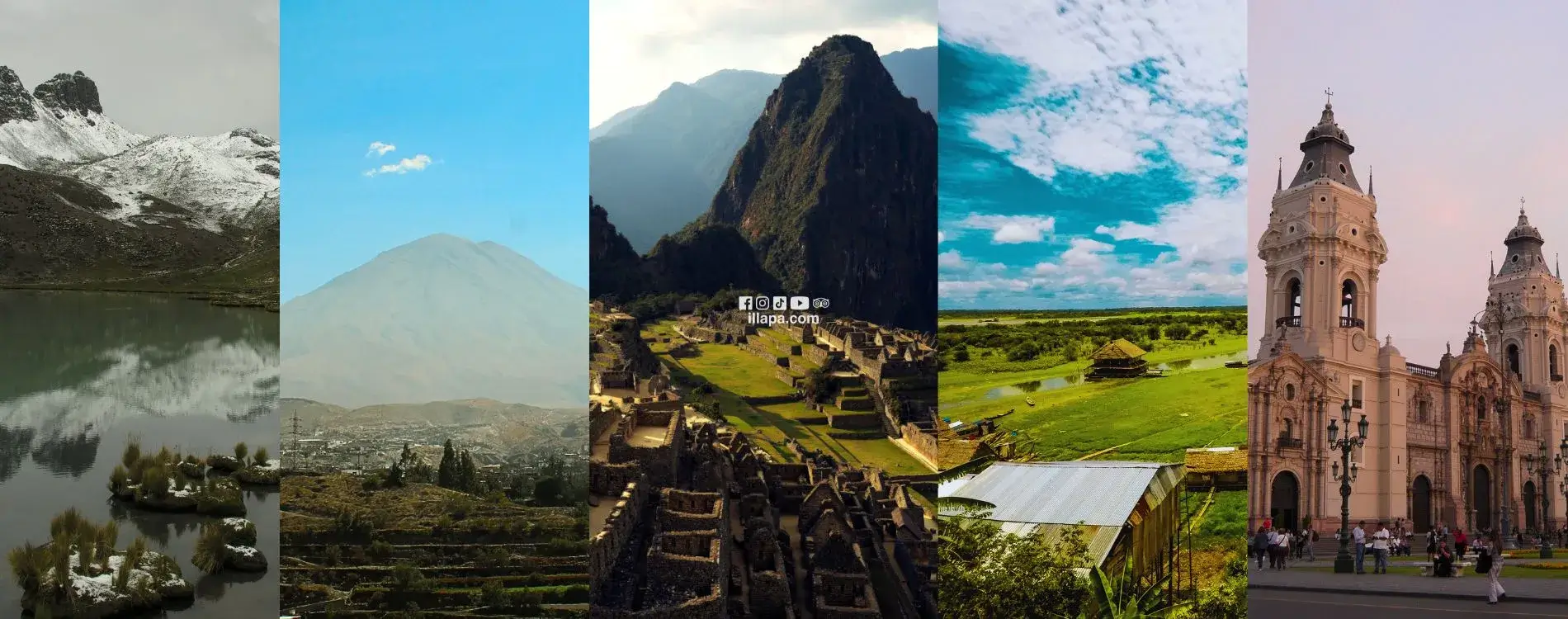
The country is not only home to the world's largest population of alpacas but also one of the largest populations of wild vicuñas. This natural treasure is mainly found across the high-altitude plateaus and puna grasslands of regions such as Puno, Cusco, Arequipa, and Ayacucho, where these animals continue to shape the landscape, local economy, and daily life of Andean communities.
Perfectly adapted to the harsh conditions of the high Andes, these three camelid species are strict herbivores. Their daily diet consists of the native vegetation found in the puna:
Their highly efficient three-compartment digestive system allows them to extract nutrients from even the toughest vegetation. In addition, their split upper lips and soft-padded feet enable them to graze without pulling up roots or damaging the soil, helping preserve the fragile Andean ecosystem.
More than simply part of the landscape, South American camelids have been a cornerstone of Andean civilization. Since pre-Inca and Inca times, each species played a vital role in the organization and prosperity of the empire:
Today, this legacy remains alive. The breeding of llamas and alpacas, together with the conservation of wild vicuñas through the traditional chaku, continues to provide a livelihood for thousands of highland families while preserving one of Peru's most treasured cultural traditions.
If you are traveling to Peru, there are several must-visit destinations where you can admire these iconic camelids roaming through breathtaking Andean landscapes:
These fascinating facts highlight just how unique and remarkable the Andean camelids truly are:
What is the main difference between a llama and an alpaca?
The llama is larger, stronger, and has long, banana-shaped ears. It has traditionally been used as a pack animal. The alpaca is smaller, with a shorter face and straight ears, and is raised primarily for its soft, luxurious fiber.
Can vicuñas be domesticated?
No. The vicuña is a completely wild species protected by law. It lives freely across the high Andes, and its valuable fiber is harvested only through the traditional chaku ceremony, during which the animals are captured, shorn, and immediately released.
Which camelid has the finest fiber?
Vicuña fiber is the finest and most valuable natural fiber in the world, even surpassing cashmere. Alpaca fiber is considered the second finest and is prized for its softness, warmth, and lightweight feel.
Where is the best place to see them in Peru?
The best opportunities are in the highland regions of Cusco, Puno, and Arequipa, especially along tours to the Sacred Valley, Machu Picchu, Rainbow Mountain, Pampa Galeras National Reserve, and Salinas y Aguada Blanca National Reserve.