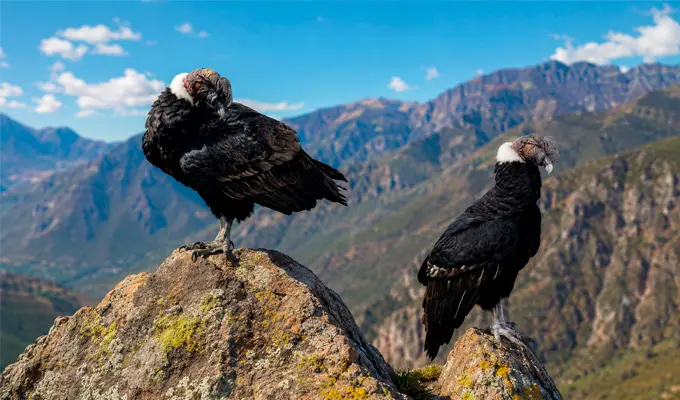
The Andean condor is not only the most majestic bird in South America; it is the undisputed king of the Andean skies and a true guardian of the region's history. For the Incas, it was far more than an ordinary animal—it represented the Hanan Pacha, the celestial world of the gods, embodying freedom, strength, and the connection between humanity and the divine.
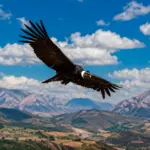
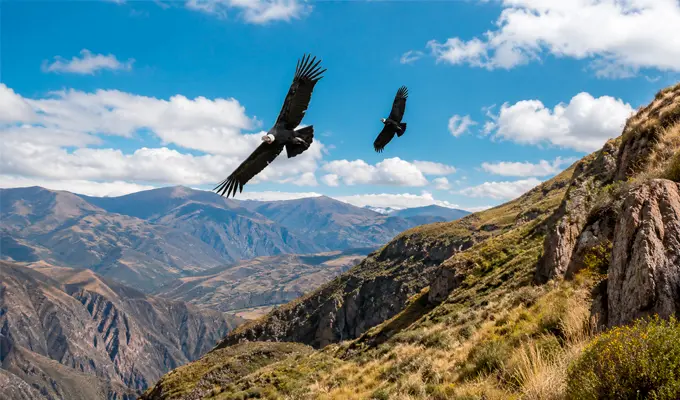
Watching an Andean condor soar freely through the sky is one of those unforgettable experiences that gives you goosebumps. With a wingspan that seems to defy gravity, the condor rarely flaps its wings, instead gliding effortlessly on thermal currents while mastering the vast Andean landscapes with remarkable elegance. From the cliffs of Colca Canyon to the peaks of the Sacred Valley, seeing its silhouette crossing the mountains instantly connects visitors with the raw power of the Andes and with legends that remain alive to this day.
| Fact | Information |
| Scientific name | Vultur gryphus |
| Wingspan | Up to 3.3 meters (10.8 ft) |
| Weight | 8 to 15 kg (18–33 lbs) |
| Habitat | Andes Mountain Range |
| Diet | Scavenger |
| Lifespan | 50 to 70 years |
With a wingspan reaching up to three meters (10 feet) from tip to tip, the Andean condor (Vultur gryphus) proudly holds the title of the largest flying bird in South America and one of the most impressive birds on Earth. More than just a majestic silhouette in the sky, this giant member of the New World vulture family plays a vital ecological role in the Andes. By feeding on carrion, it acts as nature's cleanup crew, preventing the spread of disease and helping maintain the delicate balance of mountain ecosystems.
The most fascinating aspect of its flight is its remarkable efficiency. By taking advantage of the rising thermal currents generated by the deep Andean valleys, the condor can soar for hours and travel hundreds of kilometers with almost no wing flapping, floating gracefully through the air with unmatched mastery.
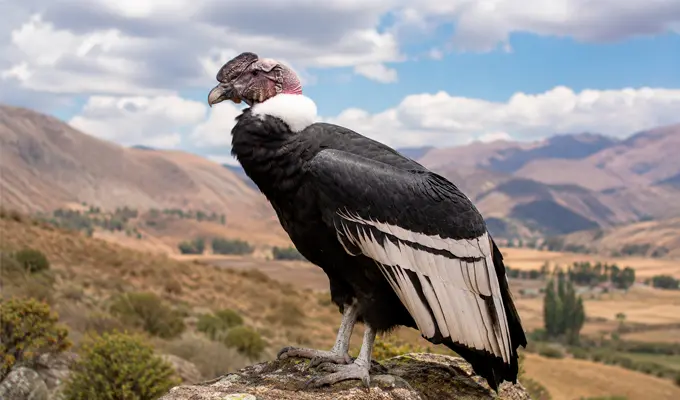
The Andean condor possesses a unique combination of anatomical and biological traits that make it a masterpiece of adaptation to high-altitude environments:
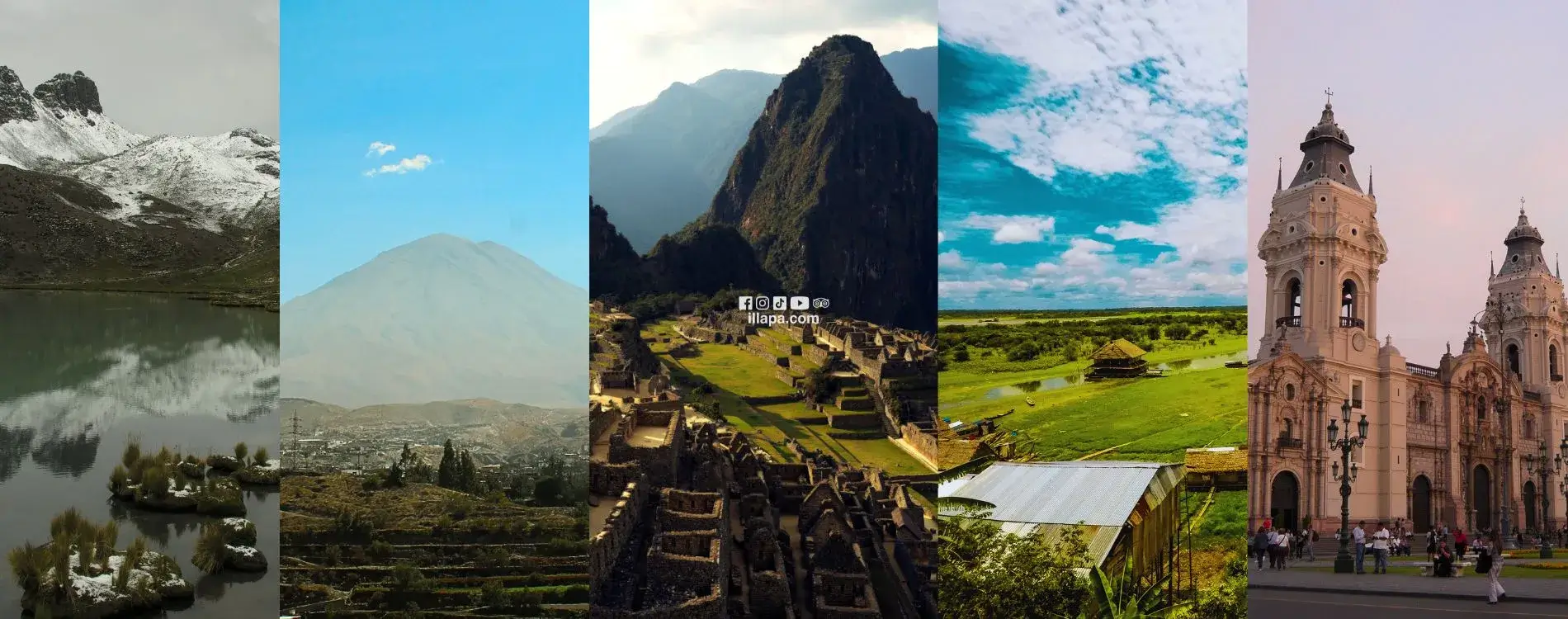
The Andean condor's habitat is defined by the vastness of the Andean peaks. This majestic bird ranges throughout the entire Andes Mountain Range, inhabiting territories in Peru, Bolivia, Chile, Argentina, Ecuador, and Colombia.
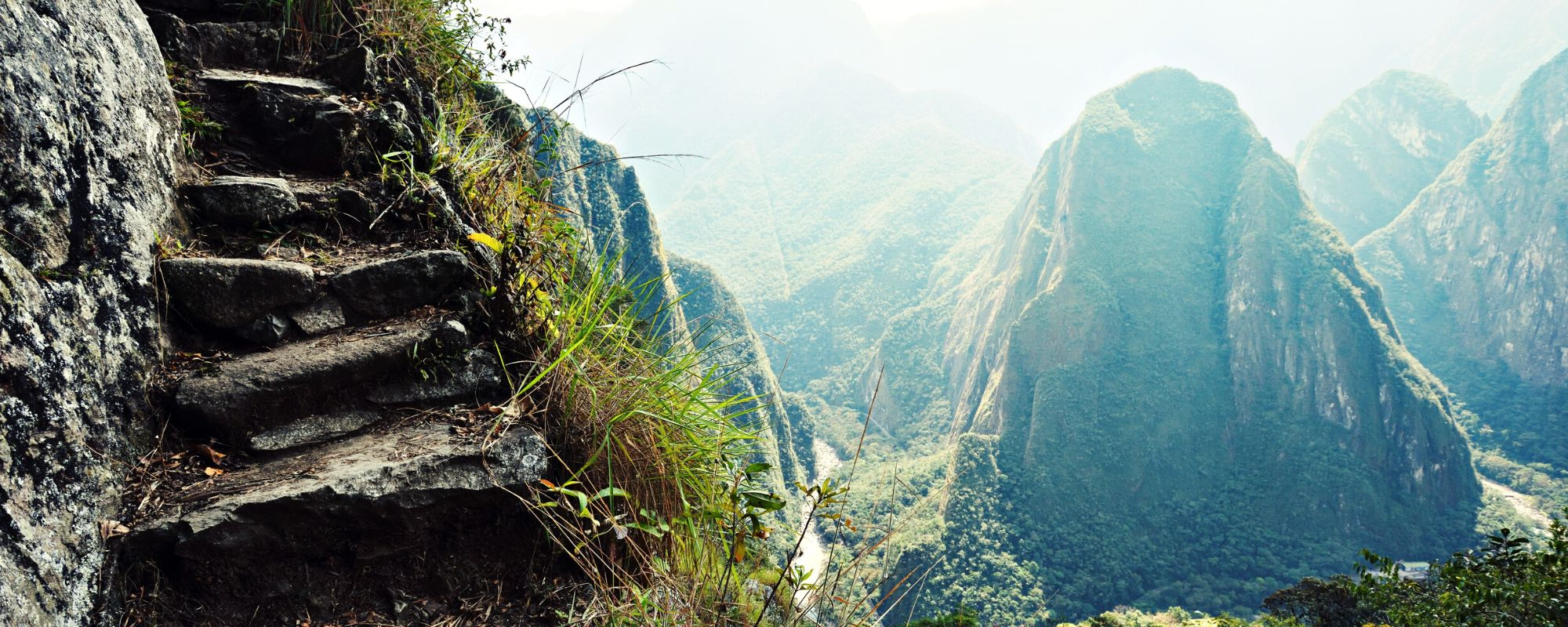
It primarily seeks out deep canyons and inaccessible cliffs, not only to protect its nests from potential threats but also to take advantage of the powerful thermal updrafts that form along rocky walls, allowing it to soar effortlessly.
In Peru, it is most commonly found at elevations ranging from 3,000 to 5,000 meters (9,843 to 16,404 ft) above sea level. However, it is remarkably adaptable and occasionally descends to coastal and desert areas, attracted by the remains of marine wildlife along the beaches, demonstrating its extensive range across the country's diverse landscapes.
The Andean condor is an exclusively scavenging bird, meaning it does not hunt live prey but instead feeds on dead animals. Its diet in the high Andes mainly consists of:
Far from being harmful, this feeding behavior plays an essential ecological role. By consuming the remains of animals that die in the mountains, the Andean condor naturally cleans ecosystems, accelerating the decomposition of organic matter and preventing the spread of bacteria and diseases that could affect wildlife and local communities.
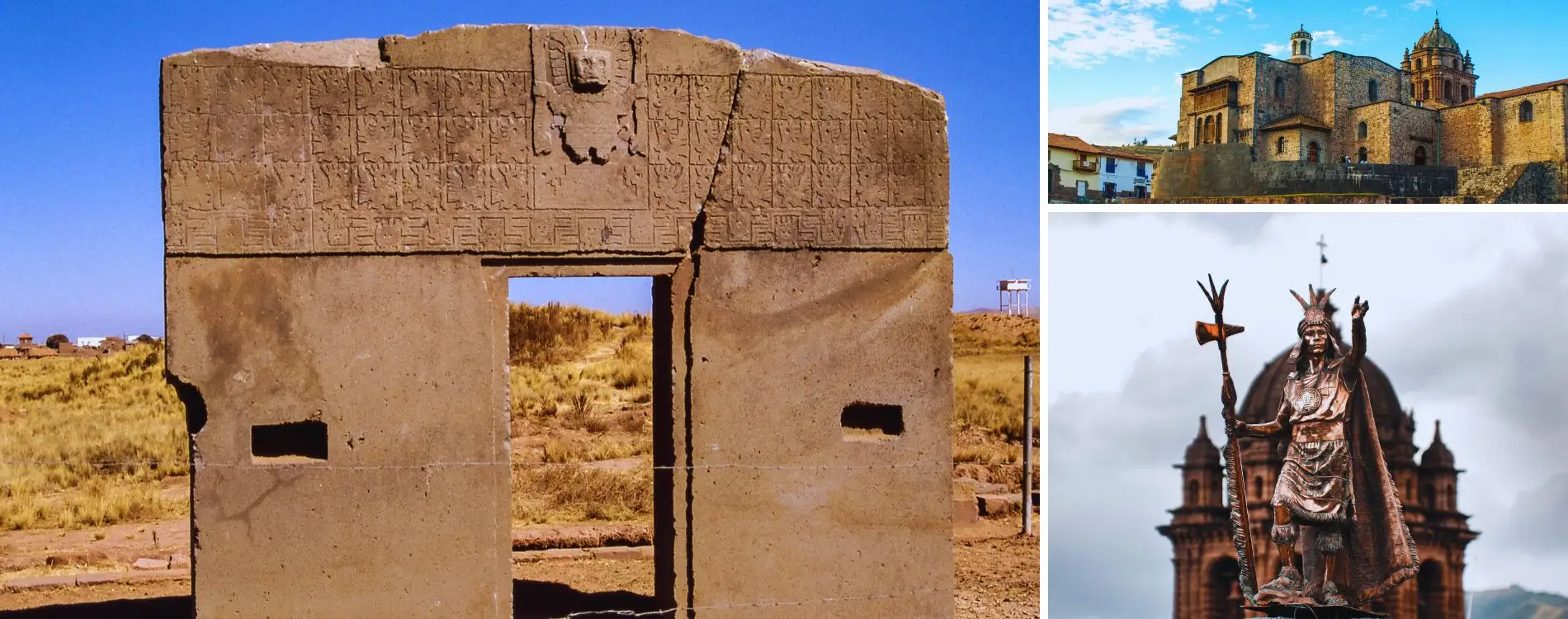
For the Inca worldview and the Andean civilizations that came before it, the condor was not merely a bird but a living deity. It was revered as the sacred messenger between Kay Pacha (the earthly world where humans live) and Hanan Pacha (the celestial realm of the gods). Through its majestic flight into the skies, it was believed to carry people's thoughts, prayers, and souls to the divine.
This profound spiritual significance was reflected in pre-Columbian art, where the condor forms part of the Andean Trilogy alongside the puma and the serpent, representing the three sacred realms of existence:
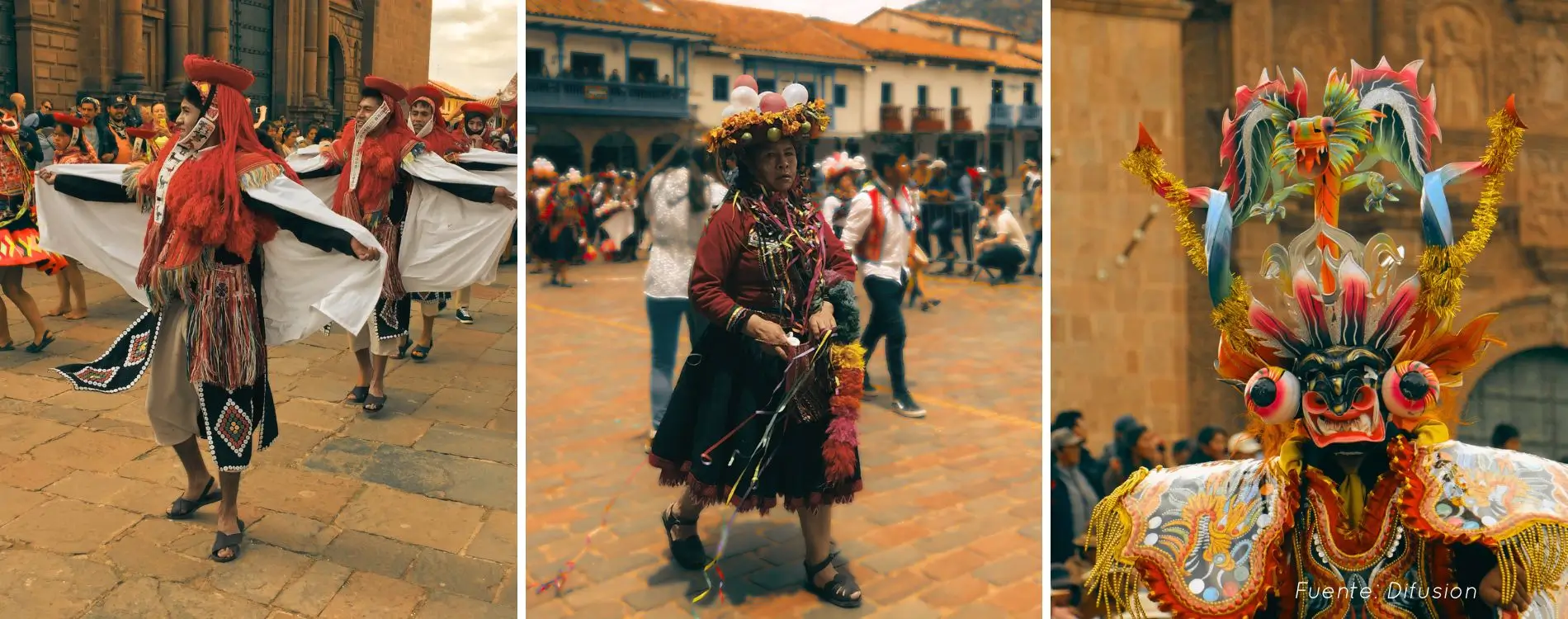
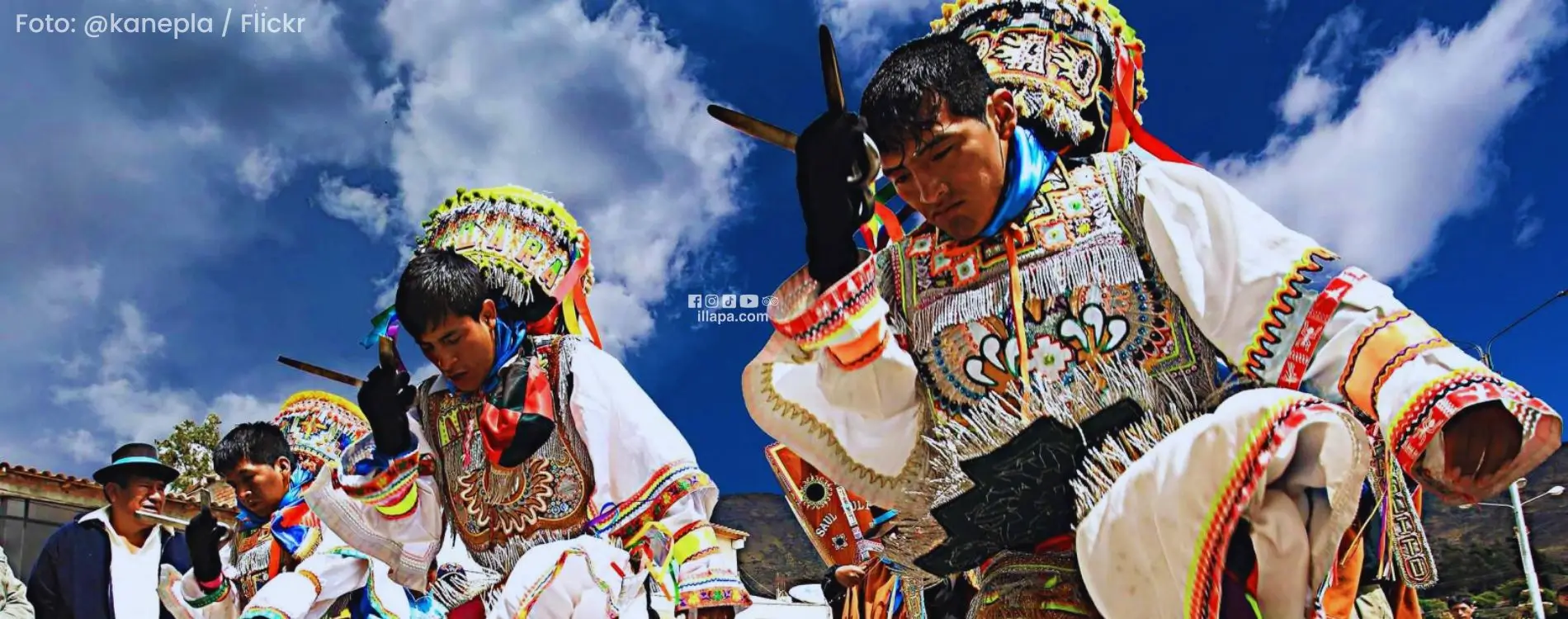
Today, this symbolic legacy extends far beyond ancient history. The Andean condor remains the beating heart of folklore, mysticism, and traditional festivals across the Peruvian Andes, enduring as a timeless symbol of identity, strength, and ancestral connection.
Peru offers several exceptional natural settings where visitors can witness the Andean condor soaring freely:
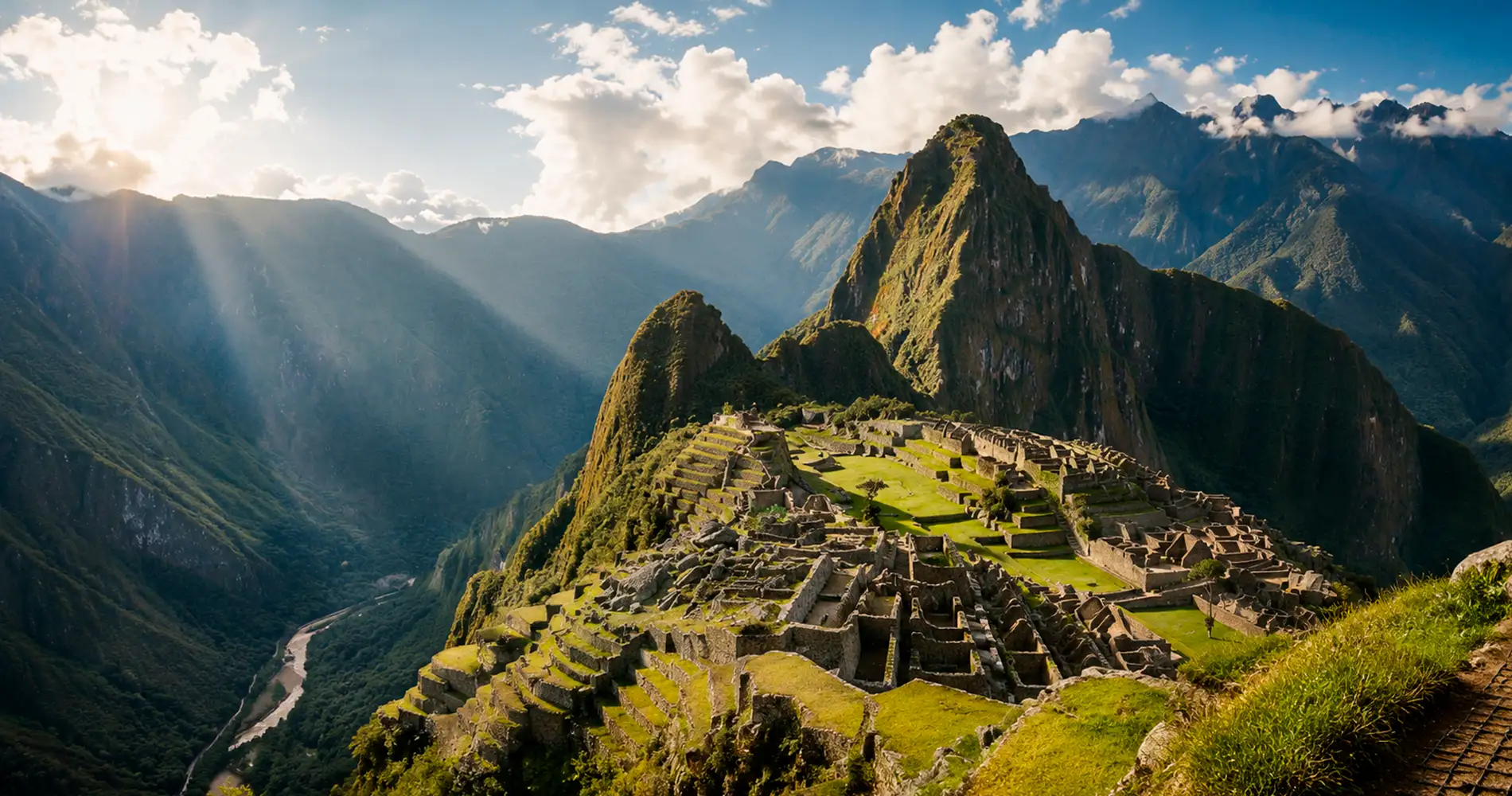
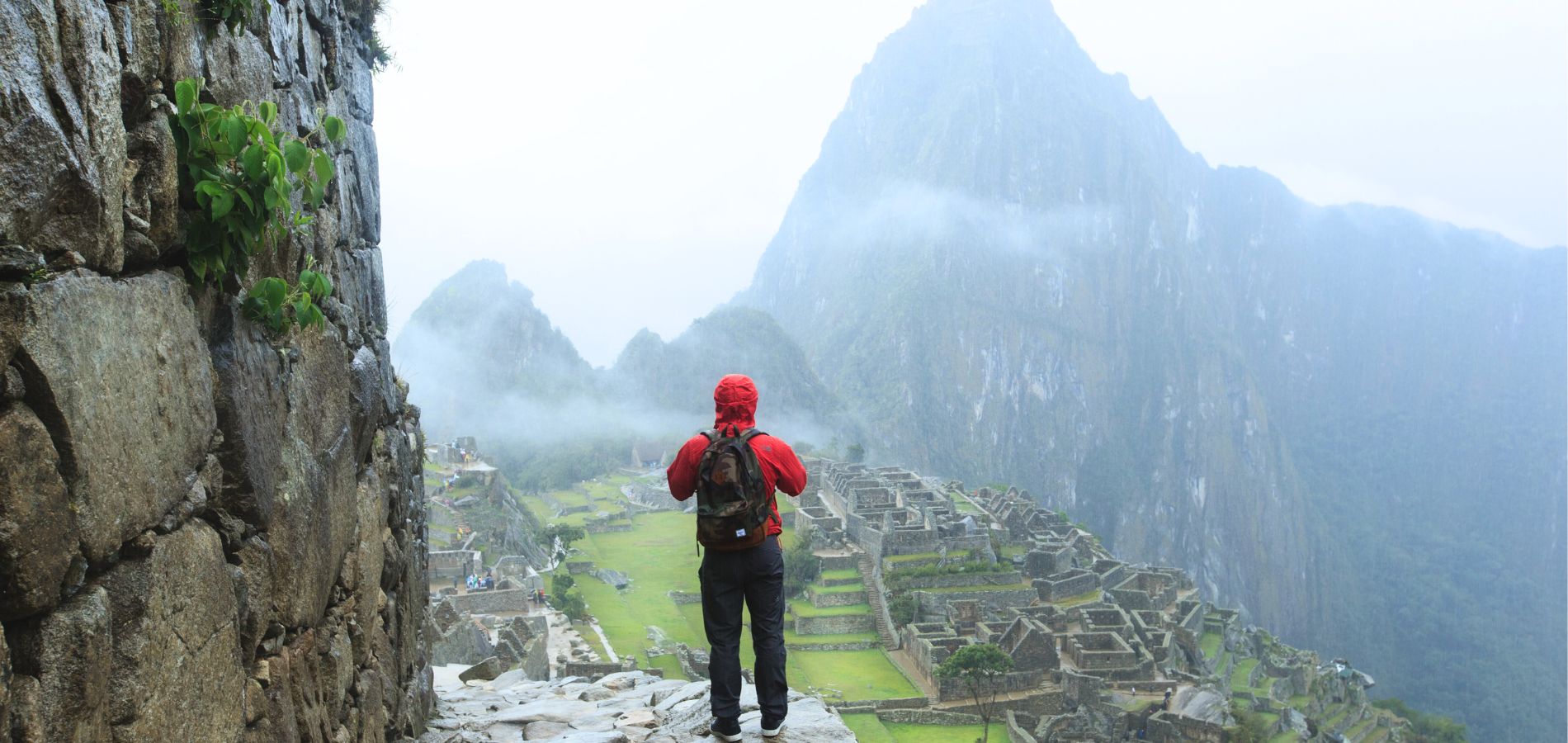
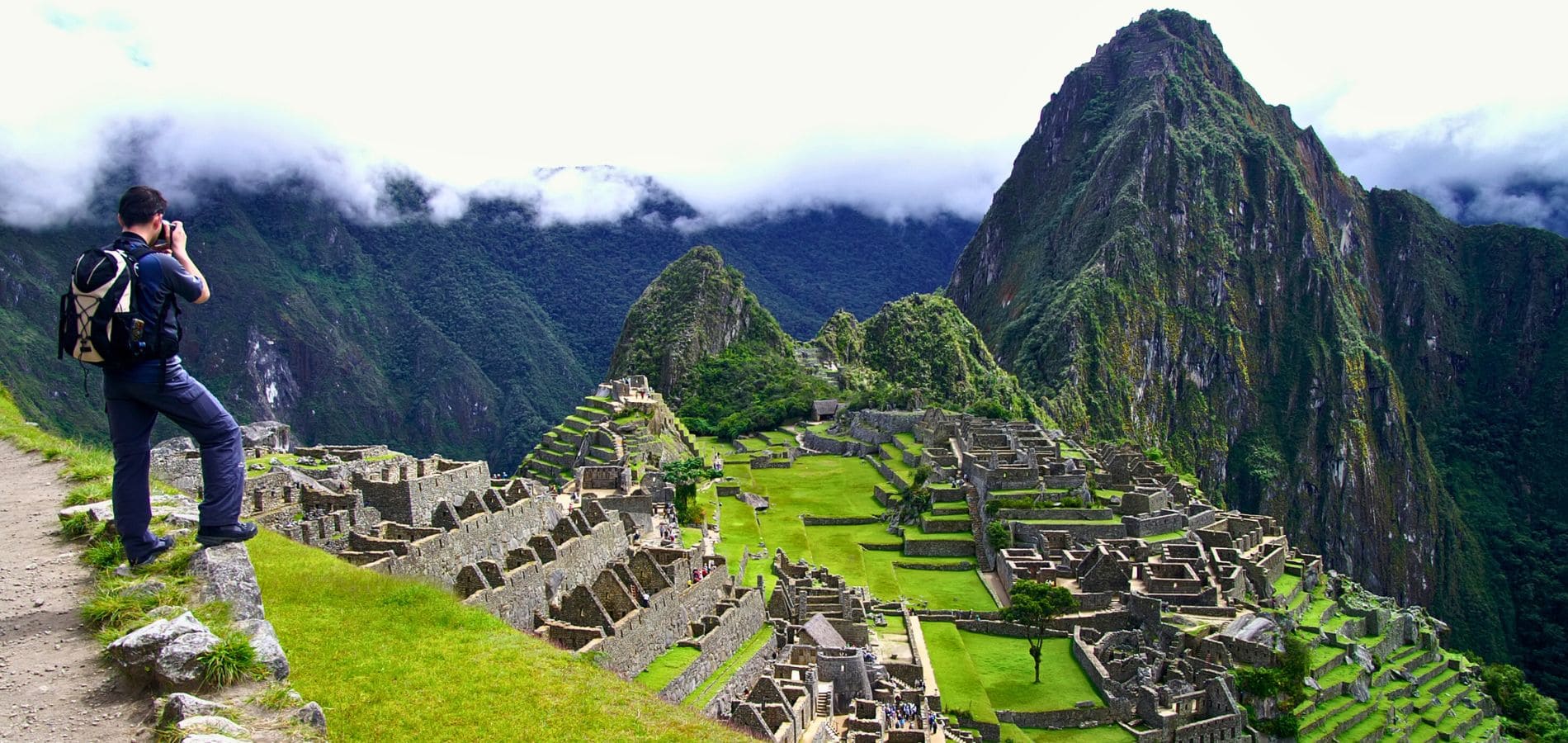
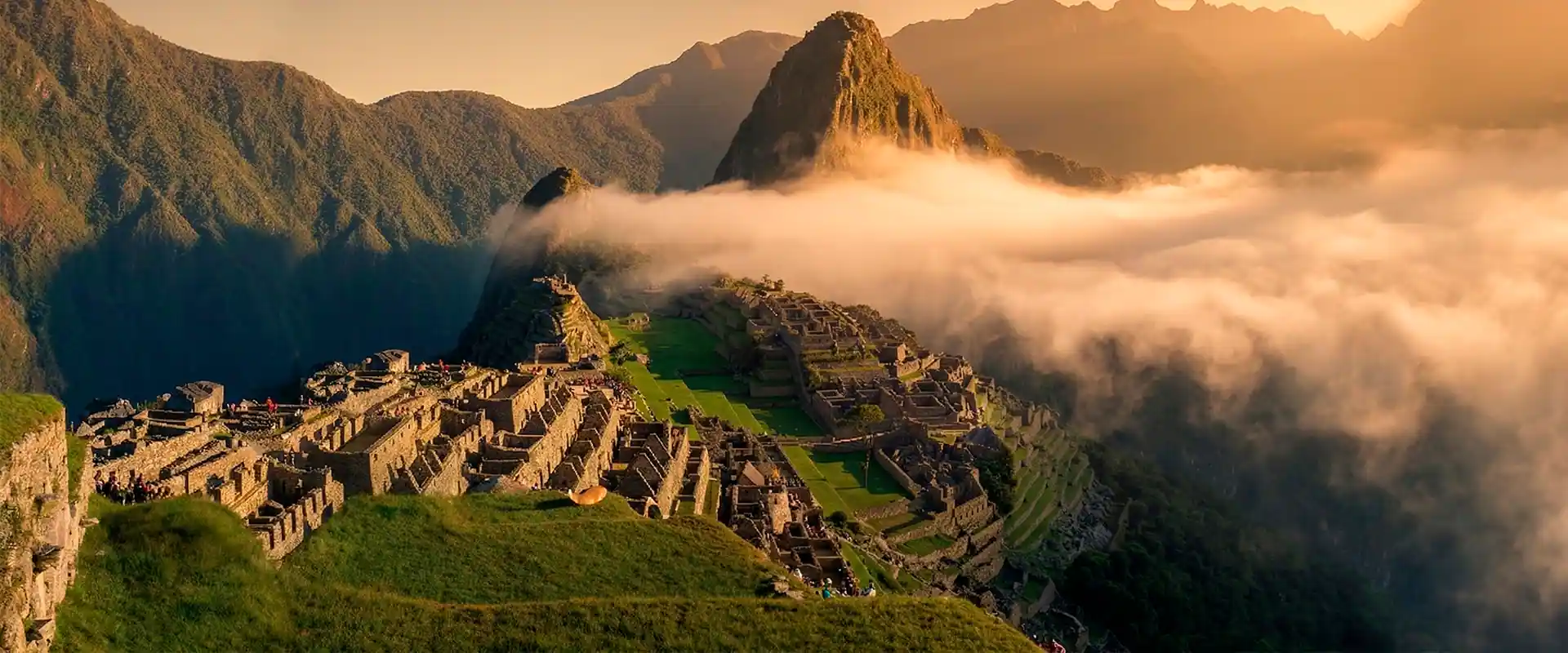
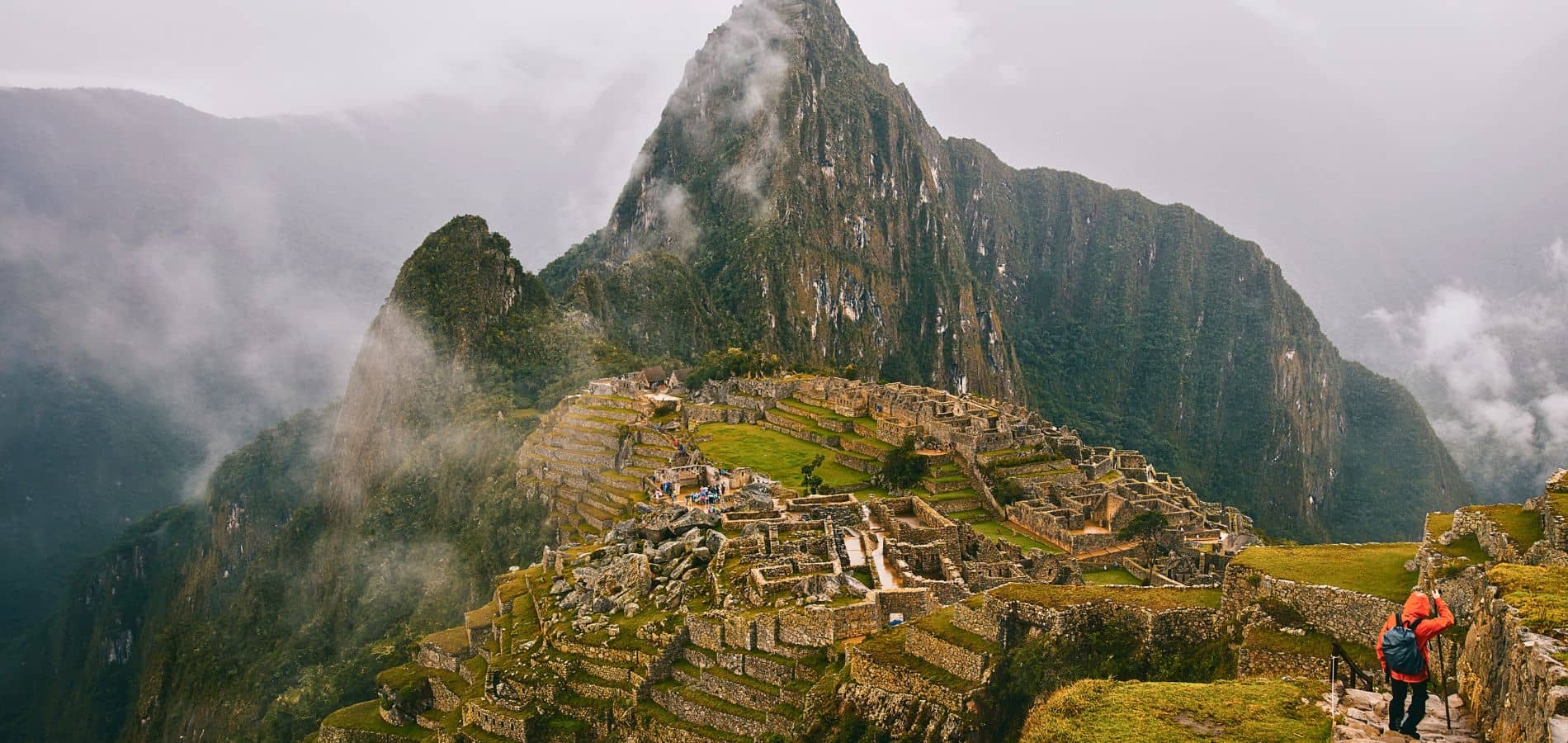
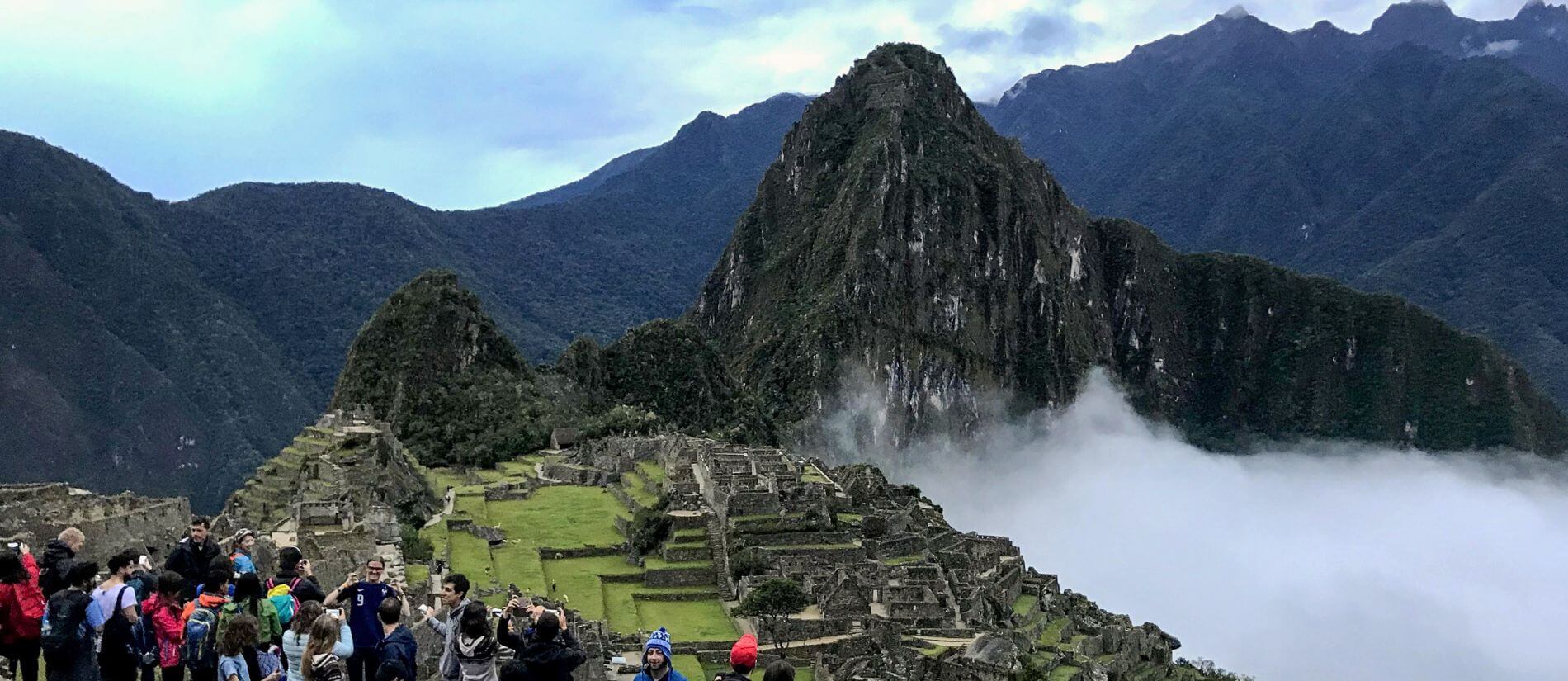
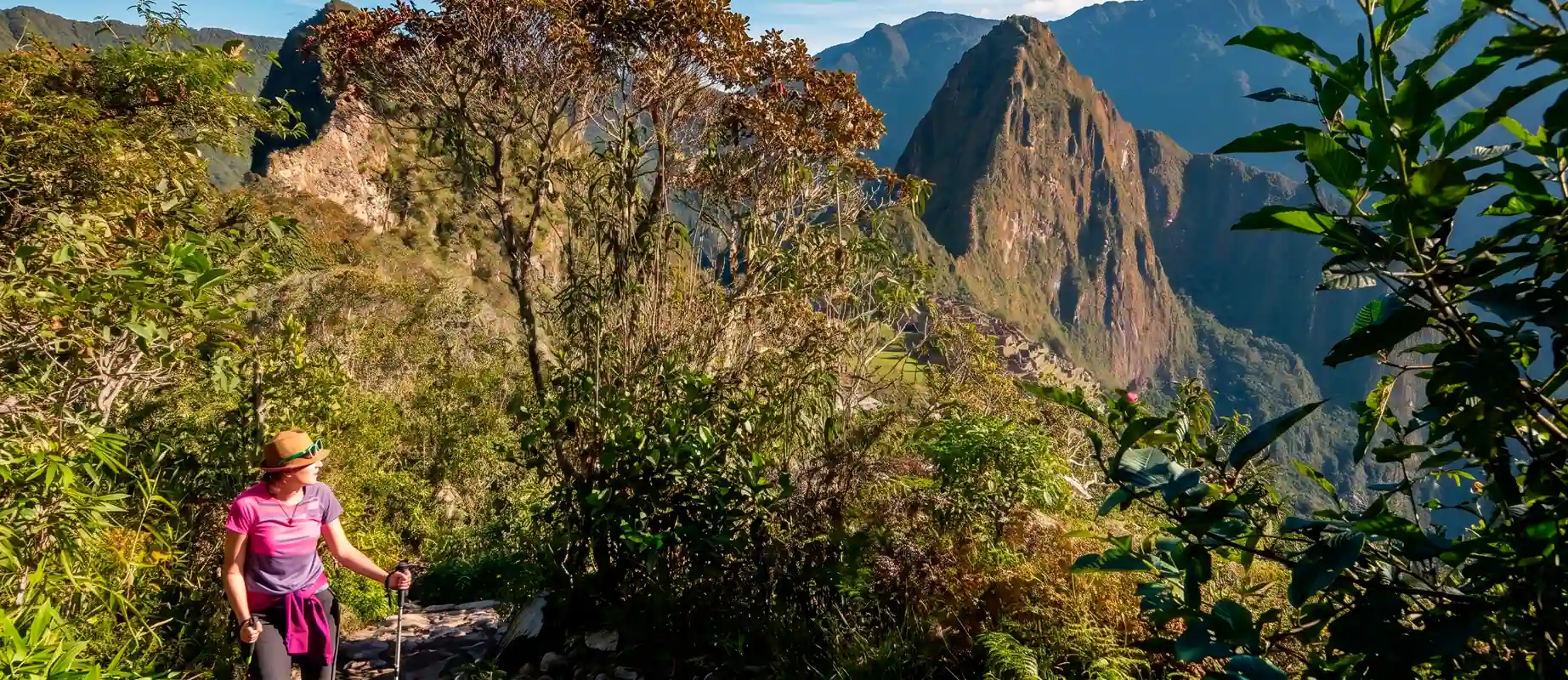
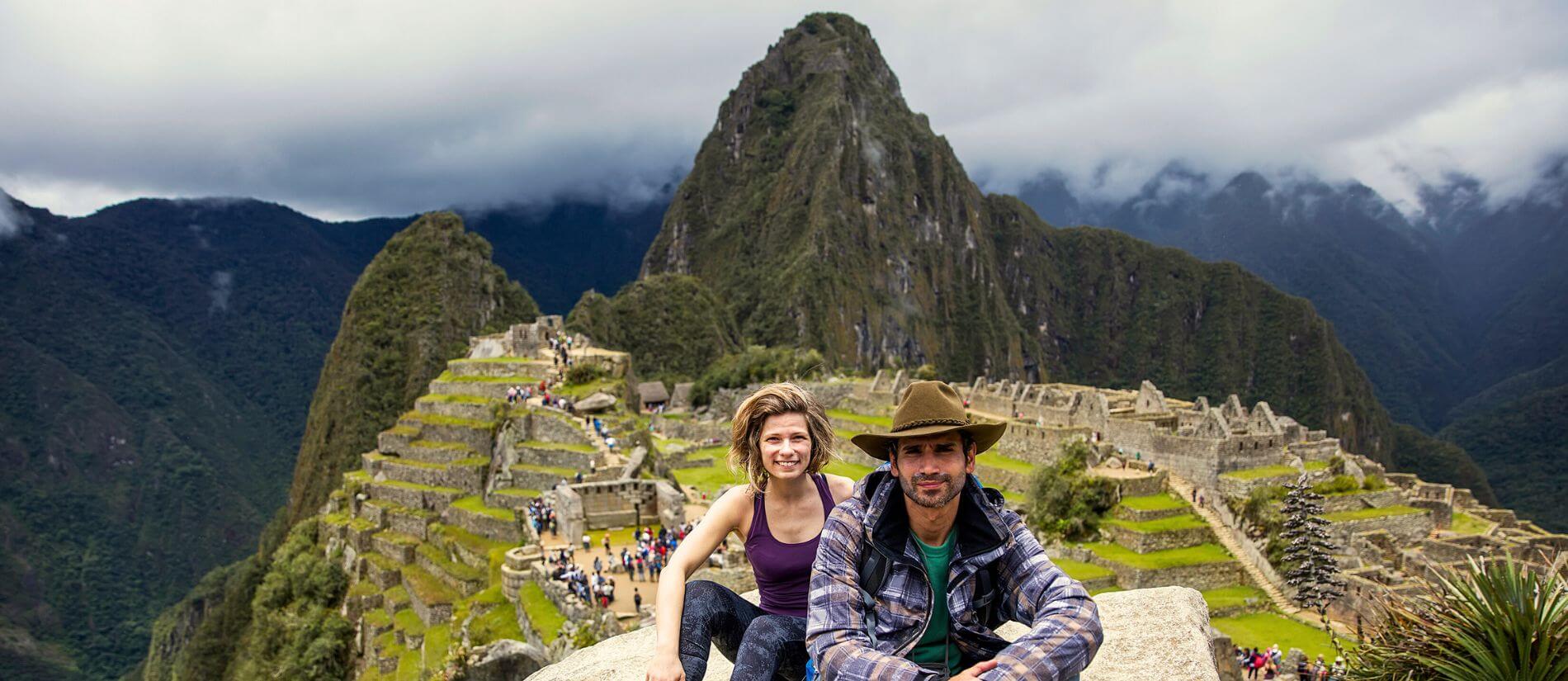
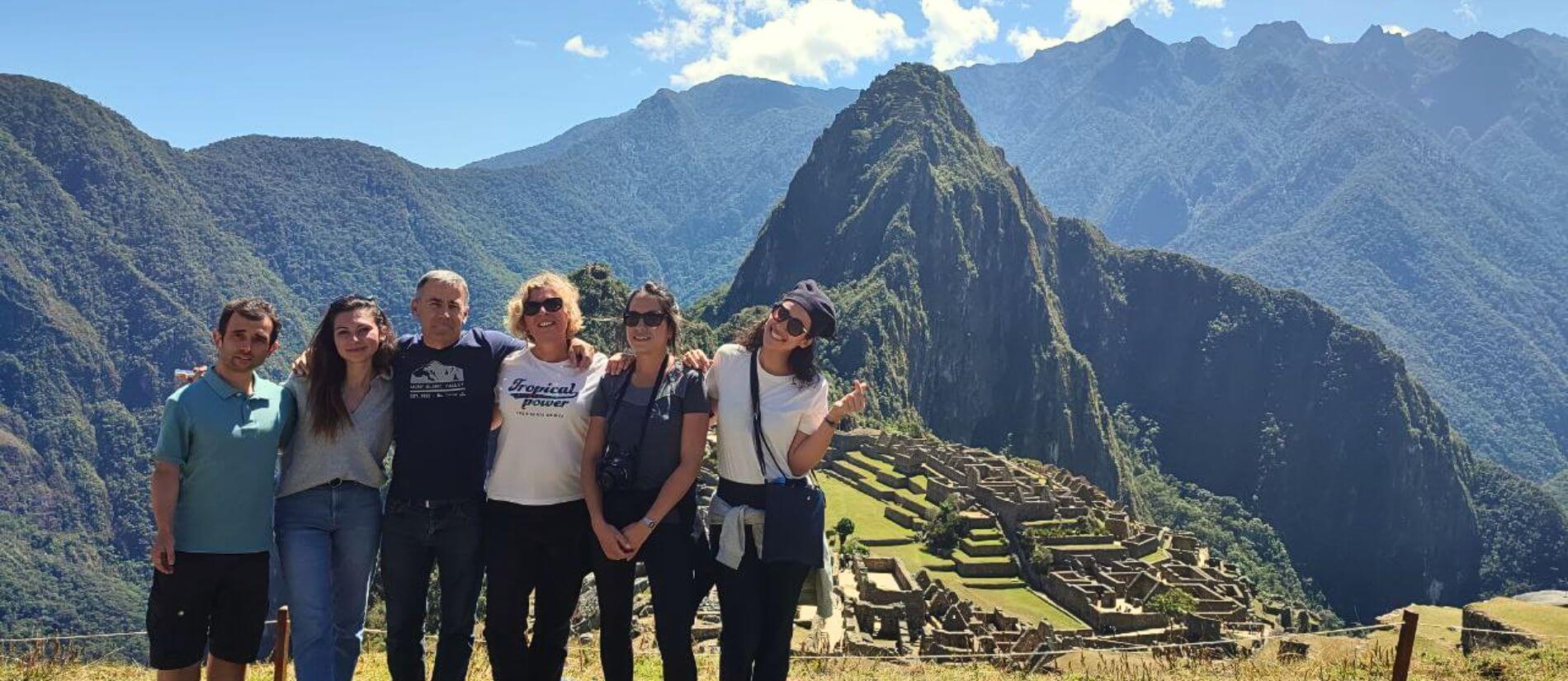
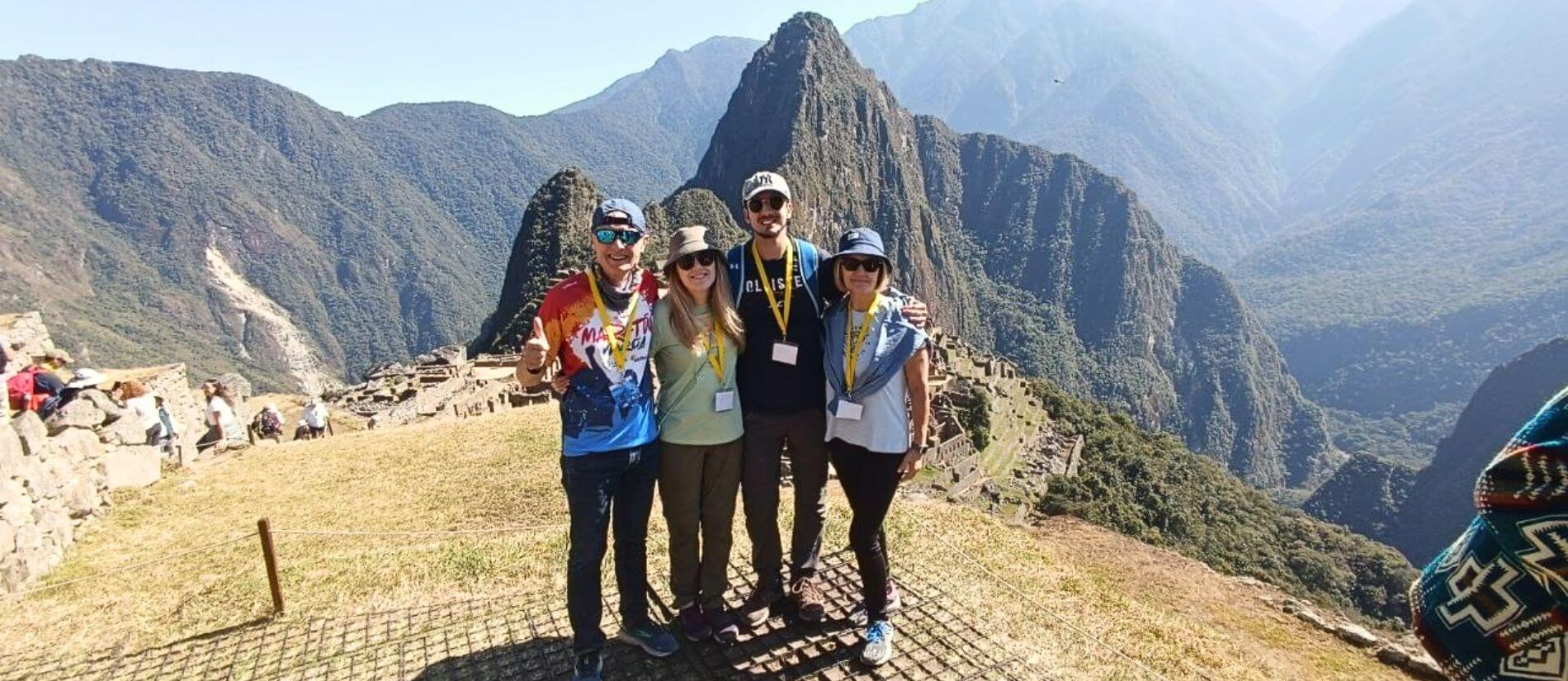
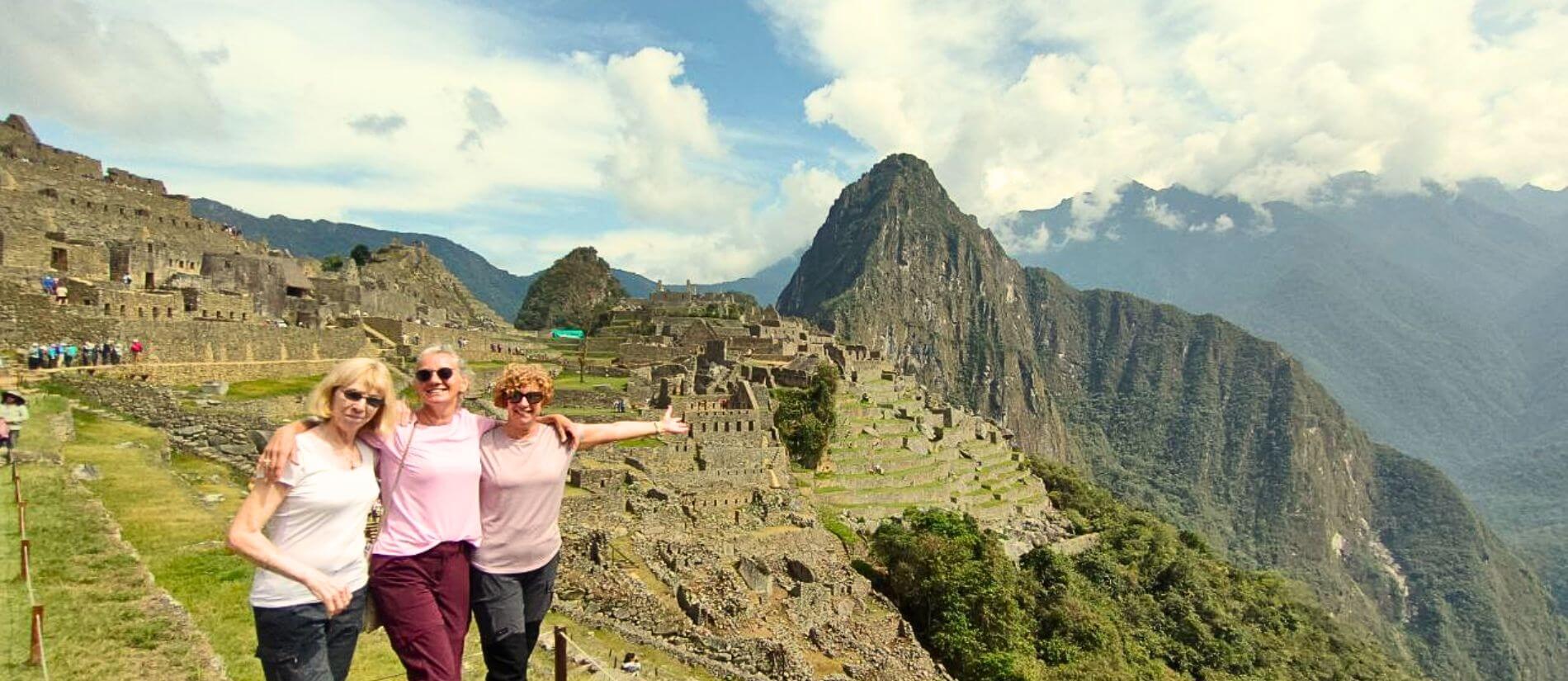
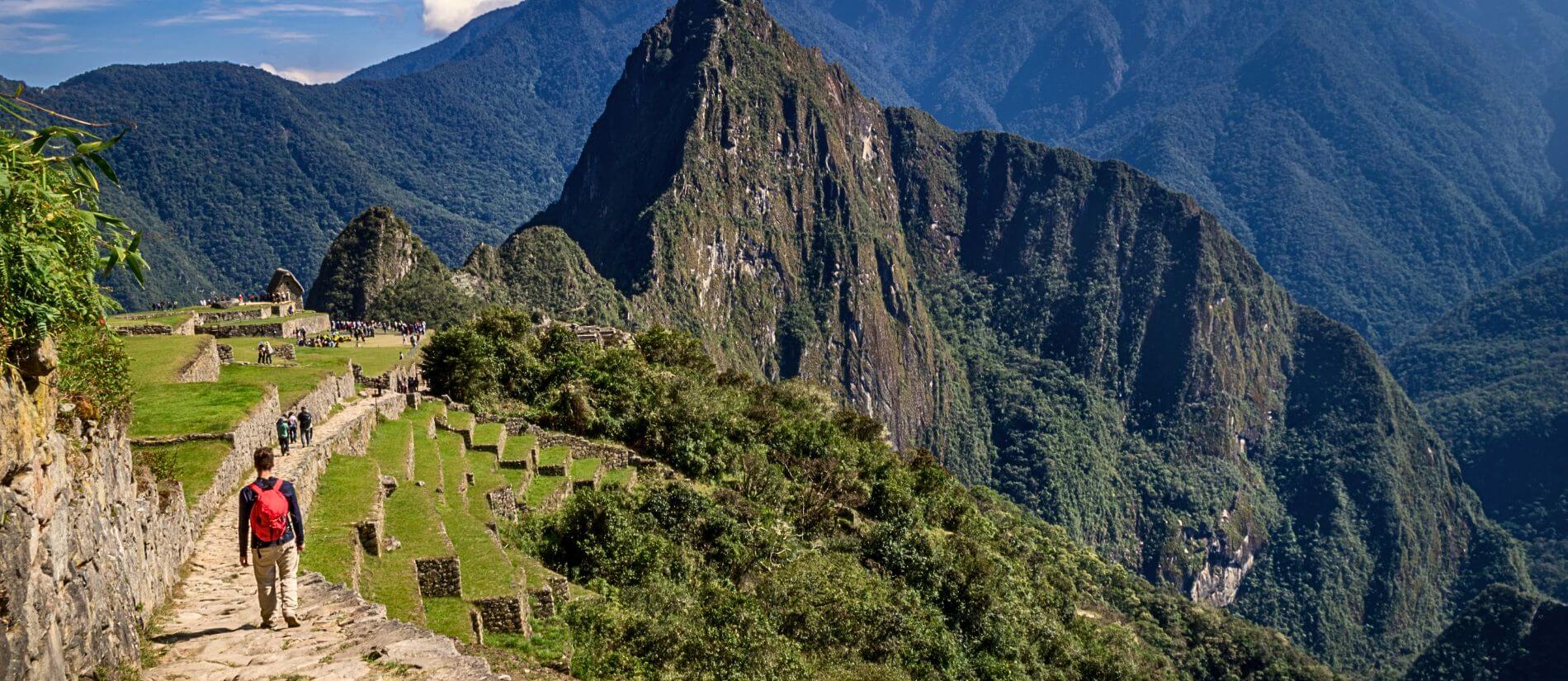
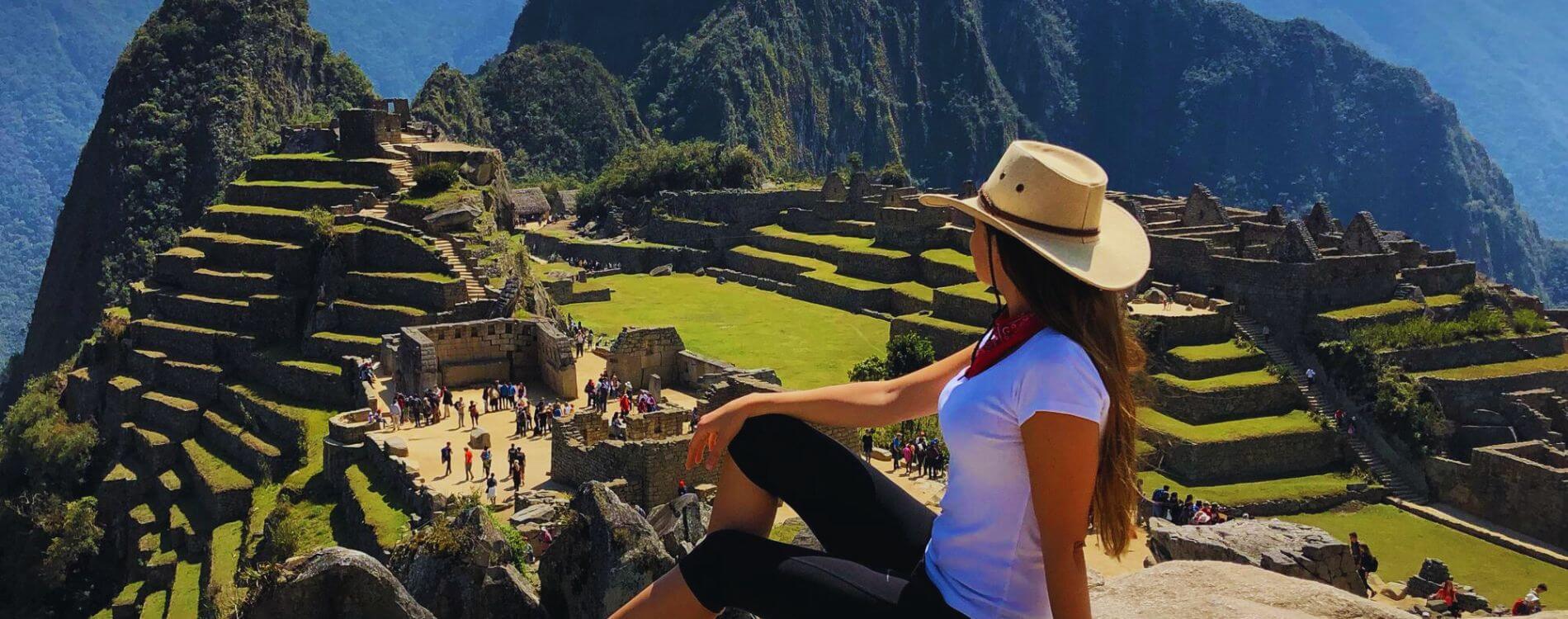
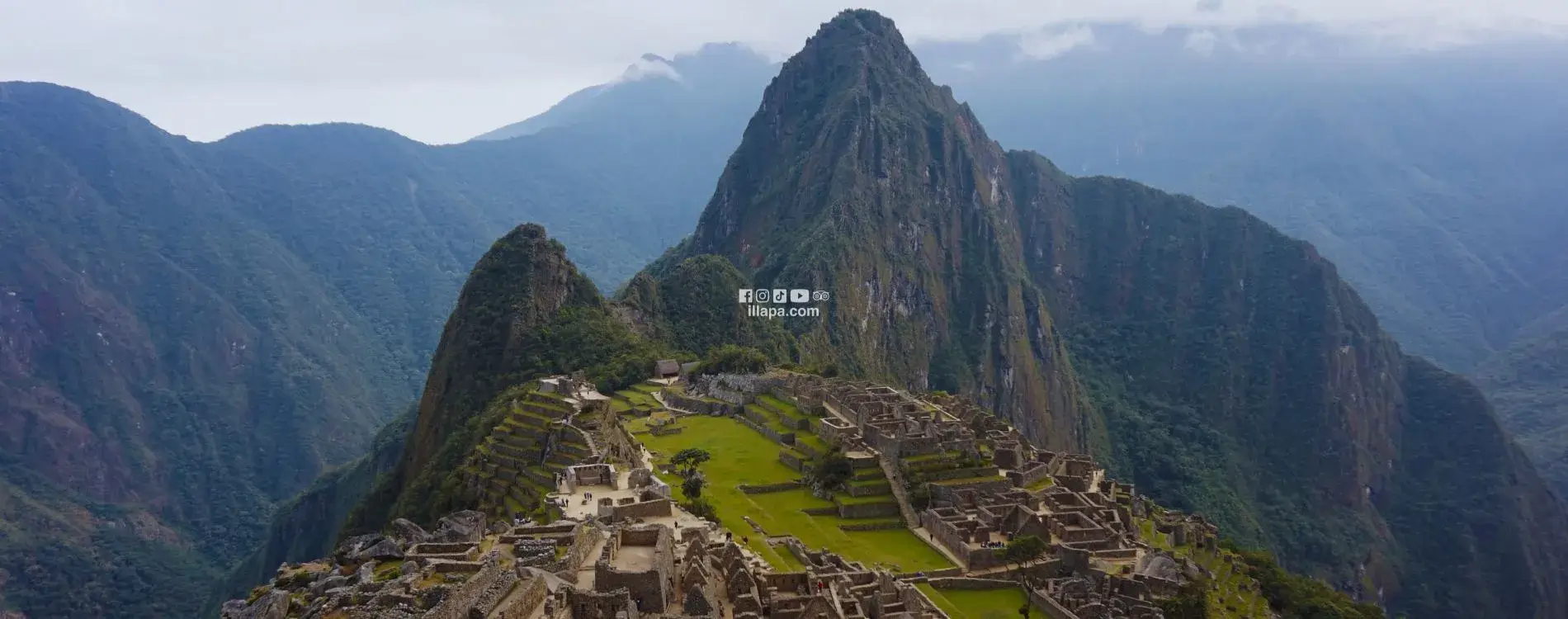
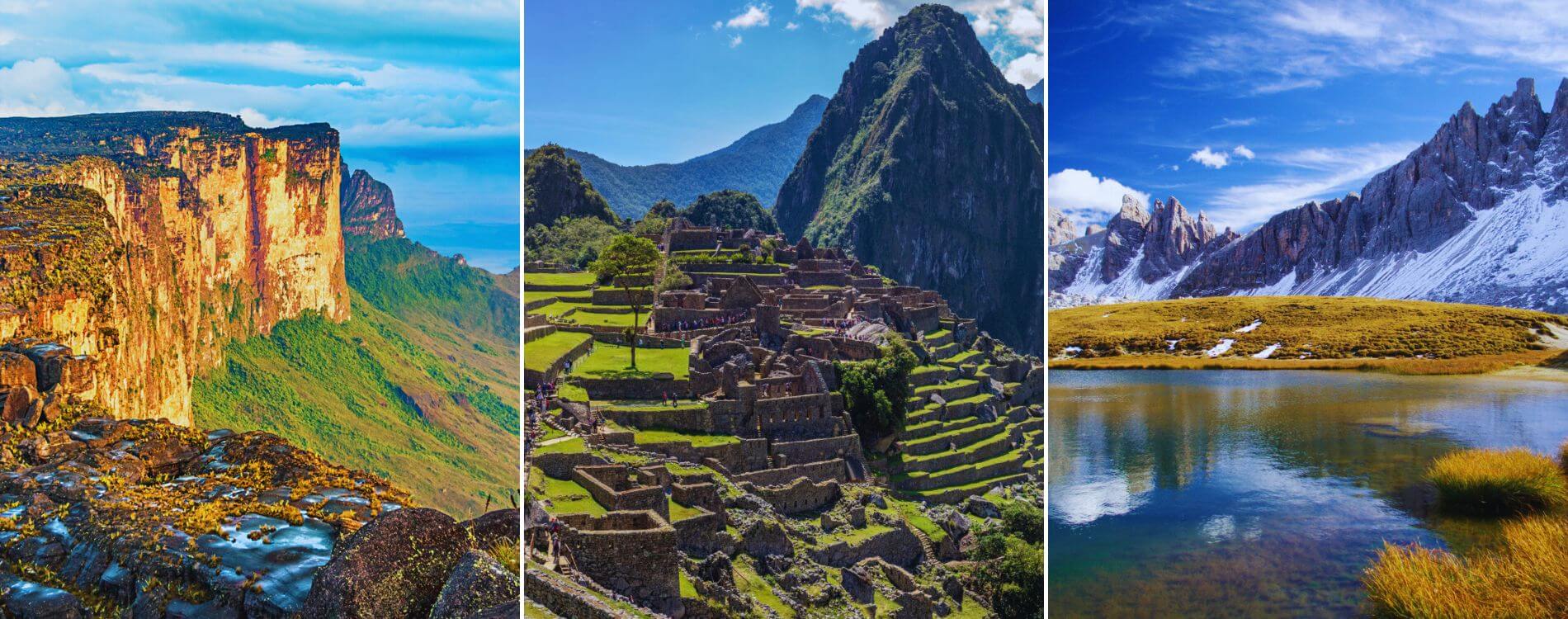
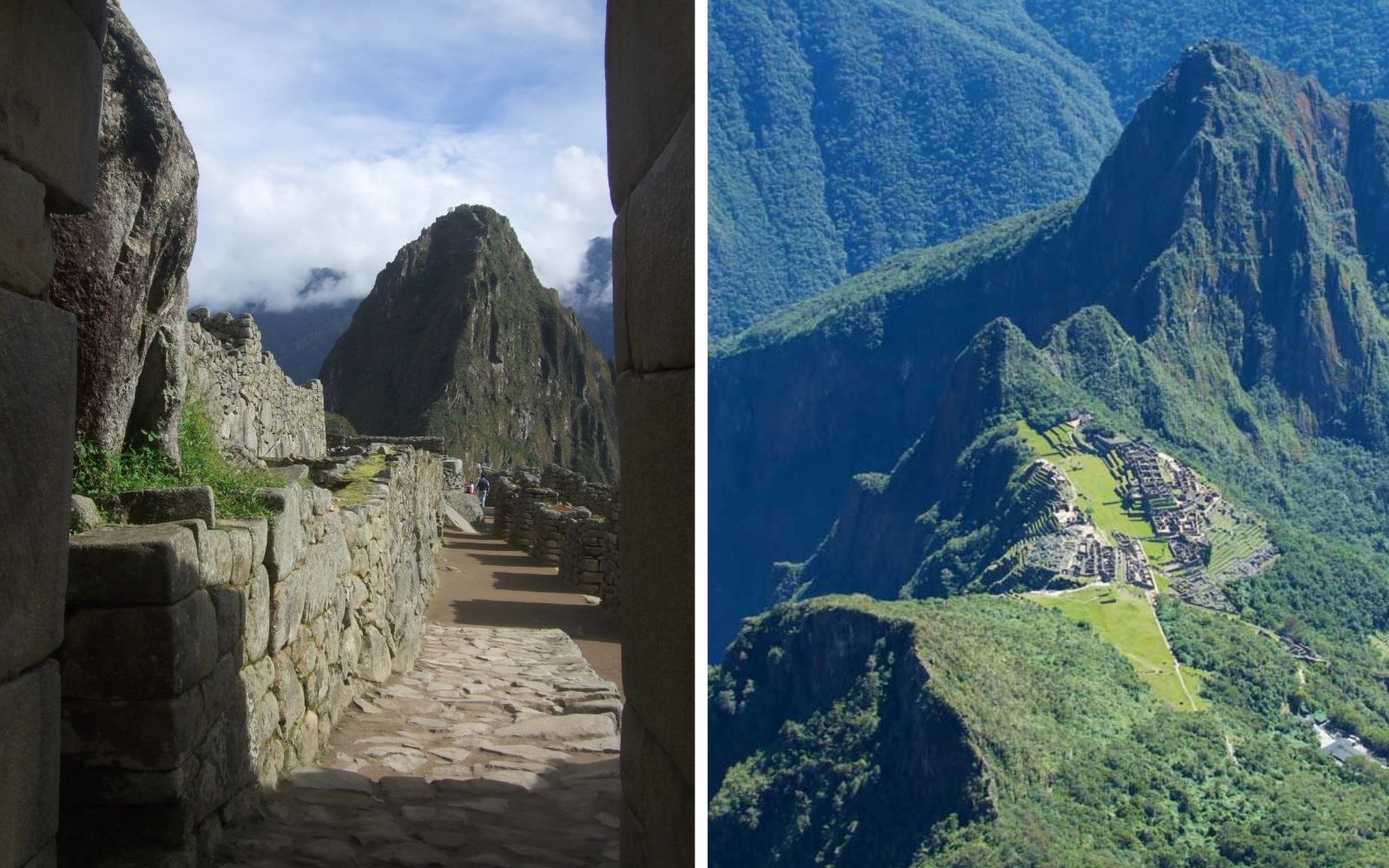
Although the Andean condor does not permanently inhabit the urban sector of Machu Picchu, on special occasions visitors may spot these magnificent birds soaring majestically above the peaks of Huayna Picchu and the mountain ranges surrounding the Historic Sanctuary.
In addition, at the heart of the citadel's urban sector lies the famous Temple of the Condor. Here, Inca stonemasons skillfully used the natural shape of a massive rock to carve the bird's head and neck into the ground, while the large natural rock formations on either side resemble its wings spread in full flight. This remarkable fusion of architecture and nature highlights the immense sacred significance the condor held in the worship practices and daily life of Machu Picchu.
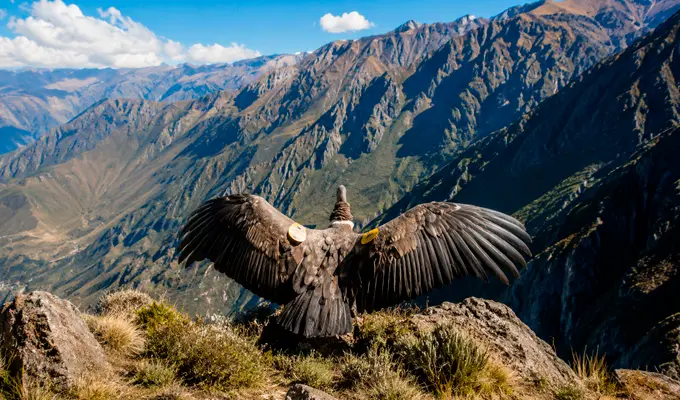
Despite its majesty and historical importance, the Andean condor is currently classified as a Near Threatened species globally and Endangered in several countries across the region due to significant human-related pressures:
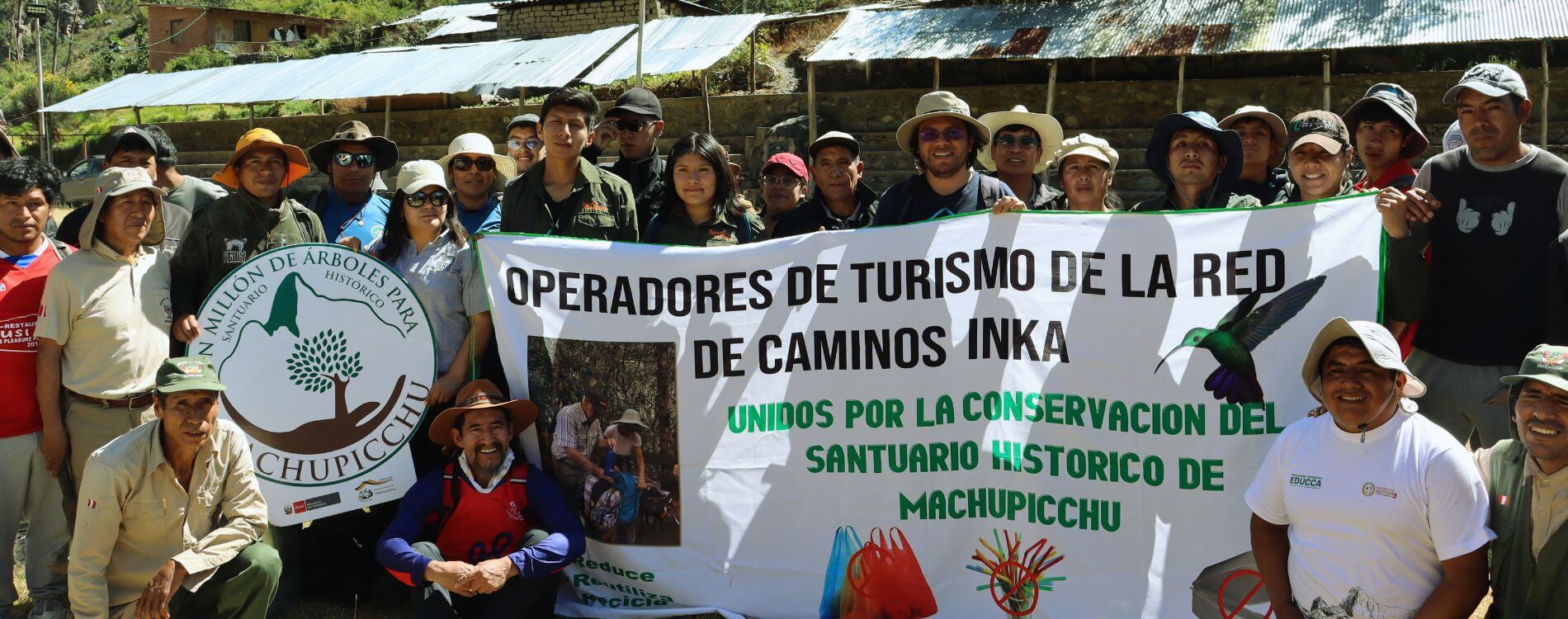
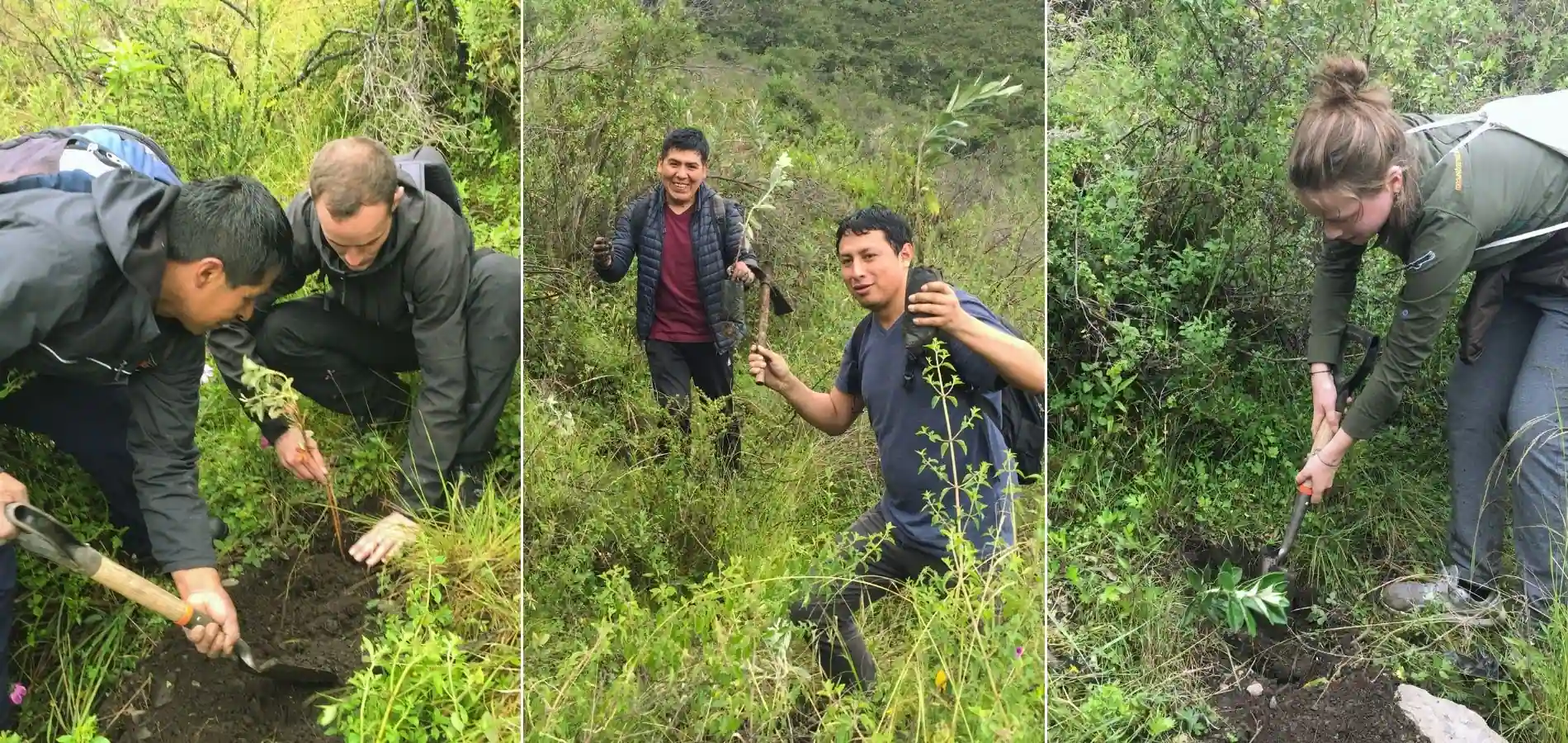
In response, various NGOs, environmental authorities, and local communities are implementing environmental education projects, satellite tracking initiatives, and community-based conservation programs to help ensure the survival of the king of the Andean skies.
Watching the Andean condor has become one of the most captivating and sought-after wildlife experiences for travelers exploring Peru. Witnessing this legendary bird silently soaring above spectacular landscapes such as Colca Canyon, the rugged cliffs of the Apurímac Canyon, or the peaks of the Sacred Valley offers a unique perspective on the country's extraordinary natural heritage and the profound role the condor played in the worldview of the ancient Andes.
Likewise, practicing responsible and sustainable tourism plays a vital role in protecting the species. By visiting these destinations through authorized tour operators and supporting local community initiatives, travelers contribute directly to preserving the condor's natural habitats and promoting the long-term conservation of one of the Andes' greatest living treasures.