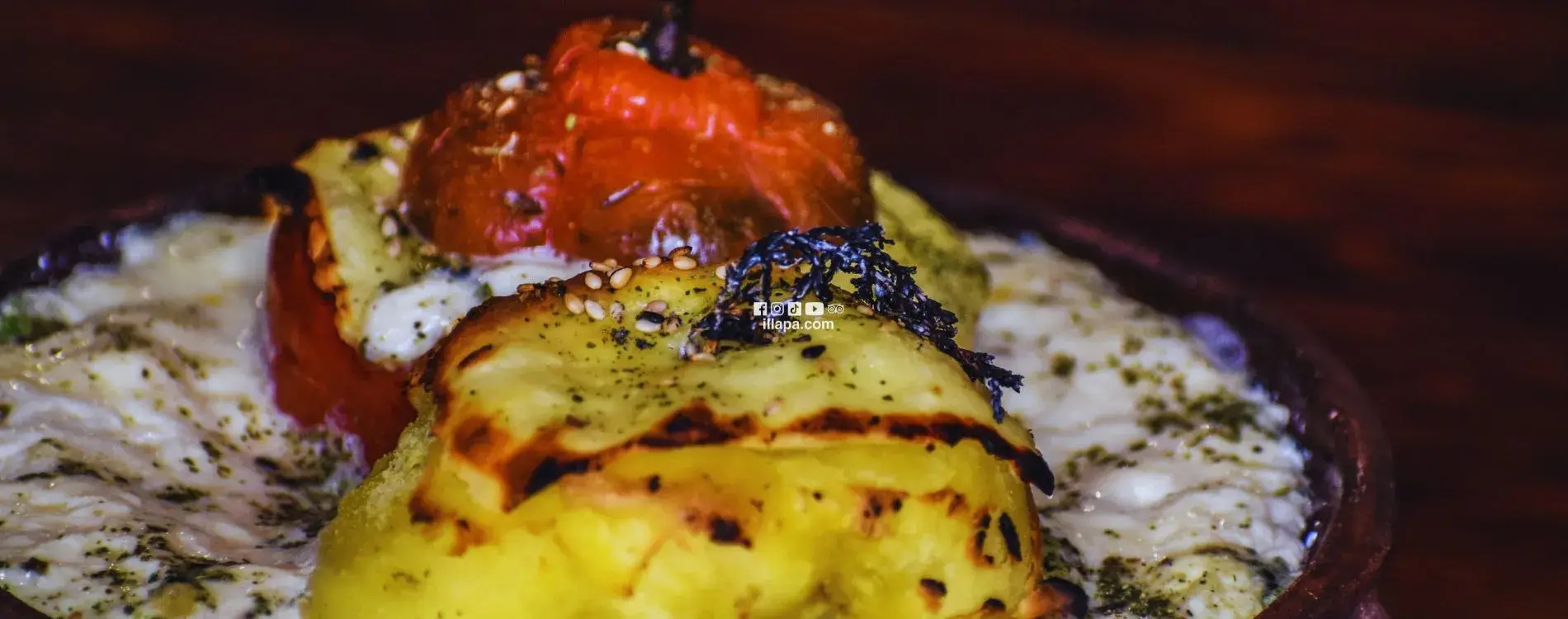
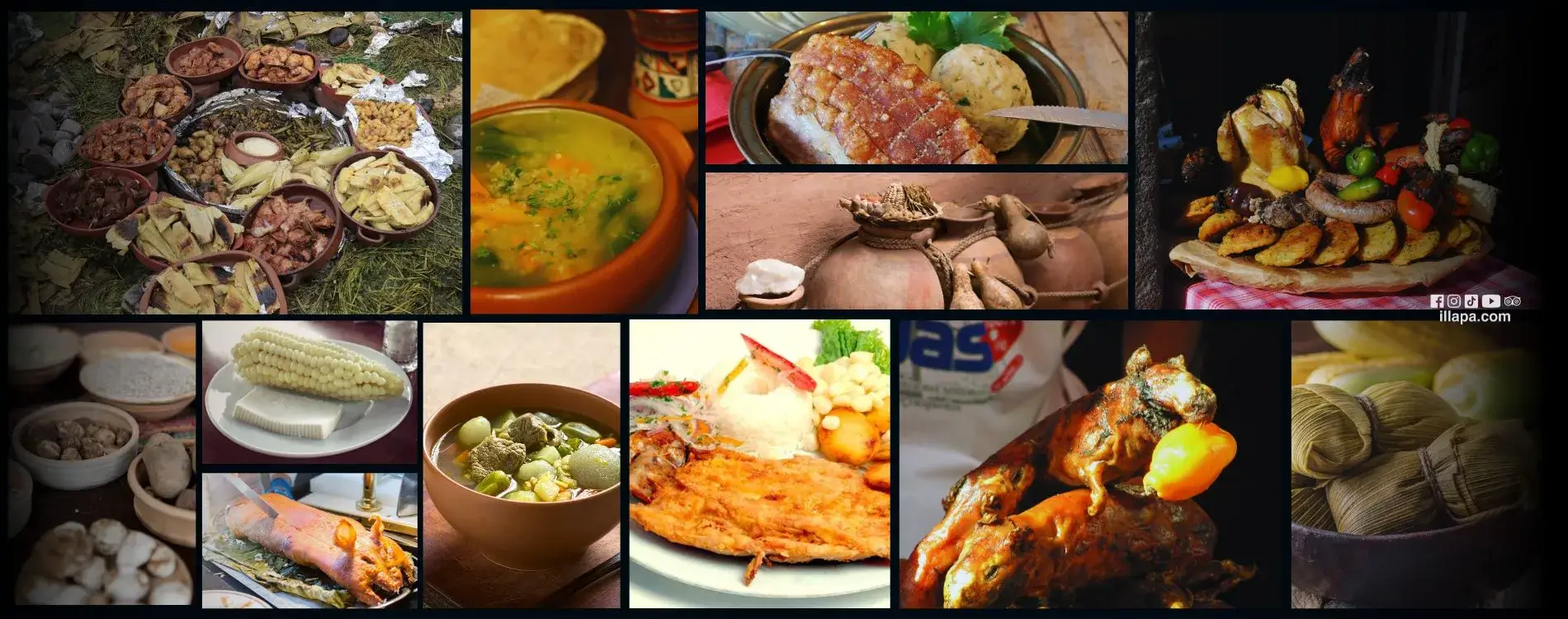
The pachamanca is more than just food it is a direct embrace of the earth and its history. In the Andean world, it represents one of the oldest and most meaningful traditions, where cooking becomes both a community celebration and an act of deep respect for Pachamama (Mother Earth).
Preparing it takes time and follows its own ritual. There are no ovens or modern kitchens; the secret lies in heating stones over an open fire and burying the ingredients in the ground, where they slowly cook with the steam and aromas of the countryside.
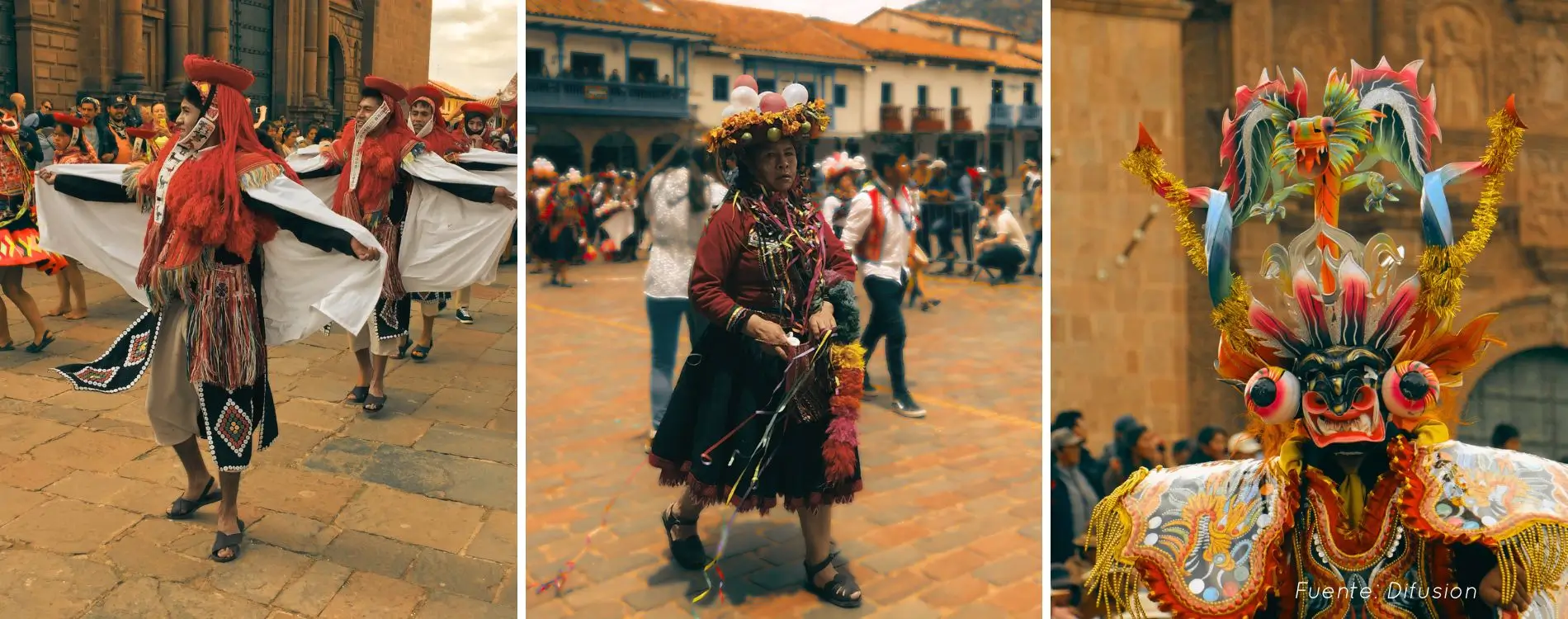
Pachamanca is usually reserved for special occasions such as family gatherings, harvest celebrations, and traditional festivals. Around the earthen oven, people work together, share stories, and celebrate. In the end, uncovering the pachamanca and enjoying its smoky, rich flavors is a beautiful way of thanking Mother Earth for everything she provides.
| Fact | Information |
| Origin | Wari culture, later adopted by the Incas |
| Meaning | "Earth oven" or "earth pot" |
| Cooking method | Hot stones buried underground |
| Main ingredients | Meat, potatoes, sweet potatoes, corn, and broad beans |
| Cultural Heritage | Since 2003 |
| National Day | First Sunday of February |
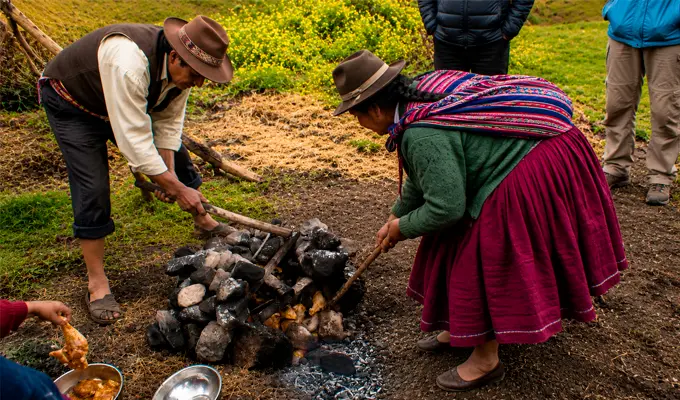
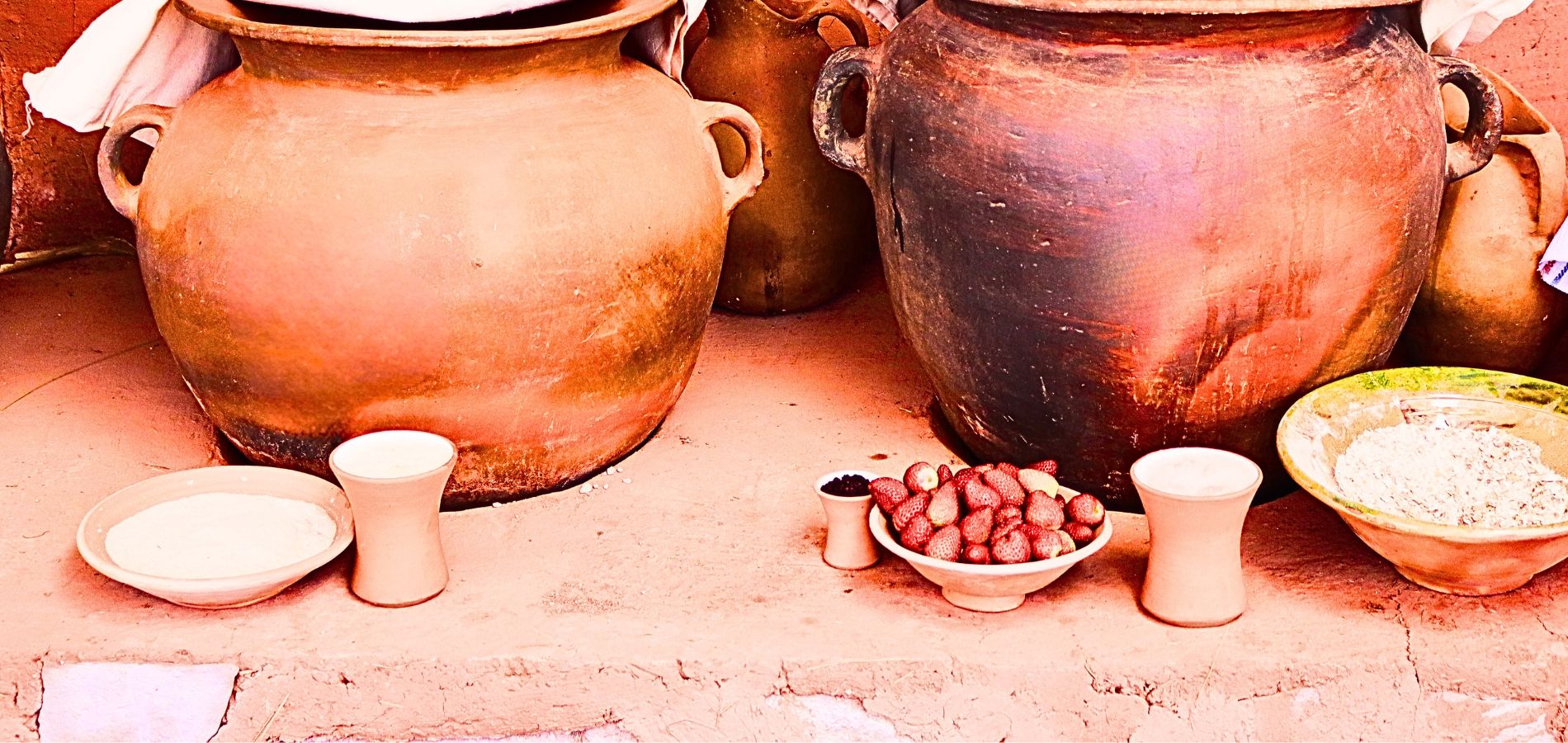
Pachamanca is, quite literally, the flavor of the earth. Its name says it all: in Quechua, pacha means earth, and manka means pot. In other words, it is an authentic "earth oven" where food is cooked in harmony with nature.
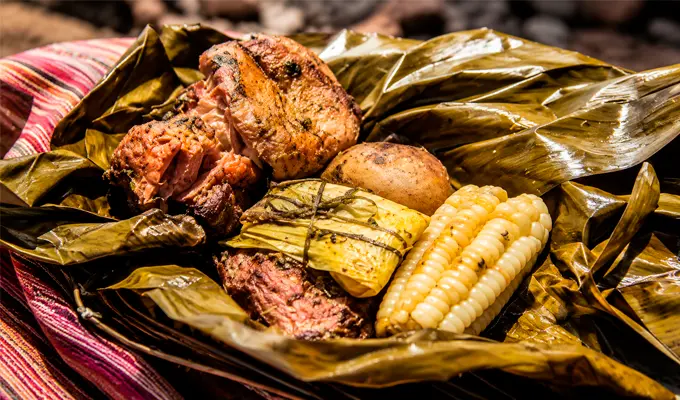
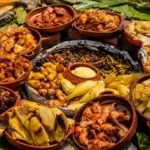
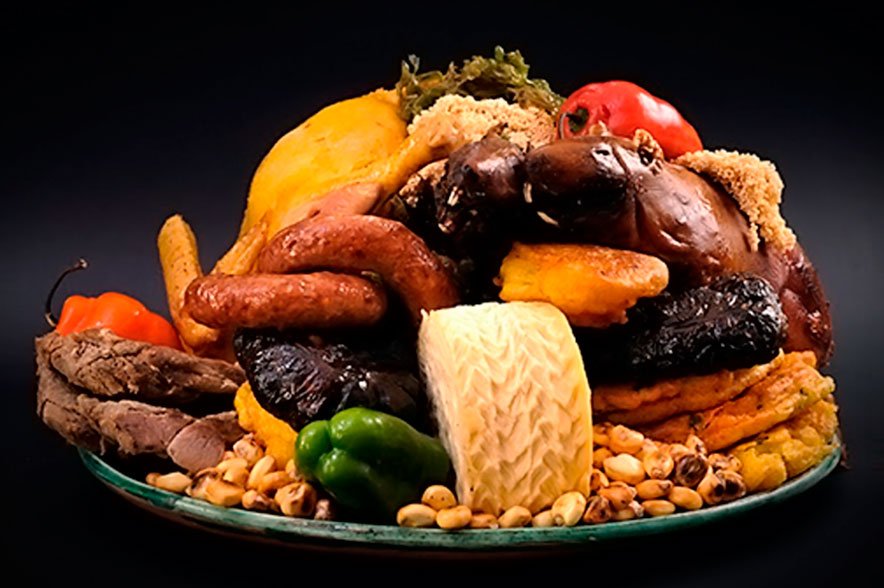
The process is almost magical. Layers of meat, potatoes, sweet potatoes, broad beans, and corn are carefully arranged over glowing hot stones, all seasoned with aromatic herbs such as huacatay and chincho. The entire preparation is then covered with earth, trapping the heat so the steam can slowly cook everything to perfection. The result is unmistakable: smoky, tender, and juicy flavors that no conventional oven can replicate.
The origins of pachamanca date back to the ancient Wari civilization, long before the rise of the Incas. They already used the earth and heated stones to prepare food during ceremonies and large communal gatherings. Over time, the Inca Empire adopted this technique, perfected it, and gave it an even deeper meaning: offering thanks to Pachamama for the harvest and the fertility of the land.
Despite the passing centuries and countless changes, this tradition has never disappeared. It has been lovingly passed down from grandparents to parents and children, preserving its sacred connection with the earth. Every time a pachamanca is prepared today, people are not only enjoying an extraordinary meal they are celebrating thousands of years of history and keeping one of Peru's most treasured living traditions alive.
Preparing a pachamanca is an art in which every step matters:
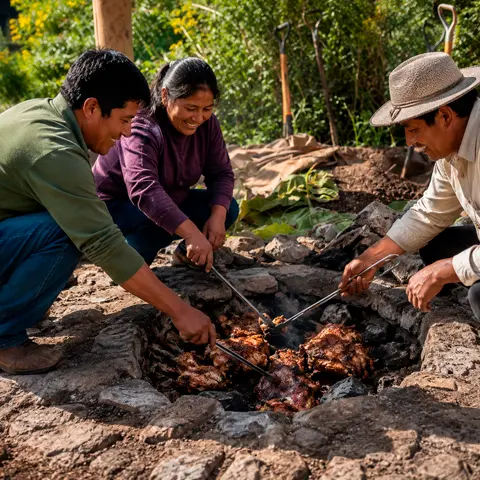
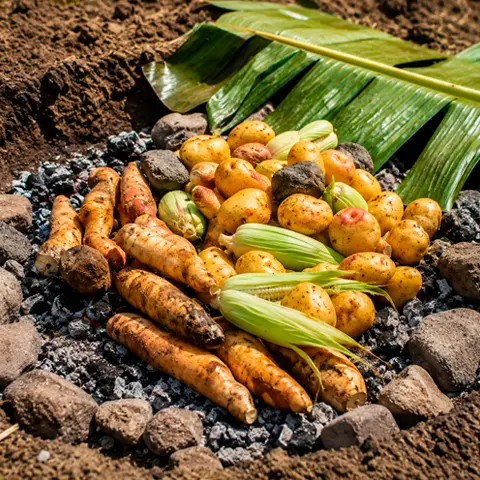
Although the ingredients vary depending on the region and seasonal harvests, a traditional pachamanca typically brings together the finest products of the Andes:
The magic happens underground, where all these ingredients blend together, creating a feast rich in flavor, aroma, and centuries of tradition.
Every corner of the Andes adds its own unique touch and spirit to pachamanca:
In the end, regardless of the region, every version tells its own story and celebrates the richness of its land.
Beyond being a feast, pachamanca is a beautiful reason to gather and share. It is not a dish that someone prepares alone in a kitchen; it requires willing hands, teamwork, and a desire to celebrate together. From collecting the stones and firewood to peeling potatoes and marinating the meat, every step becomes an opportunity to talk, laugh, and strengthen the bonds between family, friends, and neighbors.
It also preserves the profound spiritual essence of the Andes. Before sealing the underground oven, it is common to pause for the traditional payment or offering to Pachamama. The first coca leaves, a sip of chicha, or fresh flowers are offered to Mother Earth in gratitude for the food she provides and to ask for blessings for the community.
In every pachamanca, collective effort and respect for nature come together, reminding us of the importance of gratitude, unity, and community.
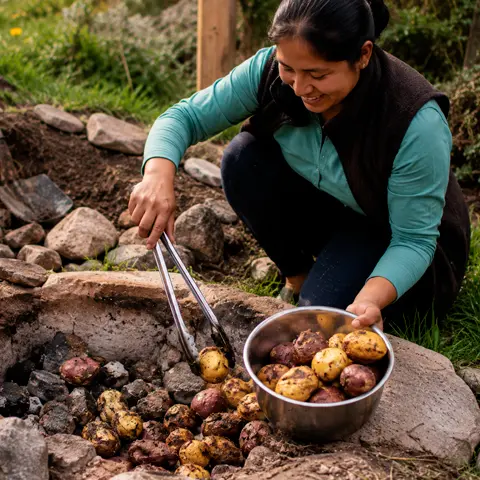
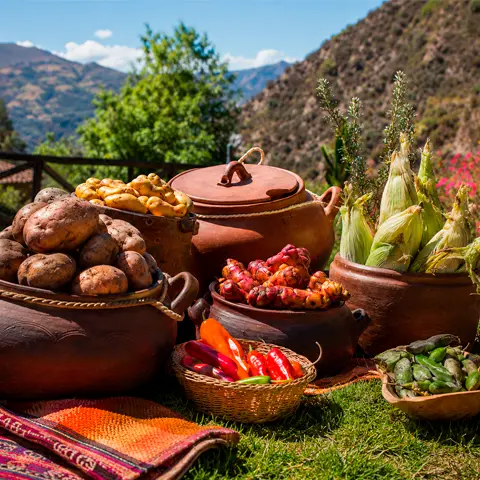
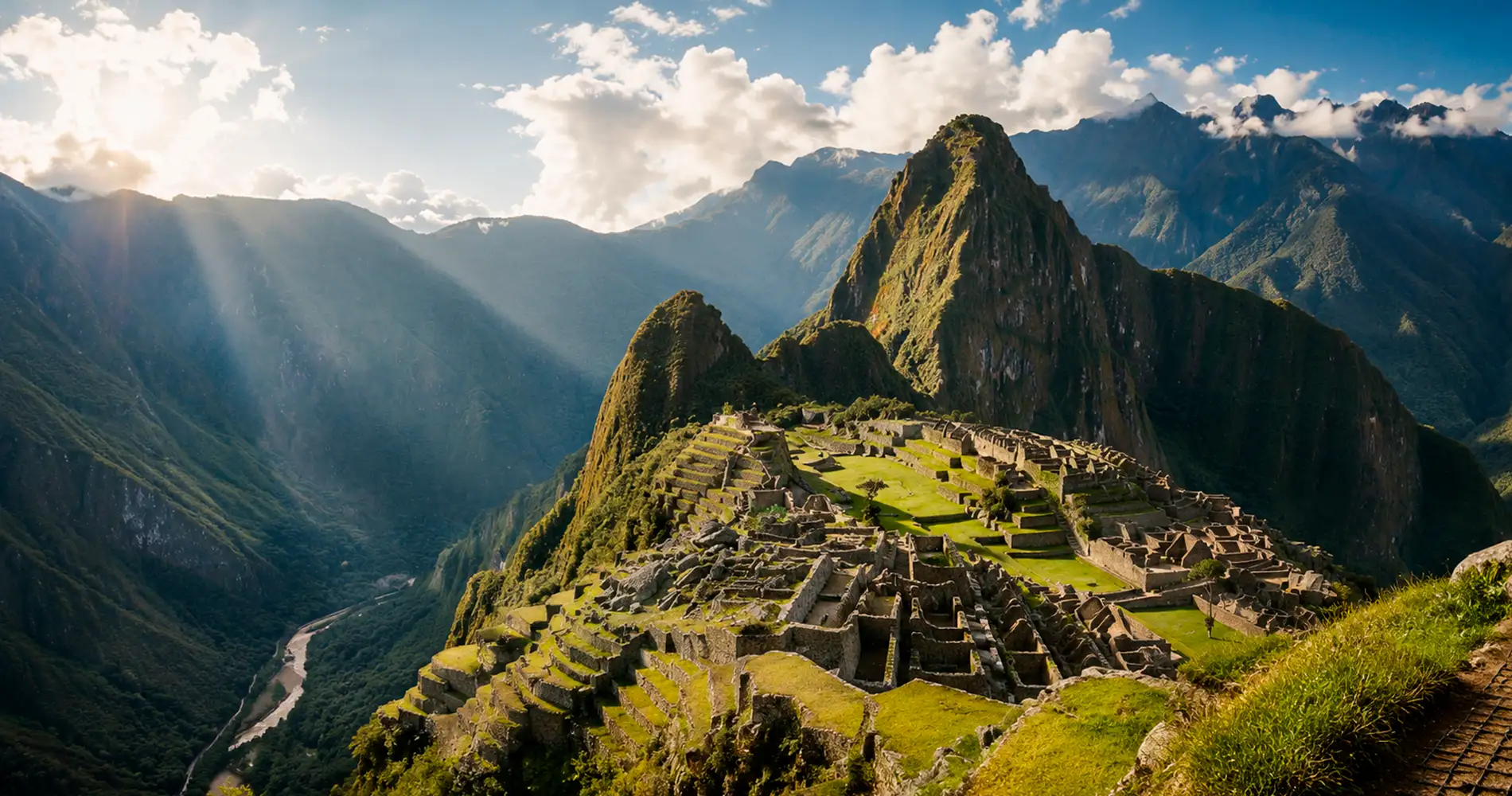
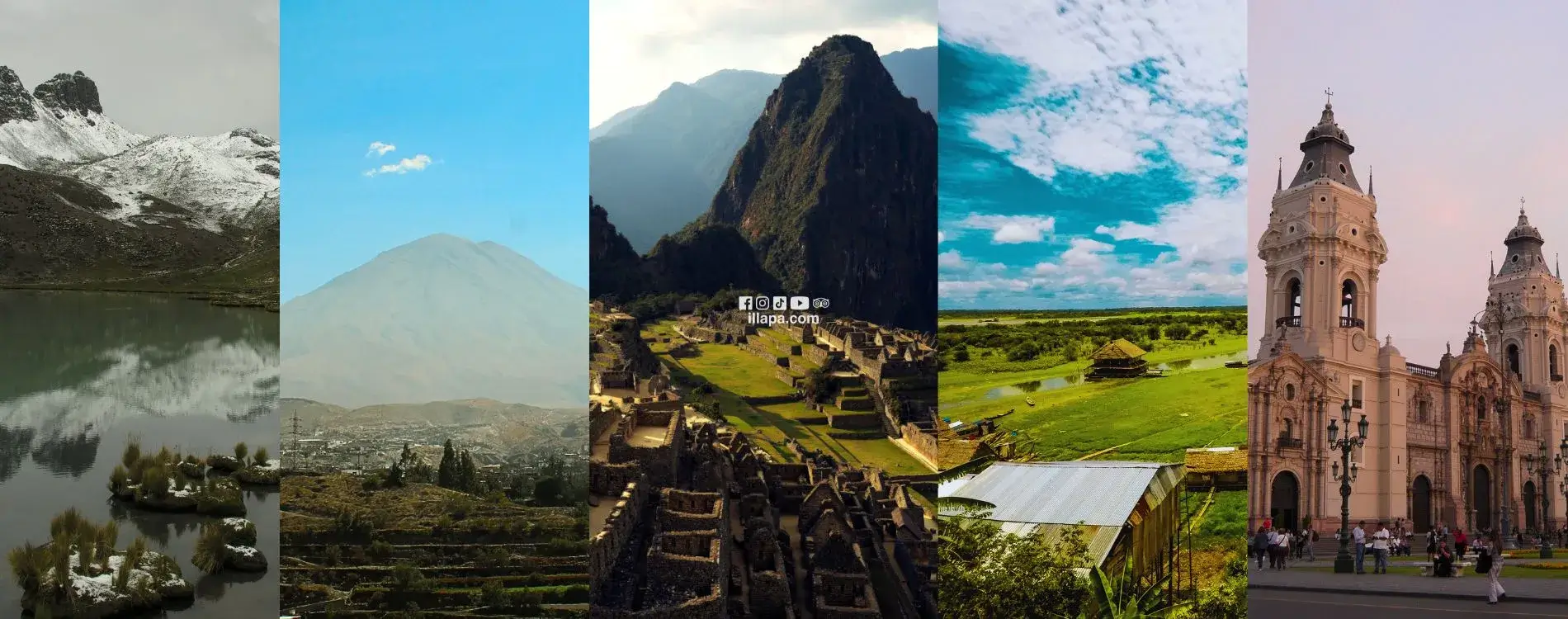
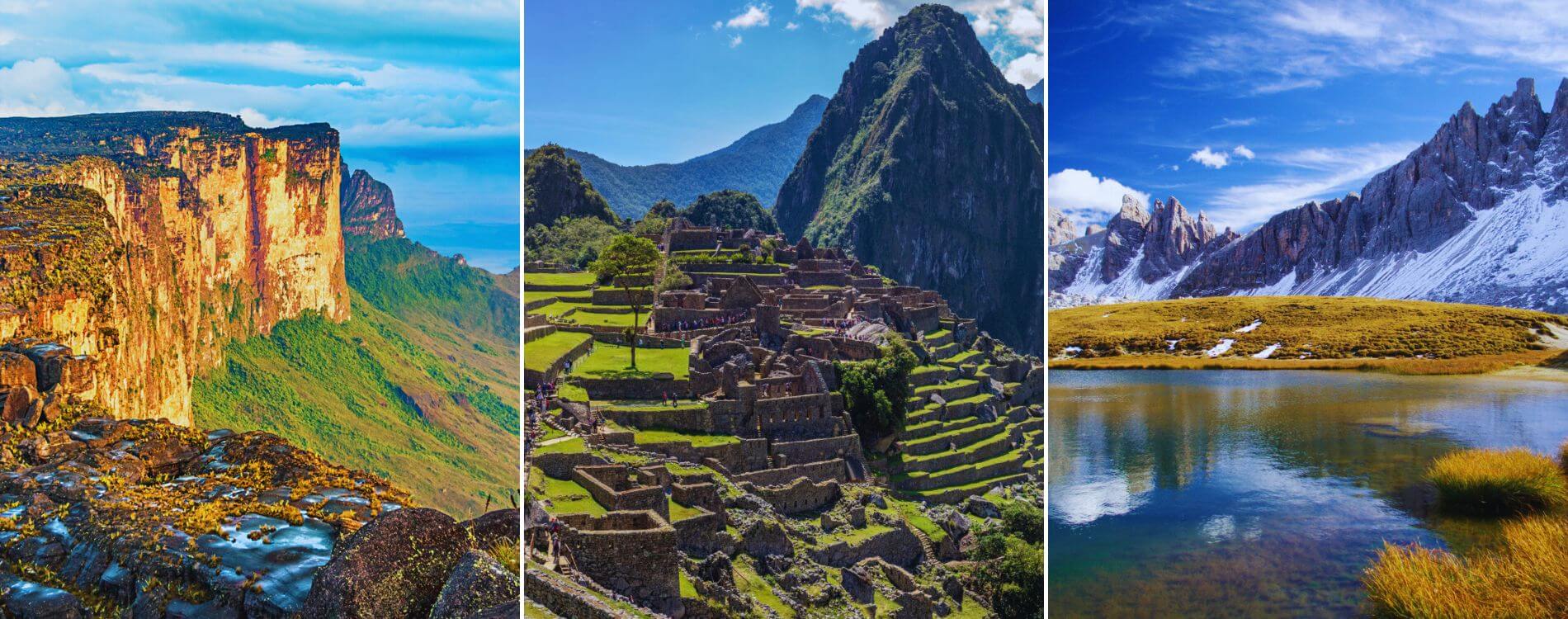
Although pachamanca is enjoyed throughout Peru today, its true heart lies in the central and southern Andean highlands. The regions where this tradition remains strongest include:
In these Andean regions, pachamanca is much more than a dish for special occasions. Both in charming countryside restaurants and within rural communities, the feast is still buried underground using the same ancestral techniques, offering an authentic and unforgettable culinary experience.
What does the word "pachamanca" mean?
It comes from the Quechua language: pacha (earth) and manka (pot), literally meaning "earth oven" or "earth pot."
What meats are traditionally used?
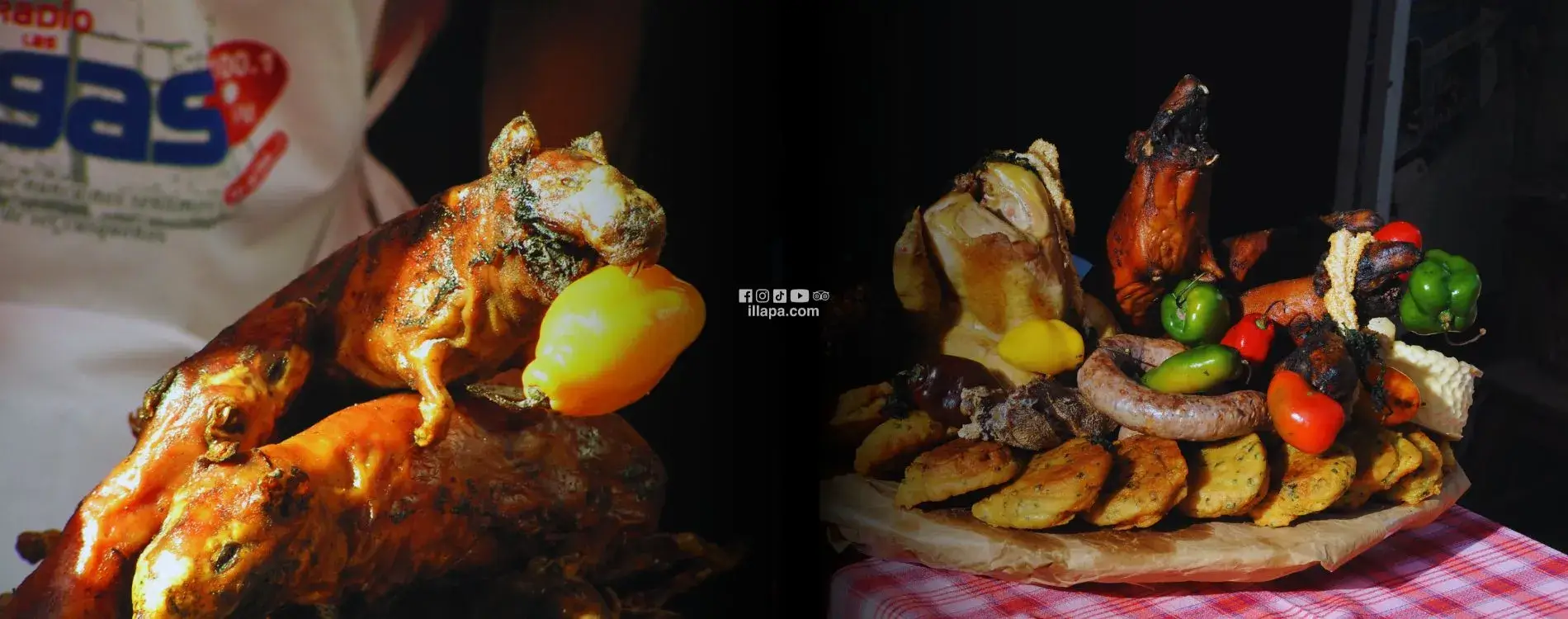
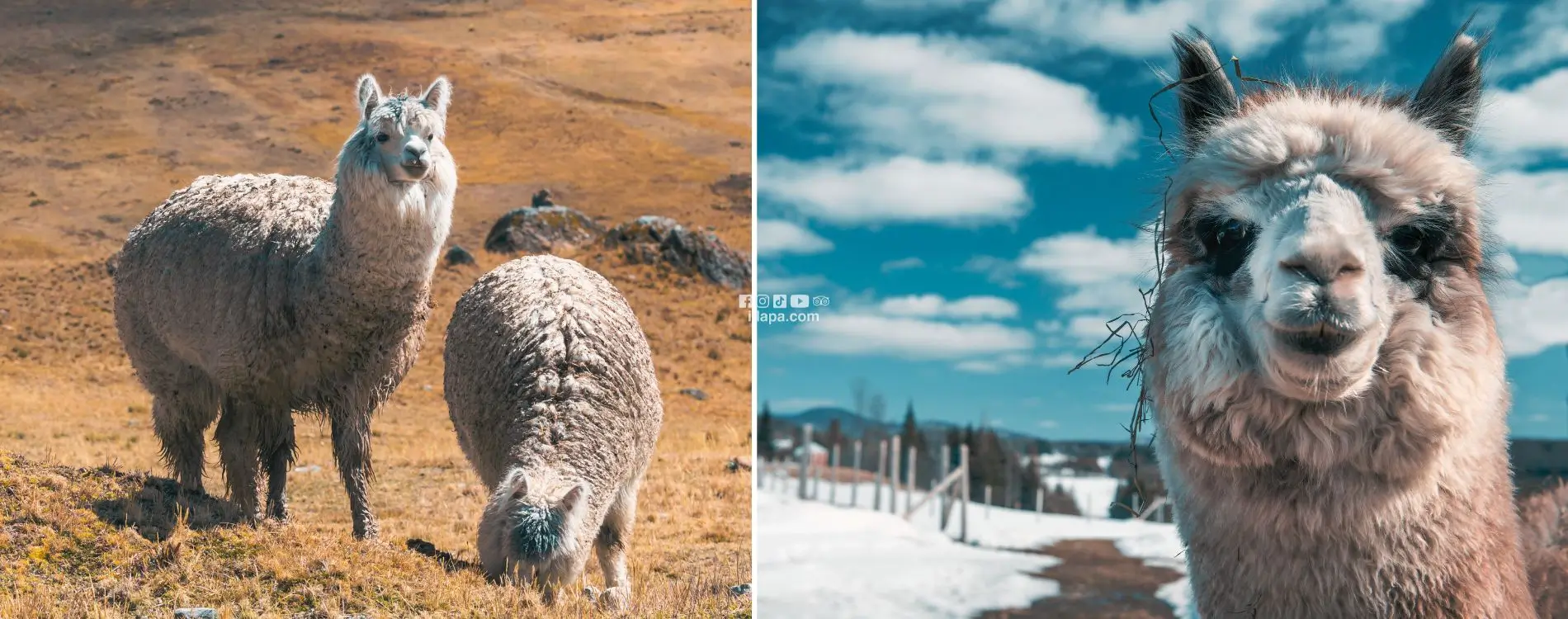
The most common are lamb, pork, chicken, and beef, although in many Andean regions it is also prepared with guinea pig or alpaca.
How long does it take to cook?
Once the ingredients are buried, the heat from the hot stones cooks them in approximately 1 to 3 hours, depending on the quantity of food and the size of the underground oven.
Why is pachamanca so culturally significant?
Because it goes beyond gastronomy: it is a ritual of gratitude to Mother Earth (Pachamama) and a communal tradition that brings families and friends together to share a meal.