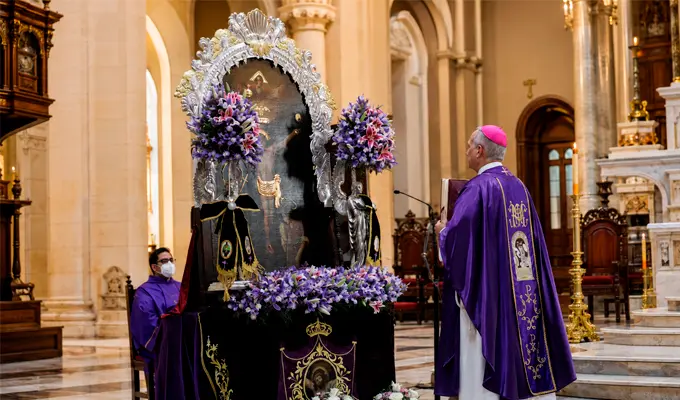
Every October, Lima takes on a different character. The streets turn purple, the aroma of freshly baked turrón fills the air, and the sound of religious songs sets the rhythm of the city. It is the time when thousands of people accompany the Lord of Miracles in one of the largest expressions of faith in the world.
This devotion began during the colonial era, when an Angolan slave painted a crucified Christ on a humble adobe wall in Pachacamilla. Powerful earthquakes destroyed much of the city, but that wall remained standing, giving rise to a devotion that, over the centuries, crossed borders around the world.
Join us as we discover the history of the “Brown Christ”: its origins, the tradition of its processions, the meaning behind the purple habit, and the traditional cuisine that accompanies this very special month.
| Fact | Information |
| Main celebration | October |
| Popular name | Brown Christ |
| Main city | Lima |
| Place of origin | Pachacamilla, Lima |
| Characteristic color | Purple |
| Main activity | Procession |
| Signature dish | Doña Pepa Turrón |
| Main sanctuary | Las Nazarenas |
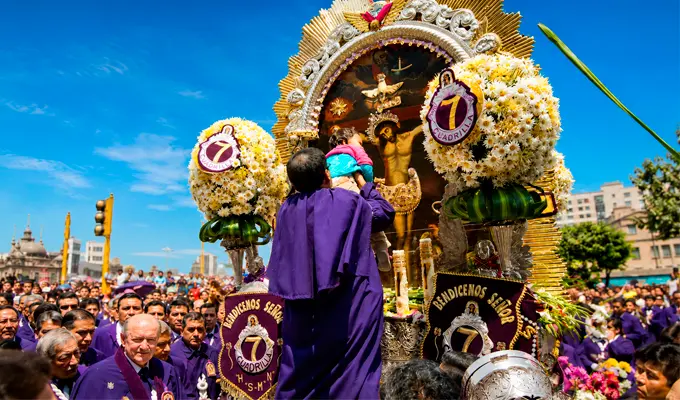
For Peruvians, the Lord of Miracles, affectionately known as the “Brown Christ”, is much more than a religious image: it is a powerful presence that brings the city to a standstill and makes the country beat as one.
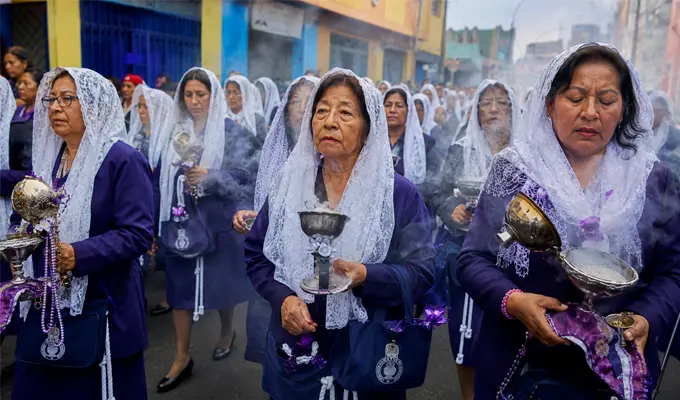
Its celebration comes alive every October, when the heavy silver litter is carried through the streets on the shoulders of its bearers. A sea of people dressed in purple accompanies it along the way, amid prayers, moving chants, clouds of incense, and tears of gratitude for fulfilled promises.
However, this celebration transcended the spiritual realm a long time ago. Today, it is a collective embrace, a living tradition where faith, culture, and history come together, reminding us of who we are and where we come from every time the Christ of Pachacamilla walks once again among his people.
The history of the Lord of Miracles dates back to the 17th century, during the colonial era.
According to tradition documented by various sources, in 1651, an Angolan slave named Pedro Dalcón painted an image of Christ crucified on an adobe wall in the Pachacamilla neighborhood of Lima.
The image began to be venerated by the local population. Later, an event that profoundly shaped the history of this devotion was the earthquake that struck Lima and Callao.
Tradition holds that, despite the destruction caused by the earthquakes, the wall on which the image was painted remained standing. This event strengthened the devotion of those who came to venerate it. Over the years, the devotion spread and eventually became one of the most important religious expressions in Peru.
The nickname "Brown Christ" carries within it the very essence of its origins: the indelible influence of the Afro-descendant community of colonial Lima. It was this community who, through humble brushstrokes and heartfelt chants, brought the image to life on that wall in Pachacamilla and carefully preserved its early miracles.
Over the years, the devotion that was born on the outskirts of the city crossed all social, racial, and economic boundaries. Today, the Lord of Miracles is a great meeting point for Peruvians: a fraternal embrace where all stories come together beneath the same purple habit.
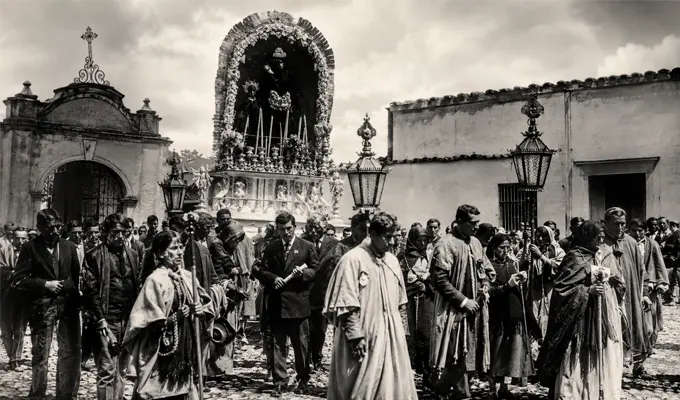
If there is something that completely transforms the atmosphere of Lima every October, it is the purple mantle that seems to cover everything. It is not simply a color: it is the robe of faith, gratitude, and penance worn by thousands of devotees to fulfill a promise or give thanks for a granted miracle.
During this month, the capital city changes its appearance. Purple not only dresses the faithful; it decorates balconies, colors floral arrangements, flies from banners, and fills the city's streets and corners. Watching the processions pass through clouds of incense is to witness an entire city slowing down its usual pace to breathe in devotion, tradition, and a very special sense of peace that can only be felt during these days.
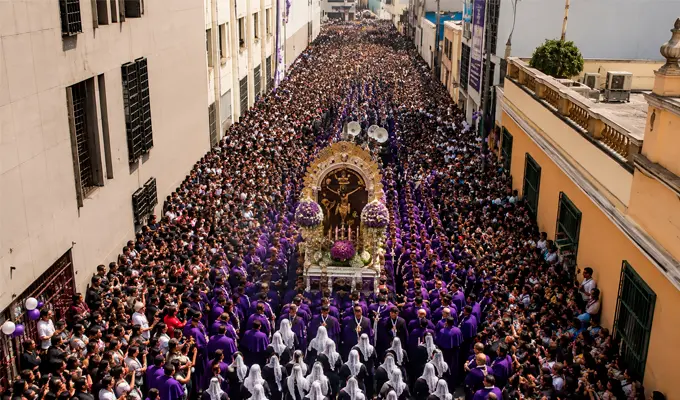
The procession is the very heart of the celebration, the moment when faith takes to the streets. Following the procession is not simply about watching a religious image pass by; for thousands of devotees, it is an act of pure love, a slow-paced walk to give thanks, heal wounds, and renew promises with their eyes turned toward heaven.
This immense human tide moves forward thanks to the dedication of thousands of people who make this collective expression of faith possible:
If there is one image that defines Lima in October, it is that of its people wearing the purple habit. Wearing this loose-fitting robe with a white cord is not simply a tradition; it is an intimate act of humility, gratitude, and penance. For thousands of devotees, putting it on every morning throughout the month is the most sincere way to say "thank you" for a granted miracle or to faithfully fulfill a promise made from the heart.
Over the years, this simple robe ceased to be merely a garment and became the very identity of the celebration. It is the visual symbol of a people who, regardless of where they come from, put on the same color to walk together in the same faith.
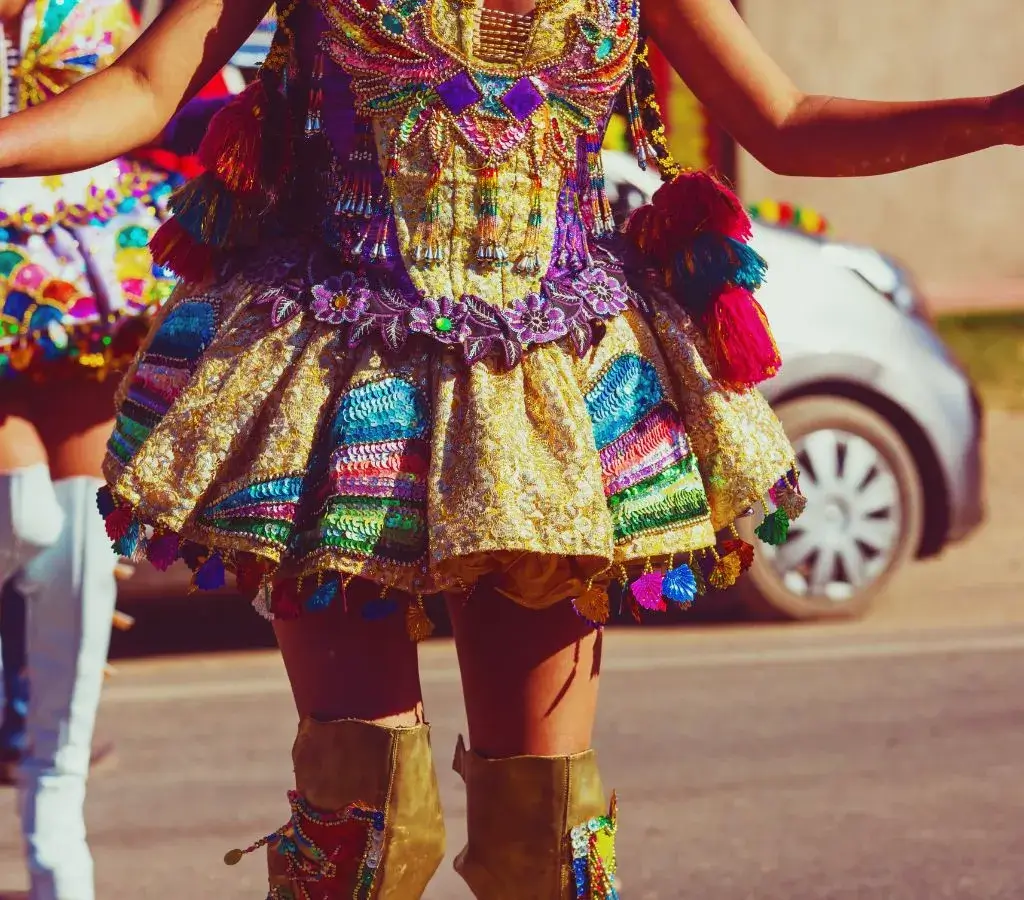
Step by step, the arrival of the Lord of Miracles awakens a wave of creativity and devotion that transforms the gray asphalt into a celebration of color. The famous floral carpets are true works of ephemeral art: entire families and neighborhoods stay up late designing the carpets with flower petals, colored sawdust, and foliage along the route where the platform will pass, knowing that hours of work will last only a few seconds beneath the footsteps of the procession.
Along the procession route, the façades also tell their own story. Balconies decorated with purple fabrics, improvised altars in windows, burning candles, and vases overflowing with carnations welcome the Brown Christ. These are simple yet deeply meaningful gestures, as each household opens its doors to become another small part of this great community celebration.
Devotion to the Brown Christ is not experienced only during the procession; it is felt every day throughout the month. The Las Nazarenas Sanctuary, in the heart of Lima, becomes the city's great spiritual epicenter.
There, from early in the morning, the church opens its doors to receive an endless stream of faithful who come to attend Mass, spend a few minutes in quiet prayer during the novena, or participate in moving nighttime vigils. These are more intimate and contemplative moments, when, surrounded by the scent of melted wax and the soft glow of candles, devotees take a moment to pause, release the burdens of the year, pray with their families, and renew the unwavering faith that sustains them.
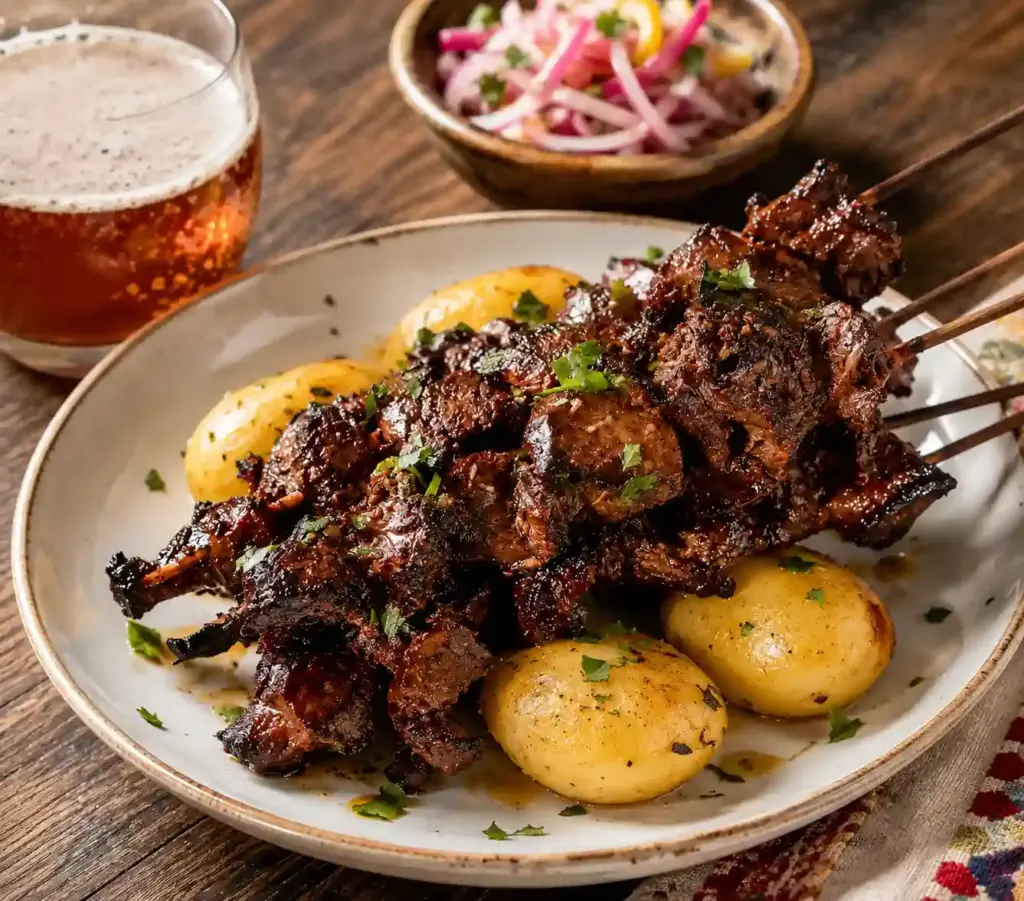
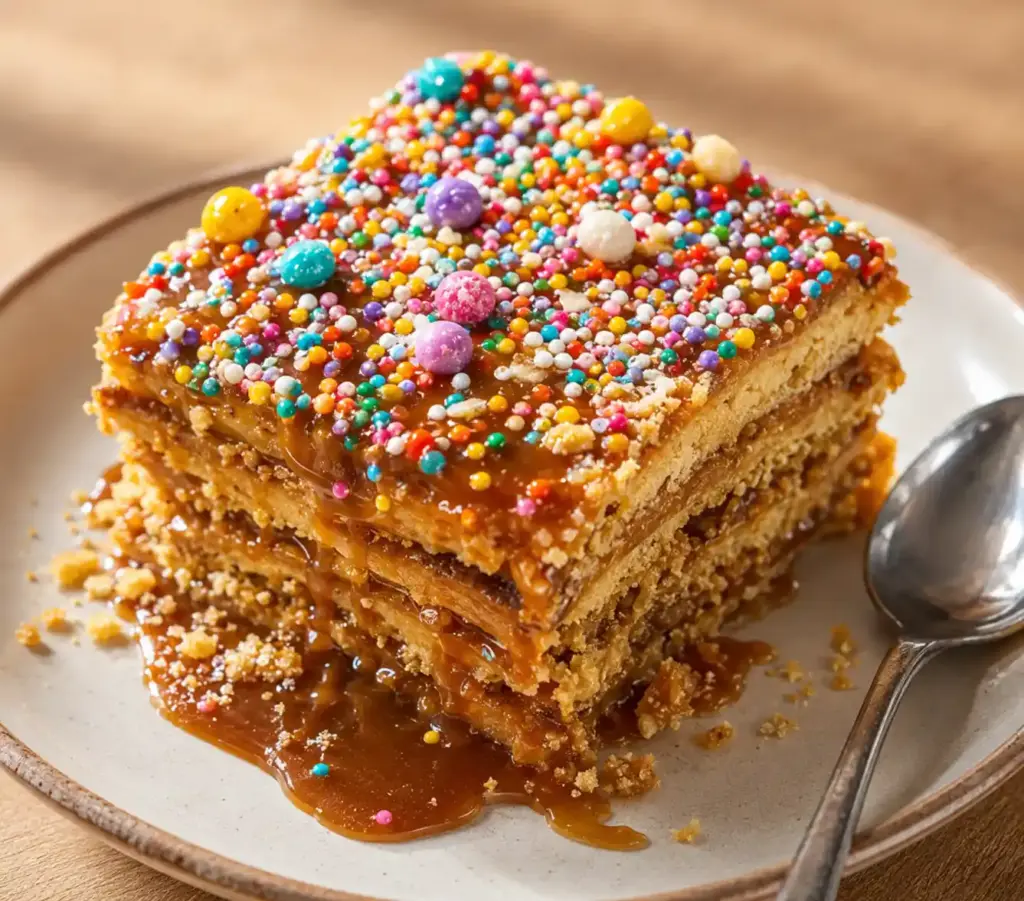
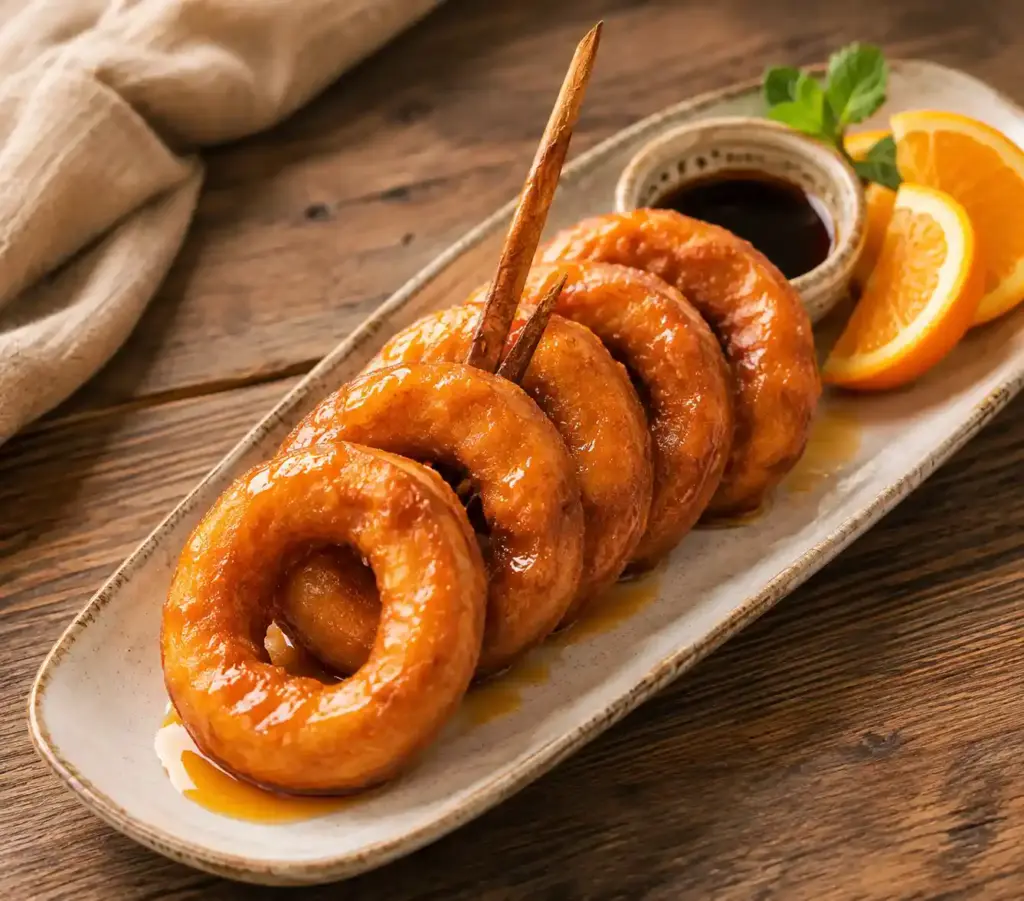
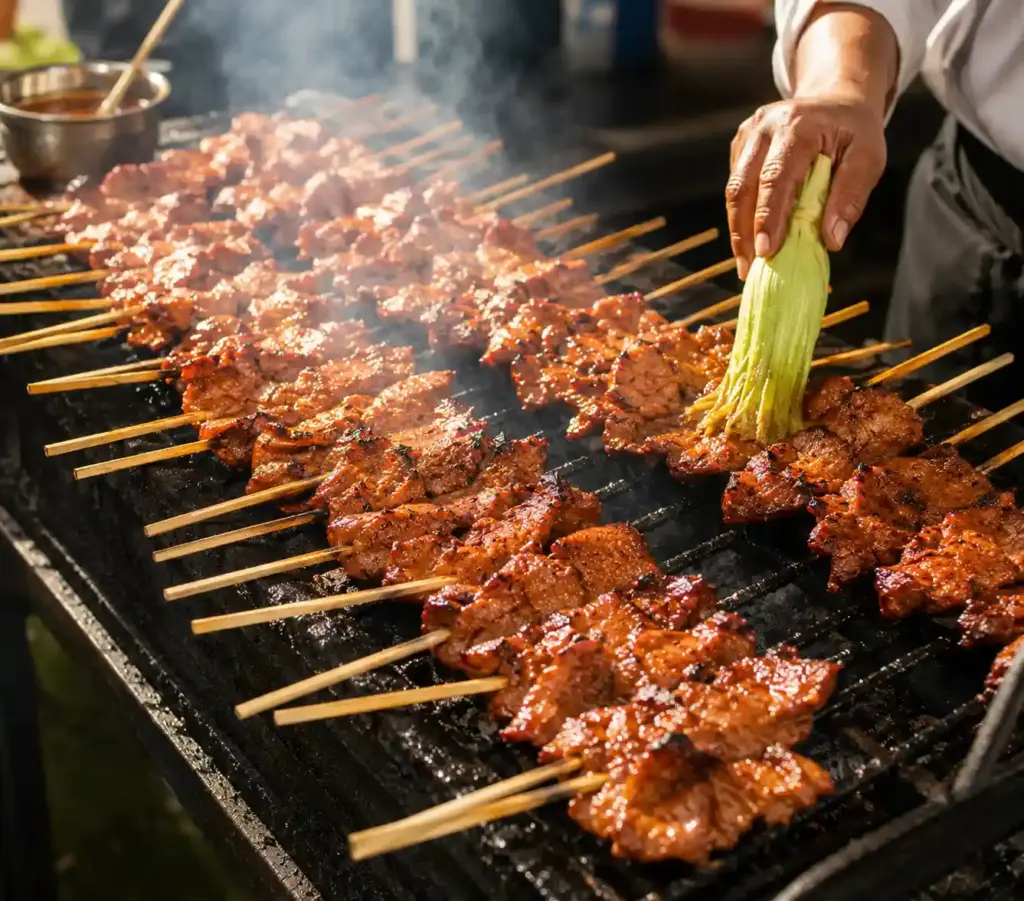
The Purple Month is not only experienced with the heart and the ears; it is also enjoyed through the palate. The celebration of the Lord of Miracles has its own distinctive flavor and unmistakable aromas that fill the streets and accompany families throughout their journey.
Although Lima is the birthplace and natural epicenter of this devotion, faith in the Brown Christ crossed every border long ago. In almost every corner of Peru, and even in cities around the world where a Peruvian heart beats, from Buenos Aires to Madrid and New Jersey, the purple color blooms again every October. Each community organizes its own processions, Masses, and incense ceremonies, adapting the tradition with the warmth and affection of its own local culture.
However, the heart of this celebration remains firmly connected to the old streets of Lima's Historic Center. Returning to the Las Nazarenas Sanctuary, feeling the weight of history in its walls, and seeing the sea of people gathering to watch the platform pass by is a unique experience. Lima remains the great magnet that brings people together and reminds an entire country that, no matter how far apart we may be, the same faith brings us together every October.
Beyond candles and faith, this celebration is a living reflection of who we are as a country. At its origins lies the strong influence of Afro-Peruvian heritage: it was the hands of Afro-Peruvian devotees that painted Christ on an adobe wall that no earthquake could bring down. Over the centuries, this devotion embraced the voices, struggles, and hopes of all the communities that coexist in Peru.
In a world that often moves in different directions and at a relentless pace, the Purple Month works its own miracle by bringing everyone together on the same street corner: grandparents and grandchildren, the wealthy and the humble, those who come to ask for a favor and those who come to give thanks. That is why experiencing this celebration is not just witnessing an act of faith; it is a way of touching the country's mestizo heart, reconnecting with our roots, and understanding how our deepest traditions are what keep us united.
If you are in Lima in October, you will experience the city at its most authentic. Don't miss these experiences:
To make the most of this experience and enjoy it peacefully, keep these practical tips in mind:
It is mainly celebrated in October, known as the Purple Month, although activities begin in late September and continue until early November.
Because the original image was painted on an adobe wall by an Angolan enslaved man in the 17th century, highlighting its deep Afro-Peruvian roots.
The purple habit is a personal symbol of faith, penance, and gratitude for promises fulfilled or miracles received.
The traditional sweet is Turrón de Doña Pepa, made with a soft dough, chancaca syrup, and colorful sprinkles.
The procession travels through various streets and avenues in Lima's Historic Center. It is recommended to check the official route map and schedules for each year before attending.
Music has that almost magical ability to preserve a country's memory. In Peru, where every region has its own voice, few rhythms can awaken the pride and nostalgia of the coast as powerfully as Peruvian criollo music.
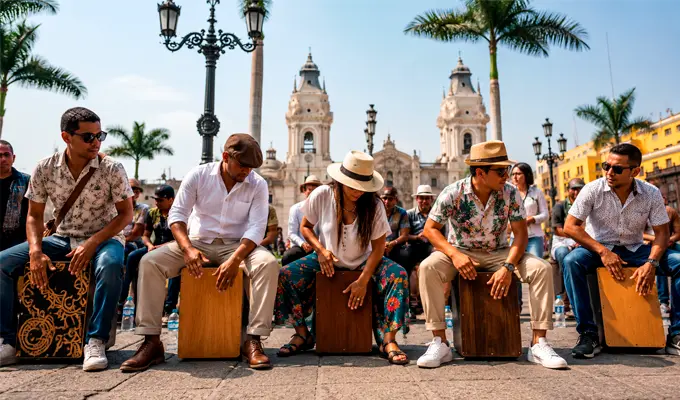
Every October 31, homes, neighborhoods, and peñas come alive with the sound of the cajón and the sweet cry of the guitar to celebrate Creole Song Day. It is a living tribute to the soundtrack that has shaped our lives: Sunday family lunches, endless gatherings, heartfelt embraces, and the joy of sharing a good meal together.
Talking about criollismo means talking about a unique cultural embrace. It is the feeling of the Peruvian waltz, the playfulness of the festejo, the rhythmic interplay of the callejón, the elegance of the marinera, and the lively rhythm of the polka. These styles emerged from a blend of Spanish, African, and Indigenous influences that, over time and in the hands of our people, shaped an identity with a character of its own.
But how did this feeling really come about? Why do we mark October 31 on the calendar? Who are the great masters who gave voice to our people, and which corners of Lima still preserve that authentic jarana today? Take a seat and join us as we discover the history of the tradition that makes us sing with our hearts on our sleeves.
| Fact | Information |
| Date | October 31 |
| Country | Peru |
| Origin of the celebration | 1944 |
| Genres | Waltz, festejo, marinera, polka, and landó |
| Instruments | Peruvian cajón and guitar |
| Featured locations | Lima and Callao |
| Notable representatives | Felipe Pinglo, Chabuca Granda, Lucha Reyes, and others |
Peruvian criollo music is much more than a collection of rhythms: it is the living expression of the coast, born from a fascinating intersection of histories and cultures. Over time, Indigenous traditions, the elegance of European influences, and the vibrant pulse of African heritage came together in streets, alleyways, and plazas, blending to create an unmistakable musical identity.
This deeply emotional cultural fusion gave rise to a rich and diverse musical universe featuring iconic rhythms such as:
Each one has its own nuances, personality, and history, but they all share the same heartbeat: the soul of the criollo tradition.
Every October 31, Peru dresses up its guitars and cajones to celebrate Creole Song Day, one of the most heartfelt dates on the country's cultural calendar.
Its origins date back to 1944, when President Manuel Prado Ugarteche officially established the celebration with a clear purpose: to give official recognition to a musical tradition that emerged from working-class neighborhoods, alleyways, and jaranas, giving it the place it deserved as a pillar of national identity.
What began as a formal tribute quickly became a celebration of the people. Since then, every last day of October has become the perfect occasion to remember the golden voices and gifted writers who shaped our musical history, singing aloud those lyrics we all know by heart and keeping alive a tradition proudly passed down from generation to generation.
The history of criollo music cannot be understood without the pulse of its cities, especially Callao and the traditional neighborhoods of Lima.
Throughout the 19th and 20th centuries, the magic happened in everyday life: in narrow alleyways, the balconies of old mansions, neighborhood celebrations, and musical clubs. It was within this coexistence that European influences, Afro-Peruvian rhythms, and Andean sensibilities came together to create a completely new musical language.
Amid this cultural melting pot, the criollo waltz found its golden place. It went from being performed at intimate gatherings in Rímac and Barrios Altos to becoming the poetic and sentimental voice of the entire capital.
Little by little, inspired composers and gifted singers shaped an immortal repertoire, allowing music that was born in the intimacy of the neighborhood to make its way onto the radio, into major theaters, and eventually into the hearts of people throughout the country.
Within this festive universe, the Peruvian waltz deserves special recognition. It was born under the influence of the European waltz, but Peruvians made it their own, giving it neighborhood spirit, emotion, and rhythm until it became the musical reflection of Lima and the Peruvian coast.
Unlike its courtly origins, the lyrics of the Peruvian waltz focus on everyday life and experiences we all share:
And when it comes to giving these songs their soul, there is an unbeatable duo: the guitar and the Peruvian cajón.
It is impossible to talk about a criollo gathering without hearing the resounding beat of the Peruvian cajón. This percussion instrument, born from the ingenuity, resilience, and talent of the Afro-Peruvian community, is the true rhythmic heart of criollo music.
With its dry, deep, and distinctive sound, the cajón sets the pulse of celebrations, supports the rhythm of marineras, and gives waltzes their unmistakable "flavor." Today, this treasure of Peruvian identity has transcended borders: its versatility has captivated musicians around the world, and it is proudly played on international stages, carrying the sounds and history of Peru to every corner of the planet.
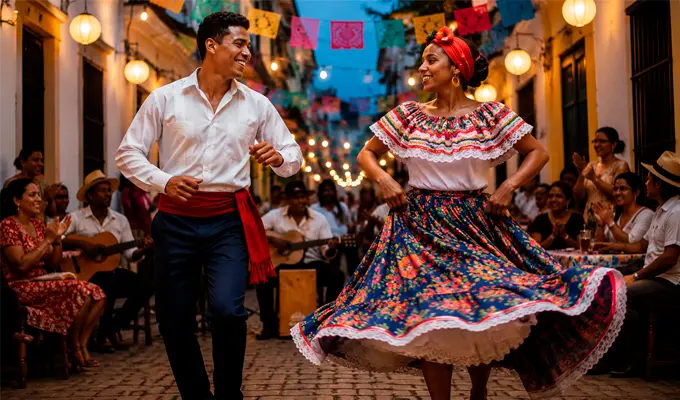
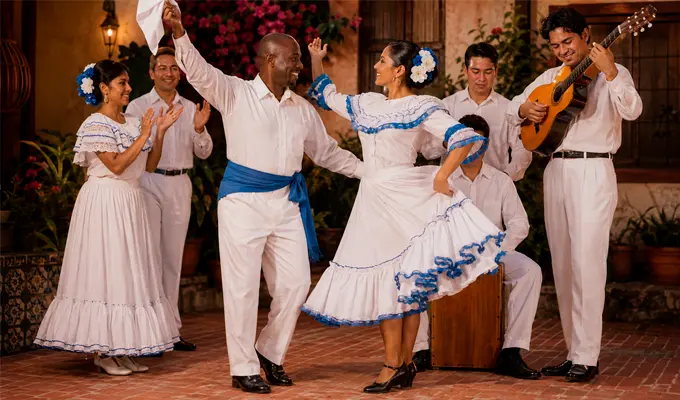
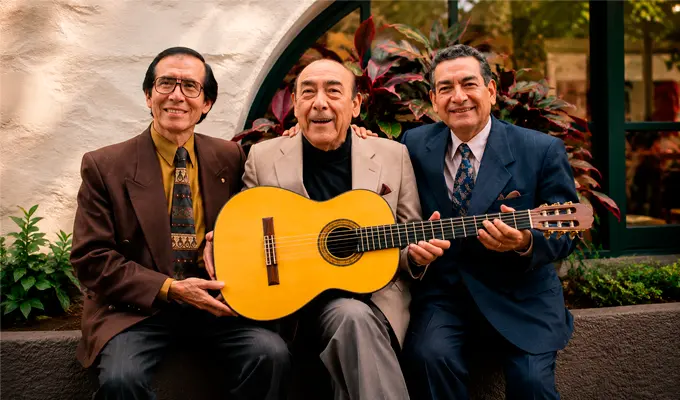
Criollo music also preserves the powerful voice of Lucha Reyes, the masterful guitar playing of Don Óscar Avilés, the heartfelt performances of Arturo “Zambo” Cavero, the majestic voice of Jesús Vásquez, and the strength of Eva Ayllón voices that taught an entire country how to sing.
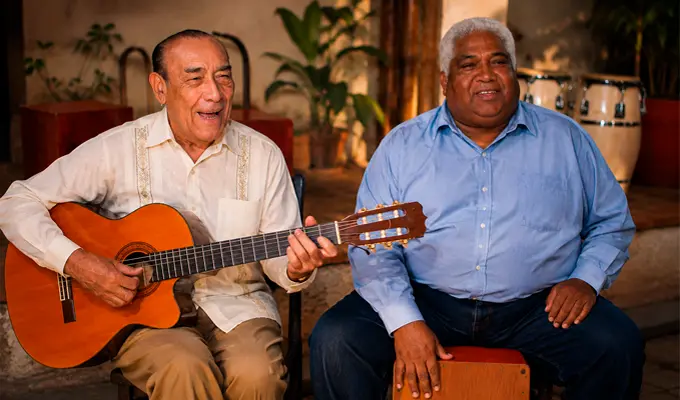
When October 31 arrives, the entire city transforms. Whether it takes place in the grand dining room of a renowned restaurant, the warmth of a family courtyard, or the cozy atmosphere of a neighborhood peña, Peru comes together to make its music ring out.
On this festive night, it is impossible not to be swept up by the energy that fills every corner:
Throughout all this celebration, criollo peñas take center stage. They are temples of Peruvian identity where live music surrounds you, food brings comfort, and tradition embraces you, proving that criollo culture is not something from the past, but a feeling that continues to evolve and be joyfully celebrated today.
Talking about Criollo Music Day inevitably means talking about the Peruvian dining table as well. After all, a good jarana is never complete without a well-served dish at the center of the table to share between drinks and songs.
Music lifts the spirit, but criollo cuisine completes that warm embrace that brings family and friends together around a shared feeling. During this celebration, kitchens fill with unmistakable aromas that add flavor to the festivities:
That unbreakable fusion of the guitar's strumming, the beat of the cajón, and a steaming dish on the table makes October 31 more than just a festive date. It becomes a true sensory experience where Peruvian identity is celebrated, sung, and savored with a joyful heart.
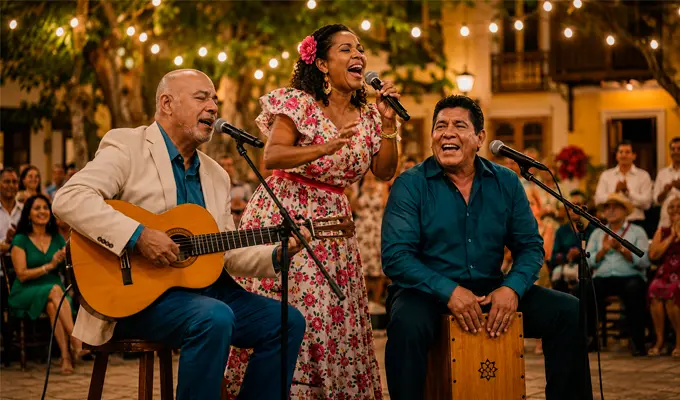
If you are in Lima on October 31, there is no better way to experience this celebration than by exploring the places where criollo tradition took root and where the cajón continues to resonate on every corner:
If you want Criollo Music Day to be the perfect excuse for an unforgettable getaway through Lima, here is a simple route to experience it like a true local:
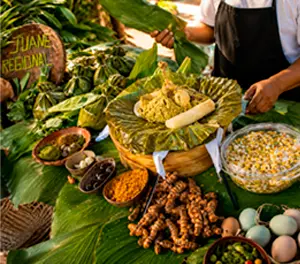
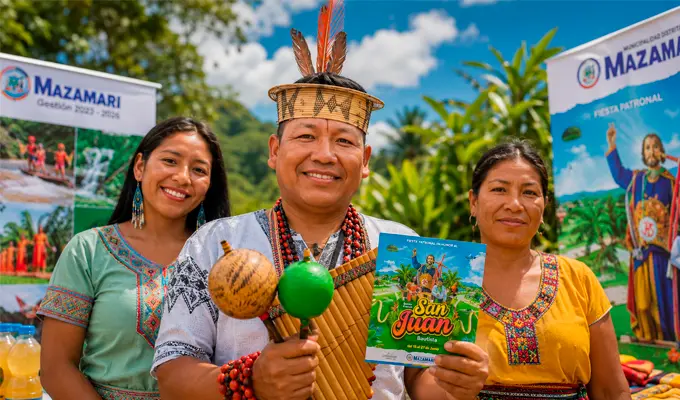
Every June 24, the Amazon transforms completely to celebrate its most anticipated date: the Fiesta de San Juan (Saint John's Festival). It is that magical time of year when daily routines come to a halt and rivers, streets, and plazas come alive with music, dances, color, and the unmistakable aroma of freshly wrapped juane.
This is not just any festival; it is the ultimate expression of Amazonian joy and identity. From the banks of Iquitos and Tarapoto to Moyobamba and Pucallpa, entire communities and travelers from around the world come together to share a tradition where faith, nature, and gastronomy embrace in a truly unique way.
If you are looking for an excuse to escape to the jungle, connect with its people, and enjoy an unforgettable experience by the river, today we tell you everything you need to know: from the origins of the famous "blessed bath" to the best destinations to immerse yourself in this great celebration. Join us and discover it!
| Fact | Information |
| Main date | June 24 |
| Main region | Peruvian Amazon |
| Saint | Saint John the Baptist |
| Traditional dish | Juane |
| Activities | Dances, music, fairs, and gatherings |
| Featured destinations | Iquitos, Tarapoto, Moyobamba, and Pucallpa |
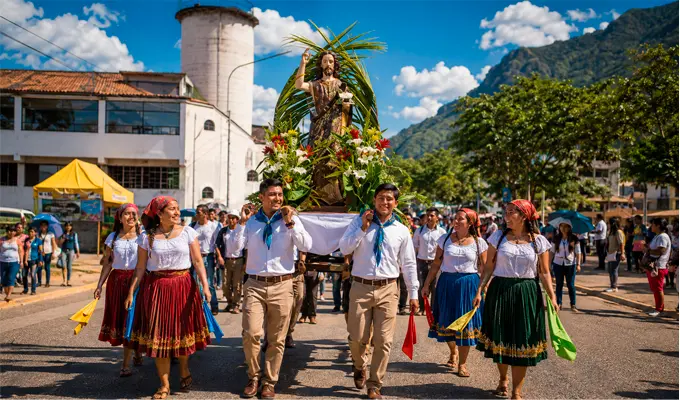
The Fiesta de San Juan is undoubtedly the beating heart of the Peruvian Amazon. Every June 24, devotion to Saint John the Baptist naturally intertwines with the free-spirited, generous, and festive character of the jungle, giving life to a celebration that goes far beyond the religious calendar.
Over time, Catholic roots merged with the ancestral wisdom of Amazonian communities and their deep respect for rivers and nature. The result is a festival with a soul of its own, where music, the aroma of freshly prepared juane, dancing, and community gatherings fill the streets and riverbanks. More than just a date on the calendar, San Juan is the perfect occasion for families to come together, friends to gather by the water, and an entire region to proudly reaffirm the warmth of its identity.
Although the celebration pays tribute to Saint John the Baptist, this date takes on a truly unique meaning in the jungle. The festival revolves around water, the soul of the Amazon, celebrating its power to give life, nourish the fields, and connect its communities. That is why riverbanks, lagoons, and streams become the main settings where everything takes place.
June also marks a time of pure vitality in the jungle. The faith brought by missionaries eventually embraced the everyday rhythm of Amazonian life, allowing religious rituals and community gatherings to merge into one great celebration by the water.
June 24 is the main day, but in the jungle, the celebration is not limited to a single date. Throughout San Juan Week, the festive spirit takes over towns and cities with a schedule packed with food fairs, open-air concerts, dance competitions, and family gatherings by the river.
Arriving a few days early is the best way to enjoy the festivities without rushing. This allows you to immerse yourself in the preparations, explore local markets as vendors begin wrapping the juanes, and enjoy the warmth of the local people before the main day's celebrations begin.
Talking about the Fiesta de San Juan means talking about living traditions that can be felt in the air, where flavors, music, and rivers come together to create an unforgettable experience:
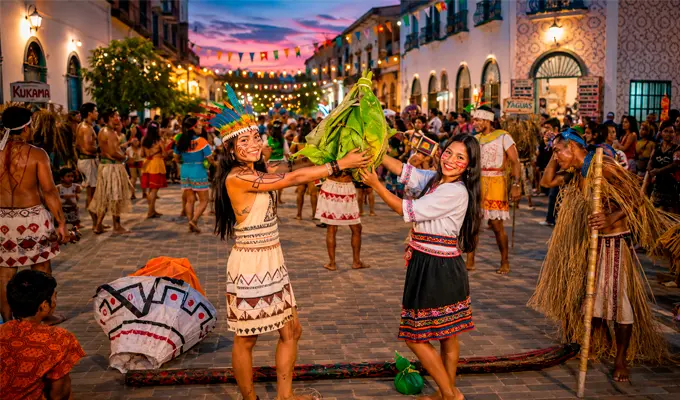
During these days, the jungle never rests. More than a single-day celebration, the Fiesta de San Juan becomes an immersive experience where daily routines are set aside to make room for a festive atmosphere that can be felt in every corner.
Among the activities that set the rhythm of the celebration are:
This combination of street festivities, gastronomy, nature, and human warmth is what makes San Juan an unforgettable experience.
Although the spirit of the festival beats throughout the Amazon, each city gives it its own energy and character. If you're thinking about experiencing this celebration firsthand, here's what San Juan feels like in its four most iconic destinations:
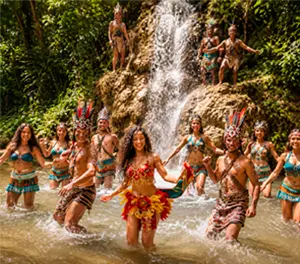
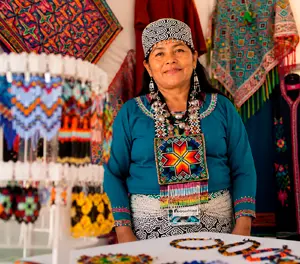
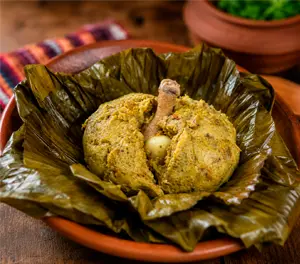
If there is something that awakens the senses during San Juan beyond the pounding of the drums, it is its cuisine. Although the juane is the undisputed star of the celebration, the jungle offers a feast of smoky and aromatic flavors that are well worth trying:
Trying Amazonian cuisine during these festivities is the most delicious way to sit at the table and feel like a member of the community.
If you are planning to travel to the jungle during this time of year, the Fiesta de San Juan is the perfect excuse to plan a complete trip combining festivities, nature, and culture:
The truth is that there is no single "best destination": it all depends on the type of adventure you have in mind. Every corner of the jungle adds its own unique touch to the celebration:
If you're thinking about escaping to the jungle to experience this unforgettable celebration, take note of these practical tips to enjoy the experience without any setbacks:
Traveling to the jungle during the Fiesta de San Juan is about much more than taking a vacation or checking a destination off your list: it is an opportunity to immerse yourself fully in the soul of a joyful, diverse, and deeply welcoming Peru.
At every corner, you'll find a table prepared with a genuine desire to share, a dance troupe inviting you to join in regardless of where you come from, and a wild landscape that takes your breath away at every turn. This celebration proves that the true wealth of the Amazon lies not only in its mighty rivers or lush vegetation, but also in the unparalleled warmth of its people.
But the most valuable part of traveling during these dates is that, by experiencing the festivities from within, tasting traditional dishes, and sharing moments with local communities, you become part of something much greater. Your visit helps keep these centuries-old traditions alive, supports the local economy, and celebrates the greatness of the Amazon alongside the families who protect, care for, and bring it to life every day of the year. It is, without a doubt, an experience that changes the way you see the world and stays with you forever.
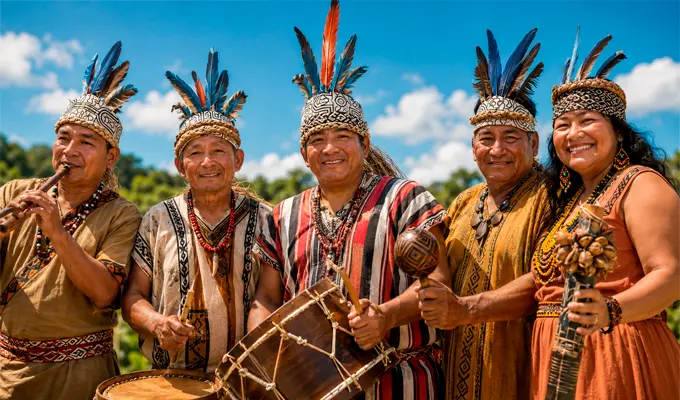
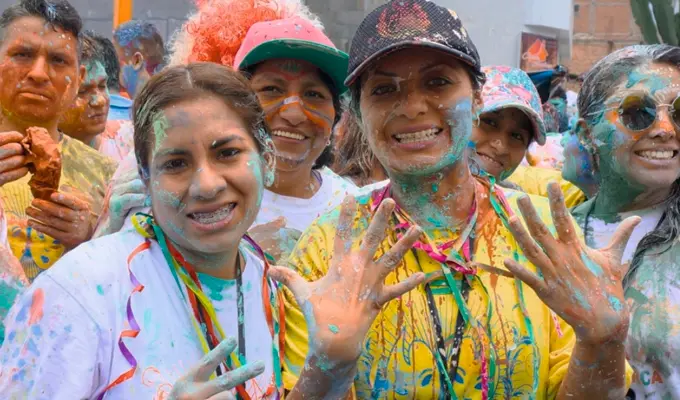
Between February and March, Carnival transforms the streets of Peru with music, parades, costumes, and the traditional water games. This festival blends colonial customs with the Andean tradition of giving thanks to Pachamama for the harvests, becoming one of the most joyful expressions of the country's cultural heritage.
Although Carnival is celebrated throughout the country, three destinations stand out for their traditions:
Travel tips:
| Fact | Information |
| Season | February or March |
| Date | Varies each year |
| Cajamarca | Ño Carnavalón and large parades |
| Cusco | Compadres, Comadres, and water games |
| Ayacucho | Music, dances, and parades |
| Traditional elements | Music, water, talcum powder, costumes, and yunza |
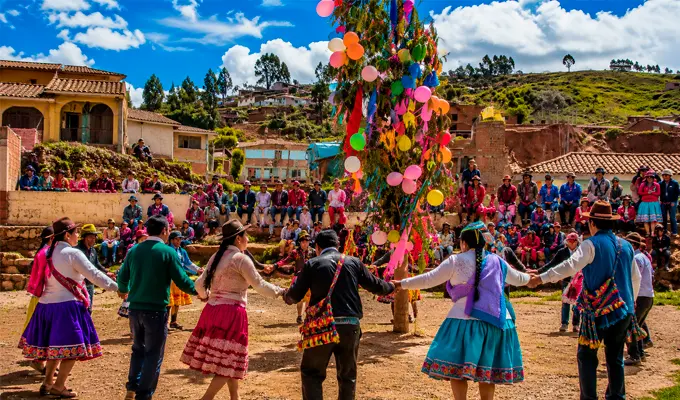
Carnivals in Peru are vibrant celebrations that take place before Lent, blending customs introduced during the colonial period with Andean rituals associated with the agricultural cycle and fertility. This cultural fusion has given rise to a unique diversity of celebrations, with each region expressing its own identity through music, dance, and popular traditions.
During the festive days, the streets of towns and cities come alive with parades, colorful costumes, traditional games involving water, talcum powder, and paint, as well as the unmissable dancing around the yunza, or cortamonte. Since the liturgical calendar determines different dates each year between February and March, it is essential to check each municipality's official program and plan your visit in advance.
Cajamarca is undoubtedly the city that has best succeeded in making Carnival the heart of its identity. During these days, daily life comes to a standstill as the streets transform into a huge living celebration filled with music, color, and the joy of its people. It is no surprise that it is considered one of the most eagerly anticipated and beloved events in all of Peru.
The most beautiful thing about Cajamarca Carnival is that it is not an isolated event, but rather a community experience that involves entire neighborhoods, families, and visitors who come from all over to join the celebration.
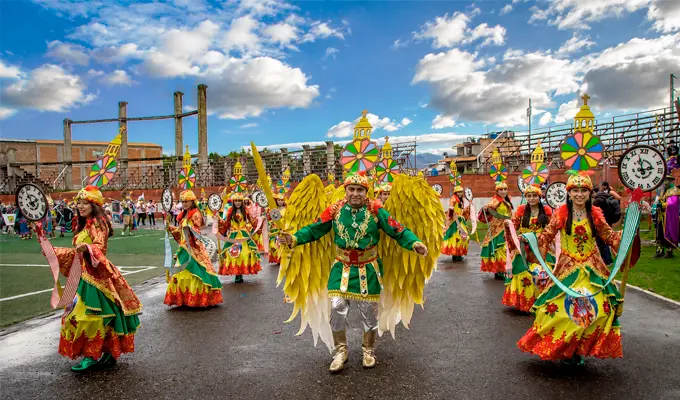
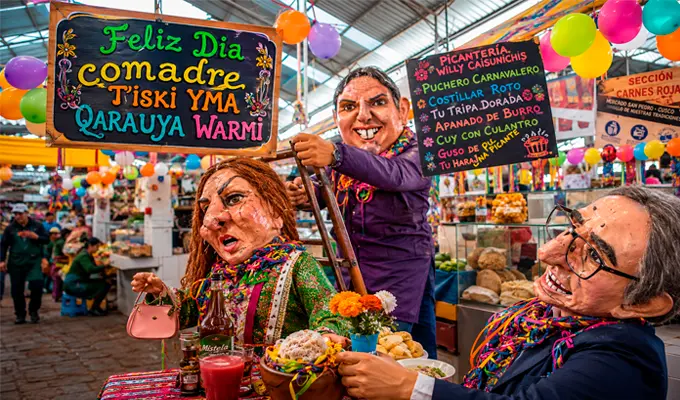
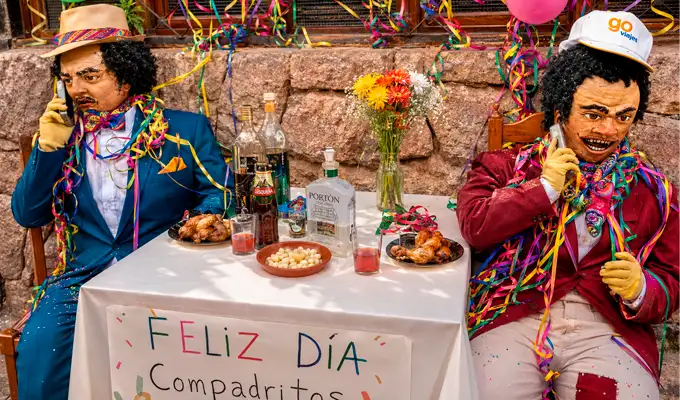
In Cusco, Carnival is experienced with a unique spirit, where the richness of Andean tradition naturally intertwines with the joy and warmth of its people. It is not simply a celebration on the calendar; it is a community experience that takes over squares, neighborhoods, and entire valleys.
What makes Cusco Carnival particularly special is that it does not begin or end on a single weekend; rather, it is a festive cycle filled with nuances, camaraderie, and community gatherings:
If you are lucky enough to be in the Imperial City during this time, checking the local program will allow you to experience the celebration in its entirety, from laughter among compadres to the final dance of the Carnival finale.
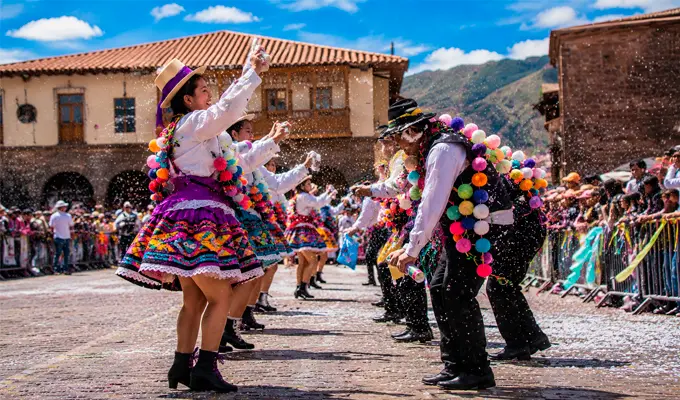
In Ayacucho, Carnival is not a spectacle for mere spectators: it is a collective heartbeat where music, dance, and Andean memory completely take over the city. Considered one of the most authentic and profound celebrations in Peru, during these days Ayacucho's cultural pride can be felt and sung out loud on every corner.
The magic of this Carnival lies in its ability to bring an entire community together through expressions that have been passed down through generations:
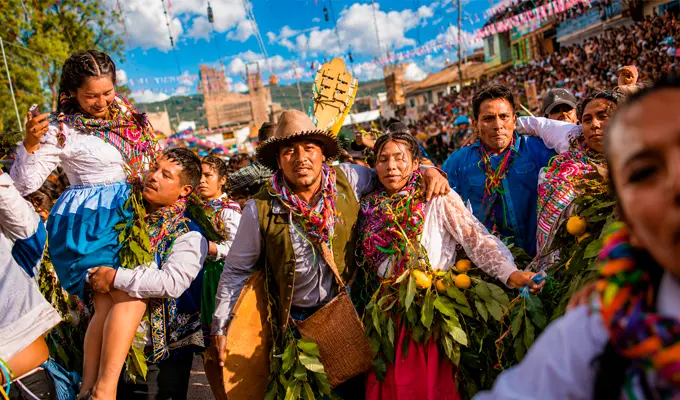
Although Cajamarca, Cusco, and Ayacucho share a festive spirit, music, and a strong sense of community, each city offers a completely different experience:
| Destination | Main Characteristic | Ideal for... |
| Cajamarca | The euphoric Ño Carnavalón, large neighborhood parades, and playful verses. | Those looking for a large-scale celebration filled with humor, parades, and nonstop games. |
| Cusco | Compadres and Comadres, Andean rituals, huaynos, and yunzas. | Those who want to combine festive celebrations with historical tourism and Andean traditions. |
| Ayacucho | Traditional parades, songs in Quechua, and deep-rooted folk rhythms. | Those who value authenticity, live music, and the region's living folklore. |
The great richness of Carnival in Peru lies in its diversity: there is no single destination that is better than the others, but rather a perfect experience for every type of traveler. The choice simply depends on what you want to experience during your journey:
The date of Carnival is flexible and varies from year to year, as it is closely linked to the liturgical calendar and Lent. In general, the main celebrations take place between February and March, but limiting the festivities to a single weekend would not do them justice. In many regions, preparations, rehearsals, songs, and rituals begin several weeks beforehand and continue for days afterward with traditional closing celebrations.
Since each municipality and community organizes its own schedule of events, checking the official program of your chosen destination before packing your bags is essential to make sure you do not miss any part of the celebration.
If you are planning to travel to Cajamarca, Cusco, or Ayacucho during this season, preparing your trip in advance can make a significant difference to your experience:
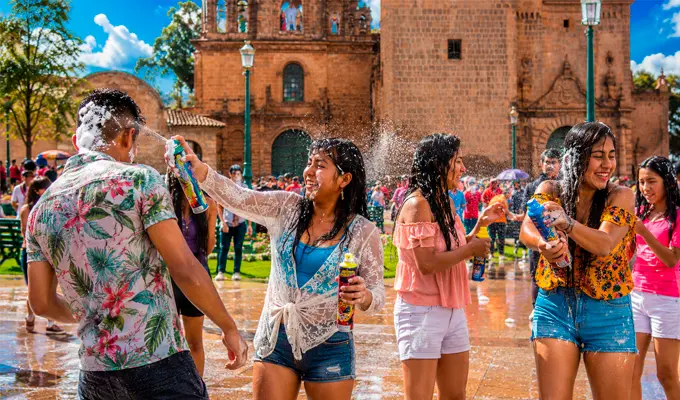
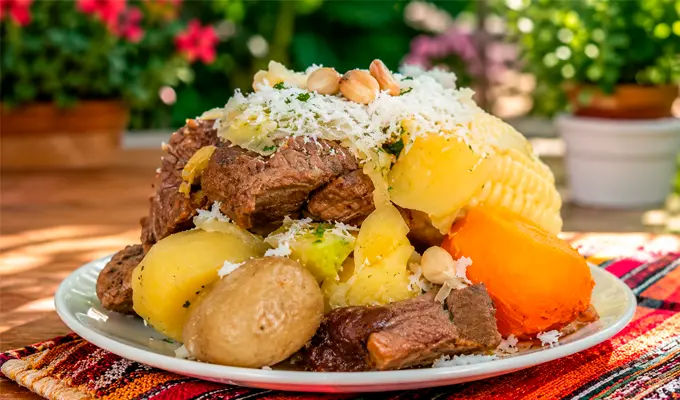
Gastronomy is another of the great attractions that turn a Carnival trip into a complete experience, with each region showcasing its best flavors to celebrate:
Trying the local cuisine not only helps you recharge your energy between parades, but also allows you to connect directly with the identity and culinary traditions of each community.
Traveling during Carnival is also the perfect opportunity to discover the historical, cultural, and natural richness of each region. You can make the most of your mornings or free days between celebrations to create a complete itinerary:
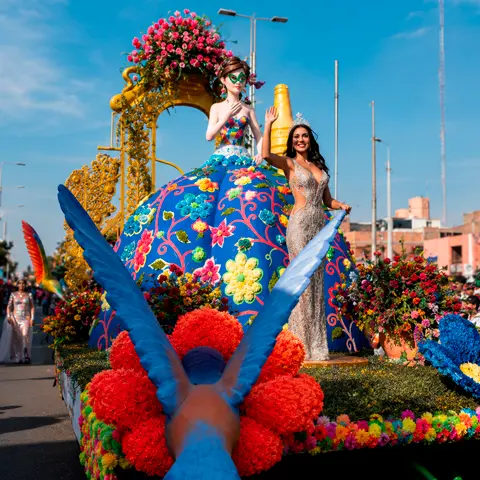
Every year, northern Peru comes alive with vibrant colors, music, and an atmosphere of celebration during the International Spring Festival, one of the country's most iconic, beautiful, and long-standing traditions. Featuring spectacular floral floats, colorful parades, the elegance of international baton twirlers, captivating marinera performances, and a diverse cultural program, the festival attracts thousands of visitors from Peru and around the world eager to experience this unforgettable celebration.
Rightfully known as the City of Eternal Spring, Trujillo transforms into the perfect destination during these festivities, where tradition, art, and local pride bloom in every corner of the city.
The festival takes place every year between September and early October, perfectly coinciding with the arrival of spring in the Southern Hemisphere.
For several weeks, Trujillo hosts an exciting calendar filled with cultural activities, sporting events, and artistic performances. The celebration builds up to its most anticipated attraction: the spectacular Grand Spring Parade, the festival's main event and grand finale.
| Fact | Information |
| Location | Trujillo, La Libertad Region |
| Season | September |
| First Edition | 1950 |
| Organizer | Lions Club of Trujillo |
| Main Event | Grand Spring Parade |
| Highlights | Floral floats, Marinera performances, baton twirlers, and Peruvian Paso Horses |
The history of this remarkable celebration began in 1950, when the Lions Club of Trujillo organized the first Spring Parade. The original goal was simple yet meaningful: to welcome the arrival of spring while promoting tourism and showcasing the city's beauty to the world.
The overwhelming success of the first edition allowed the festival to grow year after year, eventually becoming an internationally recognized celebration. Thanks to its cultural significance, Trujillo was officially declared the Capital of Spring by law in 1961, reinforcing the city's identity as one of Peru's leading cultural destinations.
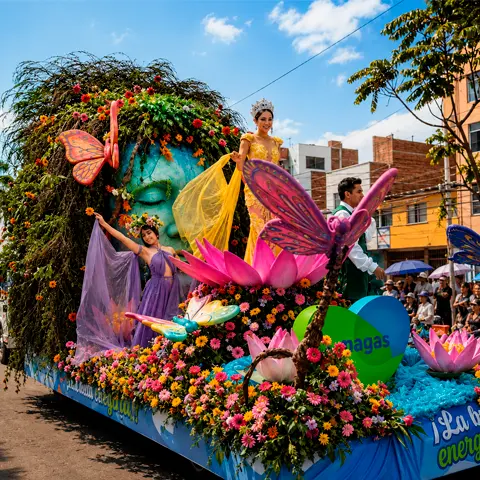
If you're planning your trip, here are the key dates to keep in mind:
If you're planning your visit, these are the must-see experiences that should be on your itinerary:
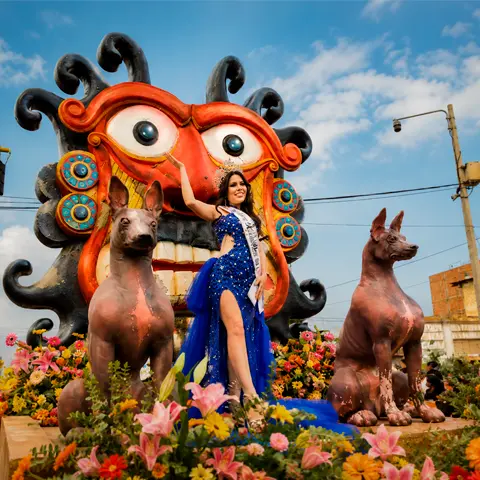
The spectacular Grand Spring Parade is undoubtedly the highlight of the festival and the most eagerly awaited event of the entire celebration.
During the parade, dozens of impressive floats, carefully decorated with thousands of natural flowers, travel along Trujillo's main avenues. The procession is accompanied by marching bands, folkloric groups, and the remarkable performances of traditional American and international baton twirlers, who travel from different countries to amaze spectators with their synchronized routines and acrobatic skills.
Every year, thousands of spectators from Peru and around the world gather along the parade route to experience this vibrant celebration, making it one of the country's most colorful, exciting, and unforgettable cultural events.
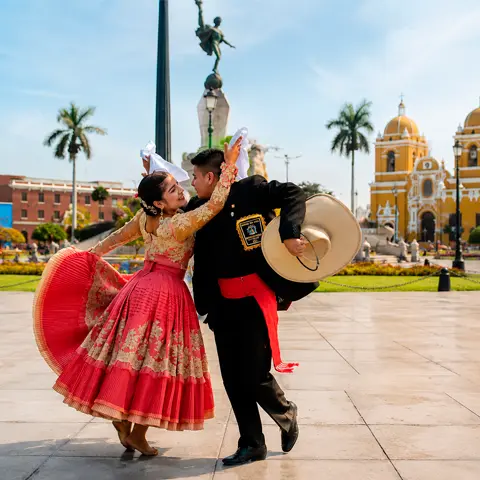
As the undisputed birthplace of the Marinera Norteña, Trujillo takes advantage of the festival to pay tribute to one of Peru's most elegant, passionate, and representative traditional dances.
The dance performances bring together talented dancers of all ages, who captivate audiences with their elegance, precision, and playful courtship that define Peru's national dance. At the same time, the magnificent Peruvian Paso Horses delight spectators with their naturally smooth gait as skilled horsemen recreate one of the most cherished traditions of the La Libertad region.
The Spring Festival is also the perfect opportunity to discover and celebrate Trujillo's renowned, award-winning cuisine.
Throughout the festival season, the city's finest restaurants and food fairs showcase the region's traditional flavors. Among the signature dishes you simply cannot miss are:
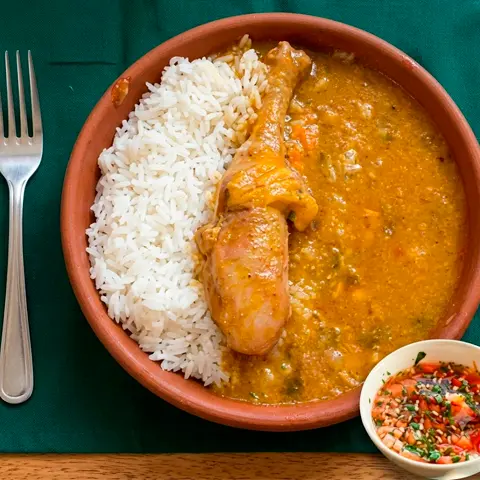
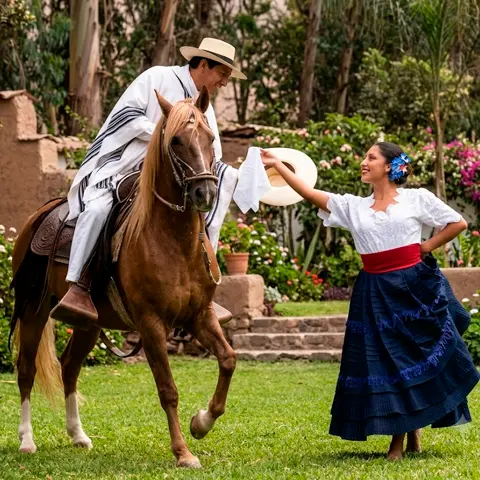
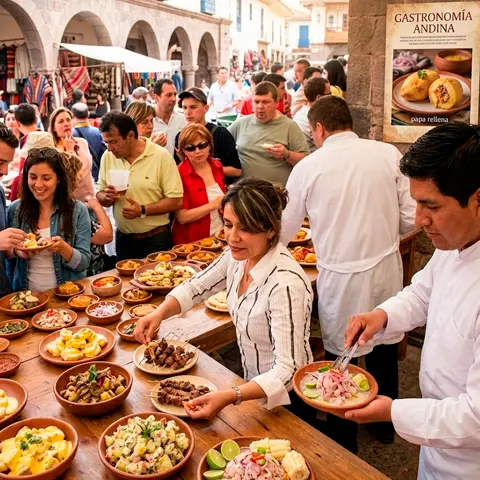
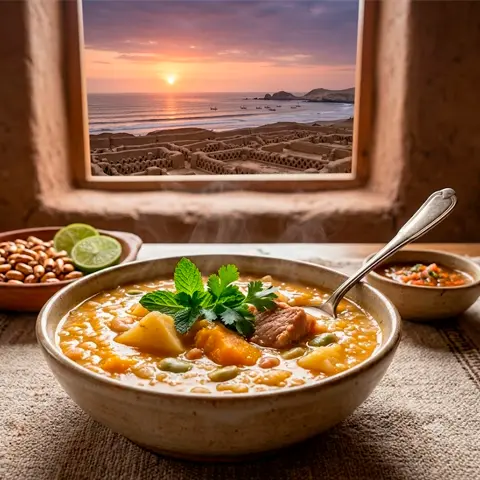
These fascinating destinations perfectly complement your experience at the International Spring Festival:
Each of these remarkable destinations allows visitors to discover ancient civilizations, admire colonial architecture, and enjoy the beautiful coastal landscapes that make this region one of northern Peru's greatest treasures.
The International Spring Festival is much more than a spectacular parade of flowers. It is a vibrant celebration that beautifully combines history, tradition, art, and the warm hospitality that defines one of northern Peru's most charming and culturally significant cities.
Every edition offers the perfect opportunity to experience Trujillo's rich cultural heritage, savor its outstanding cuisine, admire its artistic traditions, and explore the remarkable archaeological sites surrounding the city. Without a doubt, it is an unforgettable experience that every traveler whether from Peru or abroad should enjoy at least once in a lifetime.
The festival takes place in the beautiful city of Trujillo, the capital of the La Libertad region, internationally known as the City of Eternal Spring.
The festival is generally celebrated throughout September and during the first days of October, coinciding with the arrival of spring in the Southern Hemisphere.
The undisputed highlight of the festival is the Grand Spring Parade, a spectacular procession featuring elaborate flower-covered floats, talented American and international baton twirlers, marching bands, and colorful delegations from Peru and around the world.
The festival is organized each year by the Lions Club of Trujillo, the charitable organization that successfully launched the first edition in 1950.
The title reflects both Trujillo's pleasant, sunny climate throughout most of the year and its role as the proud host of this internationally renowned festival, which has become one of Peru's most important cultural and tourism events.
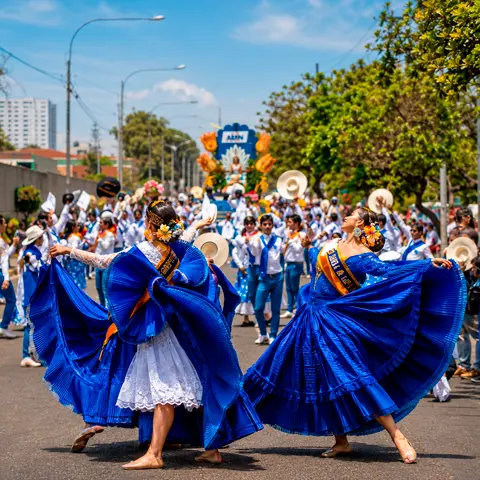
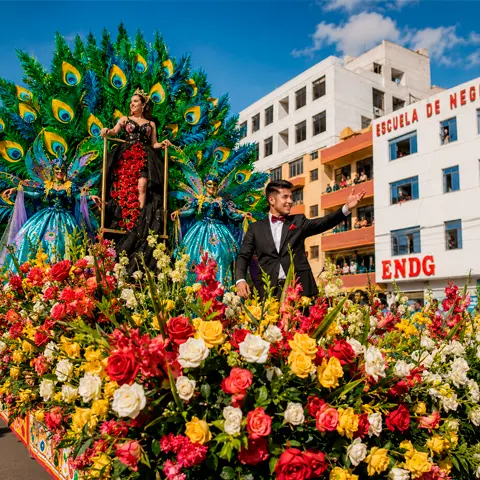
Peru’s Independence Day celebrations are, without a doubt, among the country's most important and eagerly anticipated events of the year. Every July 28 and 29, millions of Peruvians come together to commemorate the nation's independence through parades, official ceremonies, cultural fairs, and the cherished family gatherings that reflect our pride in Peru’s history, traditions, and remarkable cultural diversity.
More than just a long holiday, these dates provide the perfect opportunity to reconnect with our roots, strengthen our national identity, and celebrate the extraordinary cultural heritage found in every corner of Peru.
| Aspect | Information |
| Celebration Dates | Peru’s Independence Day celebrations take place every July 28 and 29 throughout the country. |
| Origin | They commemorate the Proclamation of Peru’s Independence, declared by José de San Martín on July 28, 1821. |
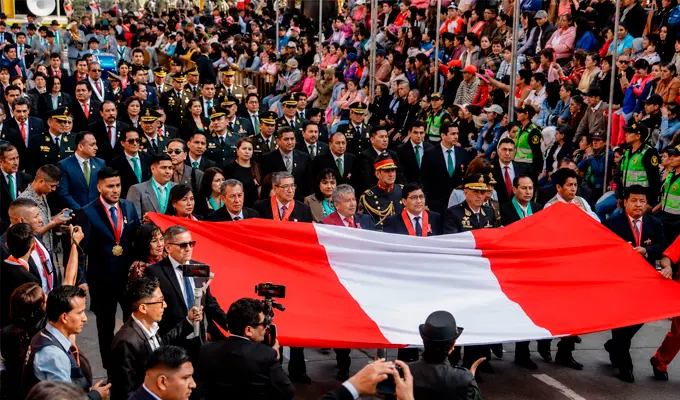
| Main Celebrations | On July 28, official ceremonies and the President’s Address to the Nation take place. On July 29, the traditional Grand Military Parade is the highlight of the festivities. |
| Traditions | Throughout July, Peru is decorated with flags and patriotic emblems while hosting school parades, food festivals, artisan fairs, and traditional dances. |
| Importance | These celebrations are among the country's most significant national holidays, strengthening national identity while promoting tourism and showcasing Peru’s rich cultural heritage. |
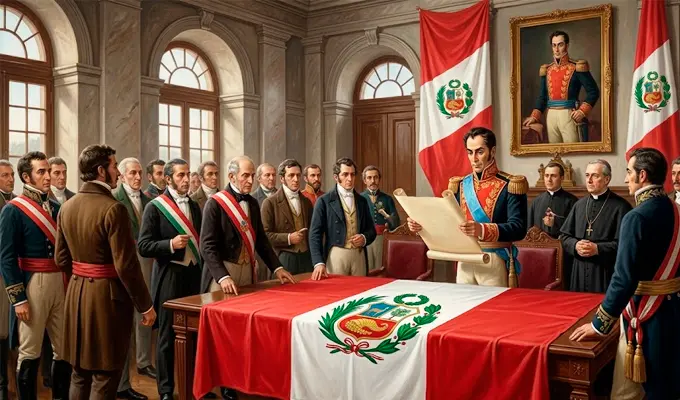
Peru’s Independence Day celebrations commemorate the historic moment when General José de San Martín proclaimed the Independence of Peru on July 28, 1821, in Lima’s Main Square (Plaza Mayor). This landmark event forever changed the country's course, marking the beginning of a free and sovereign Peru, ending Spanish colonial rule, and paving the way for the birth of the Republic we know today.
July 28 is the main day of the national celebrations. The day begins with the traditional flag-raising ceremony and the President’s Address to the Nation, accompanied by numerous civic events held in public squares across the country.
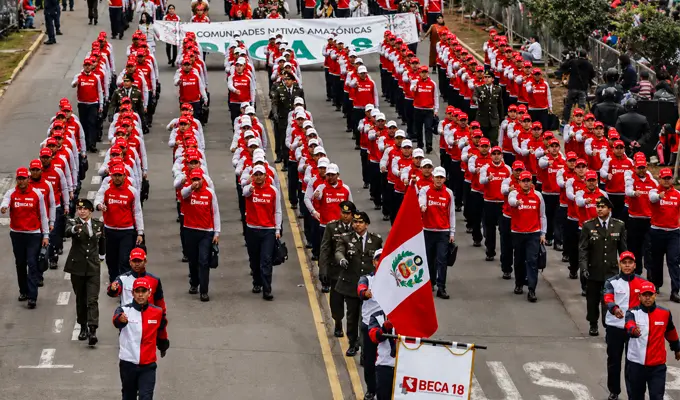
On July 29, the spotlight turns to the Peruvian Armed Forces and National Police. Streets are closed for the traditional Grand Military Parade, one of the most anticipated, emotional, and iconic events of Peru’s Independence Day celebrations.
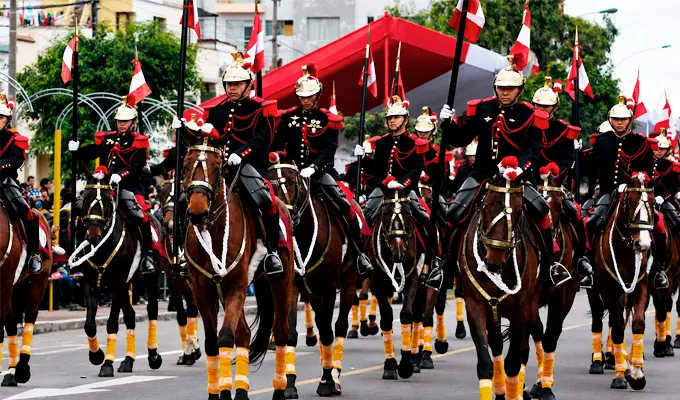
Throughout the month of July, Peru’s cities and towns are transformed as they are decorated in red and white with flags and patriotic cockades on every corner. The calendar also comes alive with school parades, food festivals, concerts, artisan fairs, and colorful traditional dances that showcase the rich cultural heritage of every region.
Many families also make the most of the long holiday by packing their bags and exploring incredible destinations such as Cusco, Arequipa, Puno, the Peruvian Amazon, and the northern beaches. This makes the Independence Day holiday one of the busiest, happiest, and most popular travel seasons of the year.
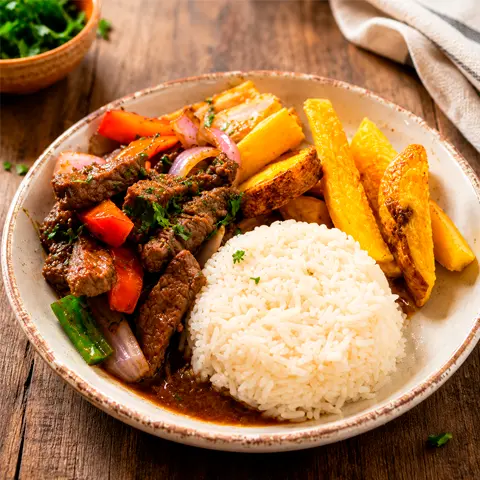
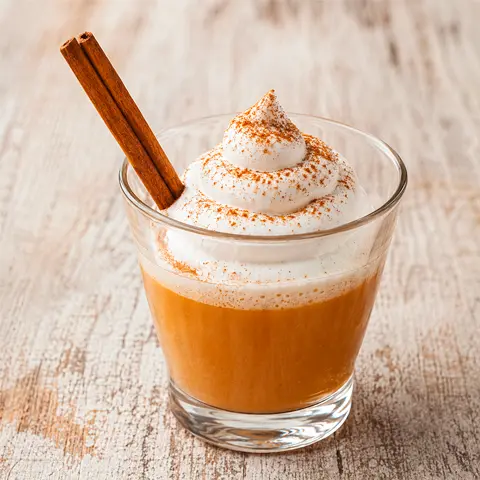
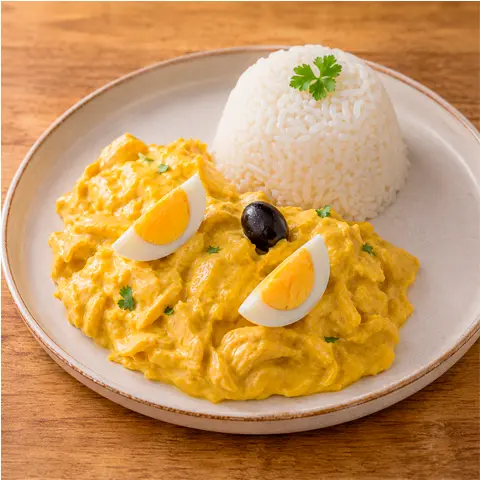
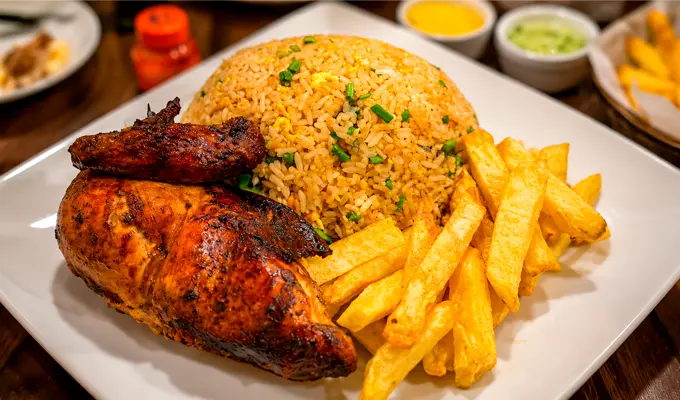
Peru’s Independence Day is also the perfect opportunity to experience the country's world-renowned cuisine. During these celebrations, families and visitors gather to enjoy some of Peru’s most iconic dishes, including ceviche, lomo saltado, ají de gallina, anticuchos, arroz con pollo, pachamanca, cuy chactado from the Andes, and the famous pollo a la brasa (Peruvian rotisserie chicken), one of the nation's favorite dishes for family celebrations. Traditional desserts such as picarones, suspiro a la limeña, and Turrón de Doña Pepa are also an essential part of the festive table.
In Lima, visitors can enjoy an outstanding culinary scene in renowned restaurants, local markets, and food fairs. Districts such as Miraflores, Barranco, San Isidro, Pueblo Libre, and the Historic Center of Lima are among the most popular destinations during the holiday, combining exceptional gastronomy with museums, cultural attractions, historic landmarks, and family-friendly activities.
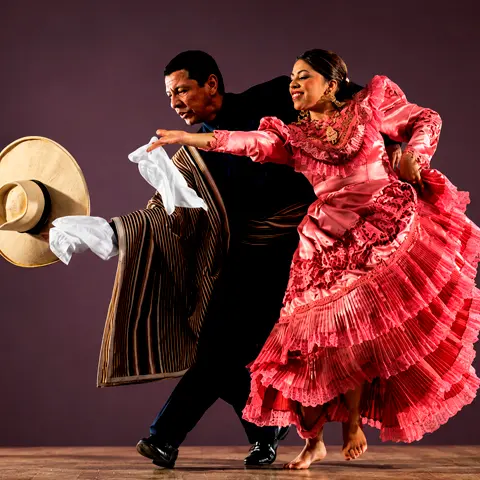
Music and traditional dances also play a central role in Peru’s Independence Day celebrations. Public squares, parks, and cultural venues host folkloric performances featuring dances such as the Marinera, Huayno, Festejo, Huaylas, the Scissors Dance (Danza de Tijeras), and many other cultural expressions from Peru’s coast, highlands, and Amazon region. These performances allow visitors to experience the country's incredible diversity while enjoying an authentic celebration of Peru’s cultural identity and heritage.
Peru’s Independence Day celebrations are much more than a historical commemoration. They represent the pride of belonging to a country blessed with extraordinary cultural, culinary, and natural wealth. It is the perfect opportunity to honor our traditions, spend quality time with family, and pay tribute to the history that gave birth to the free Peru we know today.
If you visit Peru in July, you will experience an incredible atmosphere filled with patriotism, music, outstanding cuisine, and unique cultural traditions. From official ceremonies in the capital to festive celebrations across every region, Peru’s Independence Day offers the perfect opportunity to immerse yourself in local traditions and enjoy an authentic experience that truly reflects the essence of Peru.
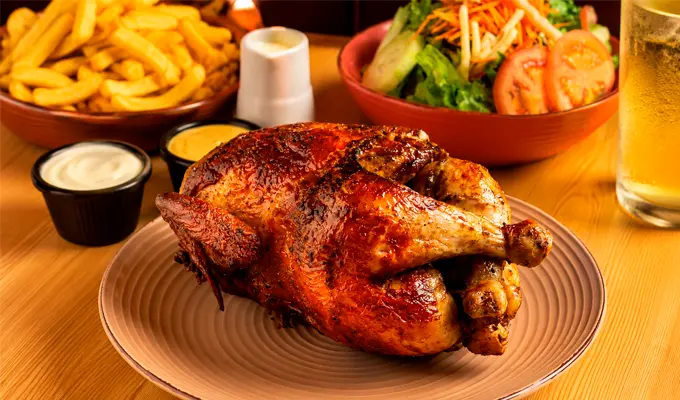
Talking about Peruvian Rotisserie Chicken (Pollo a la Brasa) means talking about one of Peru’s greatest culinary treasures. Its unmistakable aroma, perfectly golden and crispy skin, signature blend of spices, and the classic pairing of French fries and fresh salad have made it the favorite dish of millions of Peruvians. Its popularity is so remarkable that it has its own special day on the national calendar: Peruvian Rotisserie Chicken Day, a celebration that honors its cultural significance, its contribution to the country's economy, and, above all, its cherished place at the Peruvian table.
Peruvian Rotisserie Chicken Day is celebrated on the third Sunday of July throughout Peru. This commemorative date was established by the Peruvian government to pay tribute to one of the country's most iconic dishes while encouraging the consumption of local products. On this festive occasion, thousands of pollerías (rotisserie chicken restaurants) welcome families with special promotions, culinary events, and celebrations that bring people together to enjoy one of Peru's greatest gastronomic symbols.
The story of Peruvian Rotisserie Chicken (Pollo a la Brasa) began in the 1950s, when Swiss immigrant Roger Schuler introduced an innovative way of roasting whole chickens by slowly turning them over charcoal embers. Together with engineer Franz Ulrich, he perfected the rotating oven that is now synonymous with this beloved dish, producing chicken with exceptionally juicy meat and irresistibly crispy skin.
Over the years, the original recipe evolved by incorporating distinctly Peruvian ingredients such as ají panca, garlic, soy sauce (sillao), cumin, and a carefully selected blend of spices. These flavors gave Pollo a la Brasa its unmistakable taste, making it one of Peru's most celebrated dishes and earning international recognition.
| Aspect | Key Information |
| National Celebration | Peruvian Rotisserie Chicken Day is celebrated on the third Sunday of July throughout Peru to honor one of the country's most iconic dishes. |
| Origin and History | It originated in the 1950s, when Roger Schuler and Franz Ulrich developed the rotating oven that revolutionized the preparation of Pollo a la Brasa. |
| Signature Flavor | Its distinctive taste comes from a marinade made with ají panca, garlic, soy sauce, cumin, and other spices, combined with slow roasting that creates juicy meat and crispy skin. |
| Symbol of Peruvian Cuisine | It is one of Peru's most popular dishes and was declared National Cultural Heritage in 2010, recognizing its cultural and economic importance. |
| Importance of the Celebration | This day honors the work of farmers, poultry producers, chefs, and entrepreneurs while promoting the consumption of Peruvian products and strengthening the country's gastronomic identity. |
The true success of Peruvian Rotisserie Chicken (Pollo a la Brasa) lies in its perfect combination of tradition, expert technique, and high-quality ingredients. It all begins with a marinade that rests for several hours, allowing the spices to fully penetrate the meat before it is slowly roasted over charcoal or in the iconic rotisserie ovens that have become synonymous with this beloved dish.
Of course, the experience would not be complete without its classic accompaniments: crispy golden French fries, a fresh salad, and the traditional selection of sauces, where ají sauce, mayonnaise, and spicy rocoto sauce take center stage.
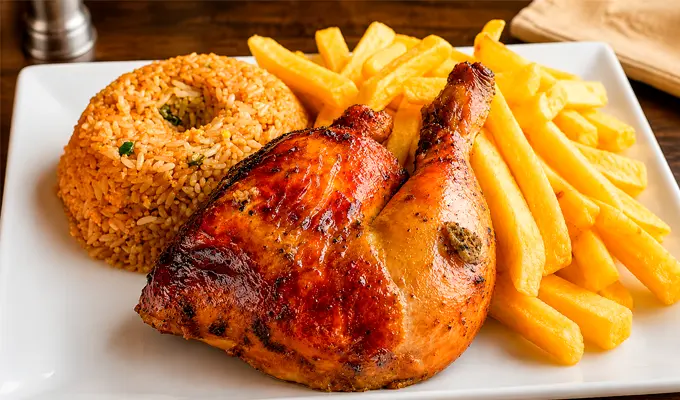
More than just a meal, Peruvian Rotisserie Chicken has become a cherished family tradition. It is the centerpiece of family gatherings, birthdays, celebrations, and weekend meals, making it one of the most beloved and widely enjoyed dishes throughout Peru.
Its cultural impact is so significant that in 2010, it was officially declared National Cultural Heritage of Peru. This recognition highlights not only its importance to Peru's national identity but also its major contribution to the country's economy, supporting thousands of farmers, producers, restaurants, and entrepreneurs.
Peruvian Rotisserie Chicken Day is the perfect opportunity to recognize the dedication of the thousands of poultry farmers, agricultural producers, chefs, and entrepreneurs who make this iconic dish possible. It also encourages the consumption of local products while preserving a culinary tradition that has won the hearts of both Peruvians and international visitors.
Every year, this celebration reminds us that Pollo a la Brasa is far more than just a recipe—it is a true symbol of unity, national identity, and Peruvian pride, bringing people together around one of the country's greatest culinary traditions.
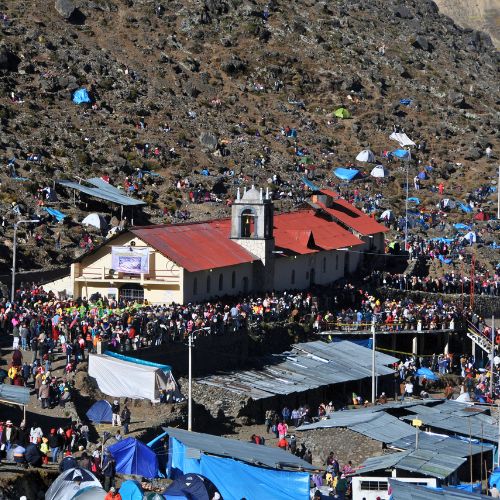
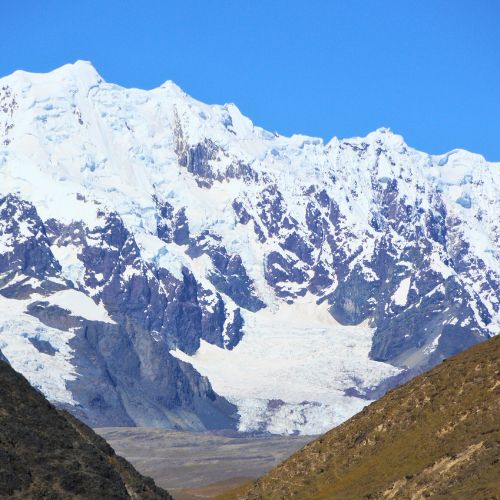
La Festividad del Señor de Qoyllur Rit’i (en quechua: “Estrella de Nieve”) es una de las celebraciones religiosas más importantes del Cusco, reconocida por su mezcla de espiritualidad católica y cosmovisión andina. Se realiza anualmente en el distrito de Ocongate, provincia de Quispicanchi, en la región de Cusco, a más de 4,600 m s.n.m., al pie del nevado Sinakara.
Esta peregrinación se realiza 40 días después del Domingo de Resurrección, generalmente a fines de mayo o principios de junio, coincidiendo con la festividad del Corpus Christi.
Más de 60,000 peregrinos acuden cada año desde diversas regiones del país y del extranjero, muchos caminando durante días, para llegar al santuario del Señor de Qoyllur Rit’i.
Para esta peregrinación se hacen presente 8 “naciones” que son: Paucartambo, Quispicanchi, Canchis, Acomayo, Paruro, Tawantinsuyo, Anta, Urubamba. Estas representan las distintas comunidades y provincias de la región cusqueña que participen en la peregrinación.
En 2011, la UNESCO declaró esta celebración como Patrimonio Cultural Inmaterial de la Humanidad, por su riqueza simbólica, su profundidad espiritual y su papel en la preservación de las tradiciones andinas.
Se realiza entre fines de mayo y principios de junio, 40 días después del Domingo de Resurrección, coincidiendo con el Corpus Christi. La celebración dura cerca de una semana, aunque muchos peregrinos llegan antes para aclimatarse o preparar danzas y ofrendas. Los peregrinos se organizan en “naciones”: delegaciones según su procedencia.
Estas naciones son: Paucartambo, Quispicanchi, Canchis, Acomayo, Paruro, Tawantinsuyo, Anta, Urubamba, cada nación tiene danzarines, músicos, y “alferados”.
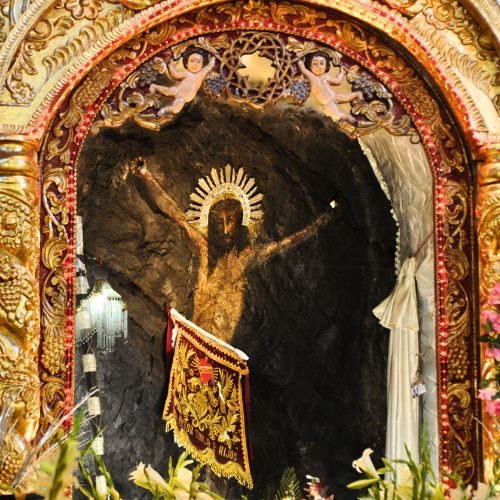
Qoyllority ( o Qoyllor Riti) en quechua significa “estrella de nieve” o “nieve brillante”.
El nombre se refiere a la imagen de Cristo en la roca, que se ve resplandeciente sobre la nieve. Para los peregrinos, la imagen de Cristo en la nieve representa una conexión entre lo celestial y lo terrenal, así como la fuerza y la protección de la montaña.
Según la tradición oral, un joven pastor indígena llamado Mariano Mayta se encontraba cuidando su ganado cerca del nevado. Un día conoció a un niño misterioso, vestido elegantemente, llamado Manuel, quien le ofrecía comida, compartía juegos y conocimientos. Mariano se sintió reconfortado por su compañía y lo consideró su amigo celestial.
Un sacerdote del pueblo, intrigado por las historias de Mariano, fue a buscar al niño Manuel. Al llegar al lugar, encontró que el niño había desaparecido, y en su lugar, sobre una gran roca, había quedado impresa la imagen de Cristo crucificado, grabada milagrosamente en la piedra. Se dice que Mariano murió poco después, al enterarse de que su amigo no era humano, sino una manifestación divina.
La roca con la imagen de Cristo se convirtió desde entonces en un lugar sagrado. Sobre ella se construyó el actual Santuario del Señor de Qoyllur Rit’i, que aún hoy es venerado por miles de fieles.
A lo largo de los siglos, el culto al Señor de Qoyllur Rit’i se ha consolidado como una de las más profundas expresiones de sincretismo religioso en los Andes. Para los pueblos quechuas, la imagen representa no solo a Cristo, sino también al Apu protector, al espíritu de la montaña, y a la conexión entre el hombre y la naturaleza.
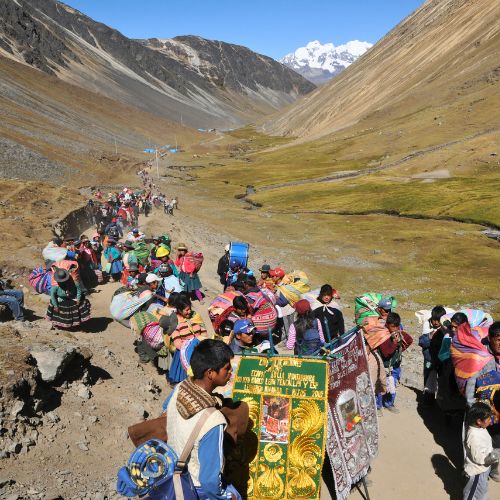
Miles de peregrinos, provenientes de distintas regiones del país, caminan hacia el santuario del Señor de Qoyllur Rit’i, ubicado en las faldas del nevado Sinakara, en el distrito de Ocongate, provincia de Quispicanchi, Cusco, a más de 4,600 metros sobre el nivel del mar.
La peregrinación comienza en el poblado de Mahuayani, desde donde se recorren a pie aproximadamente 8 kilómetros por caminos de montaña. Durante la caminata, los peregrinos elevan oraciones, cantos y ofrendas, mientras avanzan en grupo junto a sus respectivas “naciones” o comunidades. La ruta es exigente por la altitud y el clima frío, pero representa una muestra de resistencia y devoción.
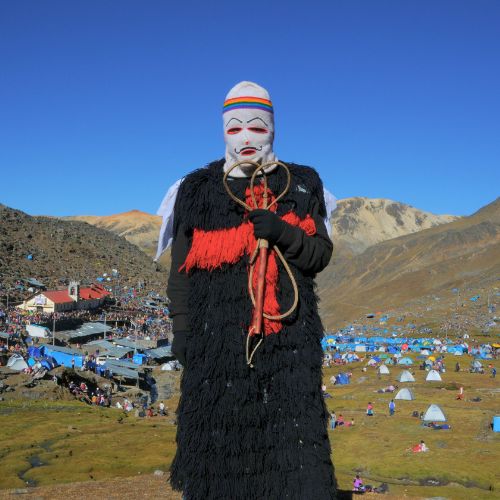
Esta celebración es una mezcla de religiosidad católica e identidad andina. El Señor de Qoyllur Rit’i representa tanto al Cristo crucificado como a los apus o espíritus de las montañas, lo que convierte a la peregrinación en un acto de fe y también de conexión con la naturaleza. Uno de los momentos más simbólicos es la participación de los ukukus, personajes míticos con trajes oscuros y máscaras, quienes suben al nevado en la madrugada para recoger hielo sagrado, considerado purificador por las comunidades.
La peregrinación al Señor de Qoyllur Rit’i no solo es un acto religioso, sino también una afirmación de identidad cultural, un encuentro comunitario y un testimonio vivo del sincretismo andino. En 2011 fue reconocida por la UNESCO como Patrimonio Cultural Inmaterial de la Humanidad por su profundo valor espiritual y su importancia en la preservación de las tradiciones andinas.
La festividad del Señor de Qoyllority se da a cabo al pie del monte Colquepunco en el nevado de Ausangate, distrito de Ocongate, provincia Quispicanchi.
La peregrinación empieza desde la comunidad de Mahuayani hacia el santuario donde se encuentra la piedra con la imagen de Jesús Crucificado, la Capilla de la Virgen de Fátima, Unupata que es el agua sagrada, las apachetas, y Pukllanapata que es el área de juego sagrado.
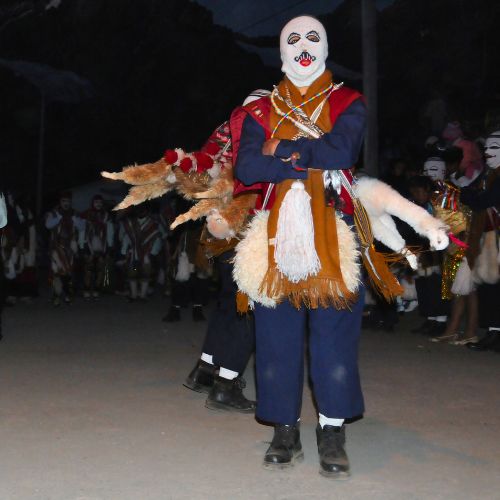
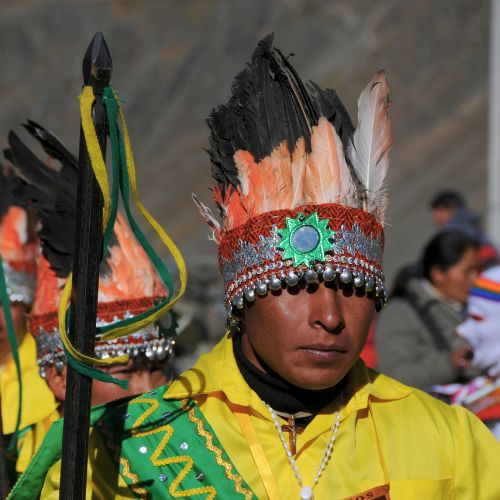
Durante la peregrinación al Señor de Qoyllur Rit’i, las danzas ocupan un lugar central. No son solo actos artísticos o festivos: son formas de comunicación con lo divino, y símbolos de identidad cultural de cada “nación” o delegación que participa en esta celebración. Cada danza tiene su propio significado, vestimenta, música y función ritual, y se presenta con profundo respeto y compromiso.
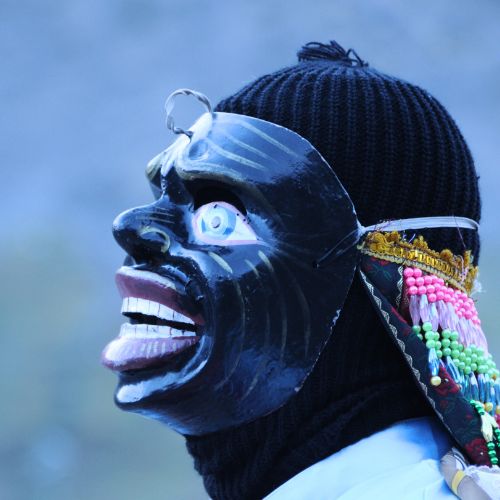
Each region has its own way of celebrating Holy Week, mixing religious traditions with festivals full of color, music, and food; from the departments of Ayacucho, Cusco, Puno, Arequipa, etc. These regions have a unique way of holding processions of different saints, accompanied by a crowd of pilgrims.
Ayacucho stands out during Holy Week in Peru, with celebrations that combine religious fervor and deep cultural traditions.
Ayacucho is known for its emotional Holy Week, with festivities starting on Palm Sunday and continuing with daily processions, featuring flower carpets and religious chants; on Good Friday, the "Steps" procession is a key event, with thousands of devotees walking through the city streets.
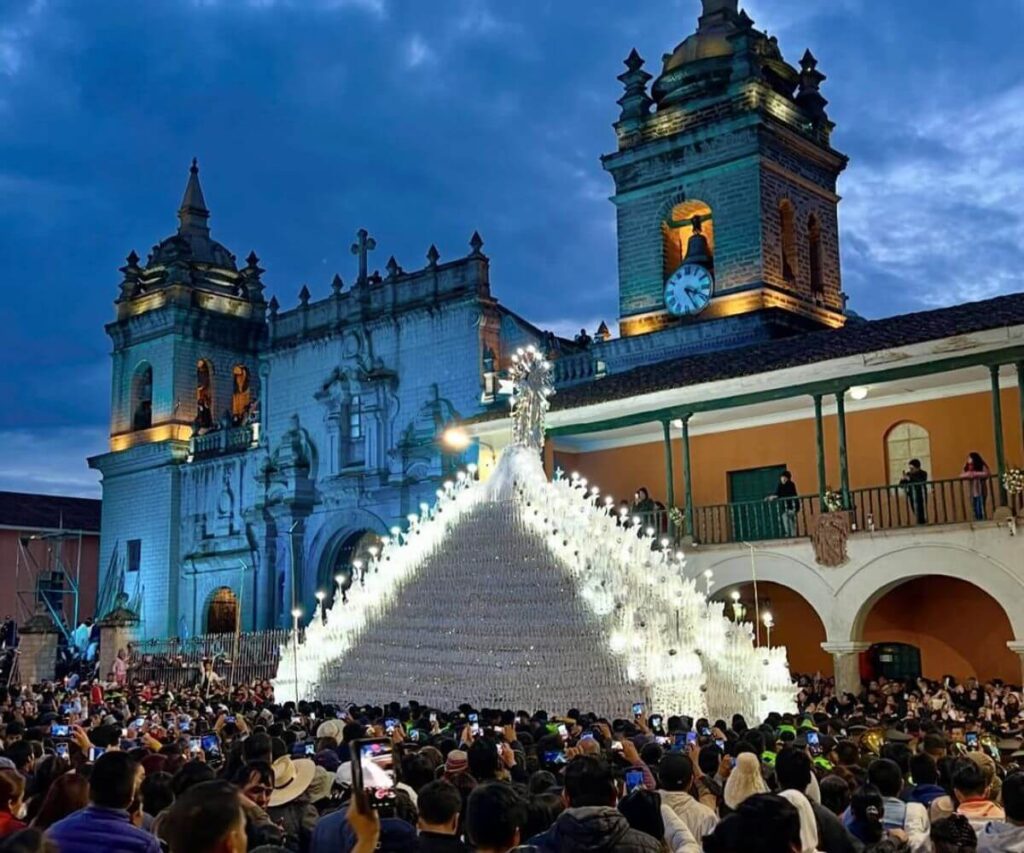
During Holy Week in Ayacucho, you can explore the markets where you will find altars and local textiles, and you can also visit artisan workshops to see traditional art and take home a unique souvenir from the city.
Getting to Ayacucho is easy, with direct flights from Lima that take about an hour; there are also buses, which are a more economical option but take around 10 hours. Once in the city, you can explore on foot or by car.
Cusco offers a unique experience during Holy Week, where religious traditions blend with Inca heritage and the beauty of the Andes.
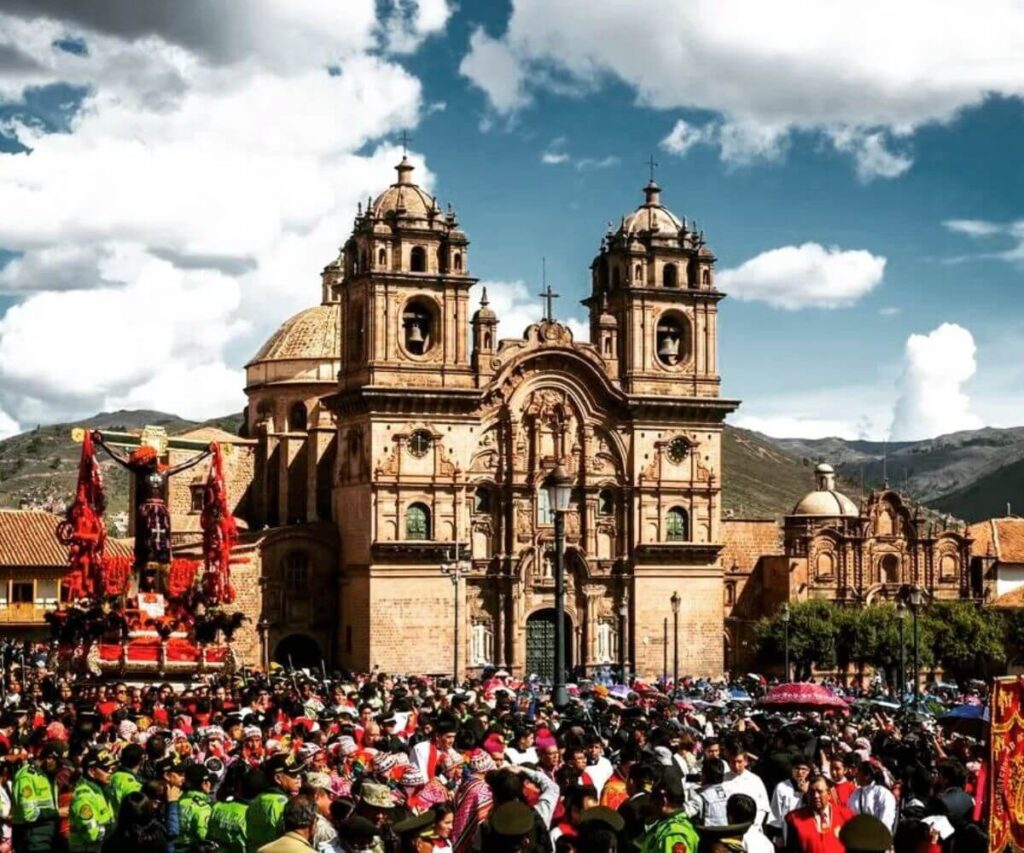
In Cusco, Holy Week blends Catholic and indigenous traditions, with the main event being the procession of the "Lord of the Earthquakes", where an image of Christ is paraded, believed to protect against earthquakes and adorned with red ñucchu flowers, symbolizing His blood.
During this week, it's recommended to visit archaeological sites and enjoy the local cuisine. Markets offer typical dishes and sweets such as maicillos, suspiros, and condesas.
Cusco has daily flights from Lima and other major cities in Peru, making access to the city easy; you can also travel by bus from nearby locations, although the roads are often winding.
Cajamarca offers a vibrant Holy Week, full of unique traditions and festivities; its celebrations combine the faith of the locals.
In Cajamarca, Holy Week is celebrated with the creation of flower carpets for the procession of the Holy Sepulcher. The locals experience these dates with great devotion, accompanied by traditional music and dances.
Explore the town and its surroundings, where you can learn about pre-Inca fortresses and enjoy thermal baths. Also, don't forget to try manjar blanco, a popular traditional dessert.
You can reach Cajamarca by air from Lima or by road, although the road trip is quite long but offers stunning landscapes.
Known as the White City, Arequipa offers a Holy Week full of religious fervor and architectural beauty.
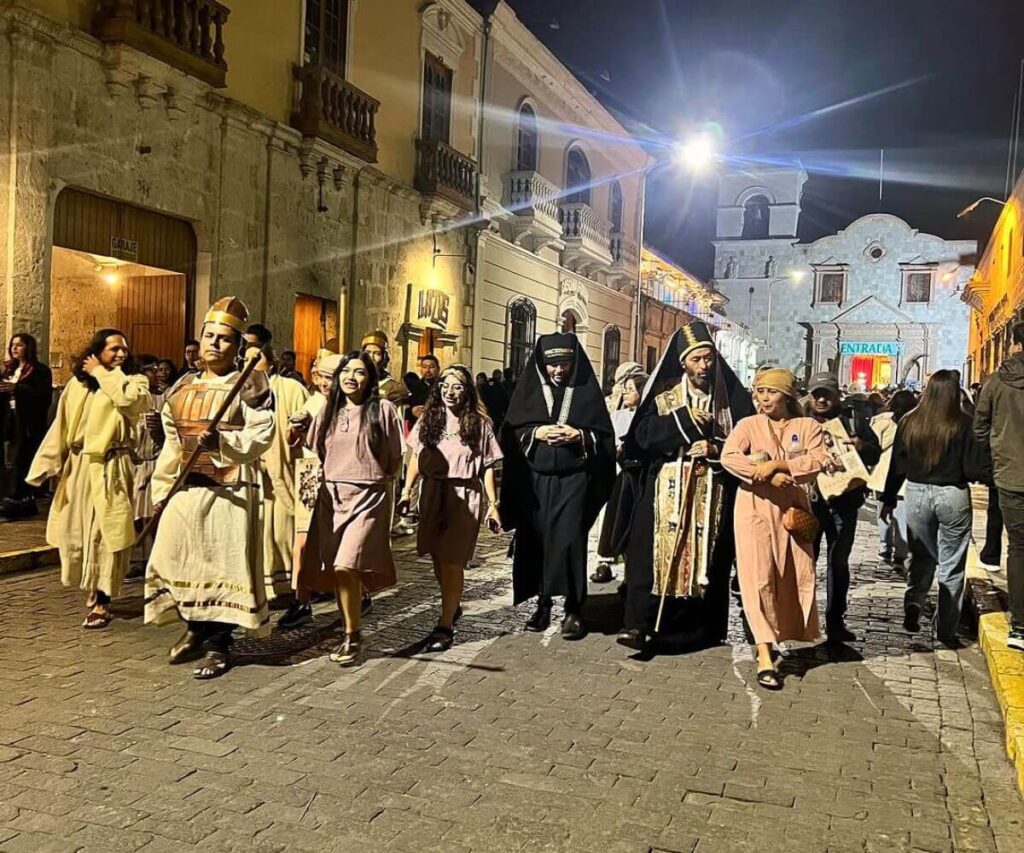
Arequipa celebrates Holy Week with great fervor, highlighting vigils and masses in its cathedrals. The Good Friday procession takes place in the Misti and Chachani volcanoes, offering a very unique setting and a moving experience.
Tour the historic convents and enjoy its colonial architecture, and don't miss its delicious cuisine, such as rocoto relleno and ocopa arequipeña.
Arequipa has good air and land connections. Its airport receives direct flights from Lima and other major cities in the country.
The capital of Peru offers a week full of religious traditions and cultural activities. During this time, the city is filled with processions, liturgical events, and festivals that stand out.
Lima experiences an urban Holy Week but full of spirituality. The historical churches in the city center, such as the Lima Cathedral and San Francisco, are the main venues for the celebrations.
During your visit, don't forget to explore Lima's museums and galleries, and enjoy the gastronomy on the restaurant or bar tours in Miraflores and Barranco.
Lima is the main connection point in Peru, with national and international flights and an extensive network of intercity buses.
In the Peruvian highlands, Puno is a unique destination to experience the region's spirituality. During Holy Week, its celebrations blend indigenous and Catholic traditions.
In Puno, Holy Week merges Andean traditions with Catholic ones, with a procession through the cobbled streets and Lake Titicaca in the background—an unmatched view.
Visit the Uros Floating Islands to experience the highland culture, and enjoy the traditional music and dances that are an essential part of the celebration.
Puno is easily accessible by plane or bus, but many prefer to take the train from Cusco, offering a scenic journey filled with breathtaking landscapes along the way.
Holy Week in Huancayo, located in the Mantaro Valley, is a unique experience that combines religious traditions with local customs.
Huancayo is known for its living processions, which represent scenes from the Passion of Christ, with active participation from the community. These celebrations make Holy Week a local and unique representation.
Visit the local markets to enjoy fresh products and unique handicrafts, and don't miss the chance to try Huancayo's typical dishes, like papa a la huancaína, a regional delicacy.
Don't extend your trip to Peru any longer! Contact us at +51 944 714 563 or via email at info@illapa.com. We will assist you with your bookings, tickets, stay, and more. Remember, we are Illapa Culturas Andinas.
The Feast of the Virgin of Candelaria is one of the most ostentatious and colorful religious celebrations in Peru, and one of the most important in the Americas, attracting a large number of musicians, dancers, and spectators.
The word 'Candelaria' comes from 'candelabra' or 'candle,' which refers to the light that guides the way. The Virgin holds a lit candle in her right hand, along with a basket containing two turtledoves, symbolizing the purification of motherhood after 40 days of childbirth, as per Jewish tradition.
The story goes that in 1392, on the island of Tenerife in Spain, the Virgin appeared on a rock to some shepherds. She held two doves in one hand, a child in the other, and a candle, leading to her depiction in wood that was later venerated by the Spanish.
This festival is so significant that it was declared a National Cultural Heritage in 2003 and holds the title of Intangible Cultural Heritage by UNESCO since 2014.
This festival represents the country's vast cultural diversity. Through its music, dances, varied costumes, and cuisine, it showcases the deep devotion and gratitude to the Virgin.
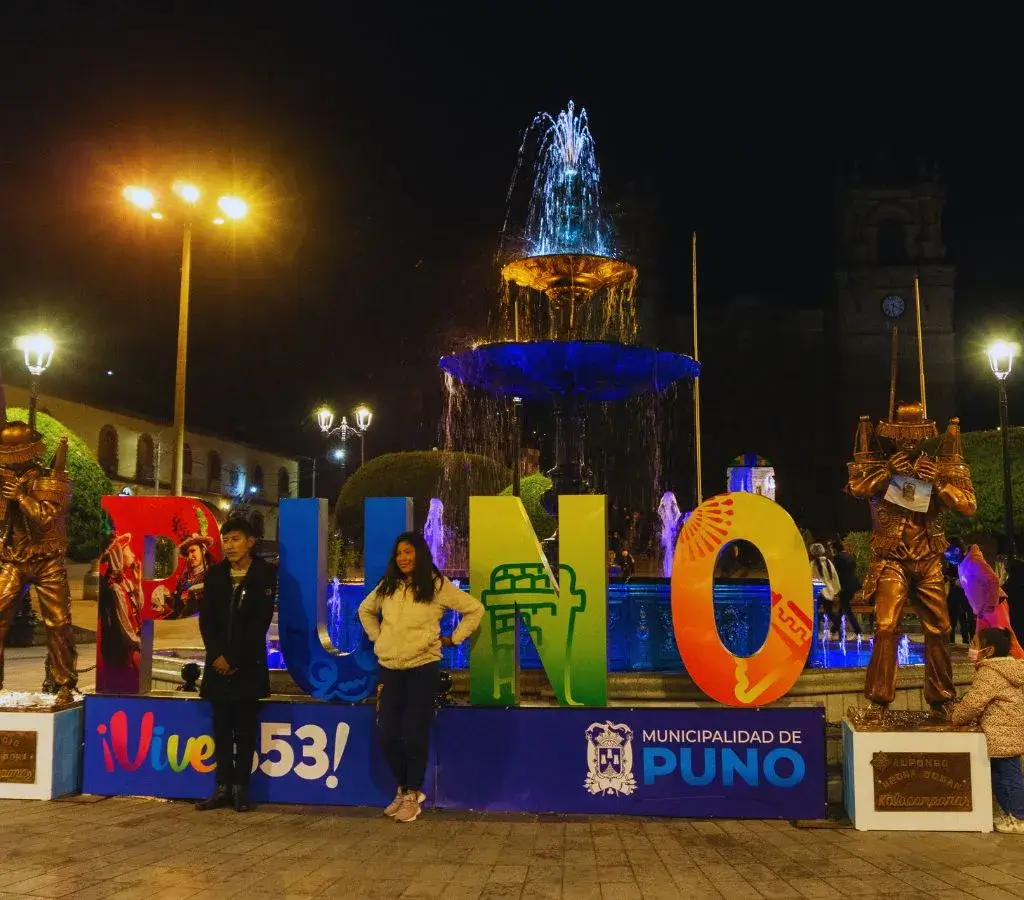
The origins of the Virgin of Candelaria date back to 1392 on the Spanish island of Tenerife in the Atlantic Ocean. It was a mandatory stop for Spanish voyages to the Americas, which is why the image became ingrained in colonial territories.
The devotion in Puno, Peru, began in 1781 when the region was under siege by Túpac Katari's forces. The locals, fearing what might happen, paraded the Virgin with Sikuris (panpipe players). The procession was so massive and noisy that it caused confusion and fear among the invaders, leading them to retreat.
There are three versions of what happened: the first says the invaders mistook the procession for an army; the second claims the occupiers believed the crowd consisted of mounted soldiers; the third suggests they retreated out of respect for the Virgin. All three versions attribute the miracle to the Virgin, who was named their patron saint.
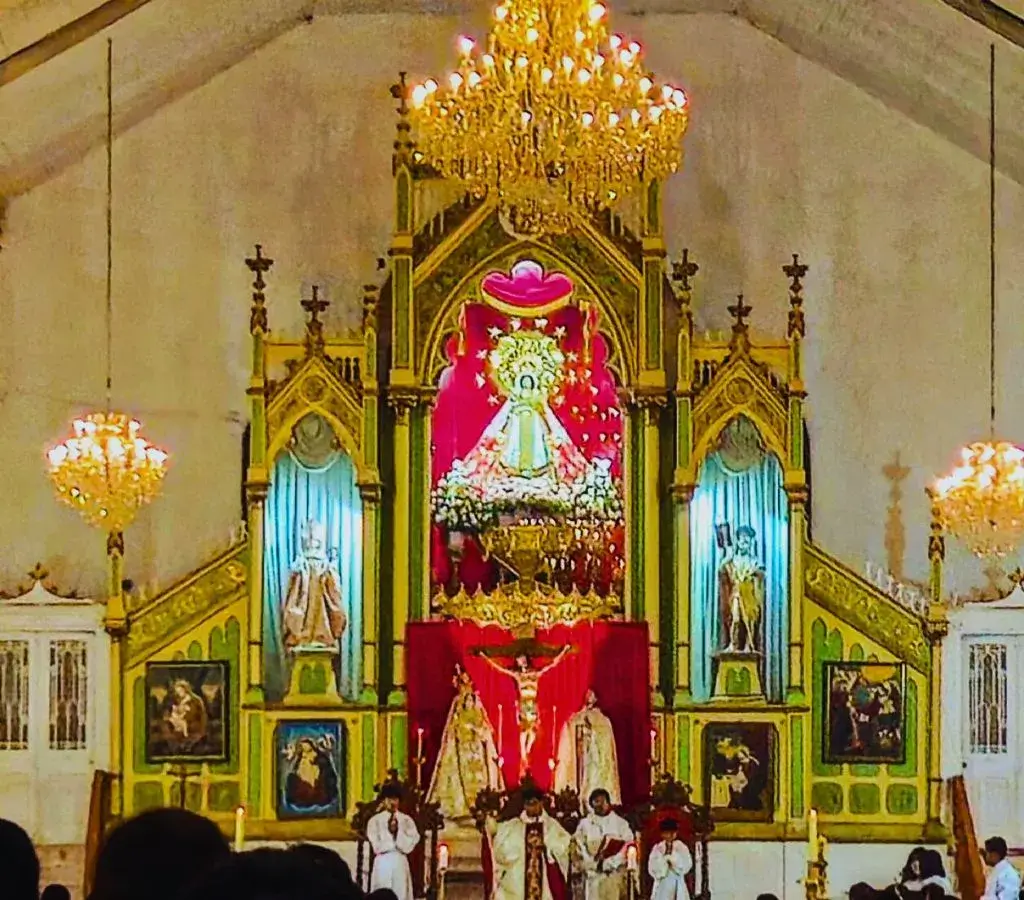
The foundation of the Village of Our Lady of Conception and Saint Charles dates back to September 9, 1668, when the residents were ordered to relocate to a village after the order to destroy the town of San Luis.
The village was named the Village of Our Lady of Conception and Saint Charles due to the devotion of the Viceroy Conde de Lemos, and the village was consecrated by Saint Charles Borromeo.
This is why Puno has roots with San Juan, while the village is dedicated to Our Lady of Conception and Saint Charles.
The Sanctuary of the Virgin of Candelaria is located in the Temple of San Juan. In 1988, Monsignor Jesus Mateo designated it as a sanctuary where the Virgin is celebrated and venerated every year.
The festival begins on January 28 and runs through February 18, with the central day being February 2, when a mass, procession, and competition of native dances like ayarachis and wifalas are held at the Torres Belón stadium. The competition of light costumes, such as the diablada, morenada, and caporales, takes place eight days later, along with a mass and a procession of the Virgin.
During the Feast of the Virgin of Candelaria, it's customary to eat, drink, and decorate everything in sight. No expense is spared, as according to tradition, this symbolizes giving and receiving, with everything serving as an offering in gratitude for the Virgin's miracles.
The dances presented throughout the festival weeks are divided into two types: native dances and light dances.
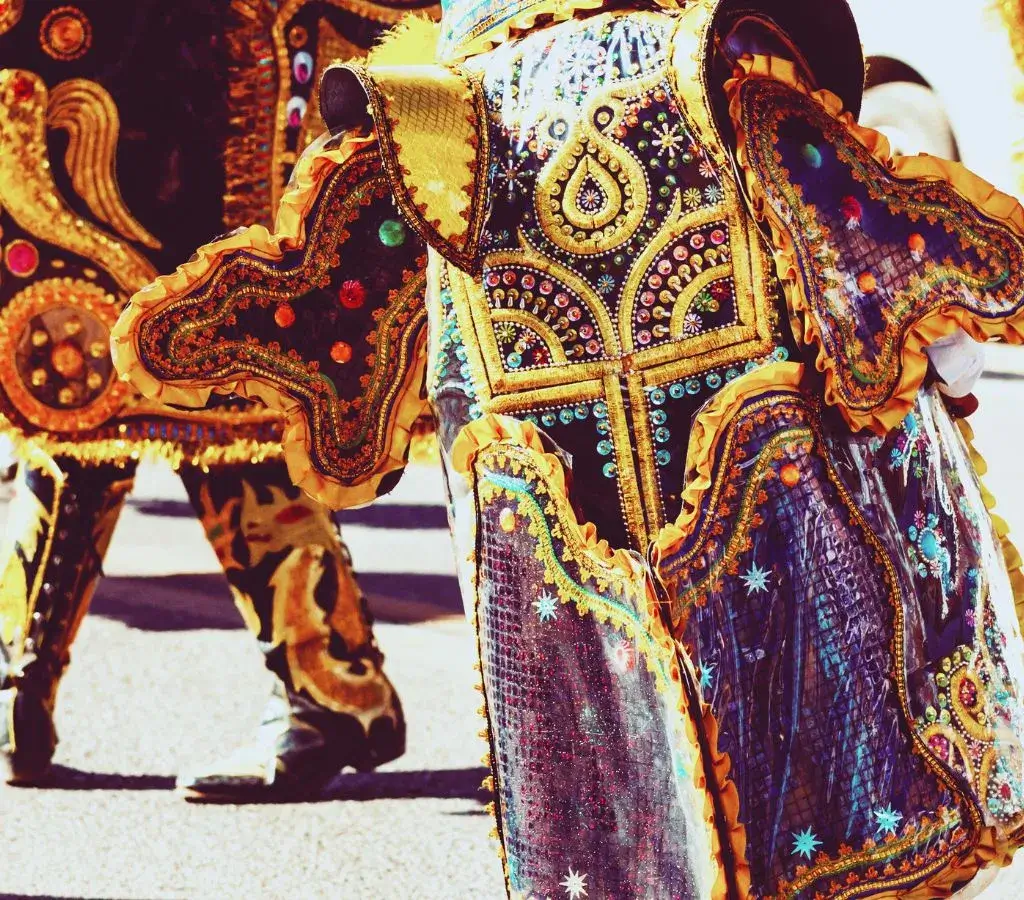
These dances are characterized by their traditional nature, without changes in costumes, instruments, or materials used. Here are some examples:
These are called mestizo dances, allowing variations and innovations in costumes, choreography, and music. That's why these dances are not repetitive.
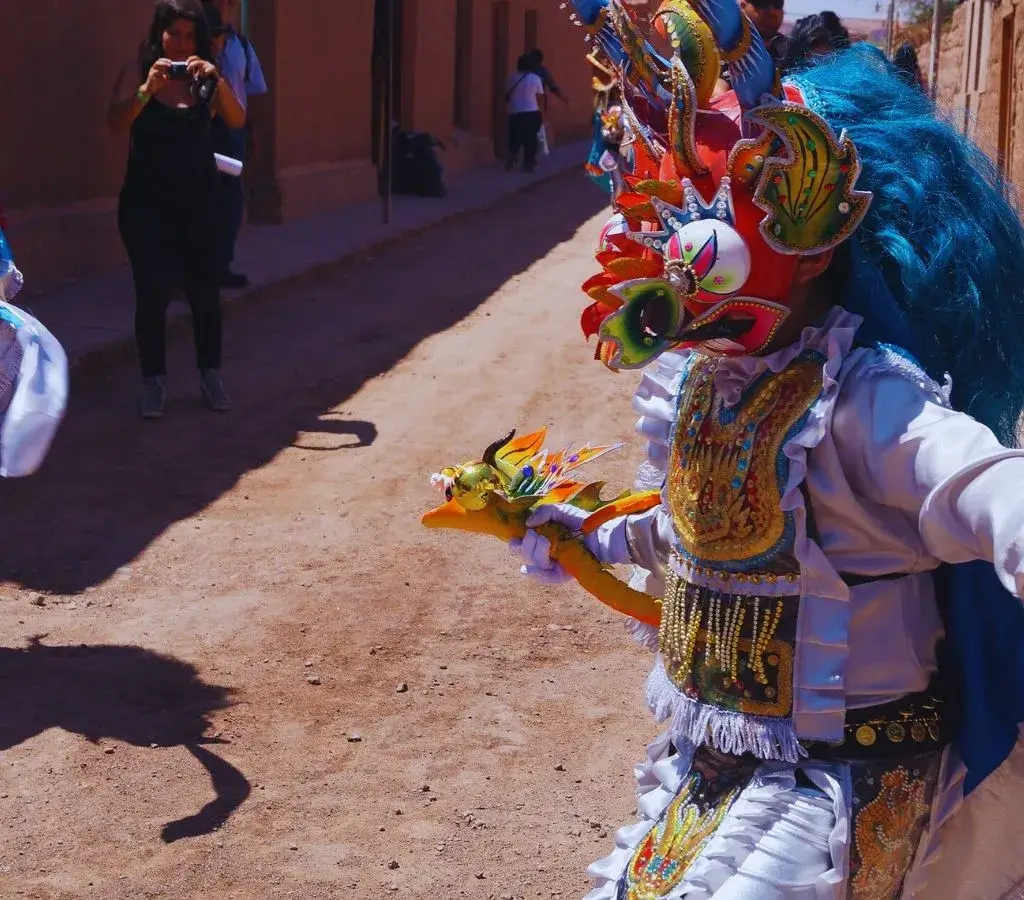
The Feast of the Virgin of Candelaria is celebrated from January 28 to February 18. The central day involves a mass, street parade, and procession, along with the Octave, Veneration, and Cacharpari.
Regarding clothing restrictions, native dances represent the origin and traditions, so their costumes, music, and materials cannot be changed or innovated.
In terms of festival restrictions, using animals like horses, mules, and donkeys is prohibited to prevent animal cruelty. Also, no parties are allowed near the neighborhoods where the festival takes place, to maintain peace and quiet. Additionally, the sale of alcoholic beverages around the festival area is prohibited to avoid disturbances during the weeks of the celebration.