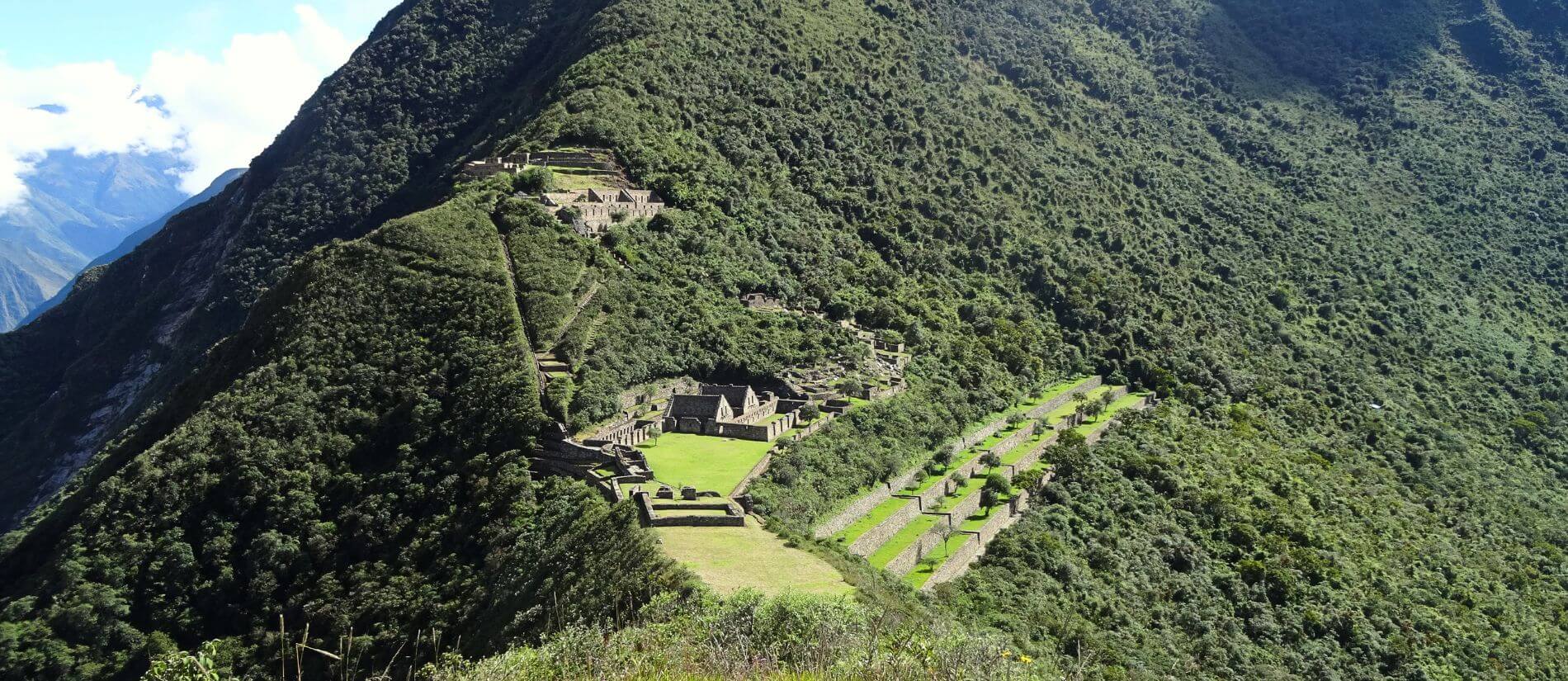
The legacy of the Incas always finds a way to amaze us once again. Far from the traditional tourist routes, in the province of Espinar, south of Cusco, rises T’aqrachullo, also known by the imposing name of María Fortaleza. This archaeological complex is one of the best-kept secrets of the Andes, a place that fascinates historians and travelers alike with its monumental architecture and its possible connection to the mythical pre-Hispanic city of Ancocagua.
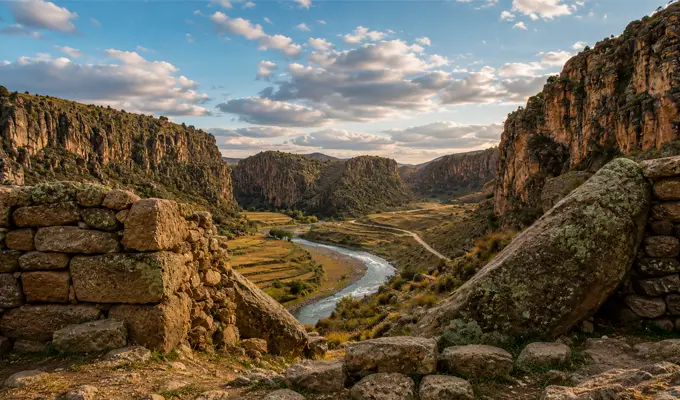
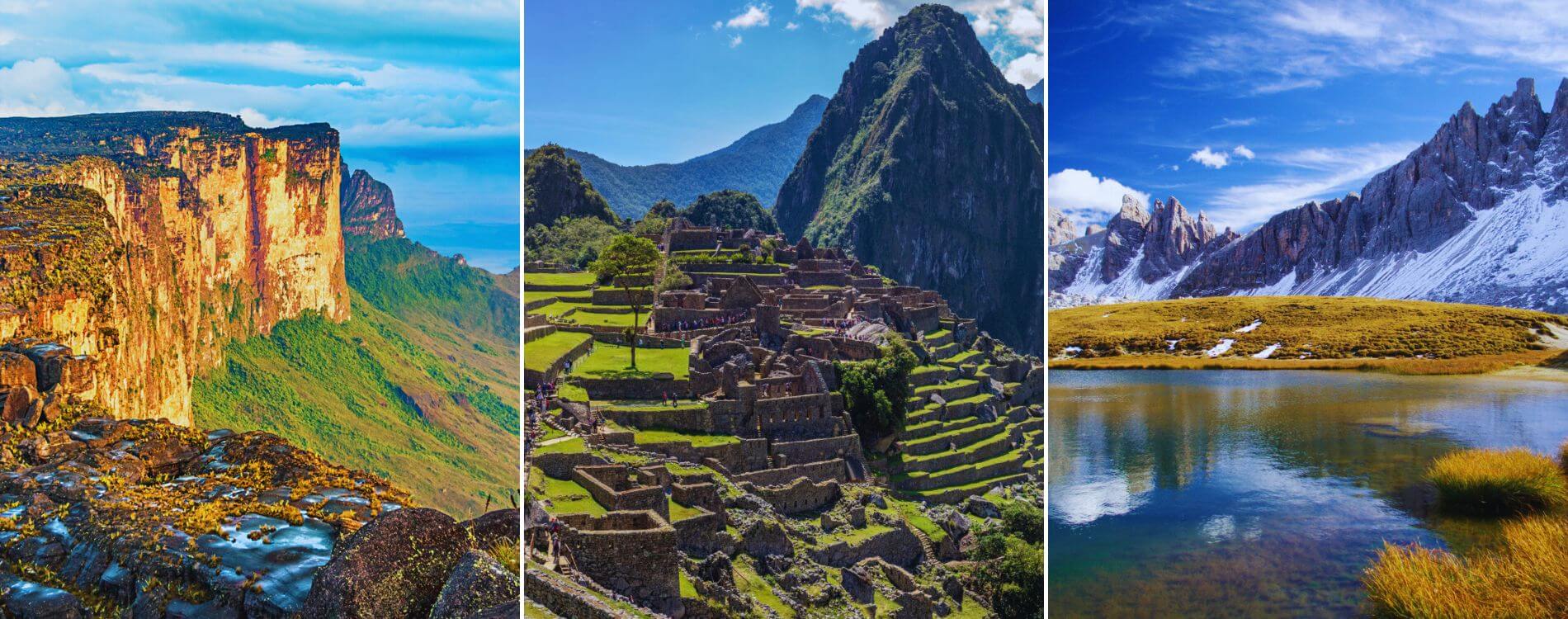
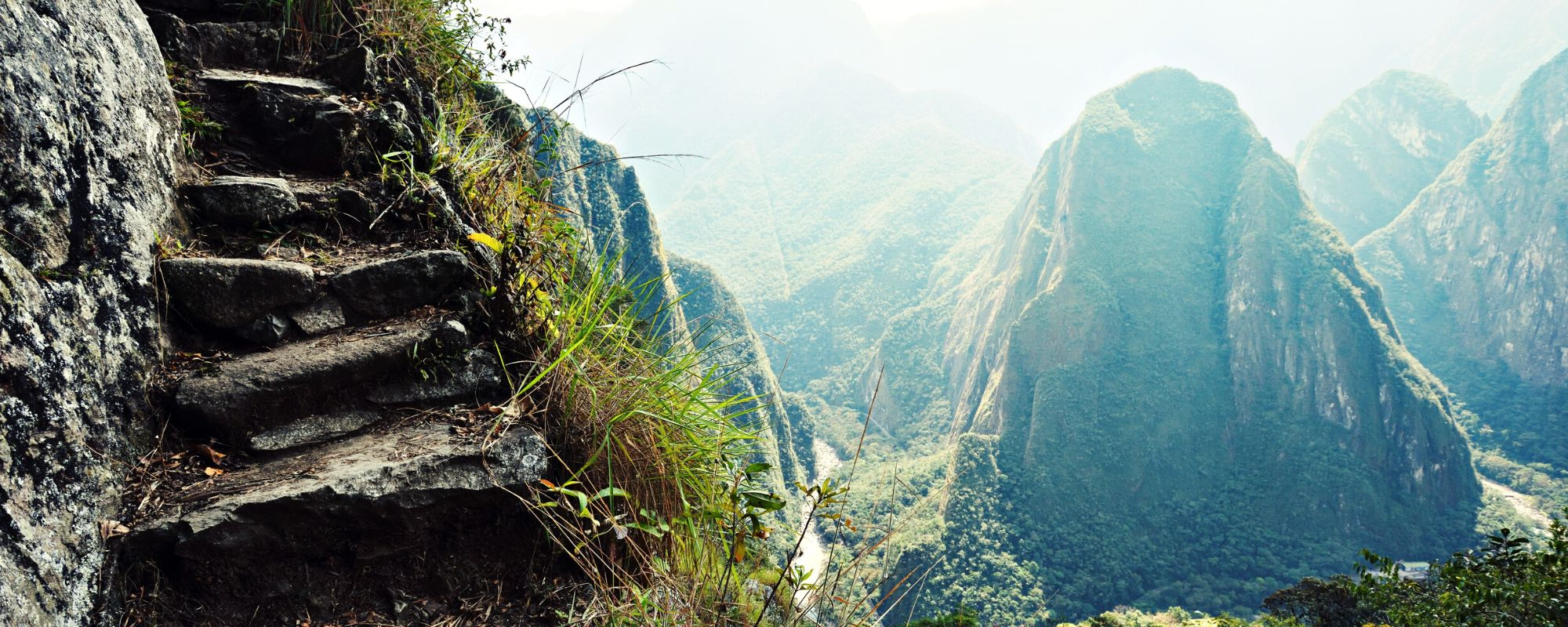
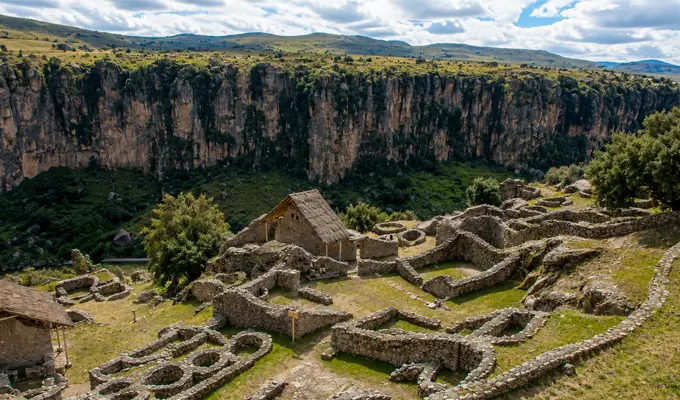
What makes T’aqrachullo truly unique is its spectacular location. Built on the edge of the majestic Three Canyons of Suykutambo, where towering volcanic rock walls overlook the landscape, this stone fortress offers a captivating blend of history, adventure, and mysticism. For those seeking to discover Peru’s purest and most hidden essence, this destination is emerging as the new cultural giant of the southern Andes a place where history is not observed in a museum but breathed in through the silence of the mountains.
For decades, T’aqrachullo remained a closely guarded secret within academic circles. However, recent research and restoration work at this Monumental Archaeological Zone, located in the province of Espinar, has revealed a complex of astonishing dimensions that is reshaping the history of Cusco.
The most fascinating aspect of Taqrachullo is that it does not belong to a single period; it is a stone book where different Andean cultures left their mark. Studies reveal that the Wari, Qolla, Cana, and Inca peoples once inhabited its streets and temples, transforming it into a powerful ceremonial, administrative, and strategic center of the southern Andes. Its mystique runs so deep that several researchers believe this imposing fortress may actually be the true Ancocagua, the legendary city and sacred sanctuary mentioned with great astonishment by the earliest colonial chroniclers in their manuscripts.
The name T’aqrachullo is a beautiful lesson in geography hidden within the Quechua language. It is commonly translated as “mother rock through which water flows”, as its ancient inhabitants did not name places at random they did so by listening to the landscape around them.
The name comes from the combination of two powerful words:
This name is, in fact, an exact reflection of the landscape you will encounter upon arrival. It speaks of an untamed territory where colossal rock outcrops and pristine water sources are not merely decorative features but the very essence of the natural environment embracing this sanctuary.
| Aspect | Key Information |
| Location | T'aqrachullo is located in the province of Espinar (Cusco), next to the impressive Three Canyons of Suykutambo, surrounded by breathtaking high-Andean landscapes. |
| Historical Significance | It is an archaeological complex occupied by the Wari, Qolla, Cana, and Inca cultures, serving as a ceremonial, administrative, and strategic center. |
| Monumental Architecture | It features nearly 600 archaeological structures spread across 17.4 hectares, including kallankas, enclosures, stairways, chullpas, and pre-Hispanic roads. |
| Archaeological Discoveries | Excavations have uncovered ceremonial gold, silver, and copper artifacts, as well as ritual structures that demonstrate its great importance within the Inca Empire. |
| The Mystery of Ancocagua | Several researchers believe that T'aqrachullo could be the legendary Inca city of Ancocagua, although this hypothesis is still under investigation. |
| Tourism Value | Thanks to ongoing restoration efforts, T'aqrachullo is emerging as one of Cusco’s most promising new archaeological destinations, ideal for travelers seeking experiences beyond the traditional tourist routes. |
The great secret of T’aqrachullo lies in how its ancient builders chose the perfect location. Perched atop an imposing Andean plateau, the complex not only served as a strategic control point but also as a privileged lookout over the breathtaking geography of Espinar.
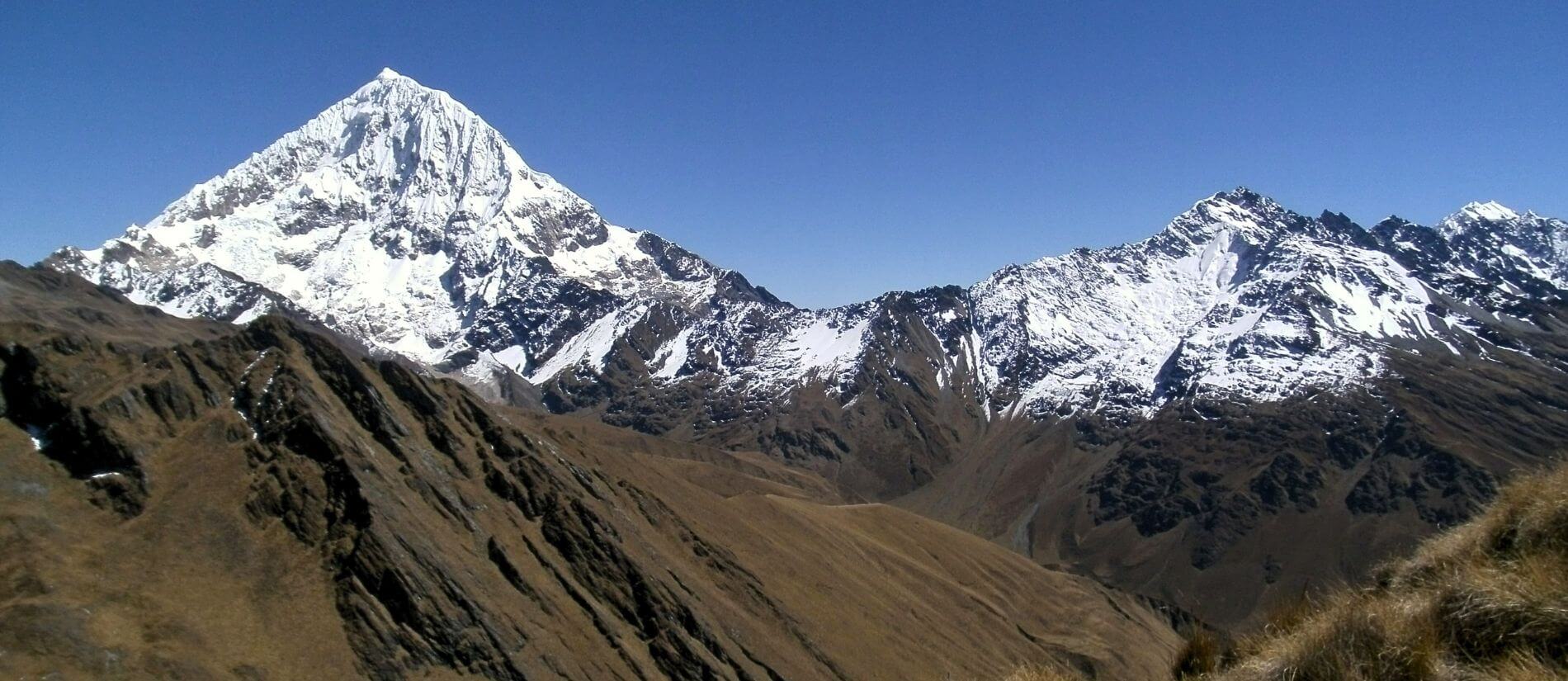
Those who venture to this remarkable site are surrounded by a landscape of extraordinary natural beauty, where high Andean valleys give way to deep canyons and enchanting queñua forests flourish among striking rock formations. Yet the true visual climax awaits at its panoramic viewpoints, which offer direct and awe-inspiring views of the colossal Three Canyons of Suykutambo. This perfect harmony between ancient human ingenuity and untamed nature makes Taqrachullo an ideal destination for travelers seeking to escape crowded tourist circuits and connect with Peru’s most authentic and peaceful side.
What has truly astonished archaeologists and media outlets around the world is the monumental scale of this site. Taqrachullo was not merely a watchtower or military outpost it was a true metropolis in the highlands. Research has uncovered nearly 600 archaeological structures spread across approximately 17.4 hectares, forming an immense stone landscape that once supported everything from daily life to the most sacred rituals, connecting homes, walls, roads, and cemeteries.
As visitors explore its religious, administrative, and residential sectors, they encounter an impressive variety of architectural features mastered by its ancient inhabitants:
Thanks to meticulous restoration efforts, more than 300 of these structures have now been recovered. This achievement has not only made the site far more accessible and fascinating for visitors but has also paved the way for scientists to continue unraveling the mysteries of this Andean giant.
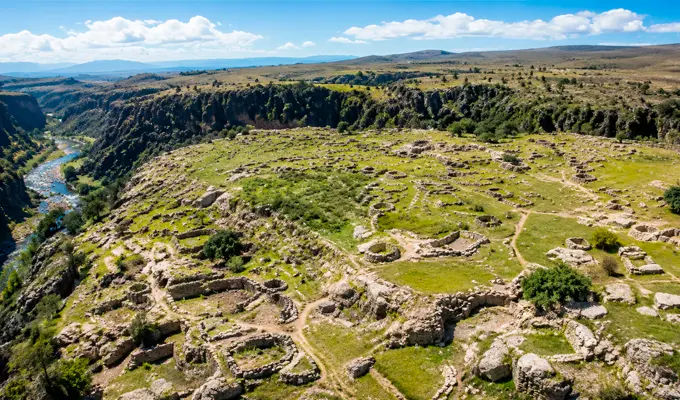
Archaeological excavations at T’aqrachullo have begun to uncover secrets that completely reshape what we thought we knew about this site, revealing the immense political and religious significance it held during pre-Hispanic times.
Among the most fascinating discoveries are valuable ceremonial objects and finely crafted ornamental pieces made from precious metals such as gold, silver, and copper, along with a variety of structures built exclusively for ritual activities.
These remarkable findings further strengthen a theory that is gaining increasing support among researchers: Taqrachullo was far more than a simple defensive fortress or isolated military refuge. Instead, this complex played a fundamental role within the sacred and administrative organization of the Inca Empire (Tahuantinsuyo).
The great mystery that continues to intrigue researchers and surrounds T’aqrachullo with an almost cinematic aura is its possible hidden identity: Are we truly standing on the grounds of the legendary Ancocagua?
This fascinating question takes us back to the pages of early colonial chronicles. In these accounts, the first Spanish chroniclers described an imposing Inca sanctuary and ceremonial center known by that name, inspiring both deep respect and awe. For centuries, archaeologists and historians have searched for the precise location of this mythical sacred city, attempting to pinpoint where it once stood.
Today, the pieces of the puzzle are beginning to fall into place. Several renowned researchers firmly believe that T’aqrachullo could, in fact, be this long-lost ancient city. The evidence is compelling: its magnificent elite architecture, its exceptional strategic location, and the unmistakable ceremonial significance reflected in its stone structures. However, in the world of science, conclusions are reached with patience. Excavations and research continue at the site, and although the clues are highly promising, there is still no definitive confirmation to solve the mystery. Until then, the fortress continues to guard its secret.
During the colonial period, the encounter of two worlds transformed not only the lives of local communities but also the maps themselves. Many of the great Andean archaeological sites were given new names by the Spanish, who often sought to rename the territory according to their own traditions.
It was during this period of cultural blending that the original Quechua name began to share its identity. Over time, T’aqrachullo came to be popularly known as María Fortaleza. This name, which combines a sense of religious mysticism with admiration for the site's imposing engineering, has endured through the centuries. Today, it is still widely used by local residents, researchers uncovering its past, and travelers who come to discover its wonders.
Today, both names coexist in perfect harmony. Whether you call it T’aqrachullo or María Fortaleza, both refer to the very same archaeological complex a monumental stone fortress in the highlands of Espinar that preserves one extraordinary history under two different names.
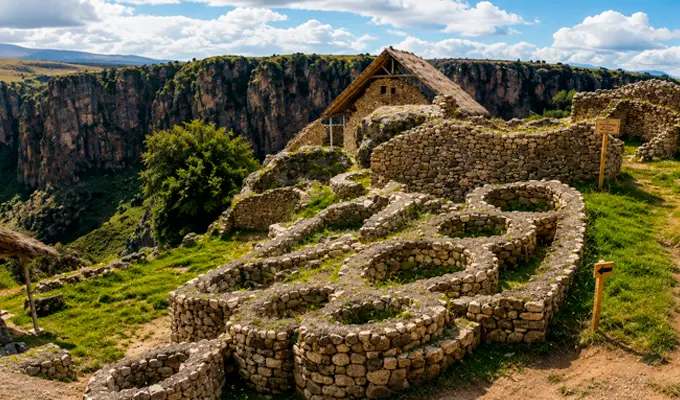
Reaching this Andean mystery requires embarking on a true journey of exploration. The mystical citadel is located in the province of Espinar, in the southern part of the Cusco region. The journey usually begins in the vibrant city of Cusco, following a scenic road toward the district of Suyckutambo.
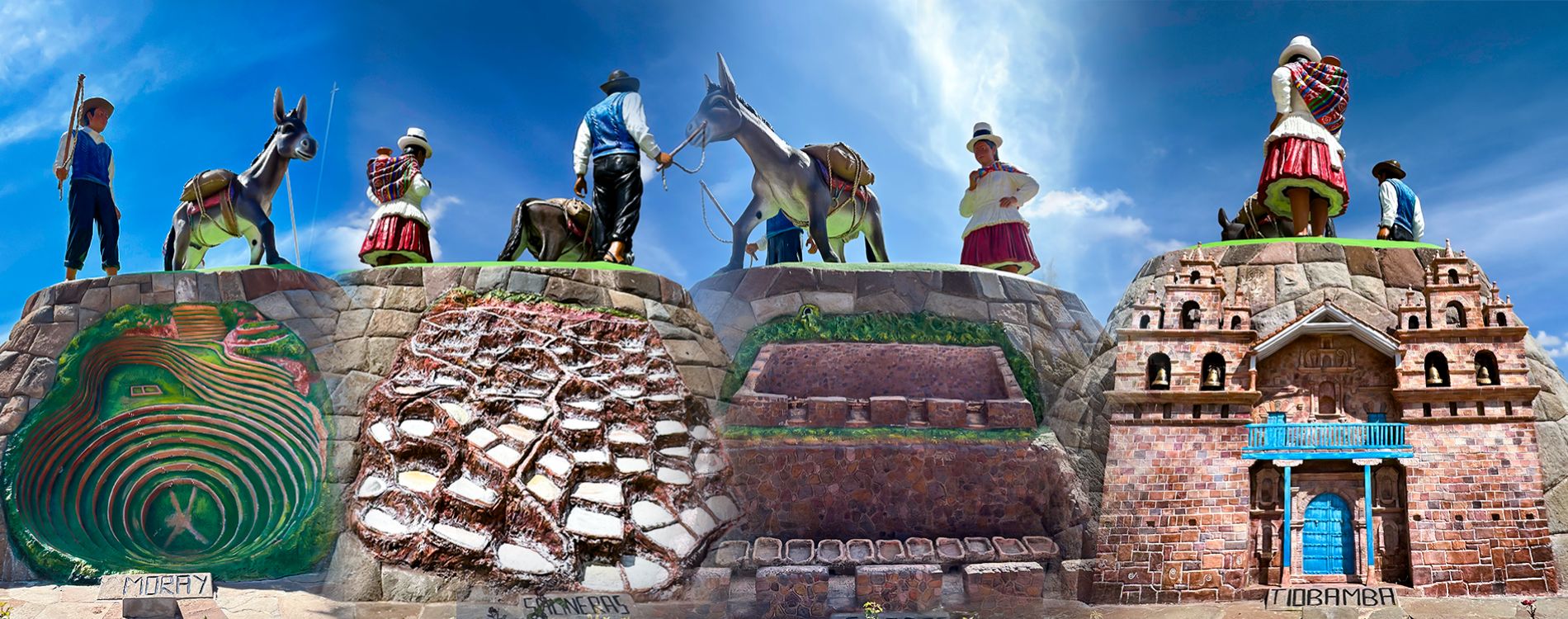
One of the greatest rewards of this trip is that the journey itself becomes part of the adventure. Along the way, travelers can immerse themselves in breathtaking natural scenery while combining their visit to the fortress with several nearby attractions:
Thanks to the extensive restoration and conservation efforts carried out in recent years, this remarkable archaeological complex is becoming increasingly accessible, safer to visit, and better prepared to welcome both domestic travelers and international explorers looking to venture beyond Peru’s traditional tourist destinations.
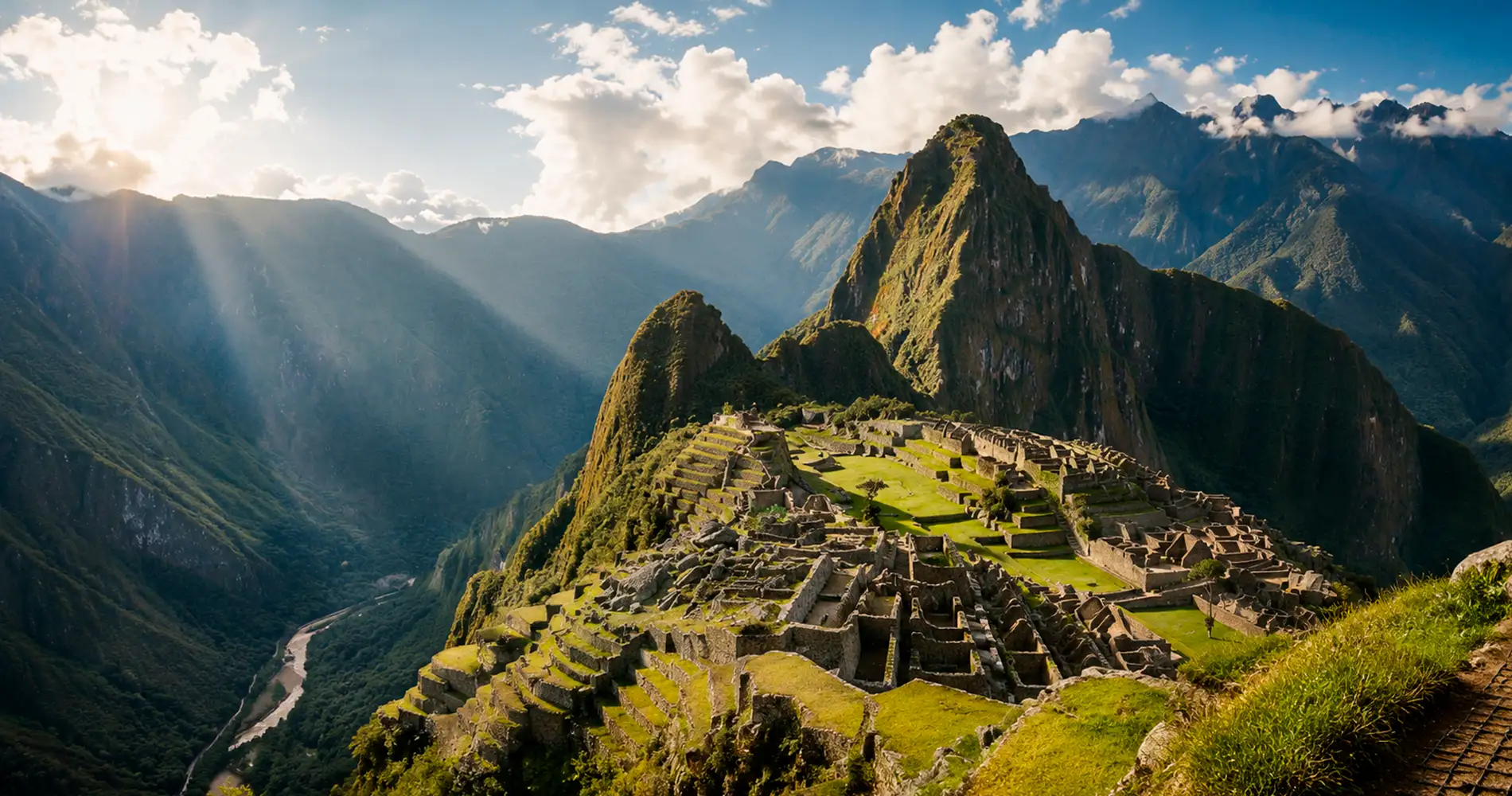
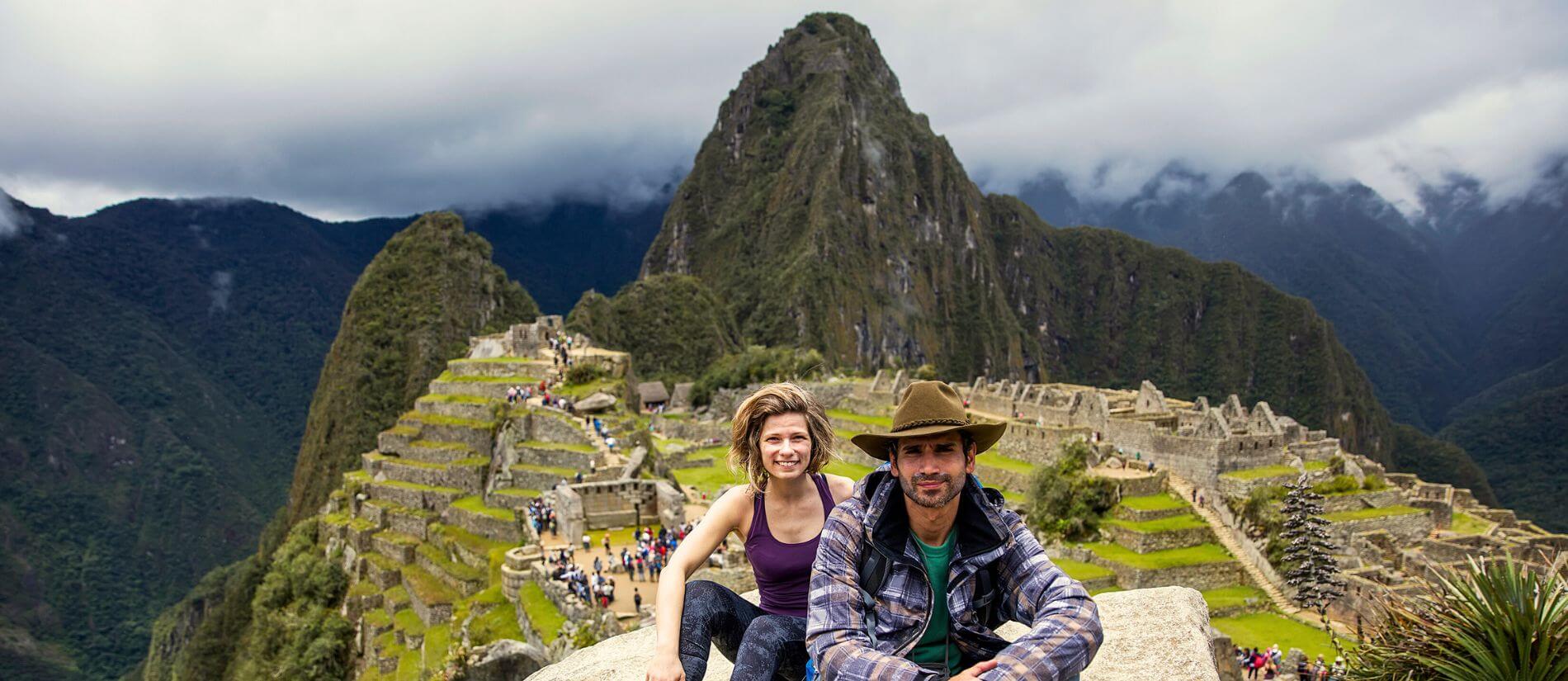
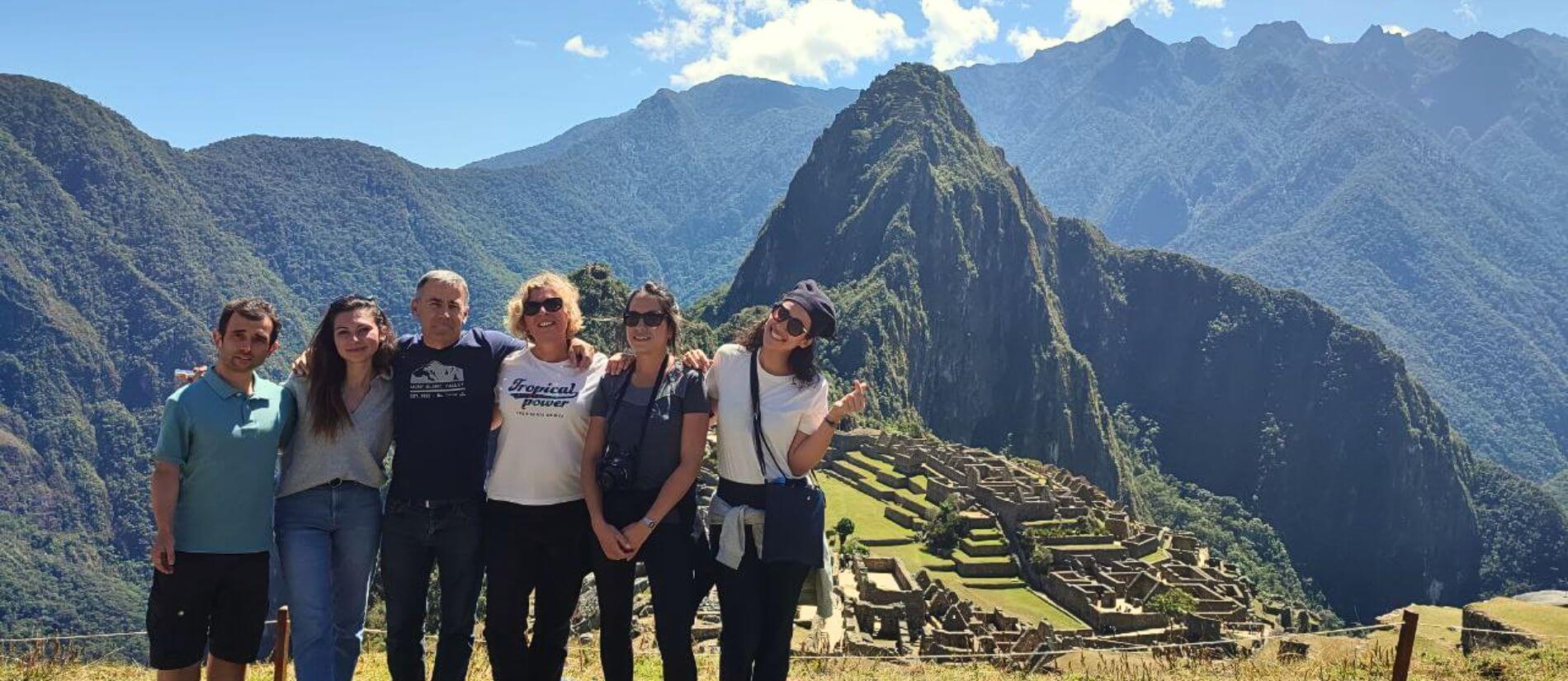
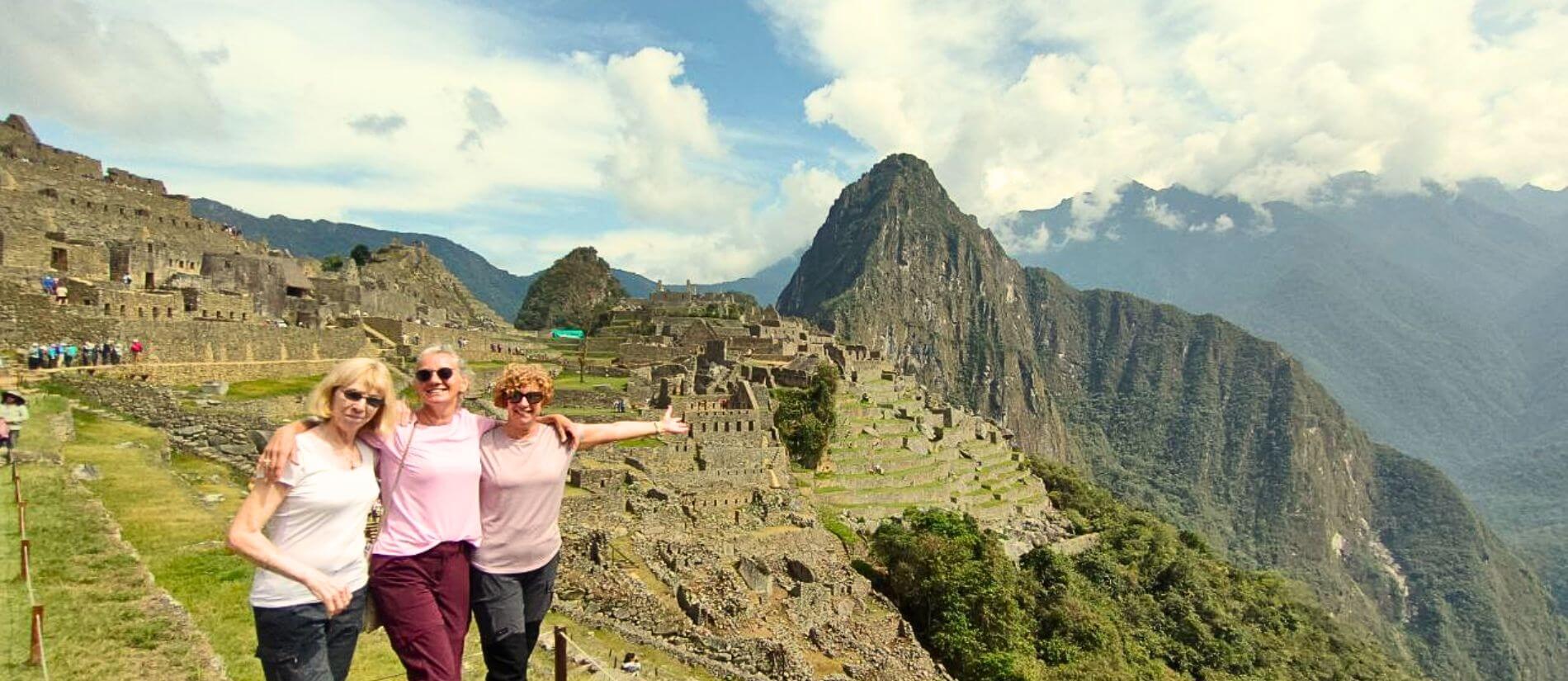
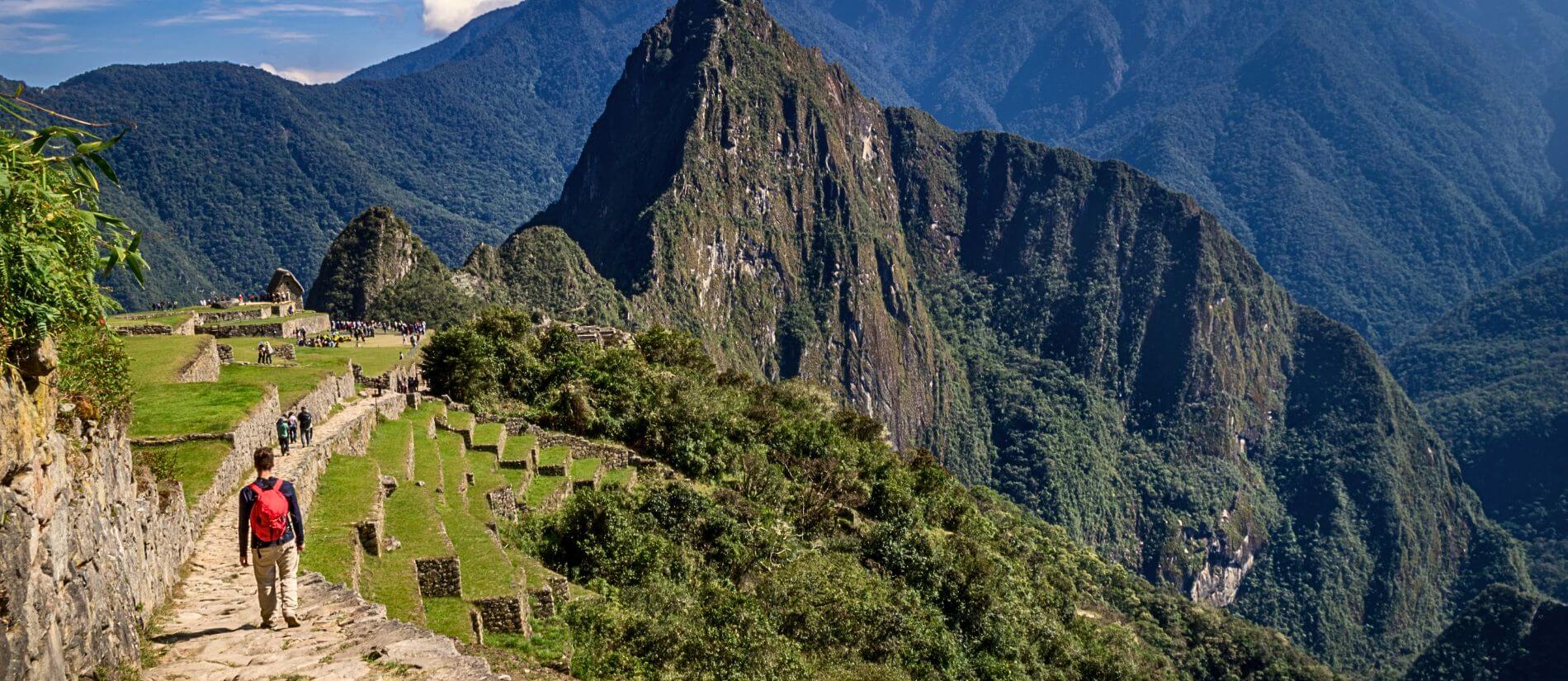
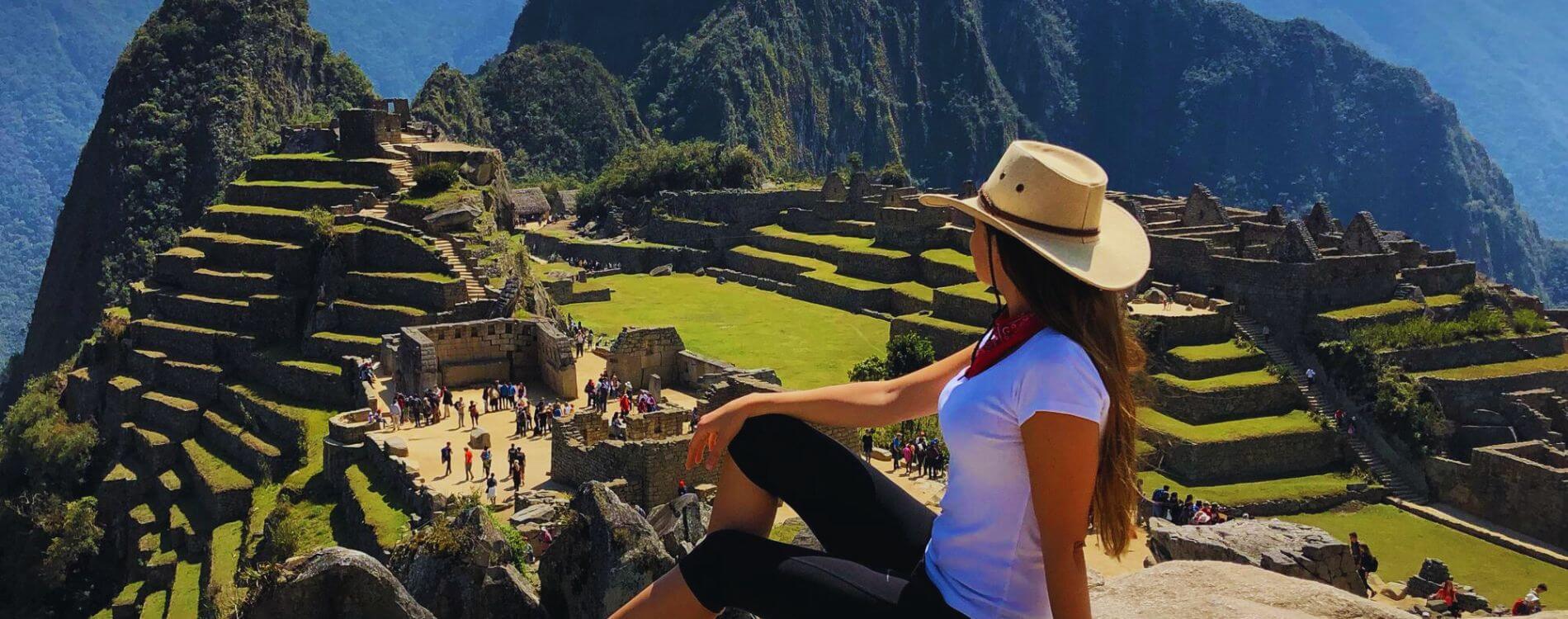
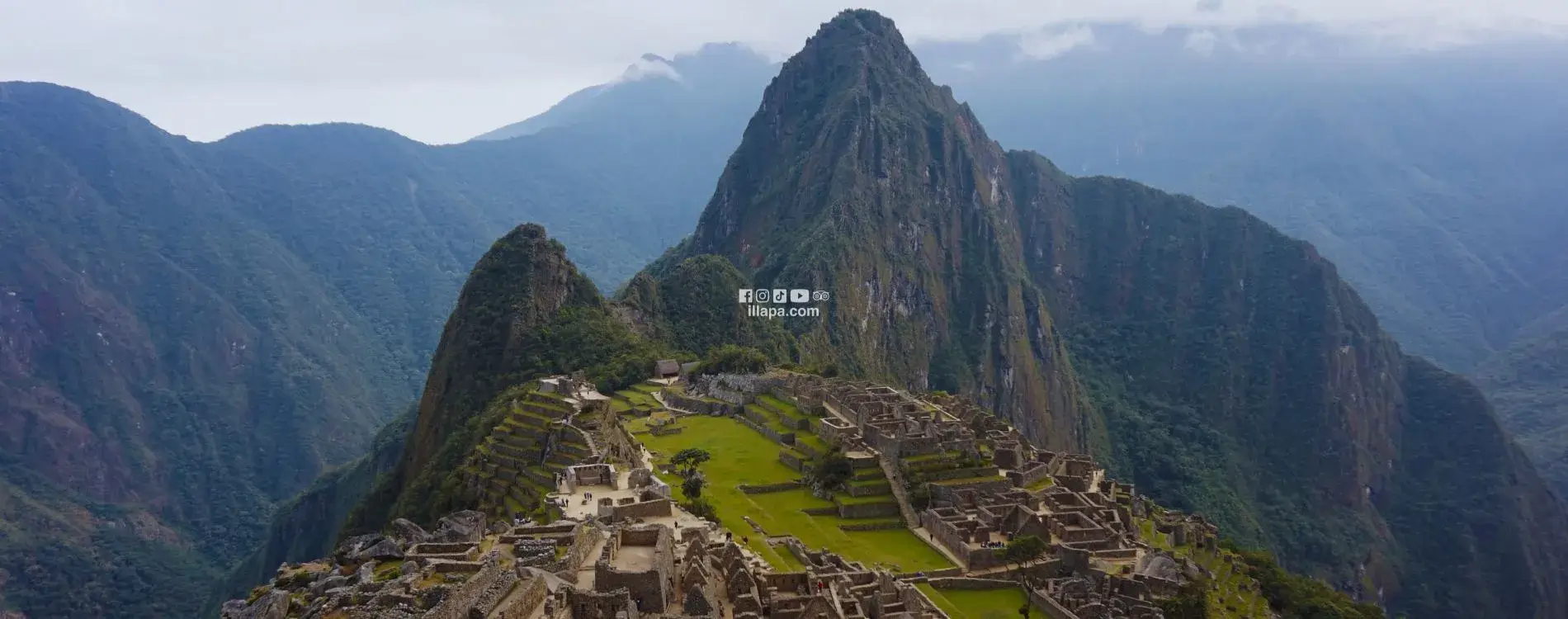
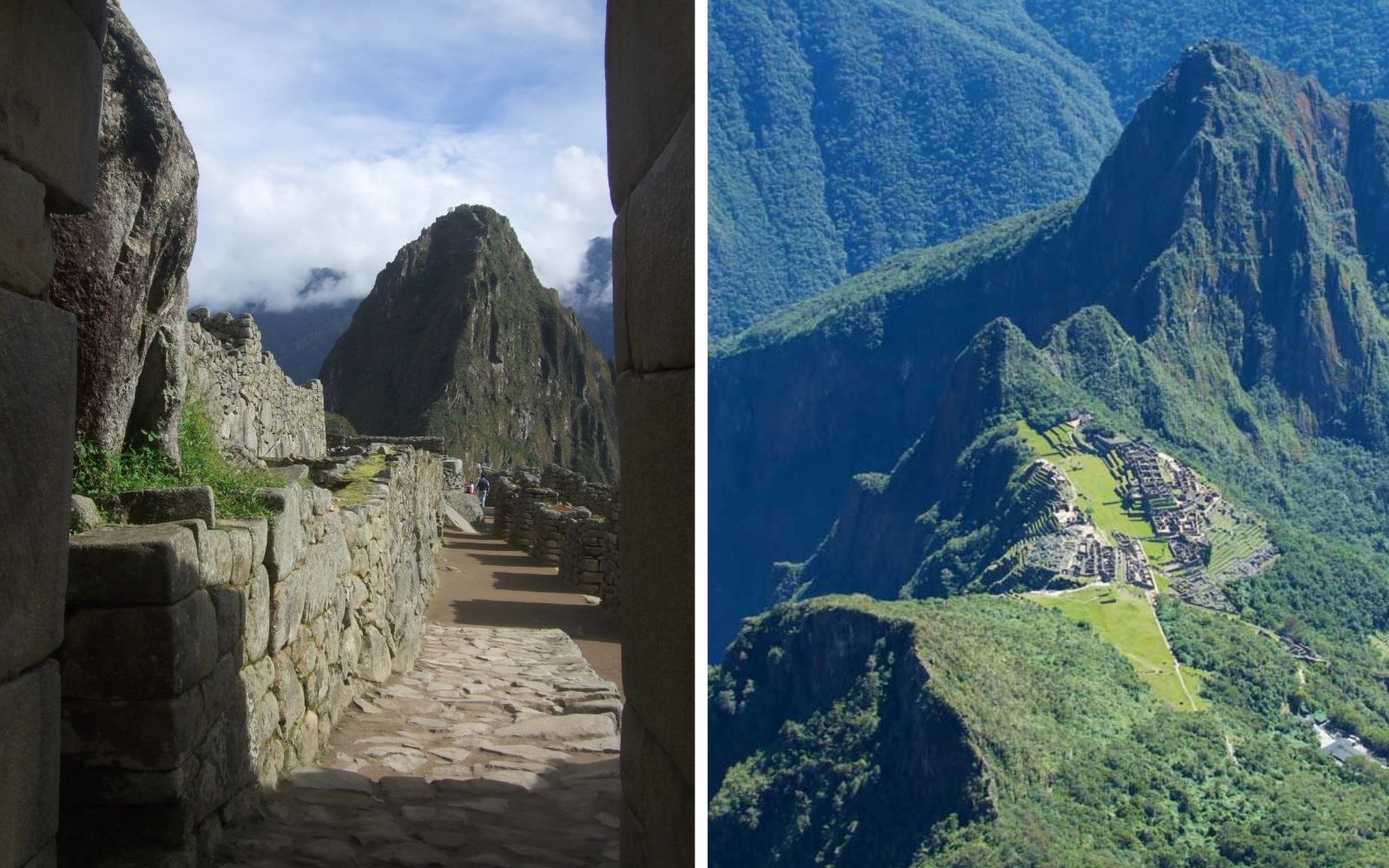
While iconic destinations such as Machu Picchu continue to captivate the world as Peru’s greatest symbol, T’aqrachullo is steadily emerging as a remarkable destination in its own right. This monumental stone complex is becoming the perfect alternative for adventurous travelers eager to discover places untouched by mass tourism and rich in profound, silent history.
It is a true hidden gem. Its combination of monumental architecture, breathtaking natural landscapes, unresolved historical mysteries, and vibrant cultural heritage makes it, without question, one of the archaeological projects with the greatest tourism potential in the southern Andes. Taqrachullo stands as living proof that beyond Peru’s well-known routes, the Andes still hold extraordinary secrets waiting to be discovered.