Pachamama, or Mother Earth, is at the very heart of the Andean worldview. Long before the rise of the Inca Empire, she was revered as the sacred source of life, fertility, and the essential balance between humanity and nature. Although her main celebration takes place every August 1, her presence remains deeply rooted throughout the year in communities across Peru, Bolivia, Ecuador, Argentina, Chile, and the entire Andean region.
In this article, you'll discover who Pachamama truly is, what she represents in everyday life, why August 1 is her most important celebration, and how these ancient traditions continue to play a vital role in preserving Andean cultural identity today.
Pachamama is known as Mother Earth in the Andean tradition, but her meaning extends far beyond the ground beneath our feet. For Indigenous Andean peoples, she embodies the universe, nature, time, and the very space where all forms of life exist and flourish.
Within the Andean worldview, nature is not seen as a resource to be exploited, but as a living being that nourishes, protects, and sustains humanity. This is why the relationship with Pachamama is based on one essential principle: reciprocity. Receiving the Earth's gifts also means expressing gratitude and giving something back through sacred ceremonies and offerings.
| Fact | Information |
| Meaning | Mother Earth and the source of life. |
| Celebration | August 1 |
| Main Ritual | Offering to Mother Earth (Pago a la Tierra) |
| Origin | Pre-Inca Andean cultures. |
| Core Values | Gratitude and reciprocity. |
| Presence | Peru and other Andean countries. |
The word comes directly from the Quechua language:
Although it is commonly translated as "Mother Earth," its meaning goes much deeper for the Andean peoples. Pachamama represents the entirety of the natural world the origin of life and the perfect balance that unites humans, animals, mountains, water, and the cosmos.
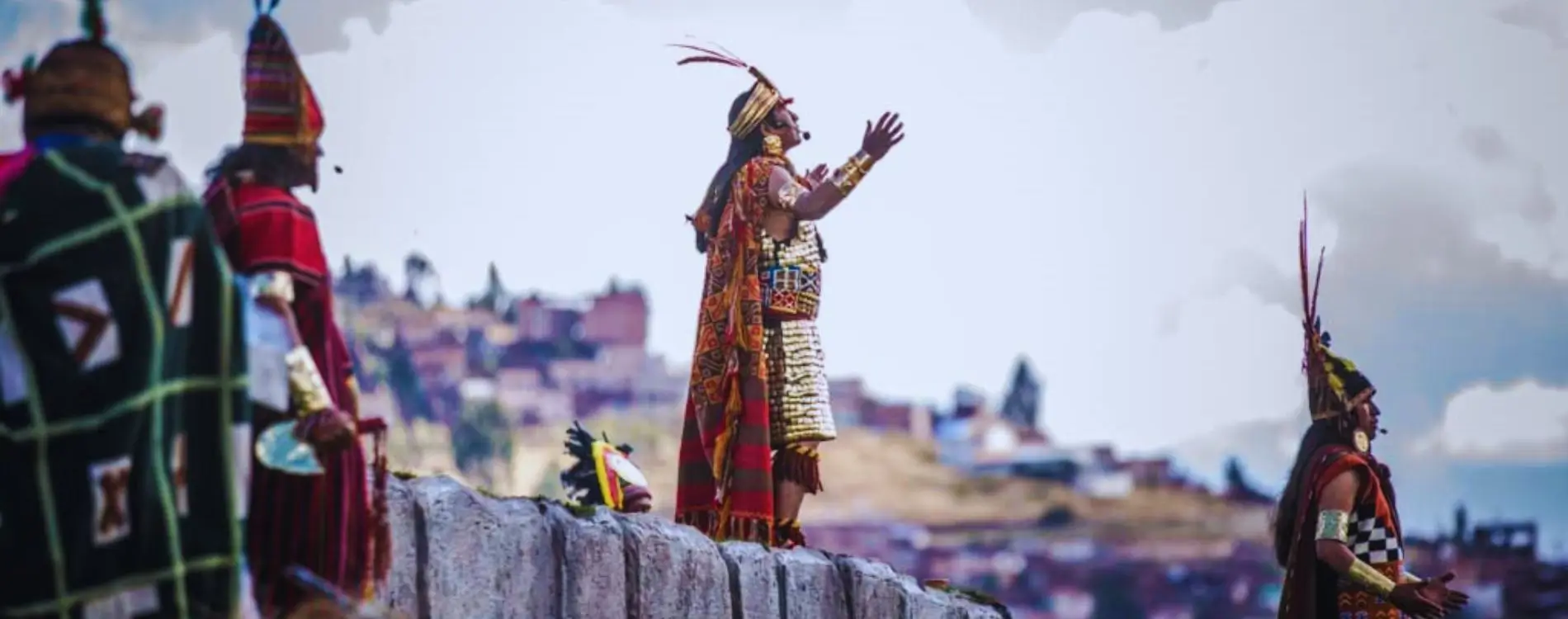
Long before the Inca Empire existed, various Andean civilizations already honored the Earth as the ultimate source of life. Over time, the Incas strengthened this belief, making Pachamama a central pillar of their social, agricultural, and spiritual organization.
For the Incas, the Earth was sacred because it provided food, water, and everything necessary for survival. Just as they revered Inti, the Sun God, and the Apus, the sacred mountain spirits, they also honored Pachamama to maintain harmony between humanity and nature.
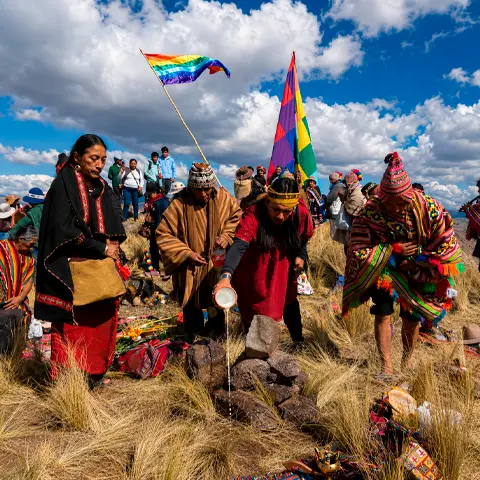
Every August 1, Andean communities celebrate Pachamama Day, a date deeply rooted in the traditional agricultural calendar of the Andes.
According to ancient tradition, this is the month when Mother Earth "awakens" after the cold winter and begins a new agricultural cycle. It is therefore the perfect time to express gratitude for past harvests and ask for prosperity, health, abundance, and favorable rains for the coming season.
Although August 1 is the main celebration, the festivities continue throughout the month in many Andean communities, making August widely recognized as the Month of Pachamama.
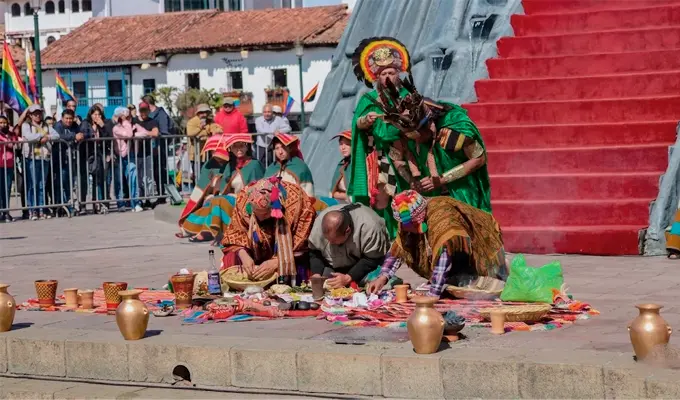
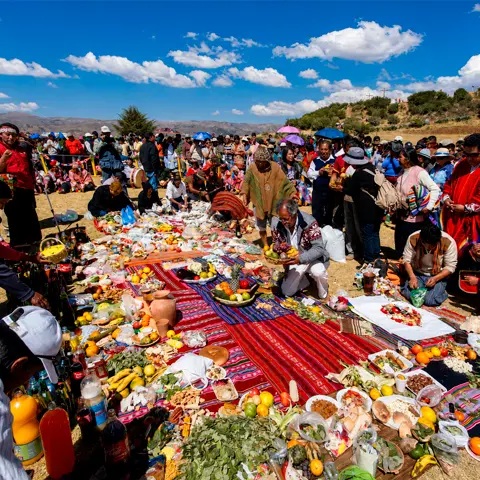
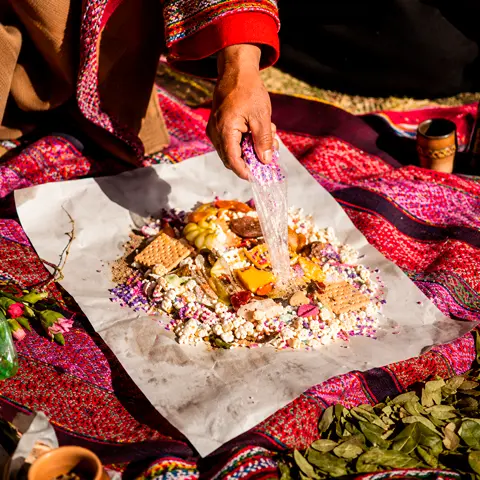
One of the most meaningful Andean rituals is the Offering to Mother Earth, also known as Haywarikuy or the Despacho to Pachamama.
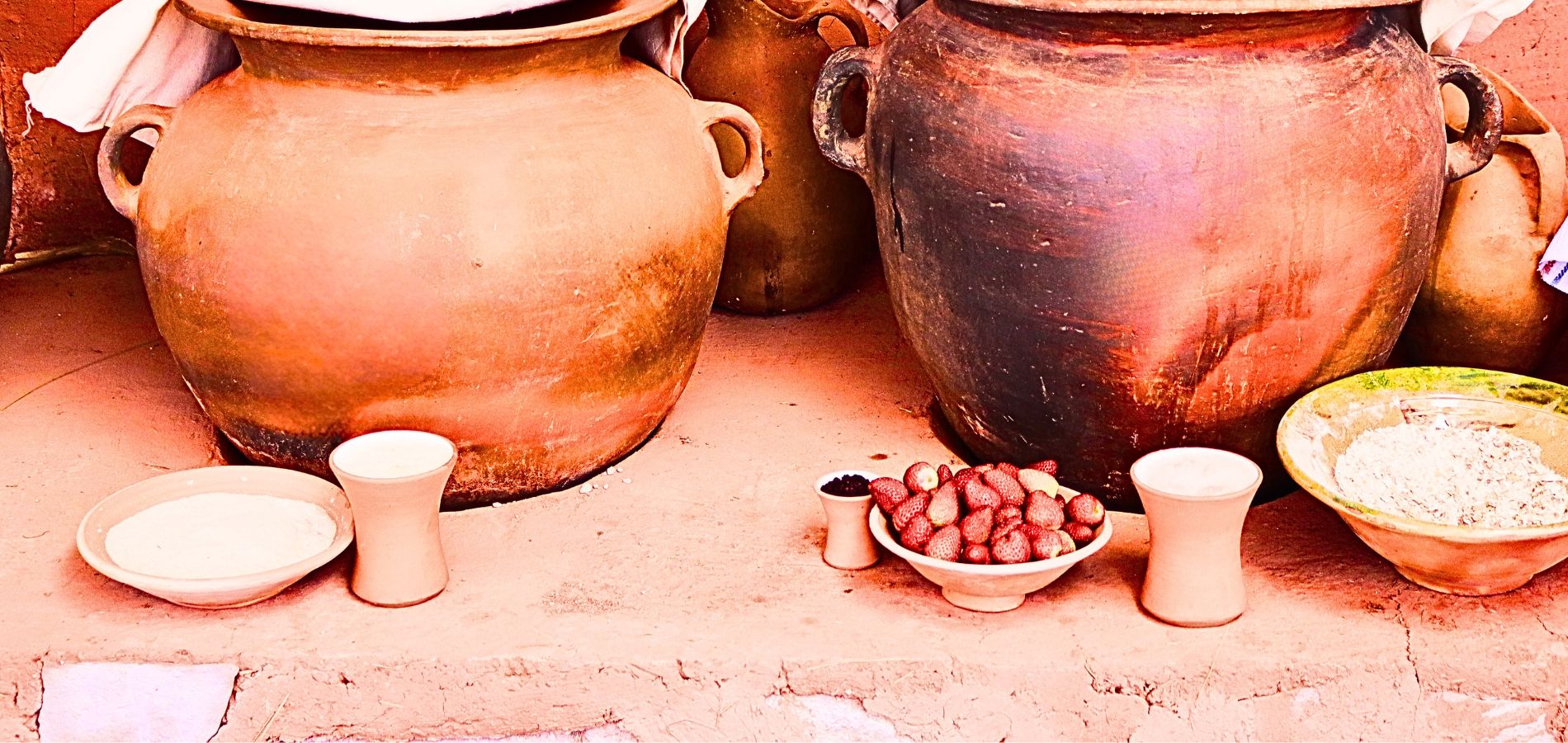
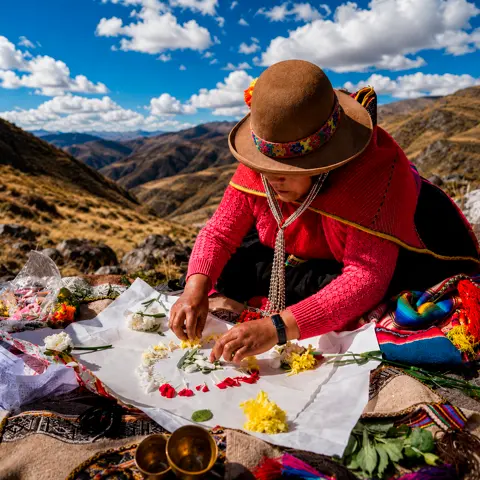
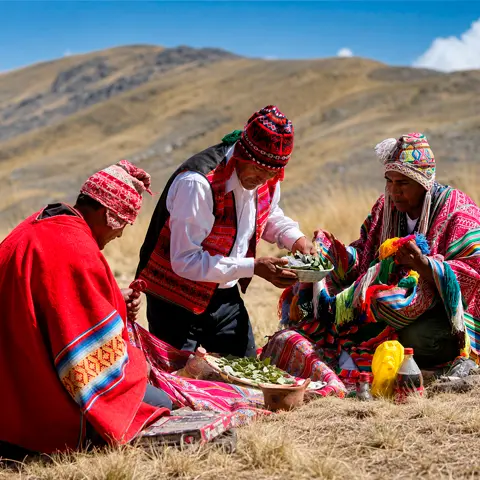
This sacred ceremony is led by an Andean spiritual guide, or paqo, who carefully prepares a ceremonial offering filled with symbolic items representing gratitude, abundance, and prosperity.
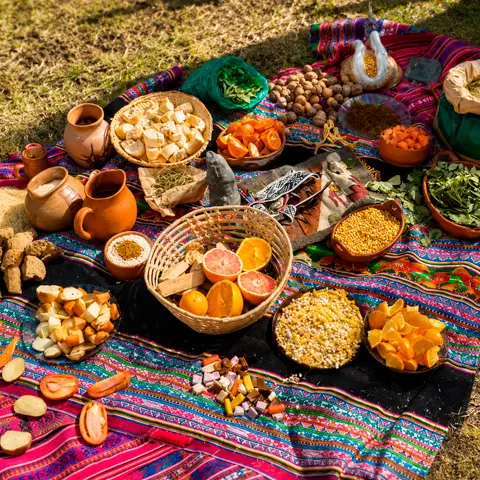
The ceremonial offering typically includes:
All of these elements are carefully arranged on a ceremonial cloth before being buried or burned, symbolizing a sacred act of gratitude and reciprocity with Mother Earth.
Although each Andean region has its own customs, a traditional Pachamama ceremony generally follows these steps:
More than a religious ritual, this ceremony is a profound expression of respect for nature and a powerful reminder that the cultural identity of the Andes remains alive and vibrant today.
Despite the passage of centuries, Pachamama continues to hold a central place in the lives of many Andean communities.
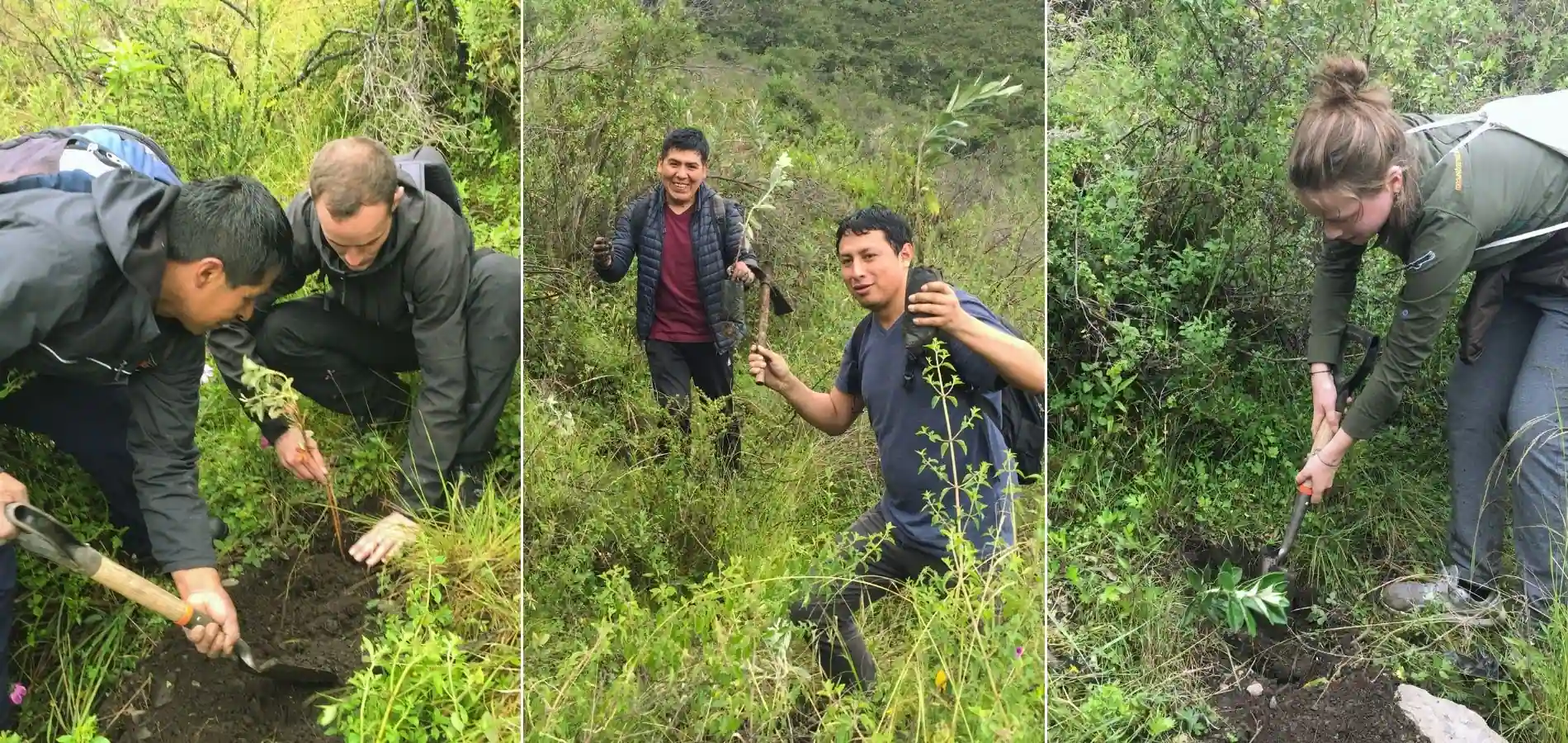
Today, these ceremonies bring together not only local residents but also travelers from around the world who seek to connect with Peru's most ancient traditions. At the same time, Pachamama's message of respect, gratitude, and harmony with nature has gained renewed relevance in the face of today's environmental challenges.
This ancient Andean principle of reciprocity reminds us of an essential truth: human well-being depends on protecting water, soil, mountains, and biodiversity. It is a worldview that is more meaningful and relevant today than ever before.
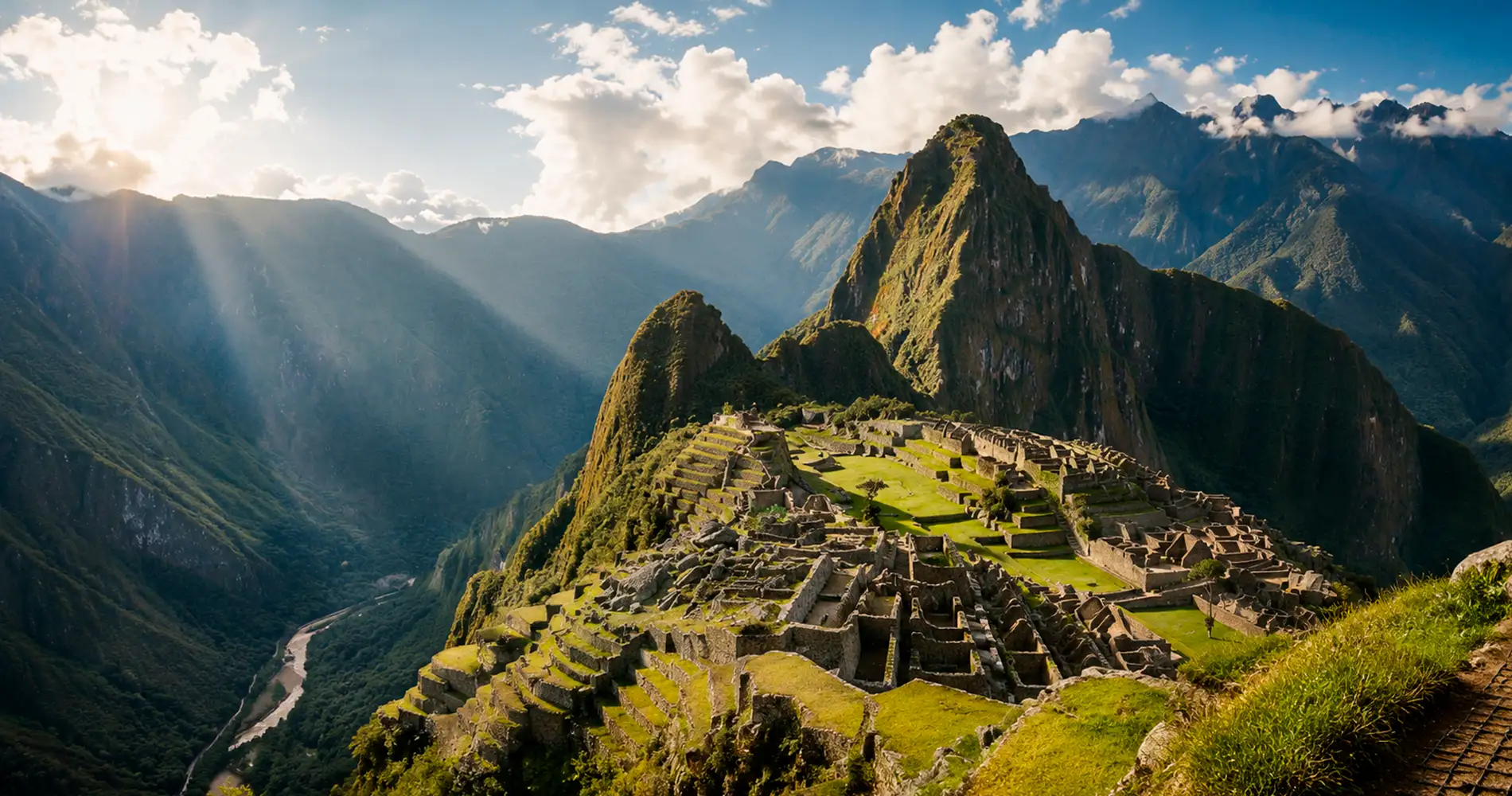
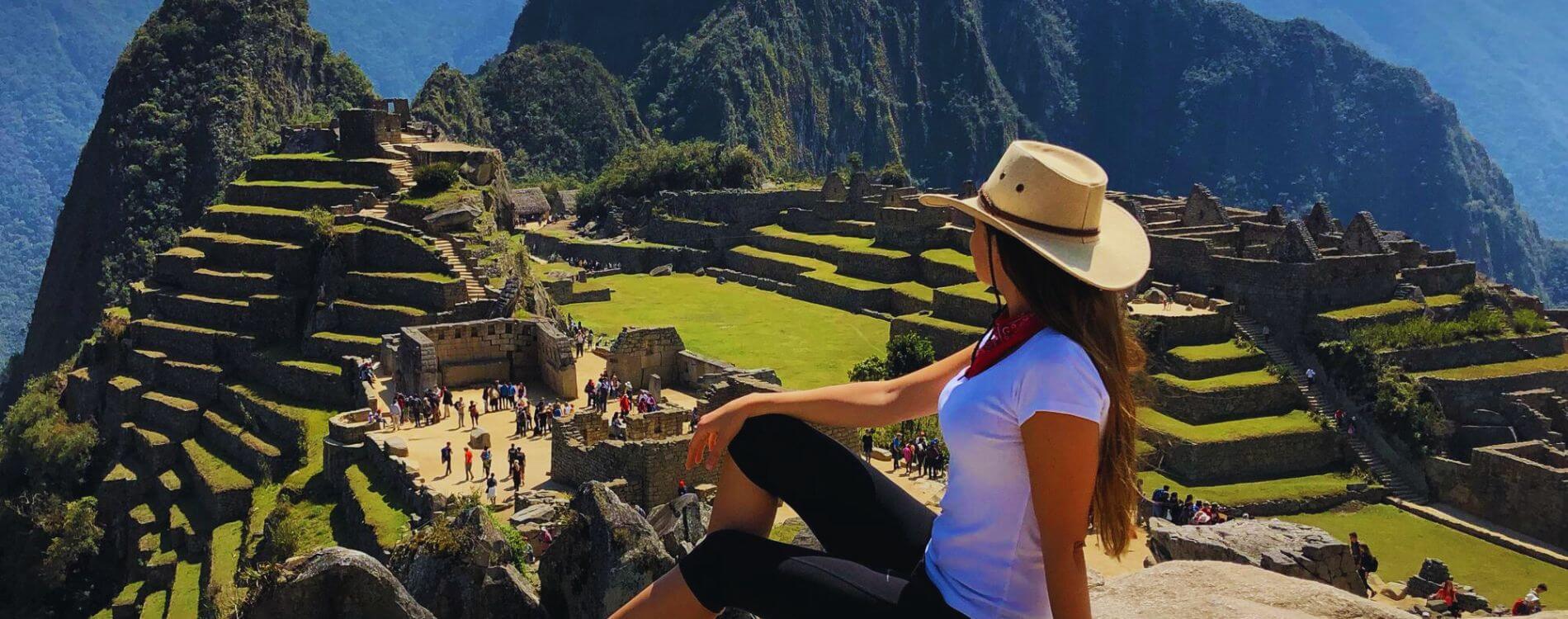
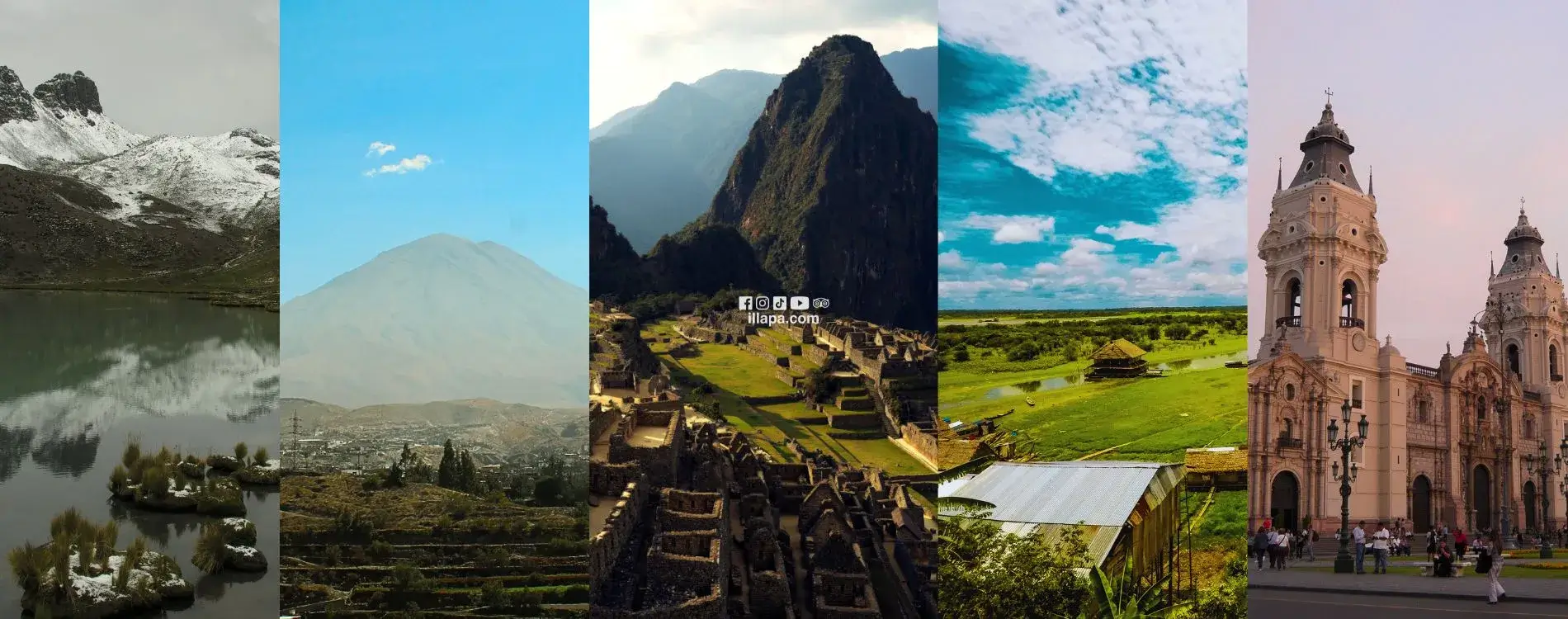
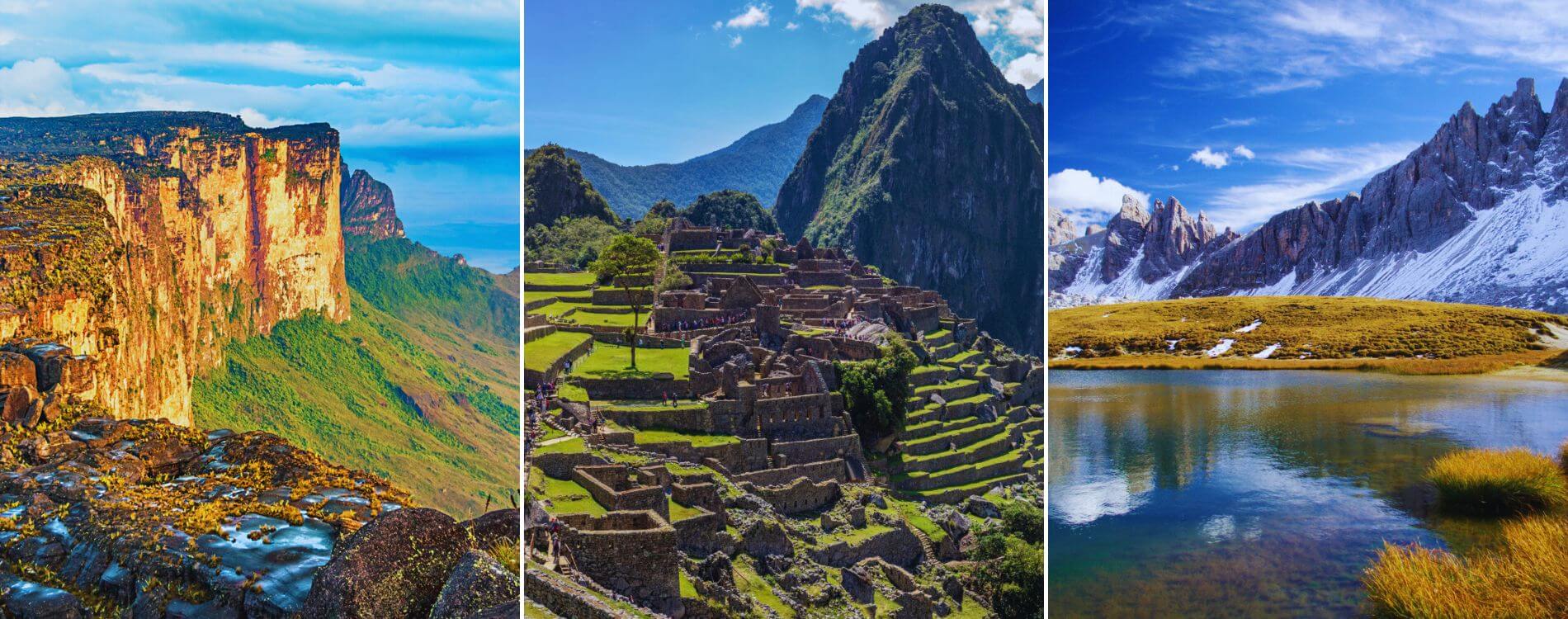
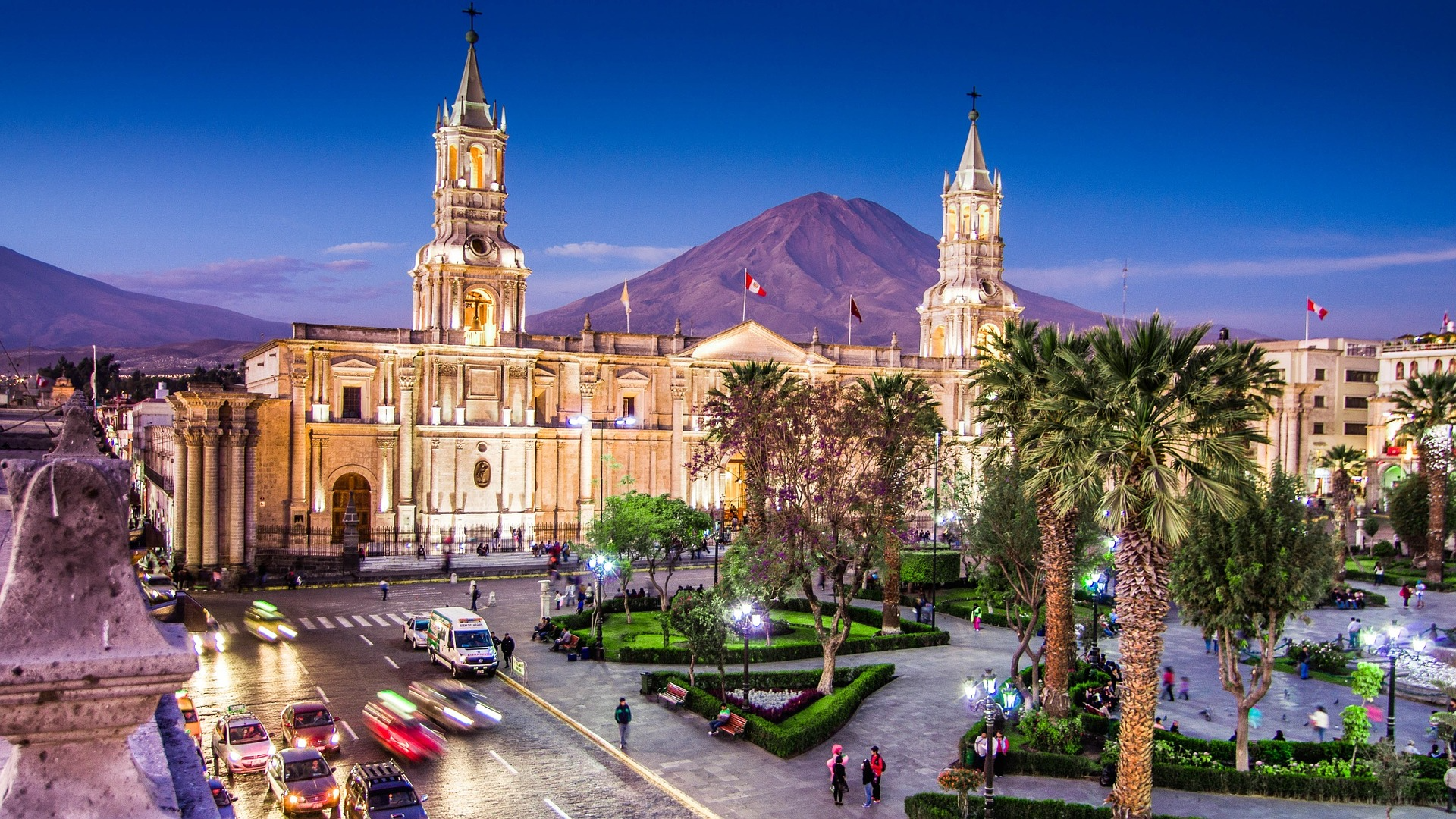
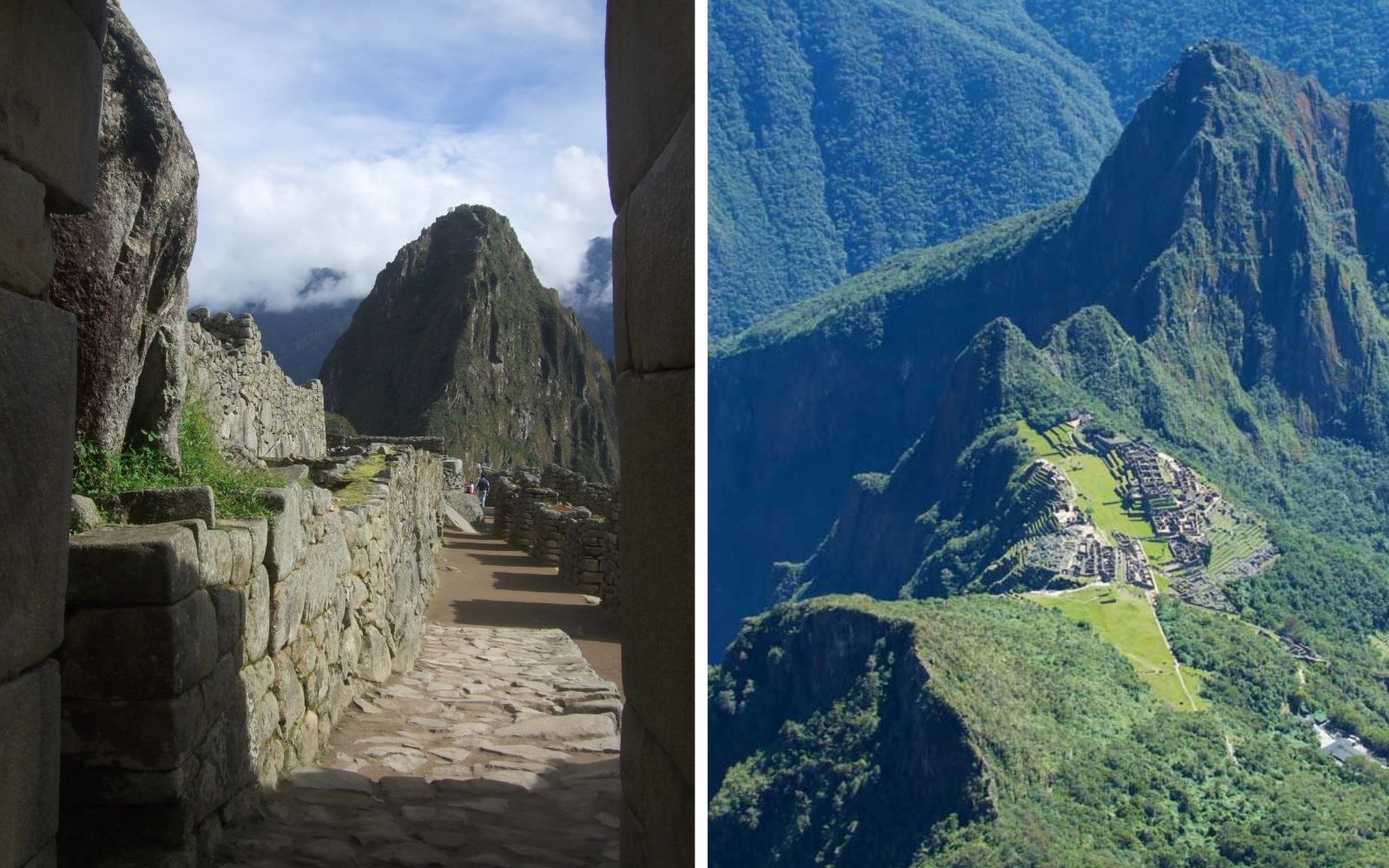
Although Pachamama ceremonies take place throughout Peru, some destinations preserve this tradition with exceptional authenticity. If you wish to witness or participate in one of these sacred rituals, consider visiting:
In many of these destinations—particularly throughout the month of August you can take part in authentic Pachamama ceremonies conducted with deep respect by local communities and traditional Andean spiritual leaders.
Pachamama represents Mother Earth in its fullest sense. She is the source of life, fertility, abundance, and the sacred balance that exists between nature and humanity.
August 1 marks the beginning of a new agricultural cycle in the Andes. According to tradition, this is when Mother Earth "awakens," making it the ideal time to give thanks for past blessings and ask for prosperity in the coming year.
It is an ancient Andean ceremony in which symbolic offerings such as coca leaves, seeds, sweets, and other sacred items—are presented to Pachamama as an expression of gratitude, respect, and reciprocity for the gifts and resources she provides.
Pachamama ceremonies are generally led by an Andean spiritual guide known as a paqo, who preserves and passes down the sacred knowledge and rituals from generation to generation.
Not at all. Pachamama predates the Inca Empire and was revered by numerous pre-Inca Andean civilizations. The Incas later embraced and strengthened her worship, making it a cornerstone of their culture and helping preserve these sacred traditions for future generations.