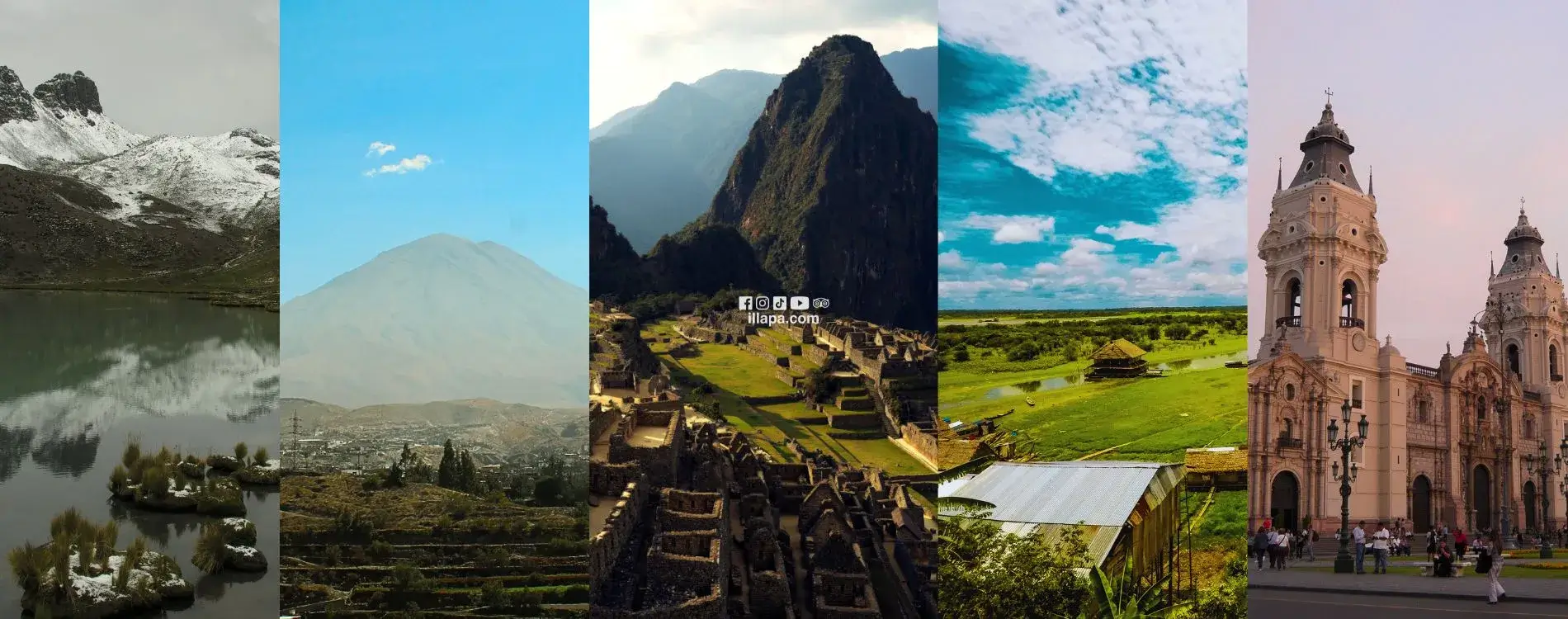
Can you imagine standing at nearly 5,000 meters above sea level surrounded by some of the most impressive volcanoes in southern Peru? The Volcano Viewpoint, also known as Abra Patapampa, is one of the most spectacular stops on the route to the Colca Valley, offering unique panoramas, high-Andean landscapes, and an experience that combines nature, extreme altitude, and Andean tradition.
Located at 4,910 meters above sea level, this viewpoint has become a must-stop destination for travelers following the route between Arequipa and Chivay. From here, visitors can observe numerous snow-capped peaks and volcanoes, discover traditional Andean apachetas, and experience one of the highest accessible road points during a tourist excursion in Arequipa.
In this guide, you will discover which volcanoes you can see, how to get there, how to prepare for the altitude, what clothing to bring, and why Patapampa has become one of the most famous viewpoints in the Colca Valley.
| Information | Details |
| Location | Abra Patapampa, Arequipa – Chivay route |
| Altitude | 4,910 meters above sea level |
| Type of attraction | High-mountain natural viewpoint |
| Entrance fee | Free access |
| Recommended time | 15–20 minutes |
| Best time to visit | Clear mornings |
| Tourist route | Road to the Colca Valley |
| Ideal for | Photography, landscapes, and volcano observation |
| Difficulty level | Low (but requires altitude adaptation) |
| Average temperature | Cold during most of the year |

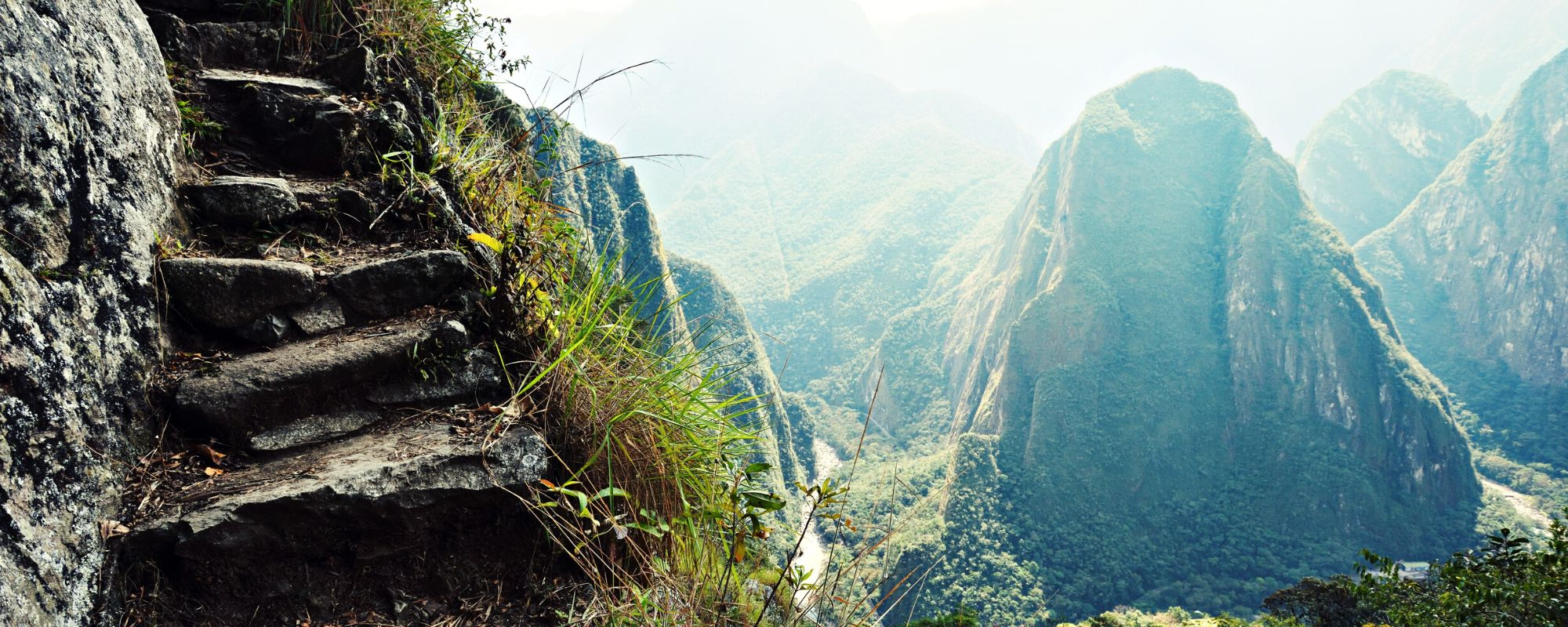
Experience reaching one of the highest points on the route to Colca while exploring high-Andean landscapes, observing volcanoes, and discovering some of Arequipa’s most impressive natural scenery. The Volcano Viewpoint is one of the most iconic stops on the road toward Chivay and the Colca Valley.
👉 Explore our Colca Valley tours that include this experience
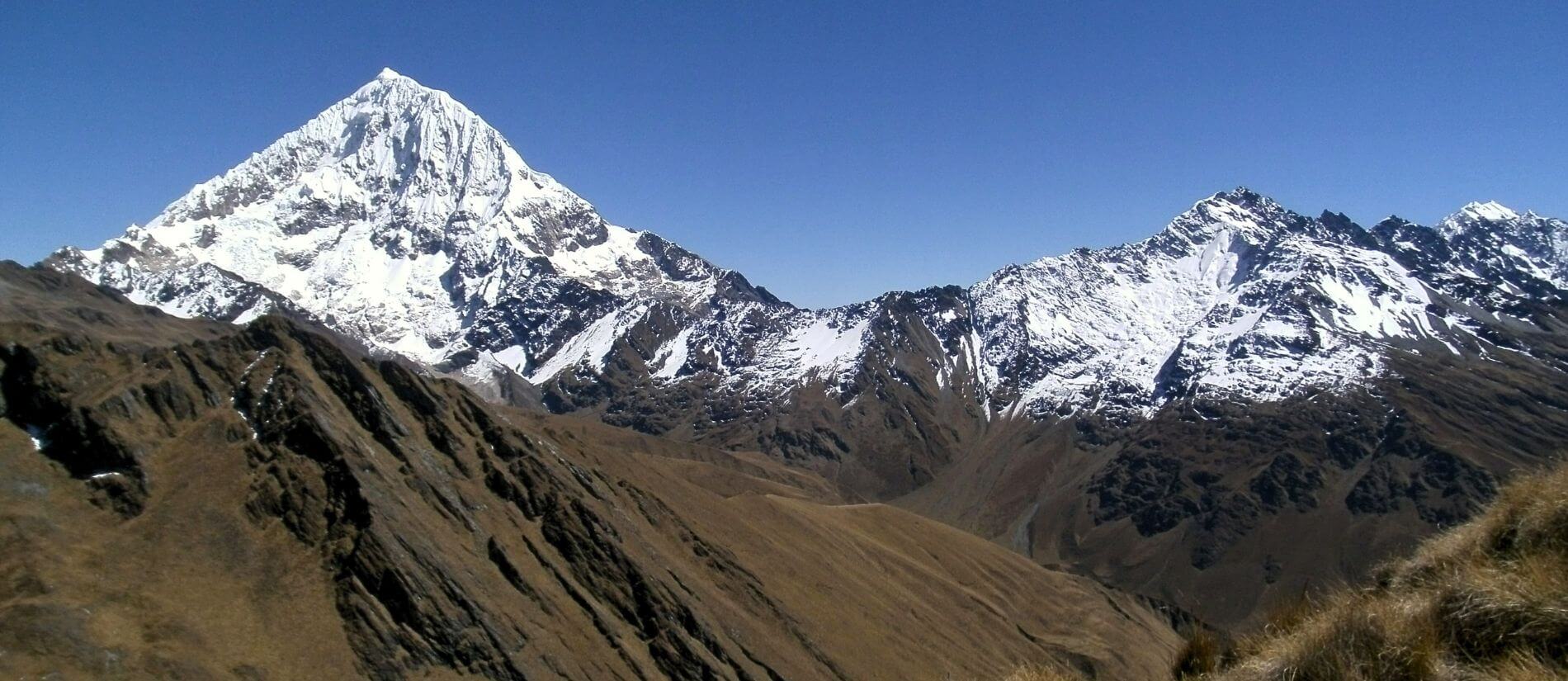
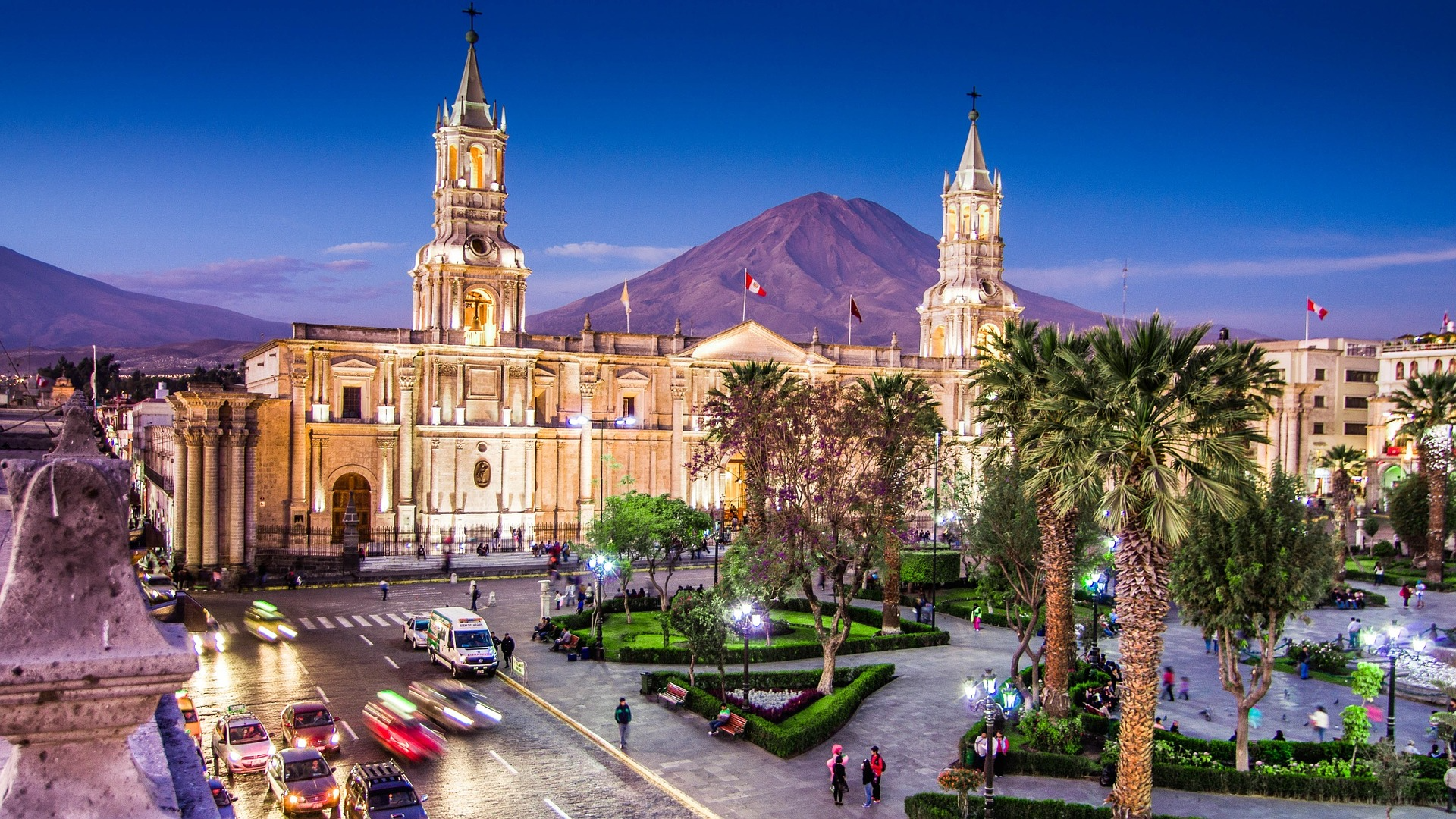
One of Patapampa’s greatest attractions is its impressive panoramic view that allows visitors to observe some of the most representative volcanoes of Arequipa and southern Peru. On clear days, the horizon becomes dominated by enormous volcanic formations, snow-capped mountains, and mountain ranges that make this stop one of the best panoramic points along the route to the Colca Valley.
Known for its constant volcanic activity, Sabancaya often displays columns of steam or fumaroles visible from different points of the viewpoint.
Famous for being the location where the well-known Juanita Mummy was discovered, this snow-capped volcano stands out for its historical and archaeological importance.
These mountains are part of Colca’s dominant landscape and are associated with headwaters connected to the hydrographic system that feeds the Amazon River.
Depending on weather conditions, it is also possible to appreciate some of Arequipa’s most iconic volcanoes from a distance.
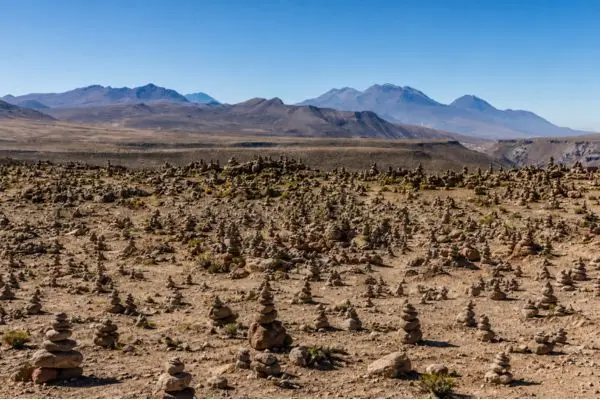
Upon arriving at the Volcano Viewpoint, it is impossible not to notice dozens of small stone towers scattered throughout the landscape. These structures, known as apachetas, are part of an ancestral Andean tradition connected to respect for mountains, travel, and spiritual connection with nature.
Since pre-Hispanic times, travelers crossing high-altitude routes built apachetas by stacking stones as symbolic offerings to the Apus, considered protective mountain spirits within the Andean worldview. These offerings represented gratitude, protection during travel, or wishes for a safe journey.
Today, thousands of visitors continue this tradition by leaving small stones while observing the volcanoes and snow-capped peaks surrounding Patapampa. Beyond their photographic value, apachetas represent one of the most important cultural elements connecting the Colca landscape with ancient Andean traditions.
For many travelers, building a small apacheta in Patapampa has become an essential part of visiting one of the highest points on the route toward the Colca Valley.
The Volcano Viewpoint is located at Abra Patapampa, along the highway connecting Arequipa and Chivay, making it one of the best-known stops during the journey toward the Colca Valley. Due to its strategic location, there are different ways to get there depending on the type of experience you are looking for.
The most common way to visit the viewpoint is through Colca Valley excursions. Most tours stop here to allow time for photography, landscape observation, and brief acclimatization before continuing toward Chivay.
It is also possible to visit independently by following the Arequipa – Chivay highway. The journey usually takes between 3 and 4 hours depending on stops and weather conditions.
Buses connecting Arequipa and Chivay travel along this route, although they normally do not make extended stops at the viewpoint, making this option less flexible.
Due to the high altitude, it is recommended to avoid intense physical effort immediately after arriving at the viewpoint.
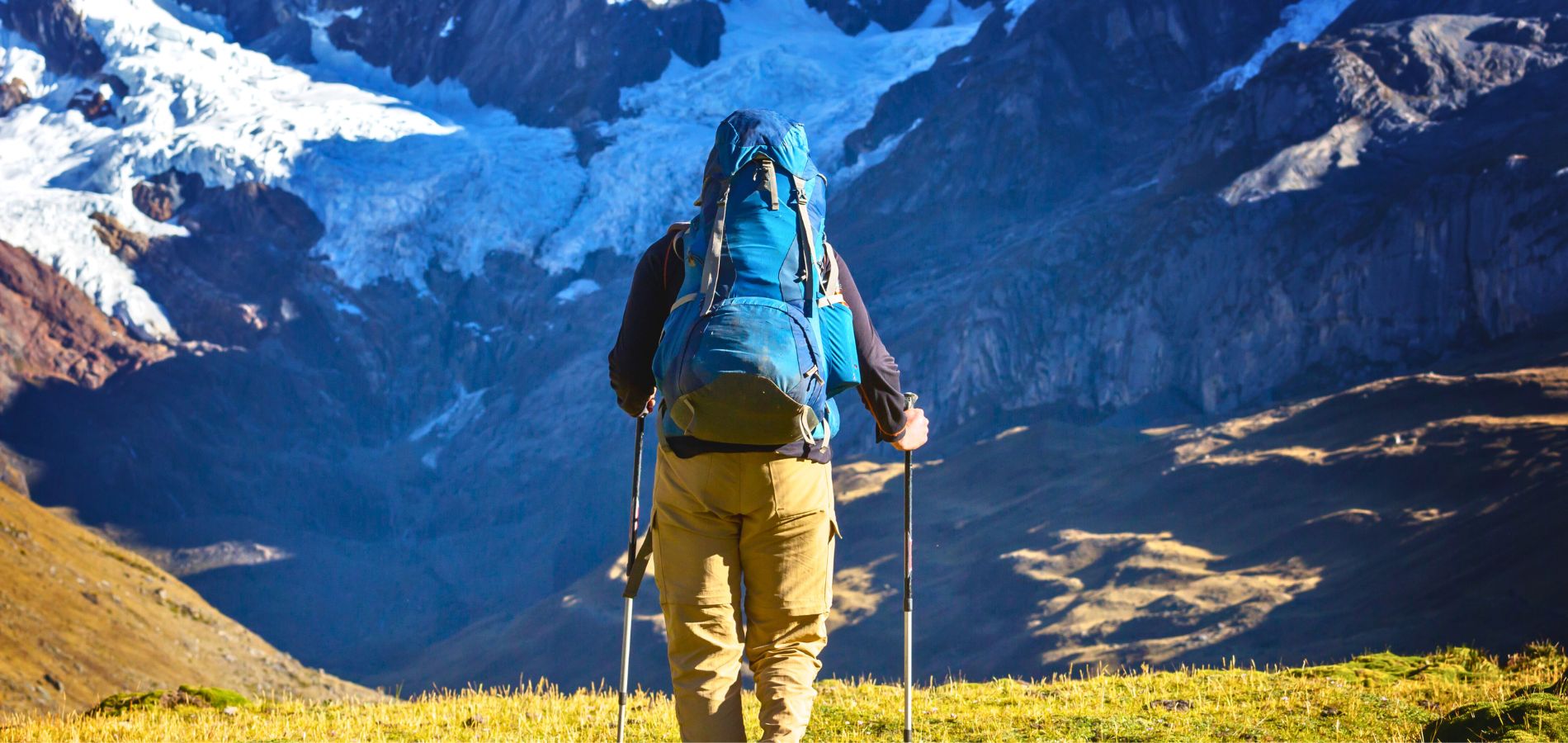
At 4,910 meters above sea level, the Volcano Viewpoint is not only one of the highest points along the Colca route but also one of the places where altitude may feel most intense for many travelers. Due to extreme mountain conditions, low temperatures, strong winds, and reduced oxygen levels are a normal part of the experience.
Mornings usually provide clear skies and better conditions for volcano observation, while afternoons may bring stronger winds and clouds that reduce visibility. Because of this, most excursions visit during early hours.