Planning to visit the Colca Valley? Then Chivay will probably be one of the first stops on your journey. Considered the main gateway to Colca Canyon, this Andean town combines mountain landscapes, ancestral traditions, local gastronomy, and some of the most important tourist attractions in the Arequipa region.
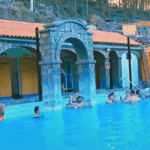
Located at more than 3,600 meters above sea level, Chivay has become the most important tourist center in Caylloma thanks to its strategic location, tourism infrastructure, and proximity to destinations such as Cruz del Cóndor, La Calera hot springs, and several traditional villages of Colca. Whether as a starting point or a place to spend the night, this destination offers much more than simply being a stop along the way.
If you are organizing your trip, here you will find information about:
Yes. Chivay not only serves as the gateway to the Colca Valley, but it is also one of the best places to experience Caylloma’s traditional culture, enjoy hot springs, try local cuisine, and rest before continuing toward the canyon. Many travelers use this town as a base for exploring Colca because of its tourism infrastructure, strategic location, and variety of experiences available.
Chivay is located in Caylloma Province, Arequipa region, and is considered the main gateway to the Colca Valley, one of Peru’s most visited tourist destinations. This Andean town is located approximately 163 kilometers from the city of Arequipa, on the western slopes of the Andes Mountains.
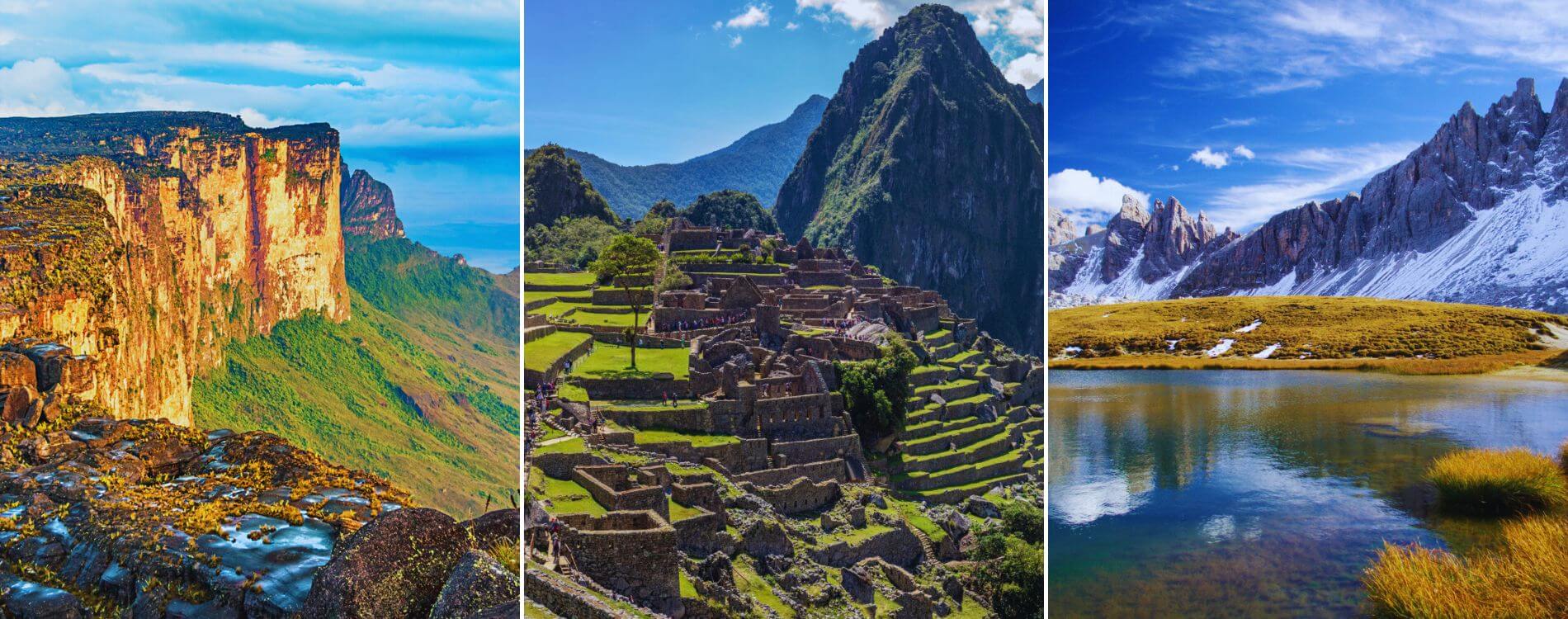
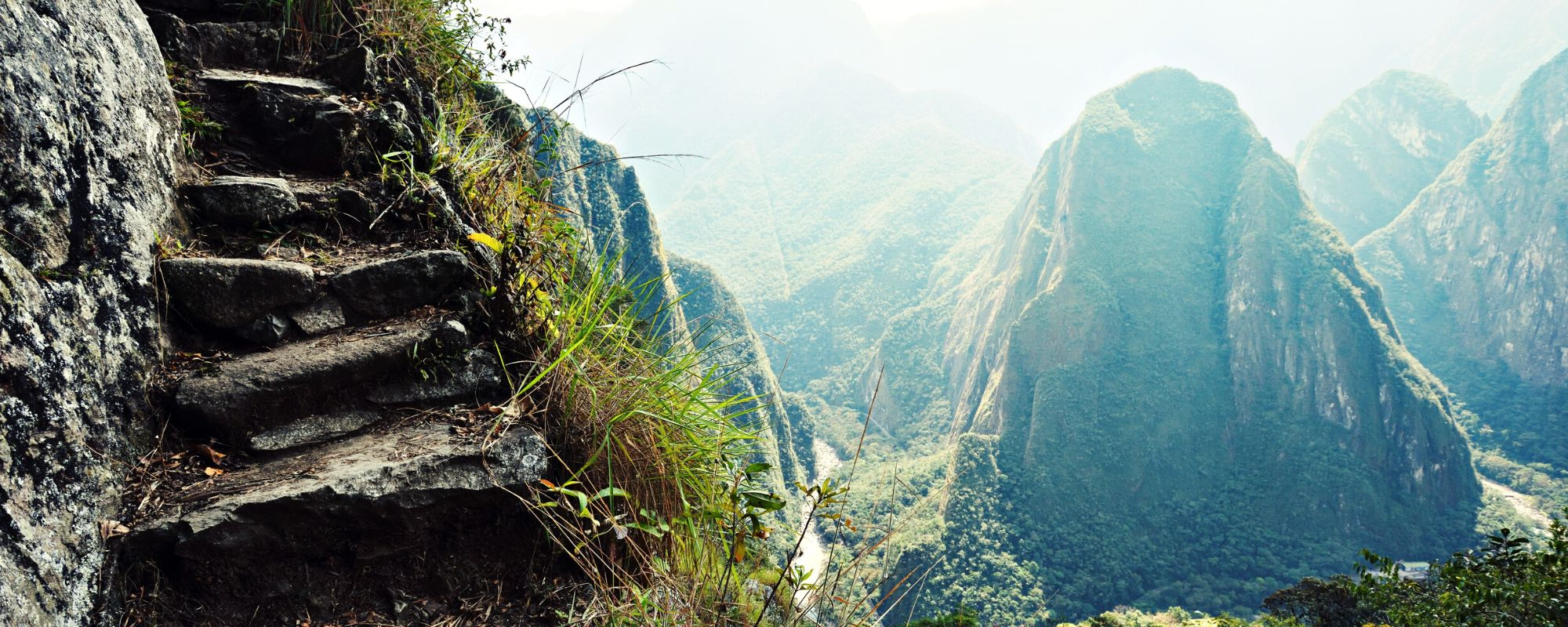
Situated at 3,635 meters above sea level, Chivay stands out for being surrounded by mountains, volcanoes, and high-Andean landscapes that form part of the Colca ecosystem. Thanks to its strategic location, it has become the main connection point for travelers wishing to visit attractions such as Cruz del Cóndor, La Calera, Yanque, and several traditional villages of Caylloma.
| Information | Details |
| Location | Caylloma Province, Arequipa |
| Distance from Arequipa | Approximately 163 km |
| Altitude | 3,635 meters above sea level |
| Travel time from Arequipa | Approximately 3.5 to 4 hours |
| Known for | Being the gateway to the Colca Valley |
| Climate | Cool mountain climate |
| Average daytime temperature | 15°C – 19°C |
| Average nighttime temperature | 0°C – 5°C |
| Dry season | April – November |
| Rainy season | December – March |
| Is it cold? | Yes, especially during the nights |
| Best time to visit | April to November |
| Ideal for | Cultural tourism, adventure, and nature |
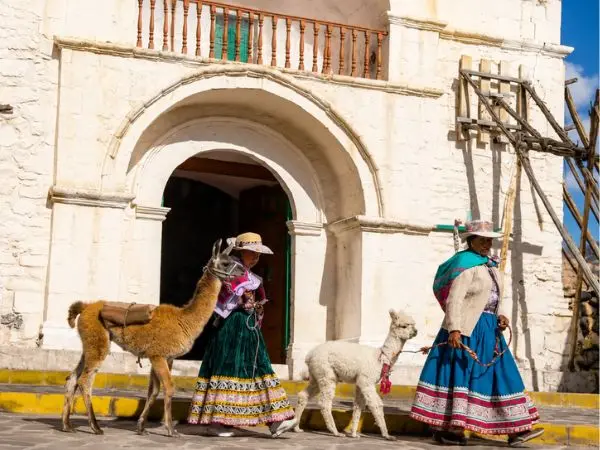
Explore Chivay, its Andean landscapes, traditional villages, and the main attractions of the Colca Valley accompanied by local guides and tourist transportation. Many travelers prefer organized experiences to maximize their time, visit more places, and enjoy greater comfort during the journey.
👉 Discover our Colca Valley tours that include visits to Chivay
Getting to Chivay from Arequipa is relatively easy, and there are several options depending on your budget, available time, and travel style. Since this town serves as the main tourist access point to the Colca Valley, it has frequent connections from Arequipa for both independent travelers and those preferring organized excursions.
The most comfortable way to visit Chivay is through an organized Colca Valley tour. These experiences usually include tourist transportation, stops at Andean viewpoints, guides, and visits to the region’s main attractions.
It is also possible to travel independently from Arequipa’s bus terminal. Buses to Chivay typically complete the route in approximately 3.5 to 4 hours, depending on weather conditions and traffic.
For travelers seeking greater flexibility, private transportation allows additional stops in places such as Pampa Cañahuas, Patapampa, or Colca viewpoints, making the journey more enjoyable.
The route to Chivay crosses high-Andean landscapes, natural reserves, and some of the highest points in southern Peru, making the journey itself an important part of the experience.
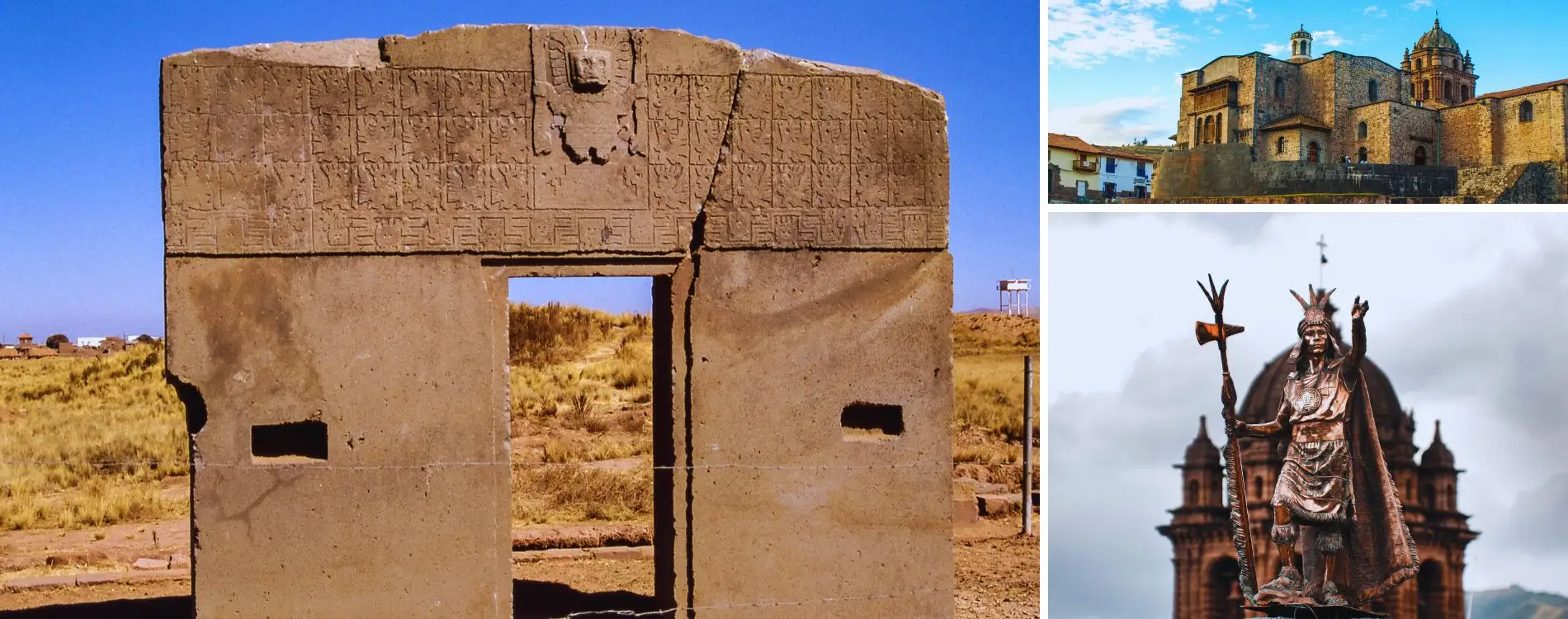
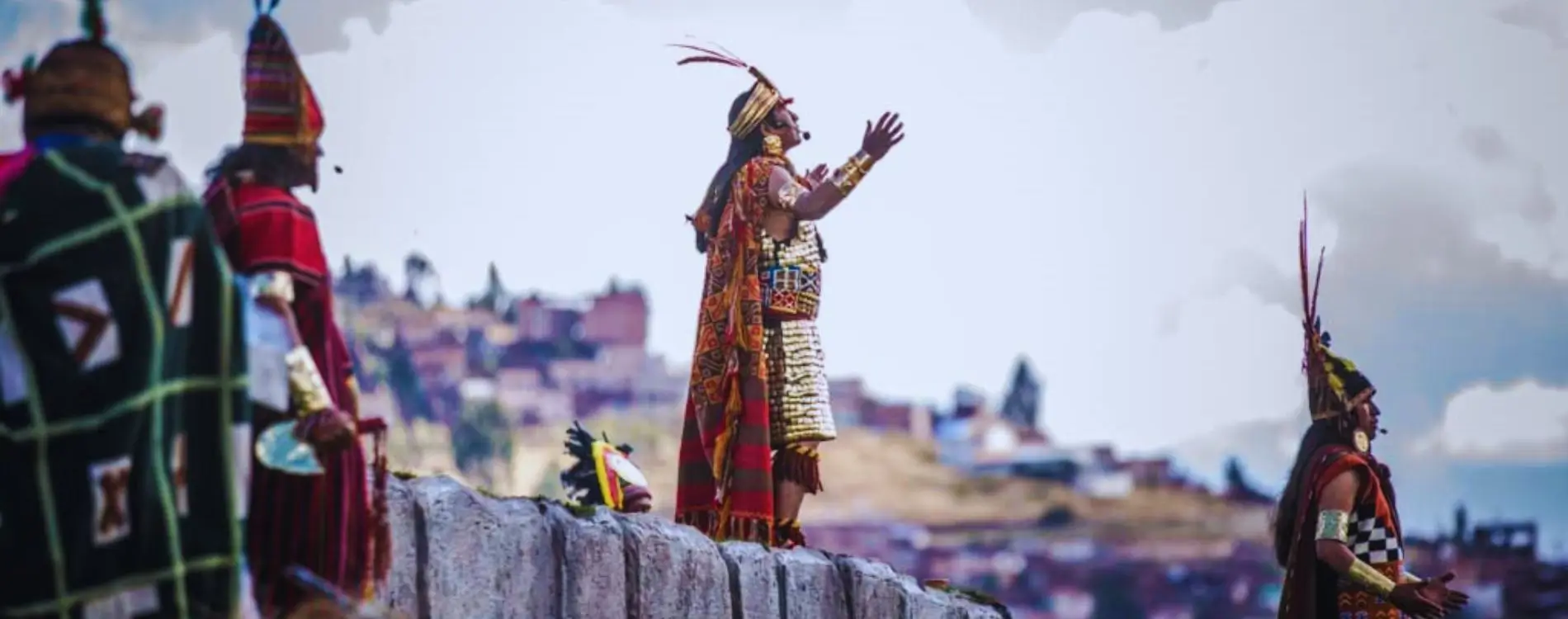
The history of Chivay is closely connected to the ancient cultures that inhabited the Colca Valley long before the expansion of the Inca Empire. This territory was originally occupied by groups such as the Collaguas, Cabanas, and Tapay communities, who developed complex agricultural systems, Andean terraces, and organizational structures that still influence local traditions today.
During the Inca expansion, the region became part of the Tahuantinsuyo, strengthening cultural and commercial connections throughout the southern Andes. Later, during the Spanish colonial period, Chivay gained importance through mining and territorial reorganization promoted by Viceroy Francisco de Toledo, who established the well-known indigenous reductions throughout the region.
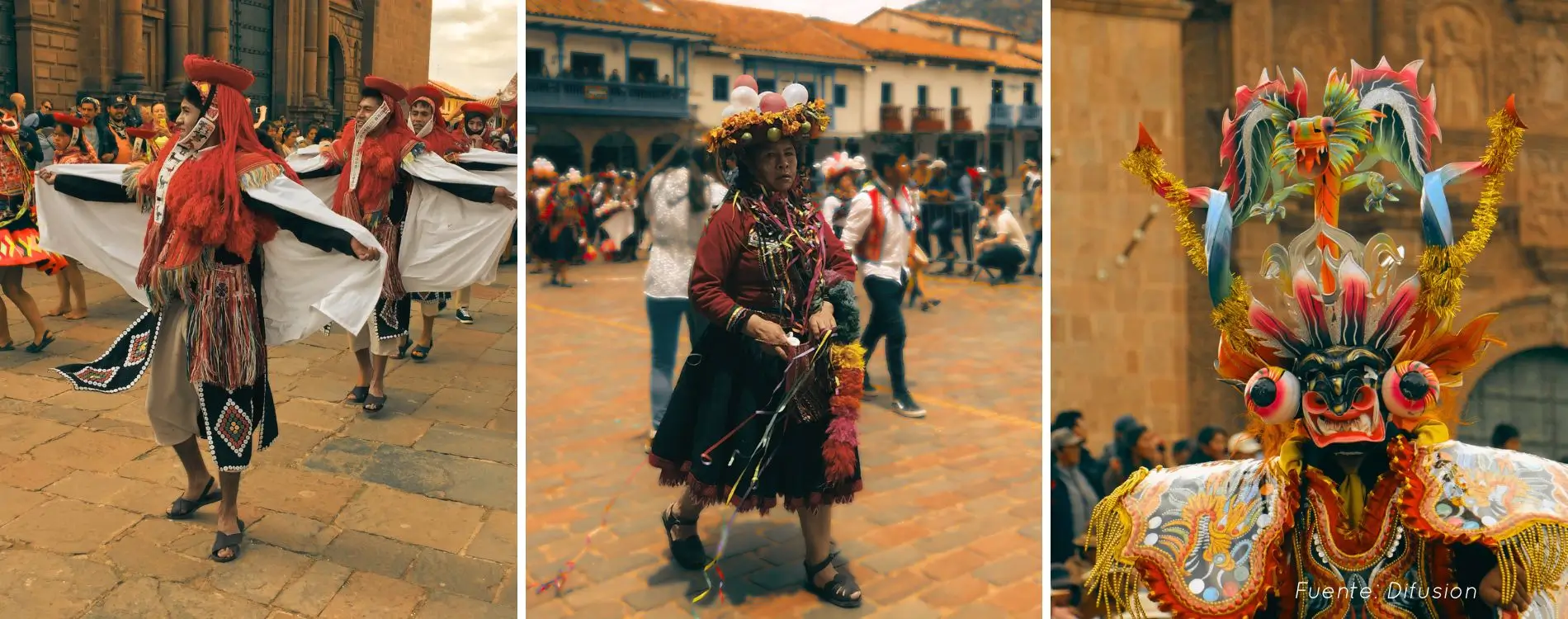
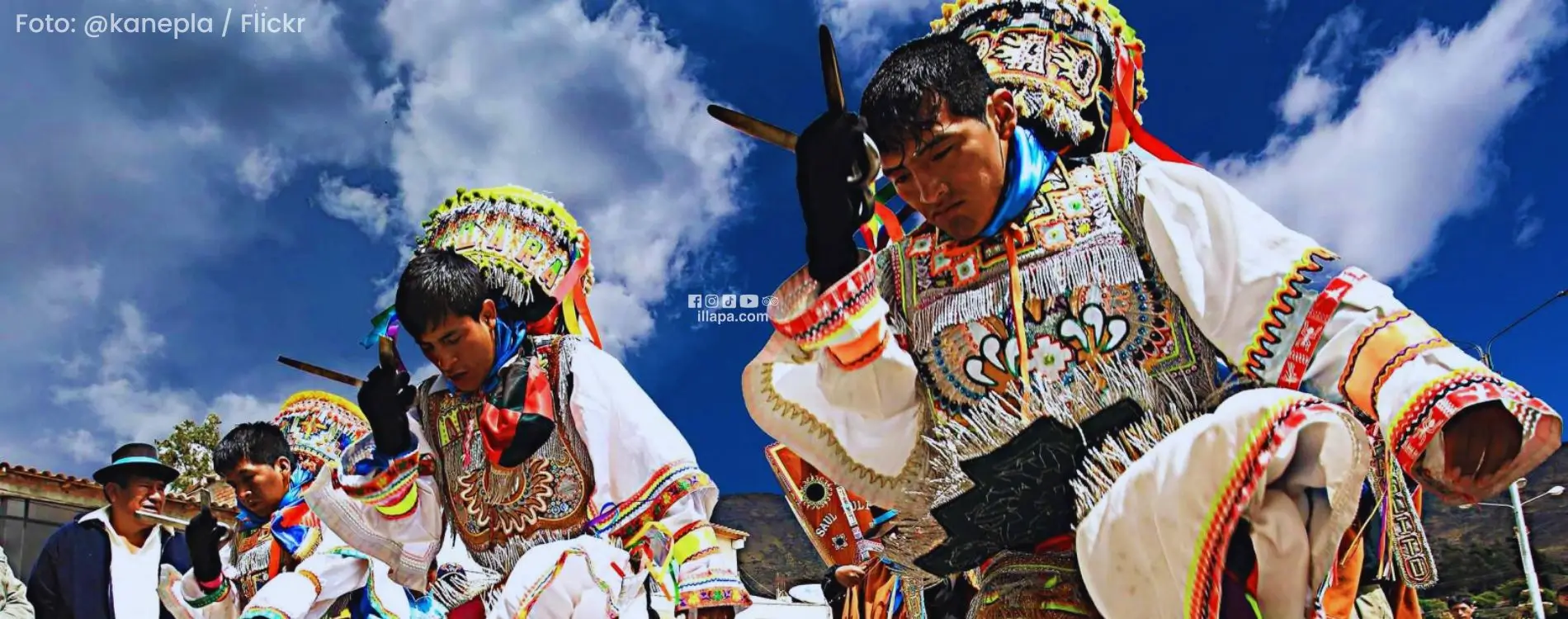
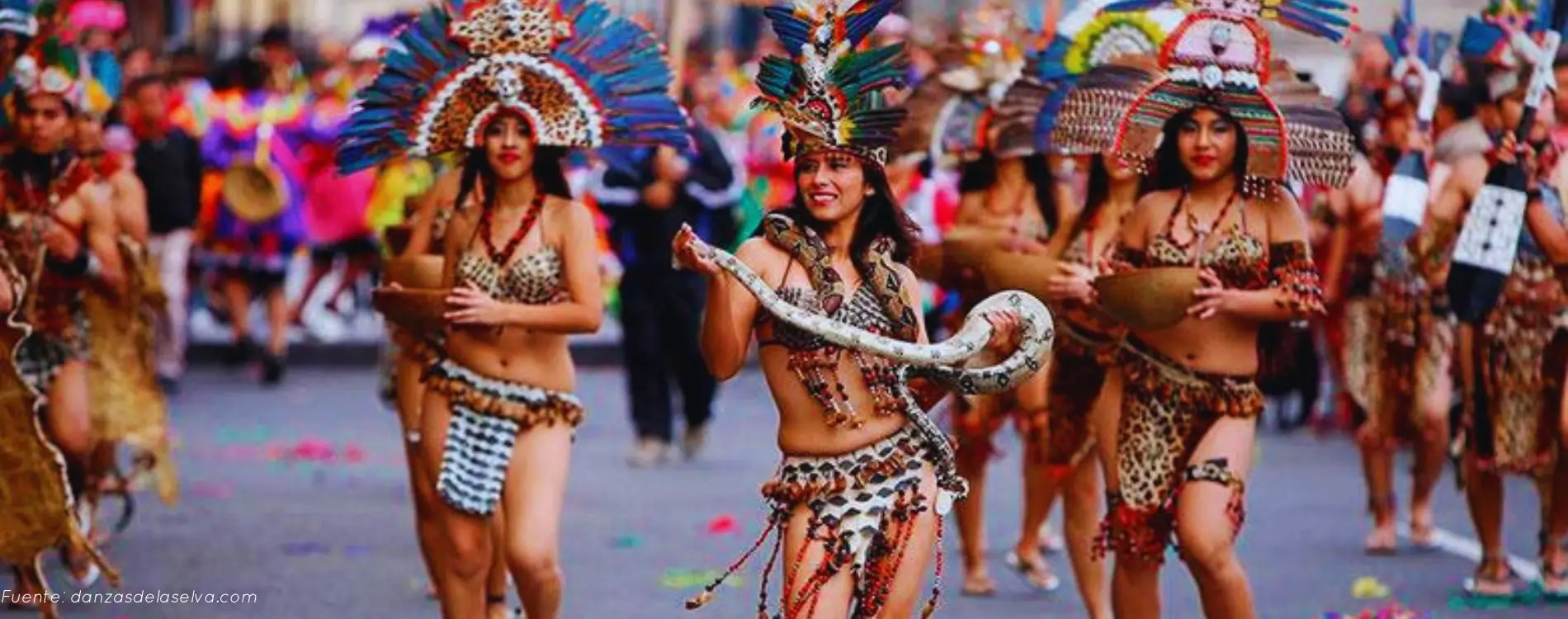
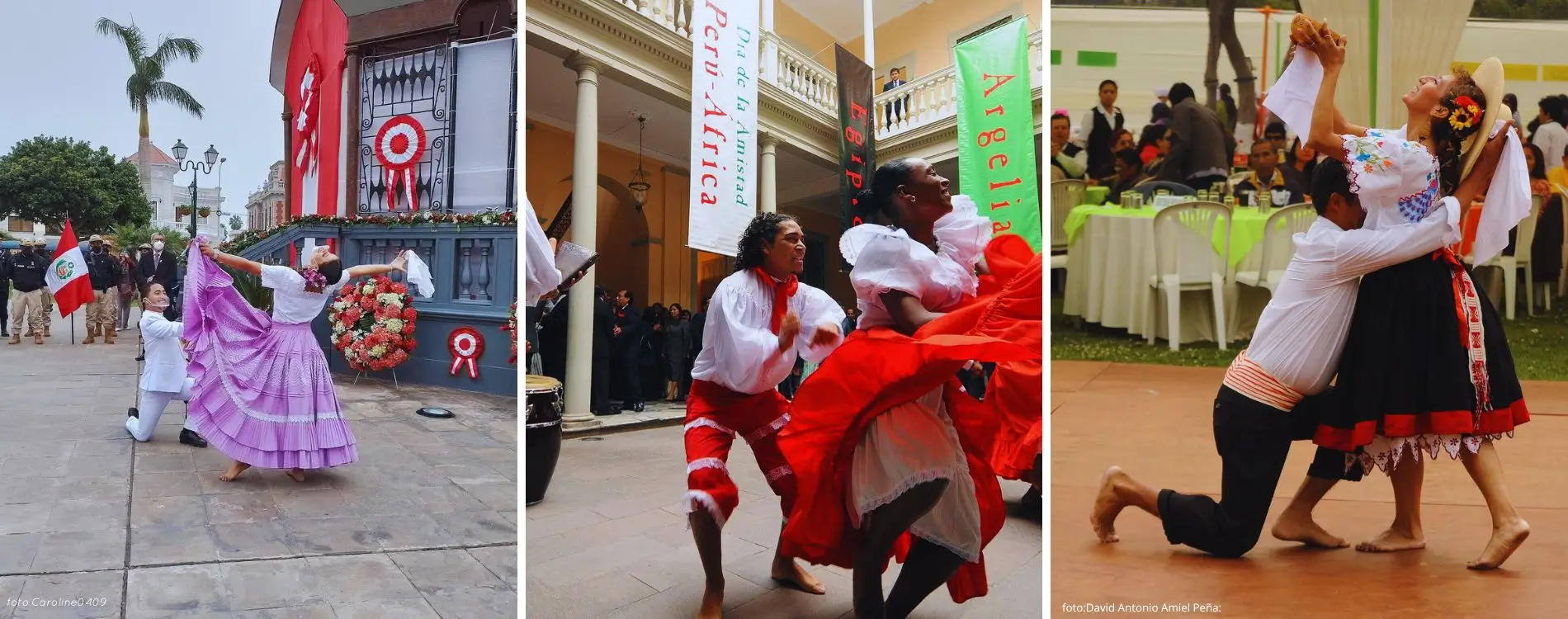
Despite the passage of time, Chivay continues preserving many cultural expressions inherited from these civilizations, visible today through festivals, traditional clothing, religious architecture, and iconic dances such as the famous Wititis, internationally recognized as part of Peru’s cultural heritage.
Today, the town combines tradition, tourism, and living culture, becoming one of the most important destinations in the Colca Valley.