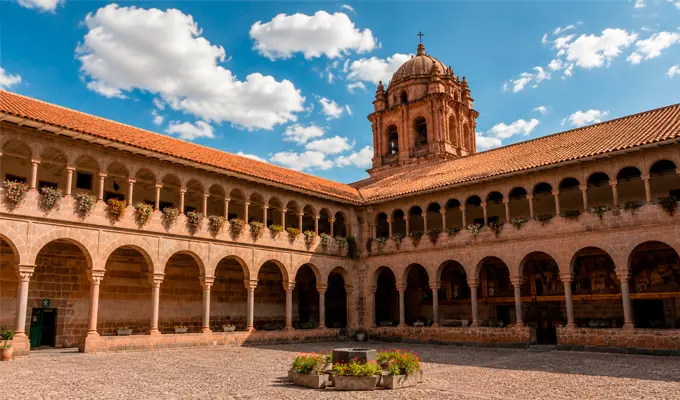
In the heart of Cusco stands one of the most impressive and fascinating monuments of the Inca civilization: Qoricancha, historically known as the Temple of the Sun. During the time of the Tawantinsuyu, this sacred complex was far more than just another temple—it was the spiritual, political, and astronomical center of the entire empire. It was conceived as the point from which the roads and ceques (sacred lines) extended toward the four regions of the Inca realm.
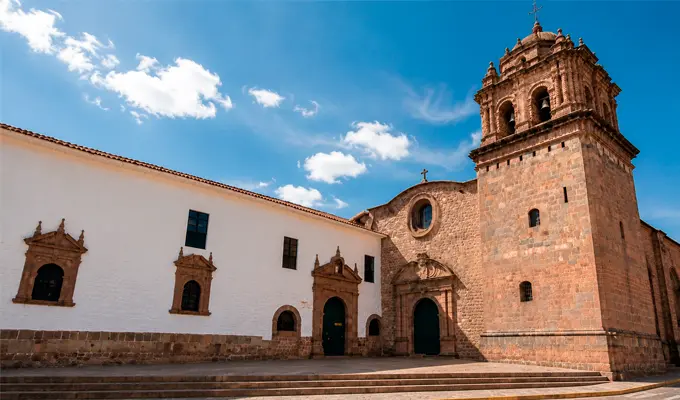
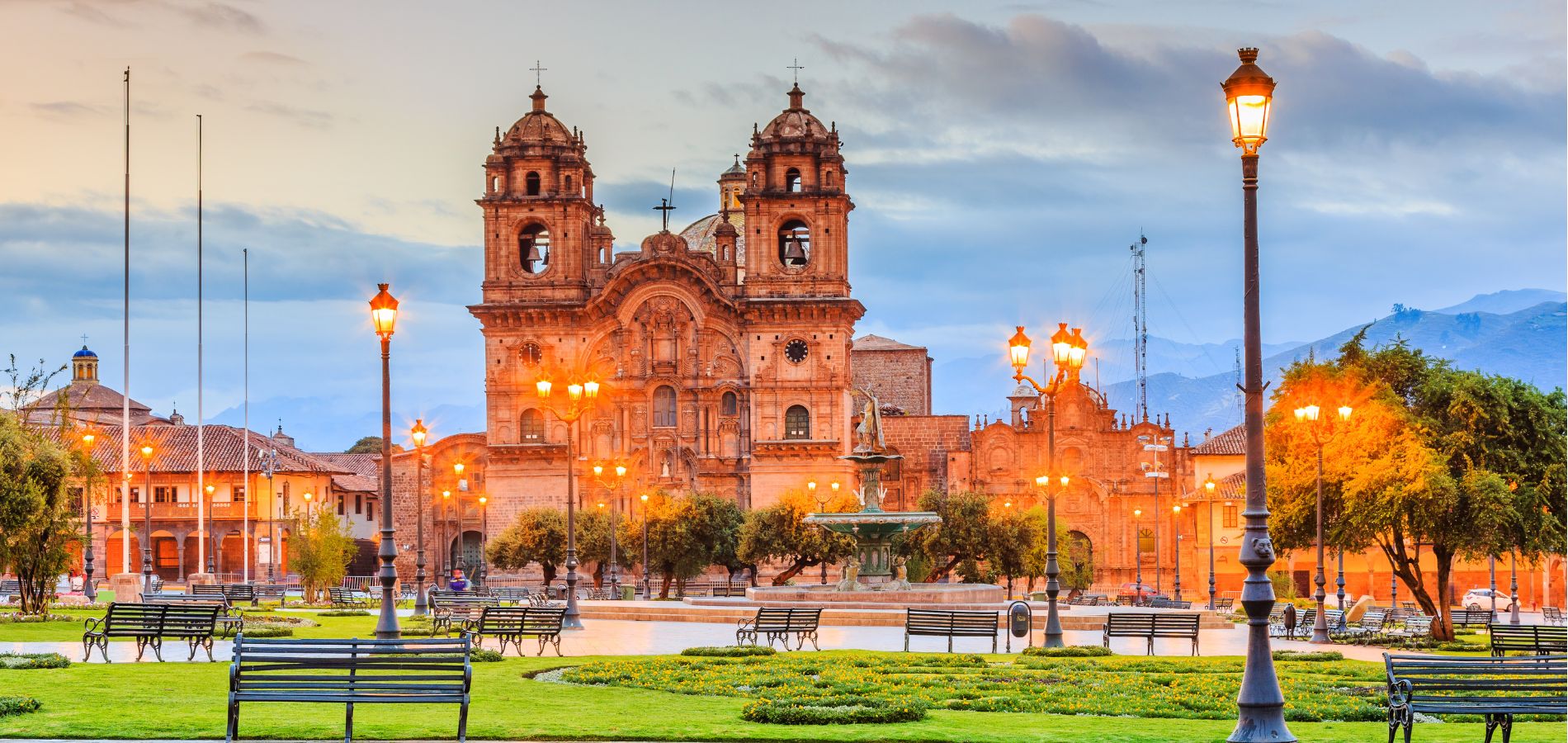
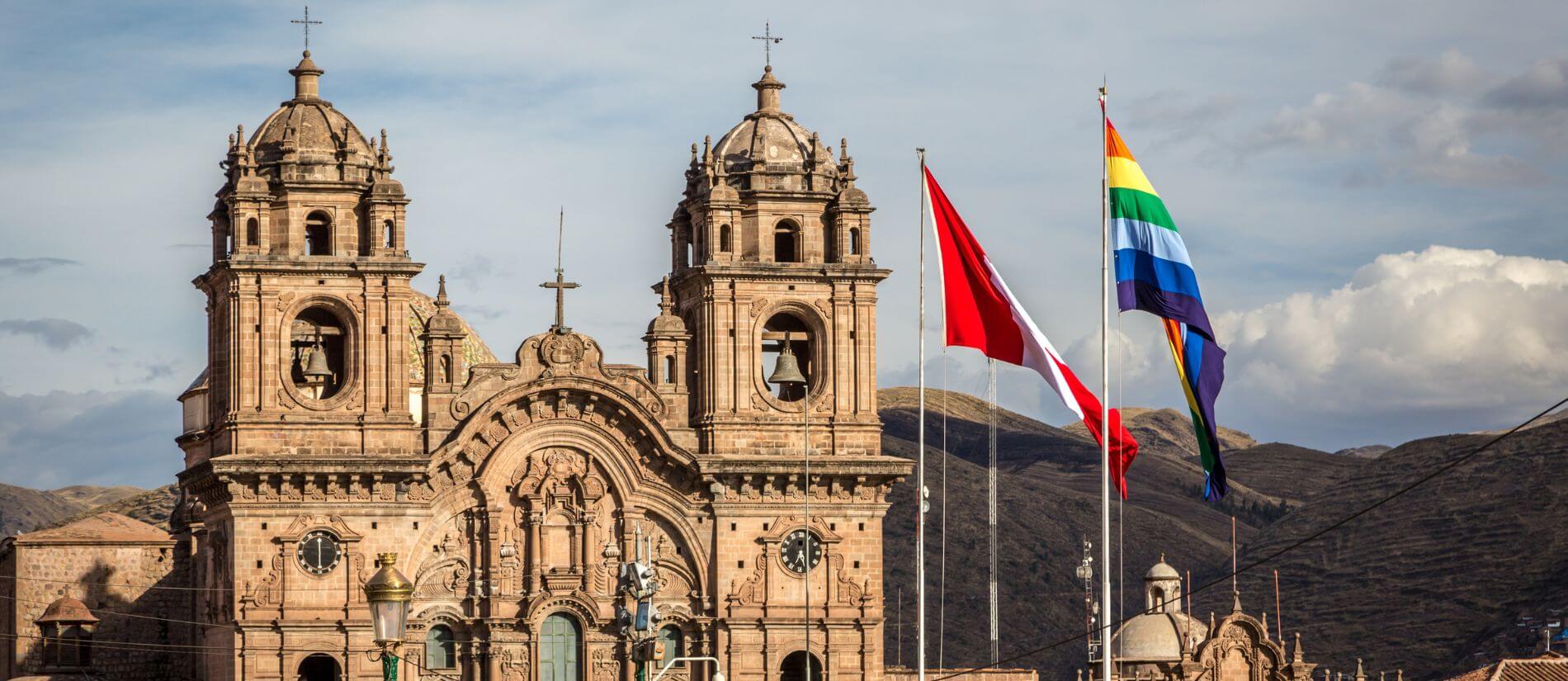
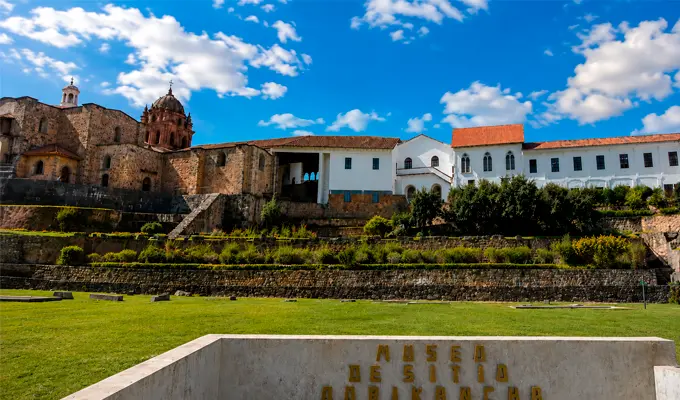
Dedicated primarily to the god Inti (the Sun), its walls were originally covered with dazzling sheets of pure gold that reflected the brilliant Andean sunlight. After the arrival of the Spanish, the Convent of Santo Domingo was built directly on top of its Inca stone foundations, creating a remarkable architectural contrast where Inca engineering has demonstrated extraordinary resistance to the earthquakes that have shaken Cusco throughout the centuries.
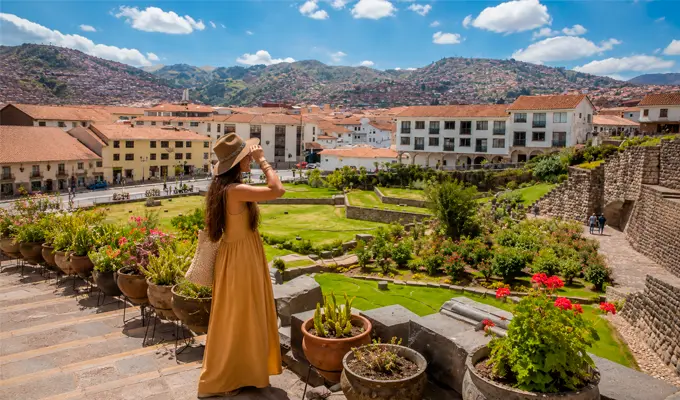
Today, Qoricancha is an essential stop for anyone exploring Cusco's historic center. Walking through its interior chambers allows visitors to admire the flawless craftsmanship of its black granite blocks and gain a deeper understanding of the profound cosmic and spiritual worldview that shaped the Andean civilization.
| Fact | Information |
| Location | Cusco, Peru |
| Meaning | Golden Enclosure |
| Construction | 13th century |
| Main Deity | Inti (Sun God) |
| Architecture | Inca and Colonial |
| Main Attraction | Temple of the Sun |
The name Qoricancha (also spelled Coricancha or Koricancha) perfectly captures the splendor of its golden age. It comes from two essential Quechua words:
Literally translated as the "Golden Enclosure" or "Temple of Gold," the name was no mere metaphor. At the height of the Inca Empire, both the interior and exterior walls of the complex were adorned with wide sheets of pure gold that gleamed under the sunlight. Its inner gardens also featured life-sized sculptures of corn plants, llamas, and shepherds crafted entirely from gold and silver, transforming the sanctuary into an earthly representation of divine abundance.
Before becoming the empire's great ceremonial center, this site was known as Inticancha or Intiwasi ("House of the Sun"), and its earliest structures date back to around 1200 AD.
The temple underwent its greatest transformation during the 15th century under the rule of the Inca Pachacútec, who ordered it to be expanded, covered its walls with sheets of gold and silver, and filled it with sacred statues. Qoricancha then became the political, religious, and astronomical heart of the Tawantinsuyu, serving as the origin of the ceques, the sacred lines that connected the entire empire.
In the 16th century, following the Spanish conquest, the temple was stripped of its treasures. The Church and Convent of Santo Domingo were built upon its remarkably solid Inca foundations. Today, this architectural fusion stands as a testament to Inca engineering: while the colonial structure suffered severe damage during the earthquakes of 1650 and 1950, the original Inca stone walls remained standing.
Qoricancha was much more than a place of worship—it was the beating heart of the Inca world. Within its sacred walls, the Incas honored Inti, the Sun God, whom they believed to be the divine protector of their people and the ancestor of the Inca rulers.
Its significance extended far beyond religion. From this very point began the ceque system, an invisible network of sacred lines and ceremonial routes linking the center of Cusco to hundreds of shrines scattered throughout the empire. In the Inca worldview, Qoricancha represented the origin of everything the geographic center, the spiritual heart, and the force that united the entire Tawantinsuyu.
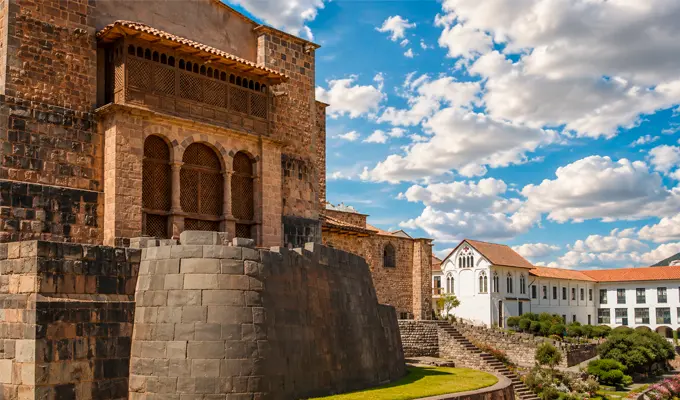
Beyond its sacred significance, Qoricancha is a true masterpiece of Andean engineering. The way its builders mastered stone construction continues to amaze architects and engineers from around the world.
Each block of basalt and andesite was carved, polished, and fitted together with such extraordinary precision that it is impossible to slide even a sheet of paper between them. Even more remarkable is the fact that no mortar or binding material was used. Instead, the stones were joined through an ingenious system of interlocking cuts and inward-leaning walls, allowing the structure to respond flexibly to earthquakes. When the ground shakes, the stones move slightly, settle back into place, and maintain the stability of the building. This is why, while powerful earthquakes damaged much of the colonial structure, the original Inca foundations remained standing.
What makes its architecture unique:
Qoricancha housed several sanctuaries dedicated to the principal deities of the Andean cosmos:
The gardens of Qoricancha were far more than decorative spaces they were a breathtaking sacred offering crafted from precious metals.
According to colonial chronicles, the gardens featured a life-sized artificial field filled with golden corn stalks adorned with silver leaves, alongside life-sized figures of llamas, their offspring, and shepherds, all fashioned entirely from gold and silver. Rather than displaying wealth alone, this extraordinary garden symbolized humanity's harmony with nature, the fertility of the land, and the abundance of the Tawantinsuyu.
Sadly, after the arrival of the Spanish conquistadors in the 16th century, these magnificent sculptures were dismantled, melted into bullion, and shipped to Europe, leaving behind only the memory of one of the most extraordinary gardens of the ancient Andean world.
Following the Spanish conquest, the sacred sanctuary underwent a profound transformation. The Dominican Order built the Convent and Church of Santo Domingo directly on top of the finely crafted foundations of the Inca temple.
The most remarkable aspect of this encounter between two civilizations became evident centuries later, when nature tested both structures. While the devastating earthquakes of 1650, 1749, and 1950 severely damaged the colonial arches, vaults, and bell towers, the Inca stone walls remained virtually untouched, thanks to their sophisticated earthquake-resistant engineering.
Today, walking through Qoricancha offers visitors a unique historical experience: a place where the strength, precision, and elegance of Inca stonework coexist seamlessly with the artistic beauty of Colonial Baroque architecture.